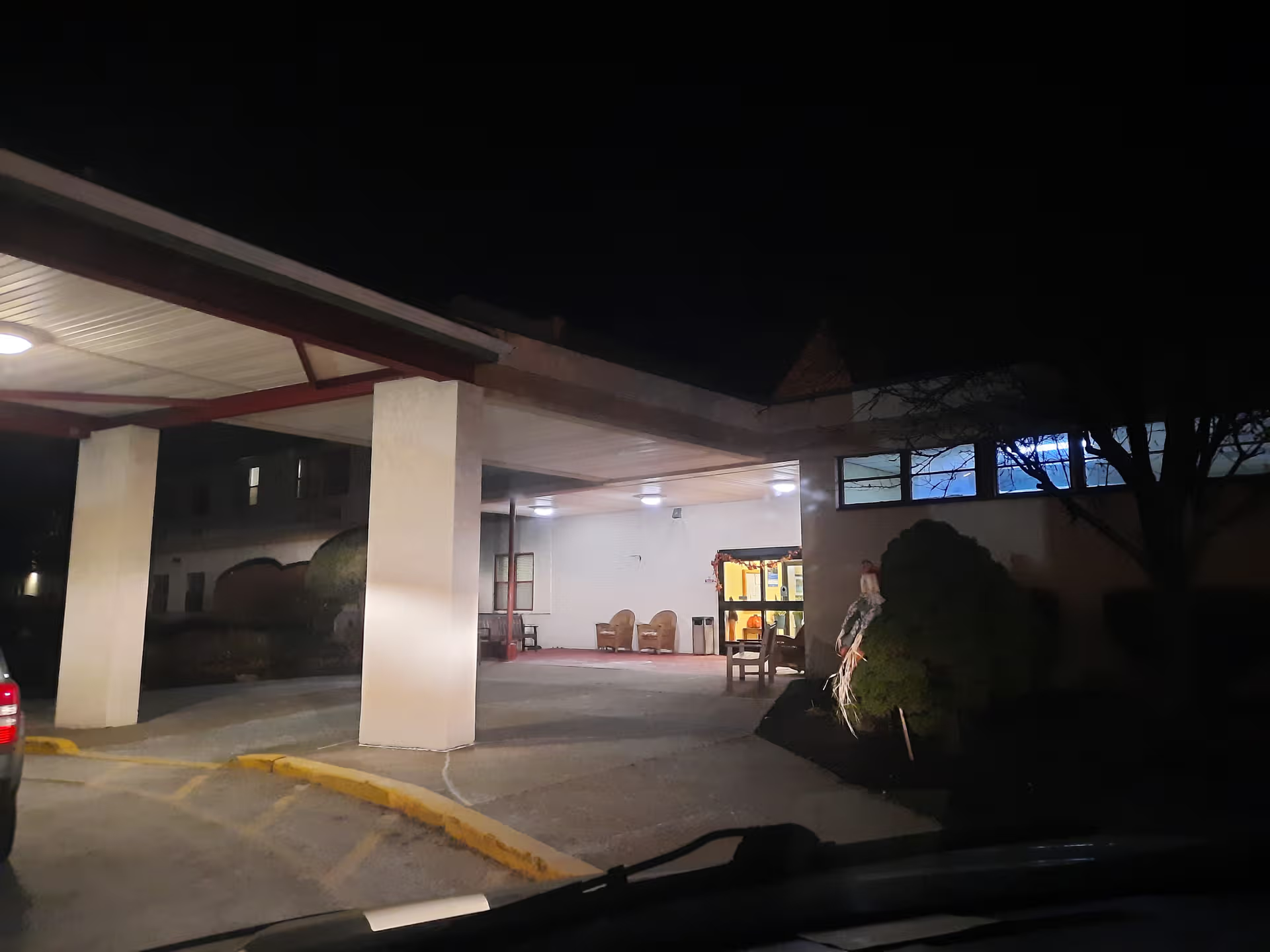
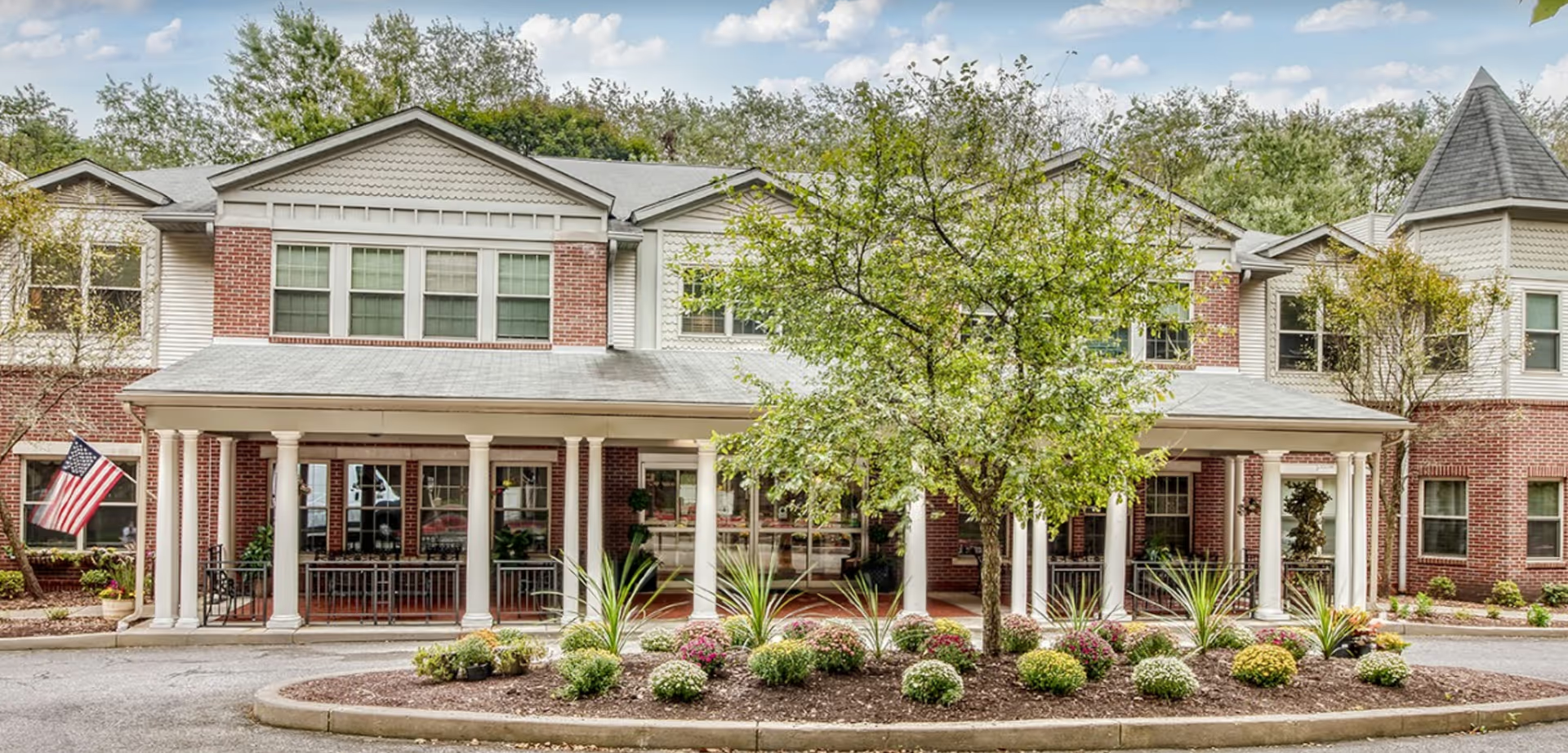
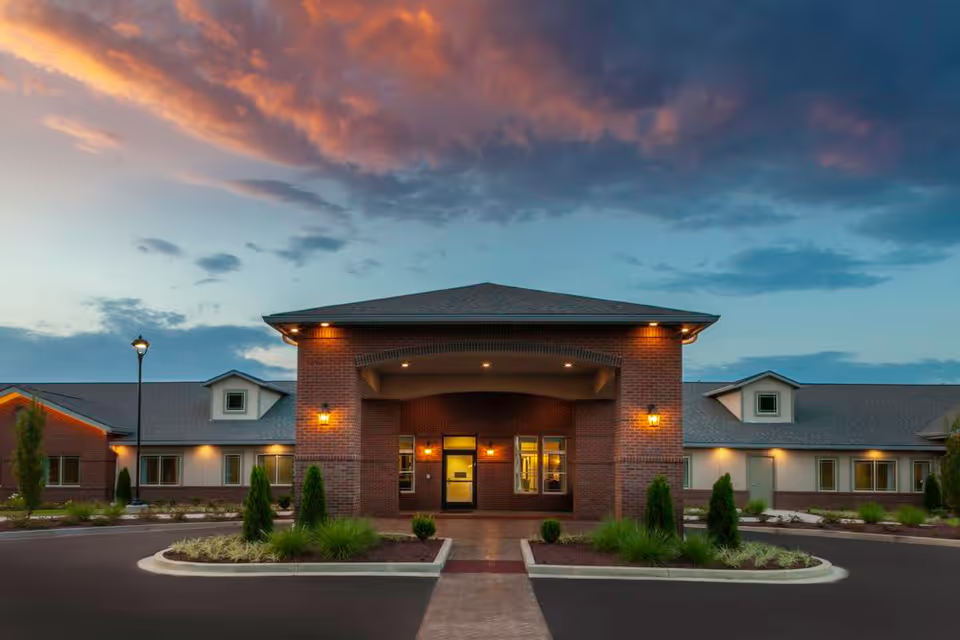
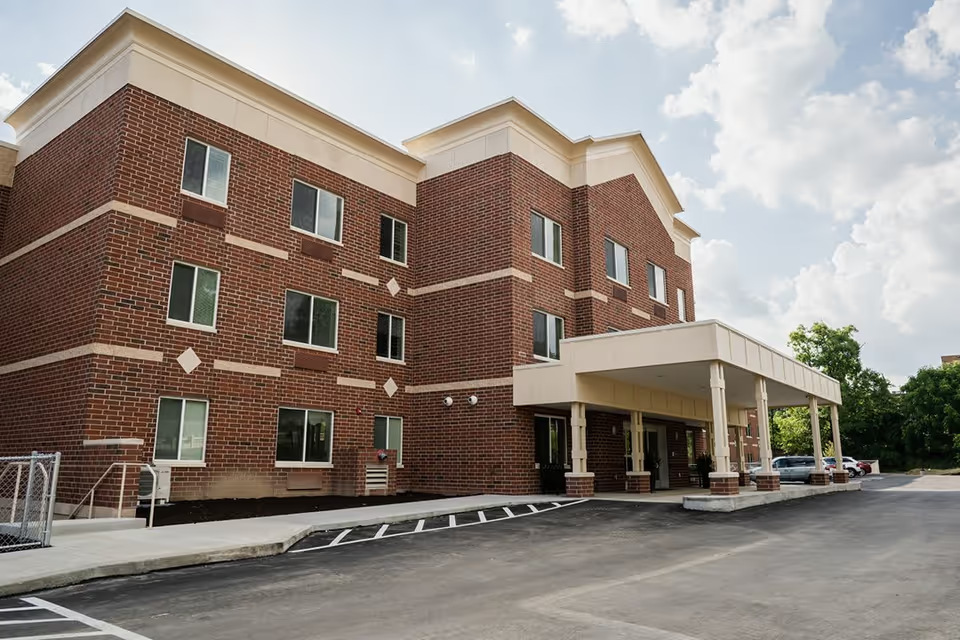
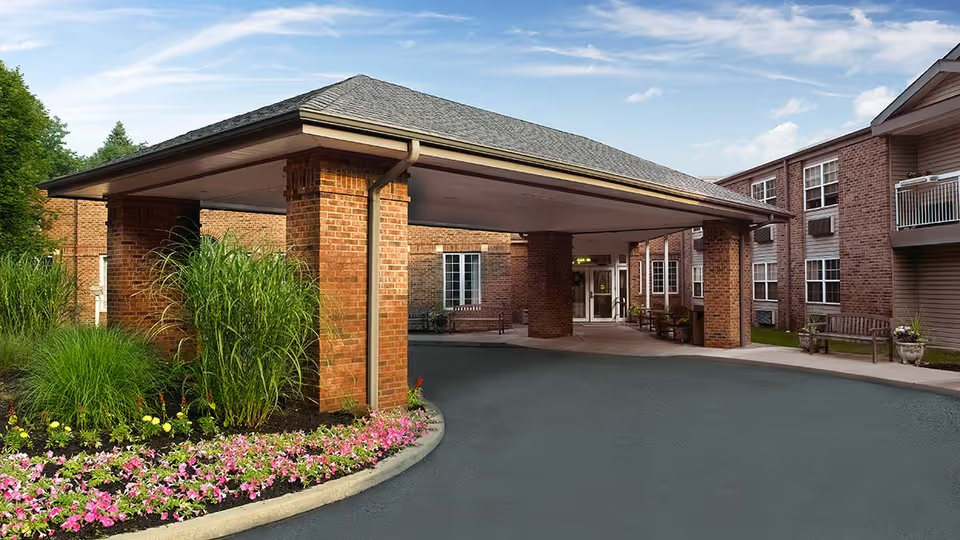
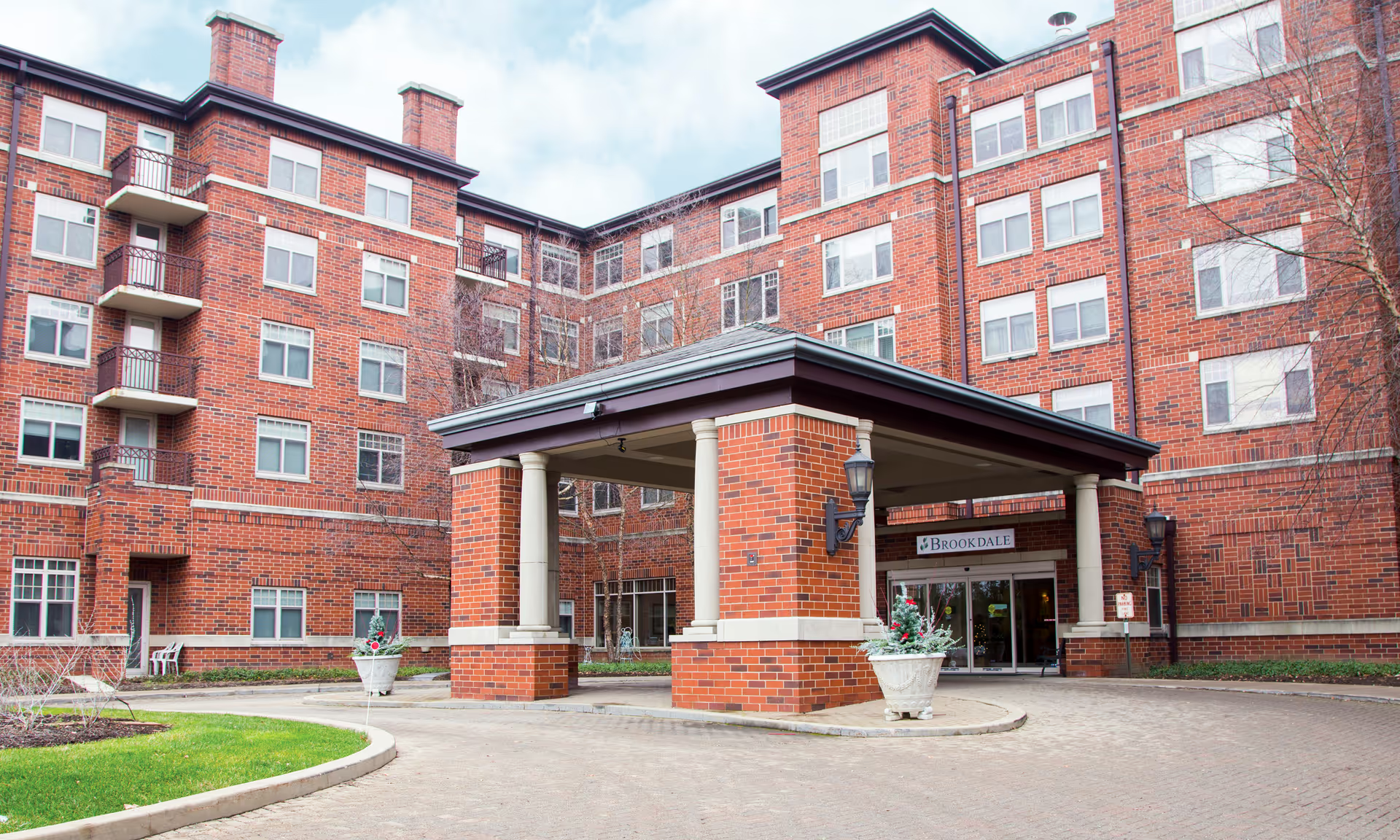
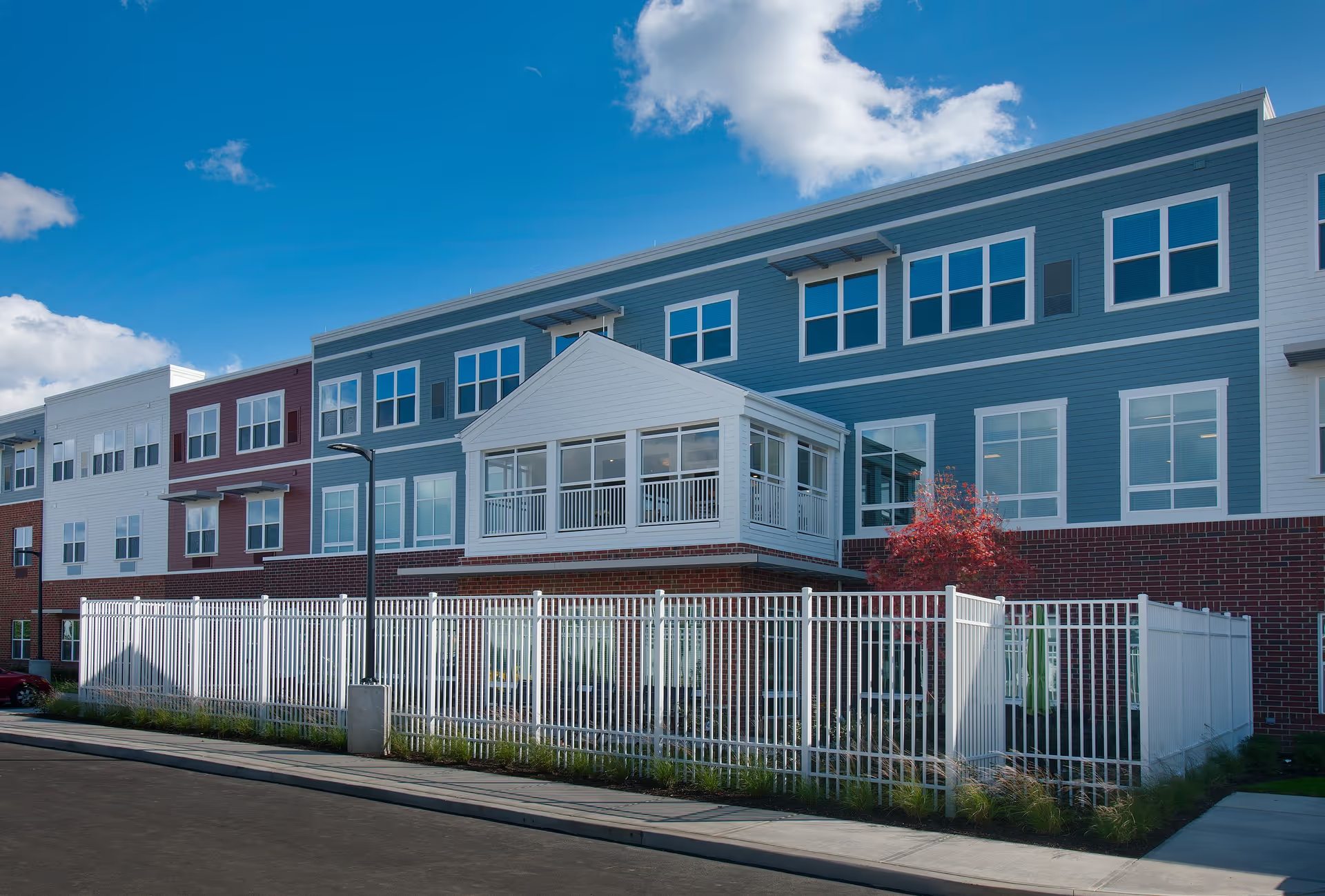
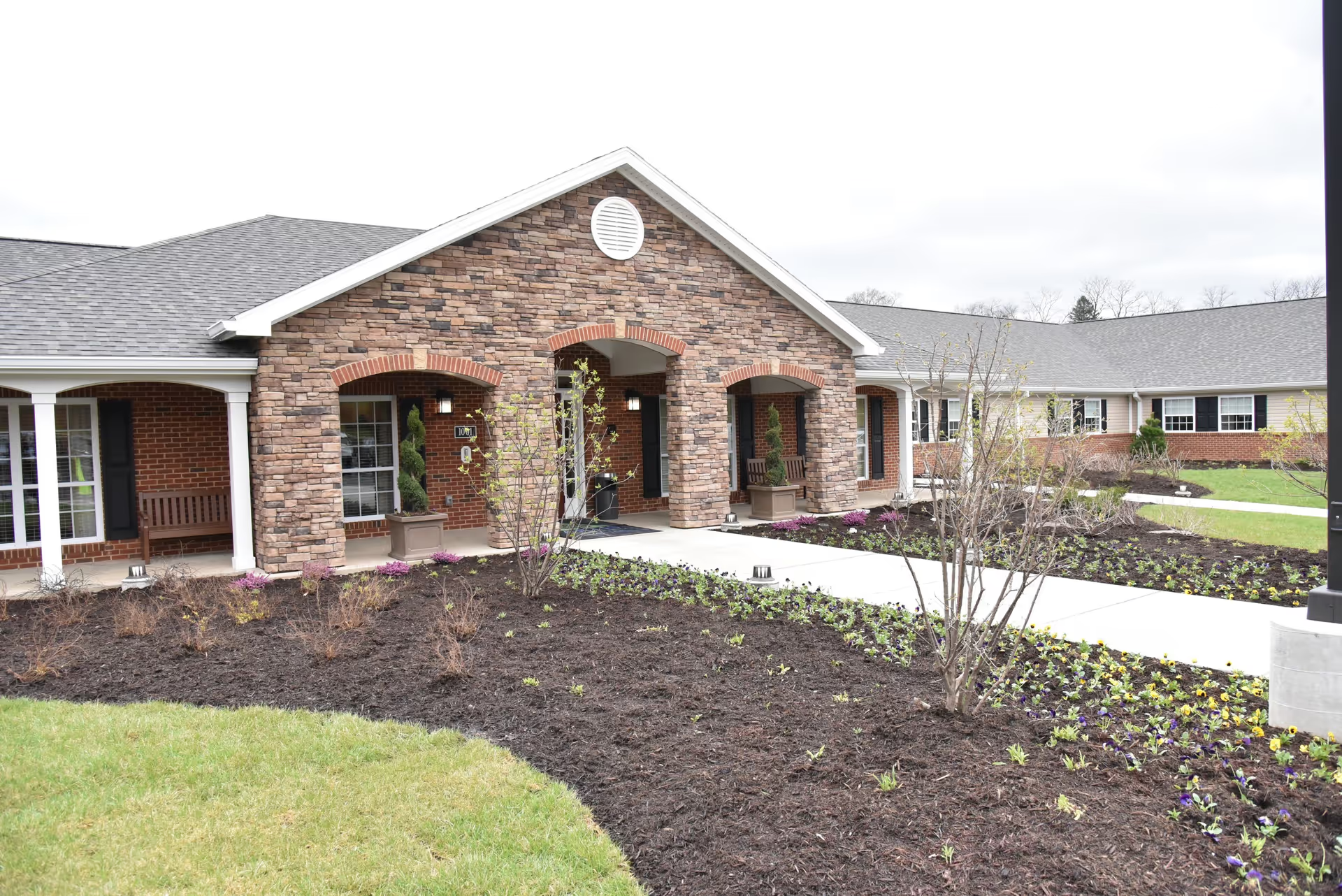
Overall impression: Reviews for Kane Community Living Center – Glen Hazel are highly mixed, with substantive praise for on-site clinical and recreational resources alongside recurring operational and care-quality concerns. The facility offers a broad set of amenities — rehabilitation services, a gym, beauty salon, library/computer lab, multiple communal lounges and an outdoor courtyard — and some families and staff describe compassionate, attentive caregiving teams and effective social-work coordination. At the same time, a consistent theme is variability: some residents and families report positive, reassuring experiences, while others describe significant gaps in daily care and administrative responsiveness.
Care quality and clinical services: The center provides in-house medical and therapy resources that can support rehabilitation and ongoing clinical needs. However, reviewers indicate inconsistent application of those services after admission: therapy appointments or consults (speech/OT/PT) may be delayed or inaccessible for some residents, and reviewers cited lapses in medication management and follow-up care that led to hospital readmission in a few cases. Several accounts also raise concerns about skin integrity outcomes and other adverse clinical events; these point to gaps in reliable clinical oversight rather than a uniform standard of care.
Staffing and staff conduct: Staffing levels and staff mix are frequently described as problematic. Reviewers mention understaffing and a heavy reliance on temporary/registry workers, which correlates with delays in assistance (for toileting, bathing, or showering) and reduced consistency in routines. Staff demeanor and communication quality appear variable: some staff and specific team members receive strong praise for responsiveness and professionalism, while others are described as disrespectful or unhelpful. Reviews also reference isolated incidents of staff misconduct and personnel terminations, which contribute to perceptions of uneven supervision and training.
Dining, activities, and dementia care: The facility operates daily activities and offers customized meal options and outings such as biweekly shopping trips. Recreational programming and communal spaces are assets for many residents. Nonetheless, meal-temperature and quality consistency issues are a recurring complaint. Dementia care emerges as an area of particular concern: reviewers describe limited activity programming tailored to residents with cognitive impairment and operational practices around secured units that families found distressing. Prospective families should clarify the facility’s dementia-program model, staffing ratios on memory-care units, and how activities are adapted for cognitive needs.
Facilities, cleanliness, and connectivity: Physical amenities (gym, salon, library, outdoor deck) are positives, and some reviewers note that rooms and public areas are kept clean. Yet other reviewers describe uneven sanitation control and maintenance shortfalls consistent with an aging building. Connectivity is limited in places: lack of reliable guest WiFi and poor cell-phone reception were flagged, as was restricted access to guest phones in some units. Concerns about property security — missing personal items or unclear belongings-management practices — are also mentioned and merit specific inquiry during a visit.
Management and administrative issues: Administrative themes include billing disputes, challenging admissions interactions, and inconsistent communication with families, including after critical events. There are also allegations of discriminatory behavior and unprofessional conduct within the admissions process; conversely, the social-work function (one coordinator was specifically praised) can be a strong point when active and responsive. Leadership and staff-training gaps are implied by variable supervision, inconsistent reporting practices, and mixed staff morale.
What to consider when evaluating this facility: Given the wide range of experiences, a personal tour and focused inquiries are essential. Ask about current staffing ratios (especially on memory-care units), the facility’s dementia-programming and secured-unit practices, procedures for medication reconciliation and therapy initiation after admission, policies for property security and family communication, and available connectivity for residents and visitors. Request recent inspection or quality metrics if available and speak directly with the social-work team about care coordination. These targeted questions will help determine whether the facility’s strengths align with a prospective resident’s clinical and social needs.