Overlook Green presents a mixture of strengths and operational vulnerabilities. Many families and visitors describe a warm, social atmosphere supported by a broad activities program, bright communal areas and accessible single-level design. The facility offers private rooms (many with private bathrooms), restaurant-style dining, on-site therapy services and visiting medical diagnostics, which collectively support short-term rehab and assisted-living needs. Activity coordinators run frequent events (bingo, socials, entertainment, spiritual programming and therapy-animal visits) that families report as valuable for resident engagement and socialization.
Care and staffing perceptions are mixed. Numerous accounts praise individual caregivers, aides and nurses as kind, attentive and skilled; several reviewers noted consistent medication administration and improved health outcomes after admission. At the same time, a noticeable pattern of staffing shortages and aide turnover emerges across reviews. That understaffing manifests as long call-bell response times, inconsistent bathing or incontinence-care attention for some residents, and occasional delays in routine assistance. There are also recurring concerns about clinical oversight in specific cases — including medication-handling and reassessment processes — and a small number of serious clinical deterioration reports that generated concern about end-of-life care and transitions to higher acuity settings.
Dining and activities are commonly highlighted as strengths: many reviewers praise the food, restaurant-like dining room, and varied programming that encourages family participation. However, several families described variability in food taste and portioning, so dining experience may depend on timing and kitchen staffing. The activities schedule is extensive and often cited as a major benefit; the facility supports social, recreational and spiritual opportunities and provides visible efforts to keep residents engaged.
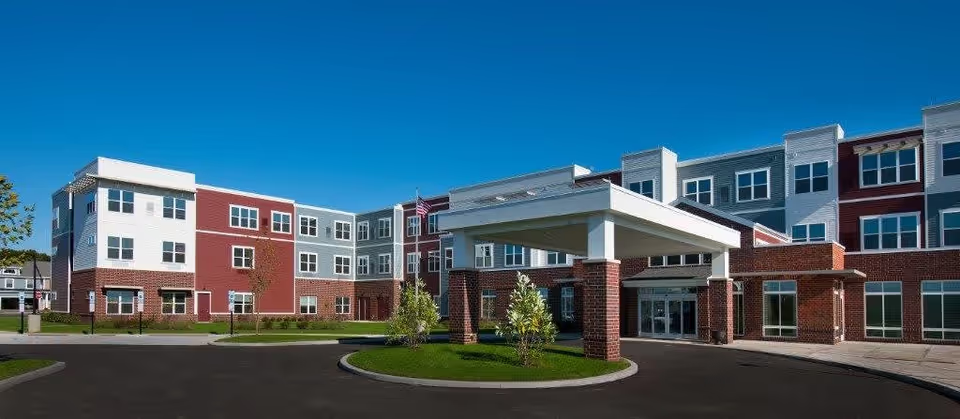
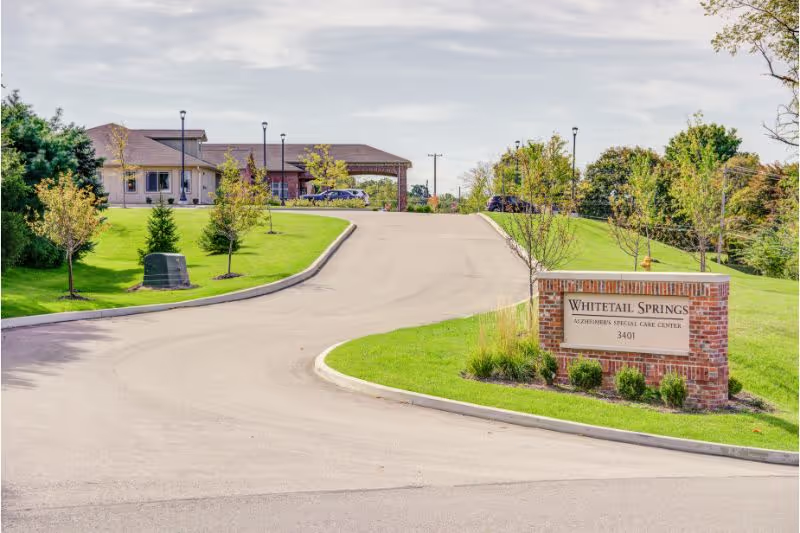
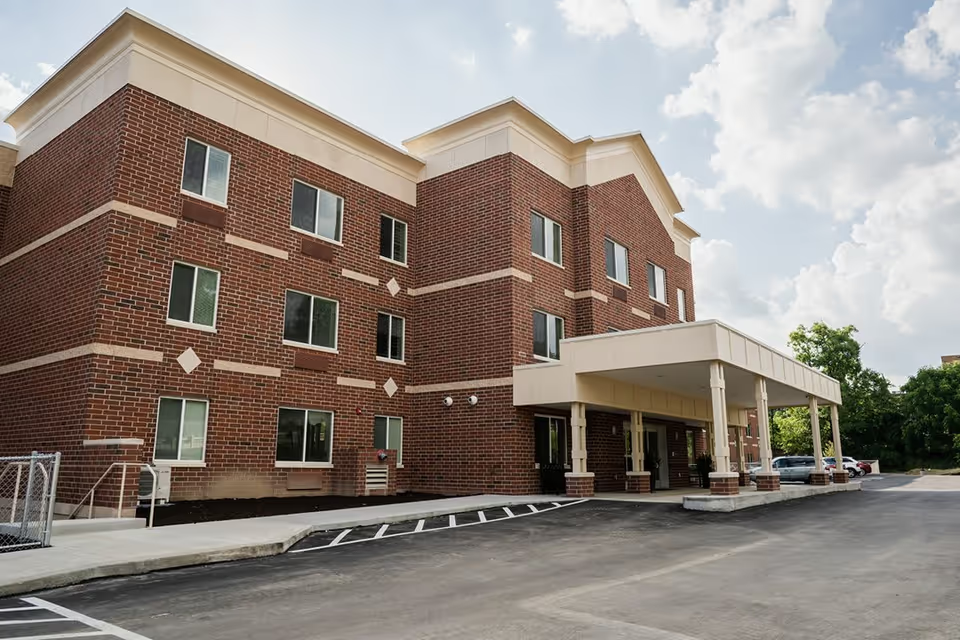
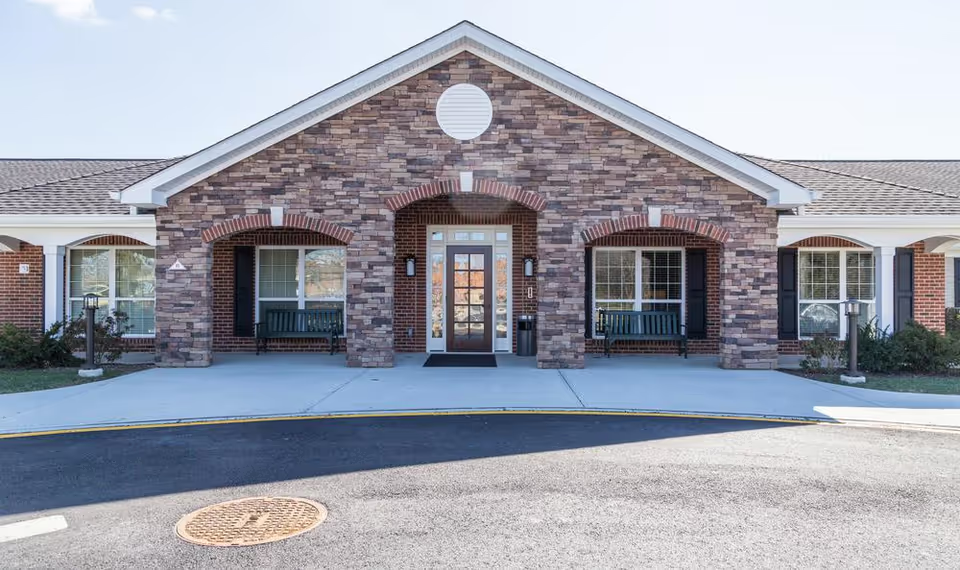
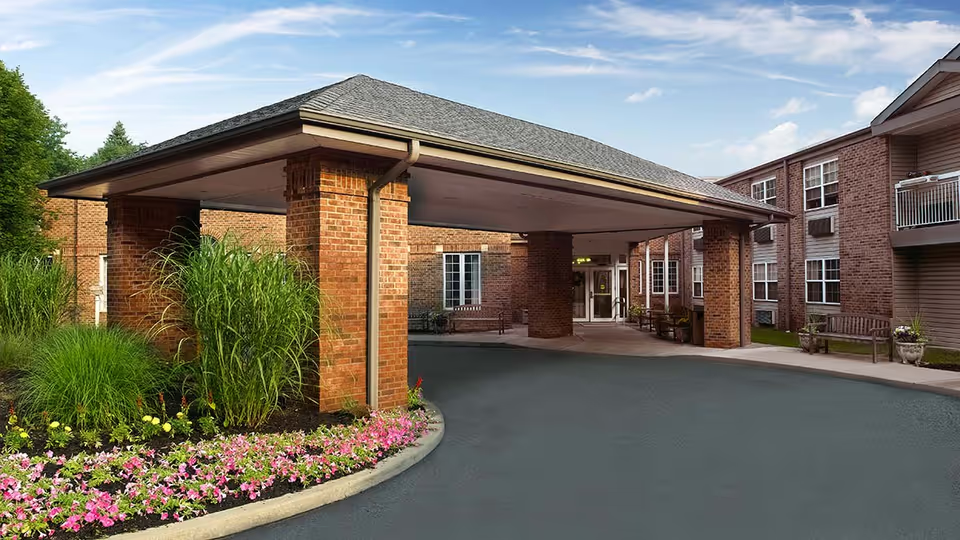
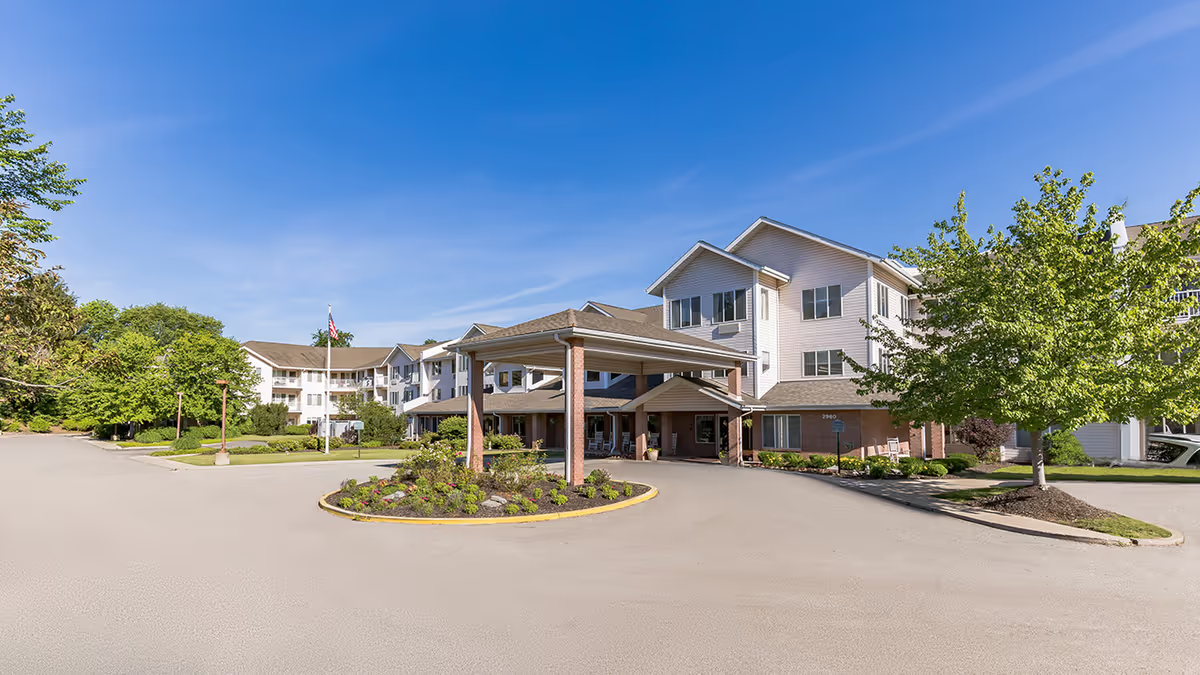
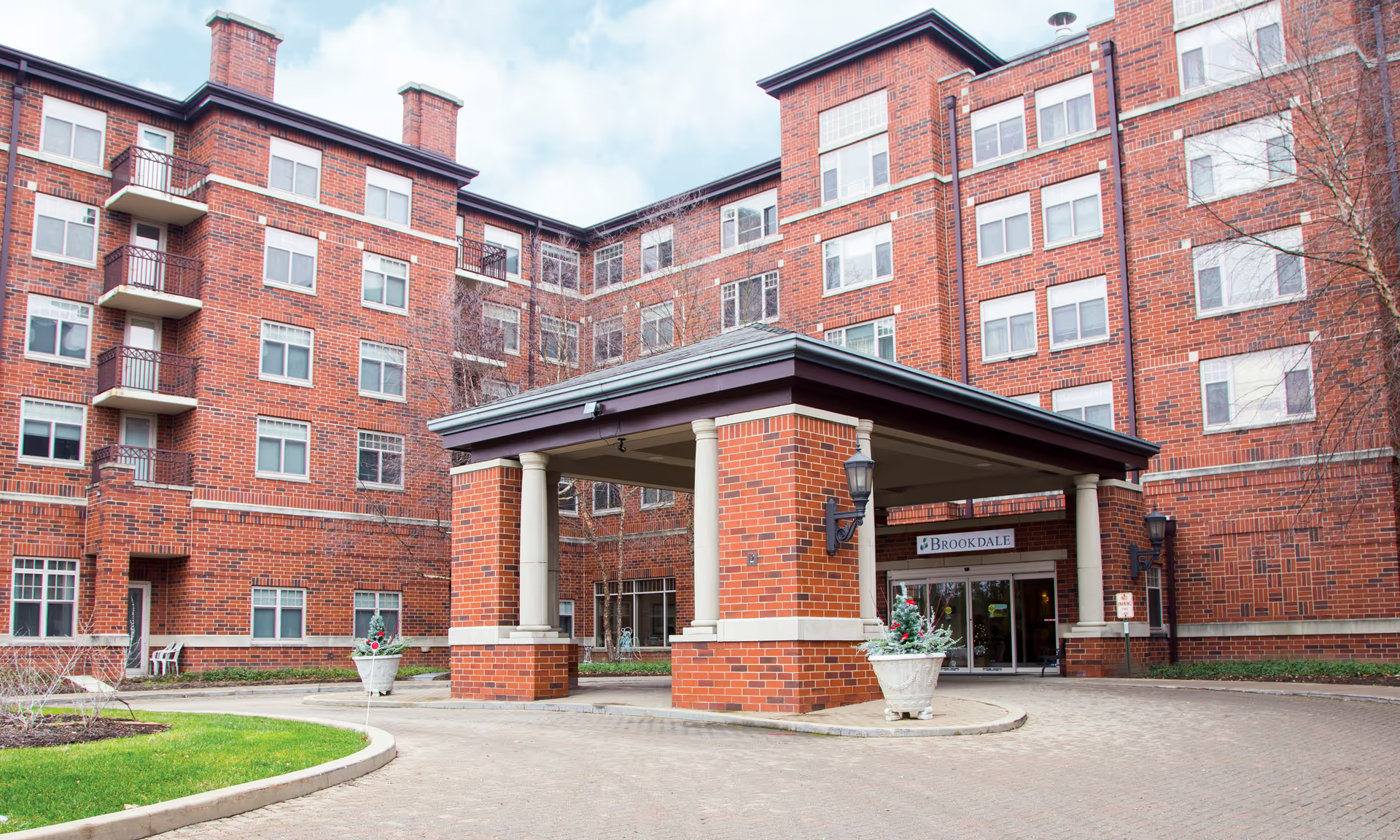
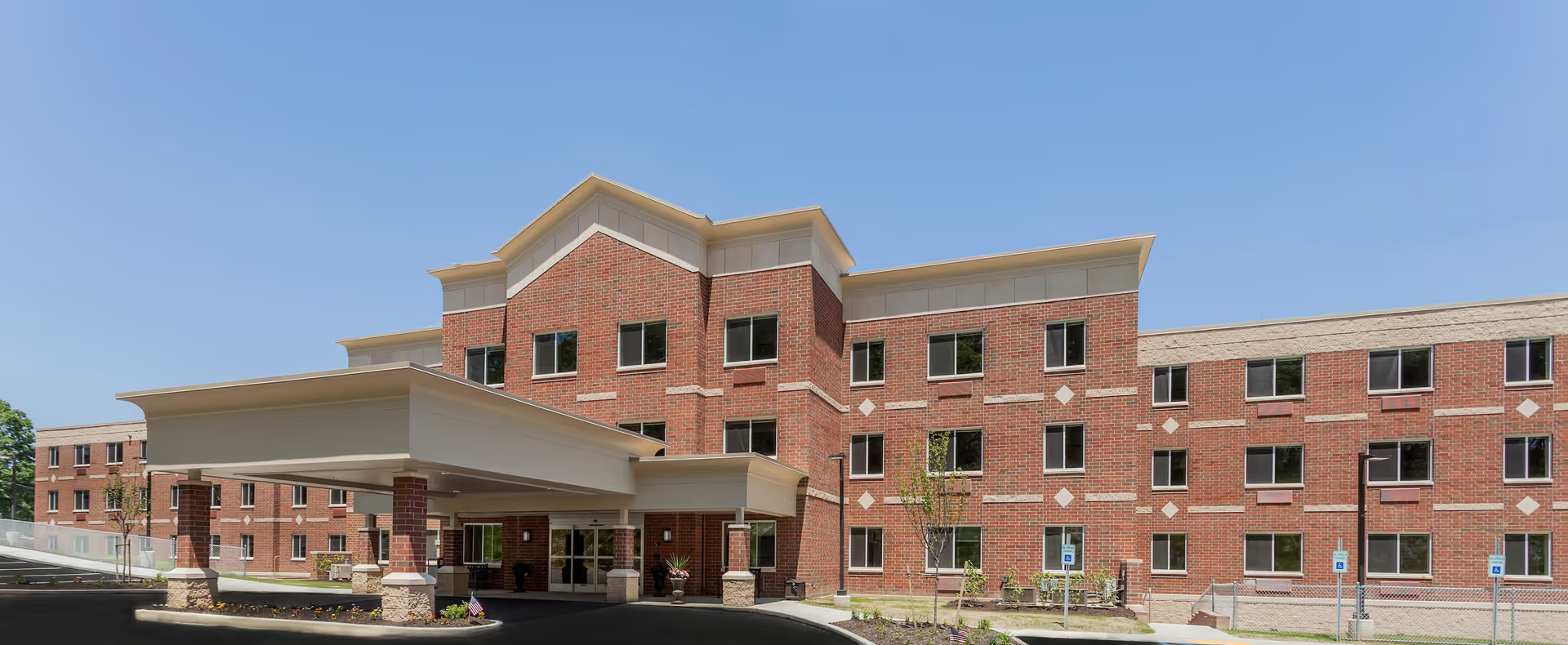
Facilities and maintenance feedback is mixed. The building’s layout, natural light and large common spaces receive positive remarks, and outdoor areas and neighborhood setting are considered pleasant. Nevertheless, the property shows signs of aging in parts of the interior and exterior; some reviewers noted areas in need of renovation, painting, or cleaning touch-ups. Public-bathroom sanitation and housekeeping consistency were flagged by some families, indicating variability in environmental services performance.
Management, communication and administrative processes show variability. Several families report helpful, responsive directors and efficient accounting or insurance assistance; others experienced unreturned calls, unclear billing adjustments, surprise medication fees, and difficulty obtaining timely answers about care changes. Related operational weaknesses include gaps in personal-property controls and inventory procedures, and occasional problems coordinating discharges or transfers to higher-level care. Memory-care expertise also varies by unit — prospective residents with dementia-related needs should confirm staff training and unit practices.
Notable patterns for prospective families: Overlook Green can offer strong social programming, accessible spaces, therapy services and compassionate frontline staff, and for many residents it provides a comfortable, engaging environment. However, operational issues — particularly staffing consistency, call-response times, clinical-reassessment practices, property safeguards and billing transparency — recur often enough that they warrant direct questions during touring and contracting. Recommended inquiries include current staffing ratios by shift, recent changes in clinical oversight, medication-fee policies, personal-property procedures, fall-prevention and transfer protocols, and documentation of memory-care training. These checks will help families weigh the facility’s social and therapeutic strengths against the operational risks described in reviews.