The available reviews portray a facility with markedly mixed performance: several families describe attentive, skilled clinicians and good rehabilitation outcomes, while other accounts raise recurring operational and clinical concerns. Strengths commonly cited include personable front-line staff, compassionate RNs and therapists, generally well-received meal service, roomy accommodations, and practical mobility supports. These positives suggest the facility can provide effective short-term rehabilitation and a welcoming social environment for some residents.
Care quality appears uneven. Many families praised individual nurses and therapists for competent, empathetic care and effective therapy programming; however, persistent concerns relate to staffing levels, delayed routine rounding, and slow call-light responses. These operational gaps are tied to incontinence-care delays, inconsistent assistance with activities of daily living, and several reports of medication-administration errors or lapses in medication handling. Reviewers also described instances where clinical issues required escalation; such accounts point to gaps in clinical monitoring and timely transfer protocols in some situations.
Staffing and management present a mixed picture. Reviewers frequently noted friendly, helpful receptionists and certain caregivers who are conscientious and communicative. At the same time, patterns of chronic understaffing, perceived inadequate training, and unprofessional conduct (for example, distraction with personal devices or inconsistent bedside practices) were mentioned. Communication between families and administration is another recurrent theme: some families reported responsive social-work and coordinated transitions, while others experienced dismissive responses, billing disputes, or poor communication about clinical events.
Dining and activities receive generally positive remarks, with many residents enjoying the food and staff accommodating missed meals. Recreational offerings such as puzzles, books, and group activities were noted as available, though therapy access can be limited by scheduling (weekdays only) or staffing constraints. Several reviewers reported variability in portioning, menu satisfaction, and the adequacy of beverage or snack availability.
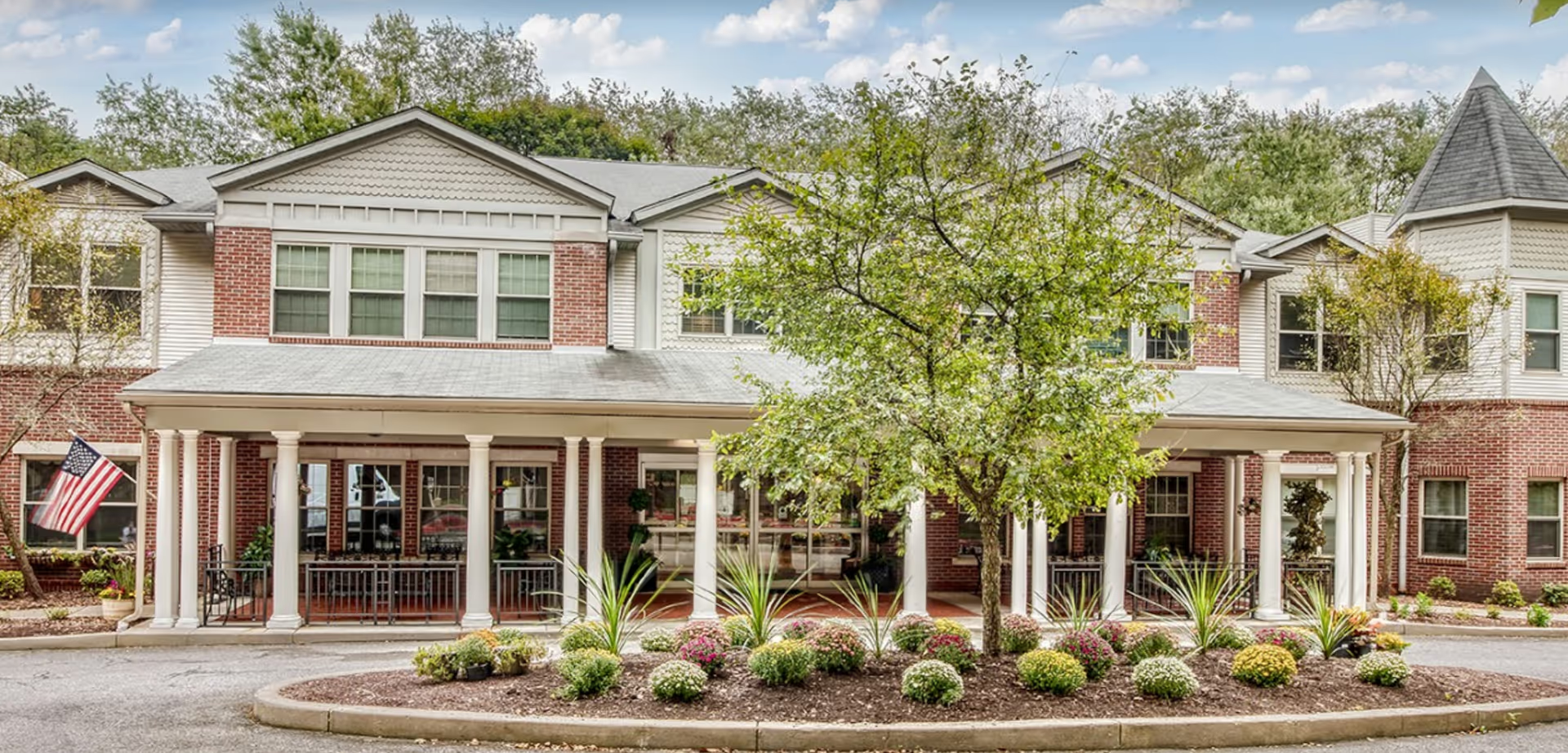
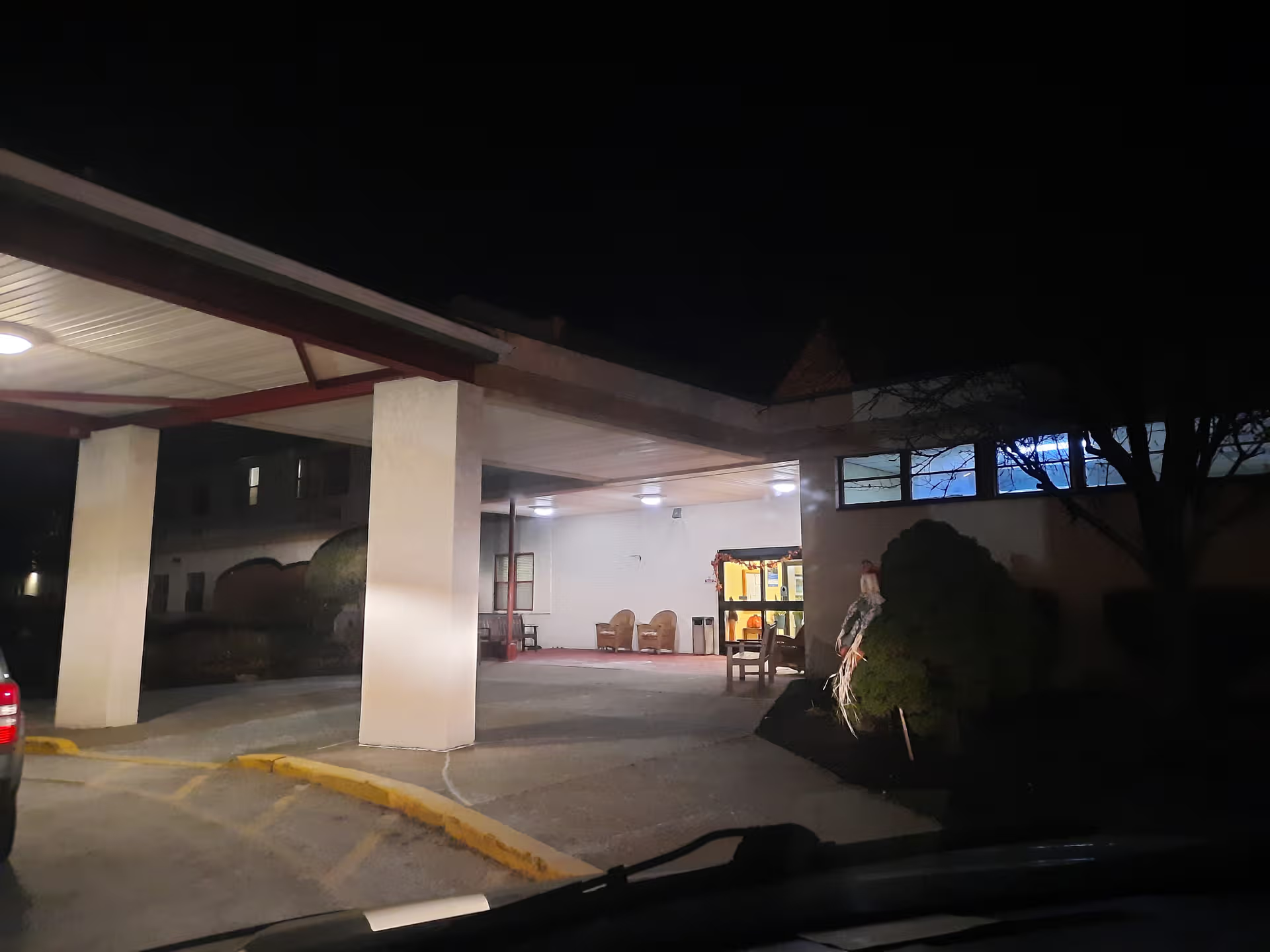
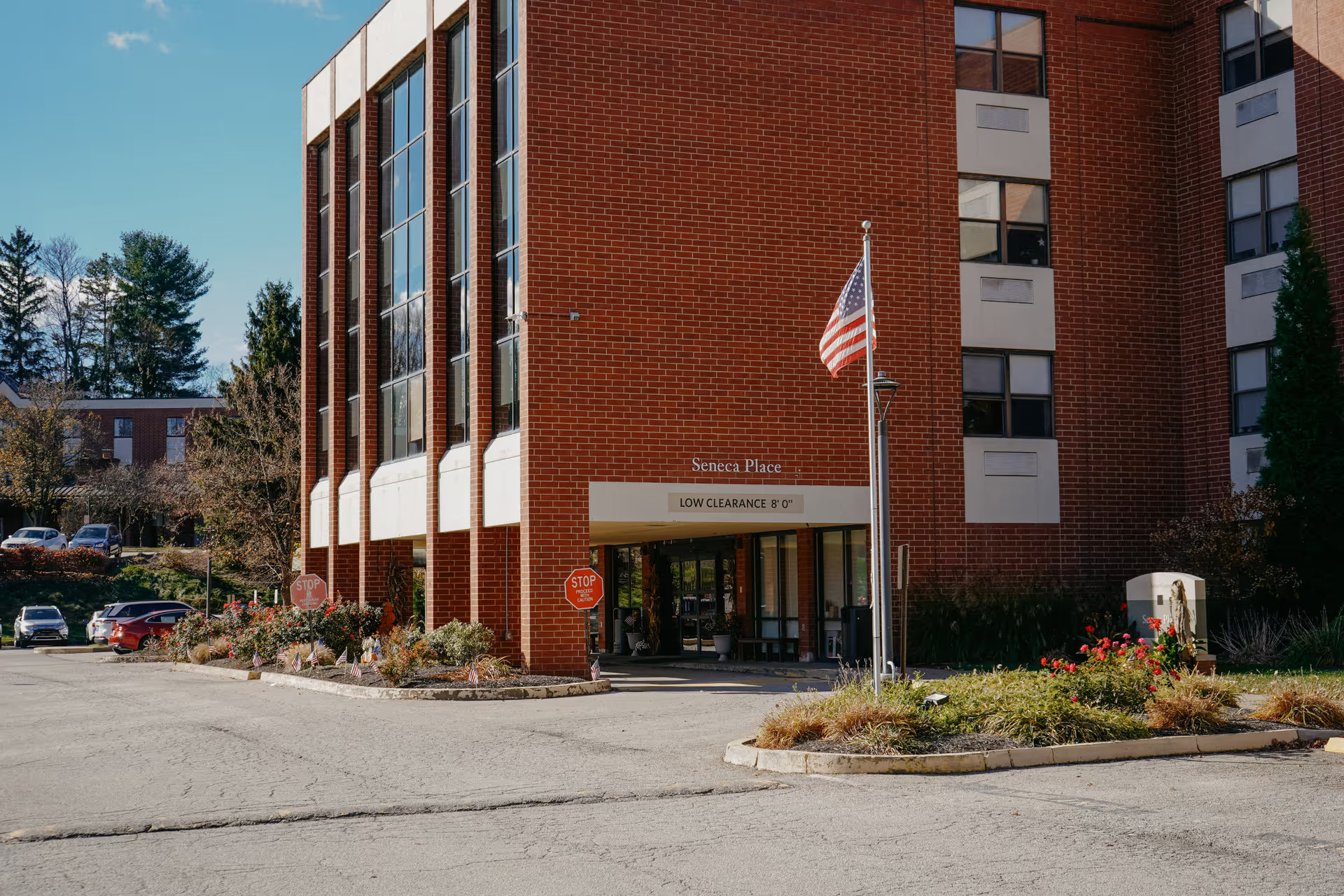
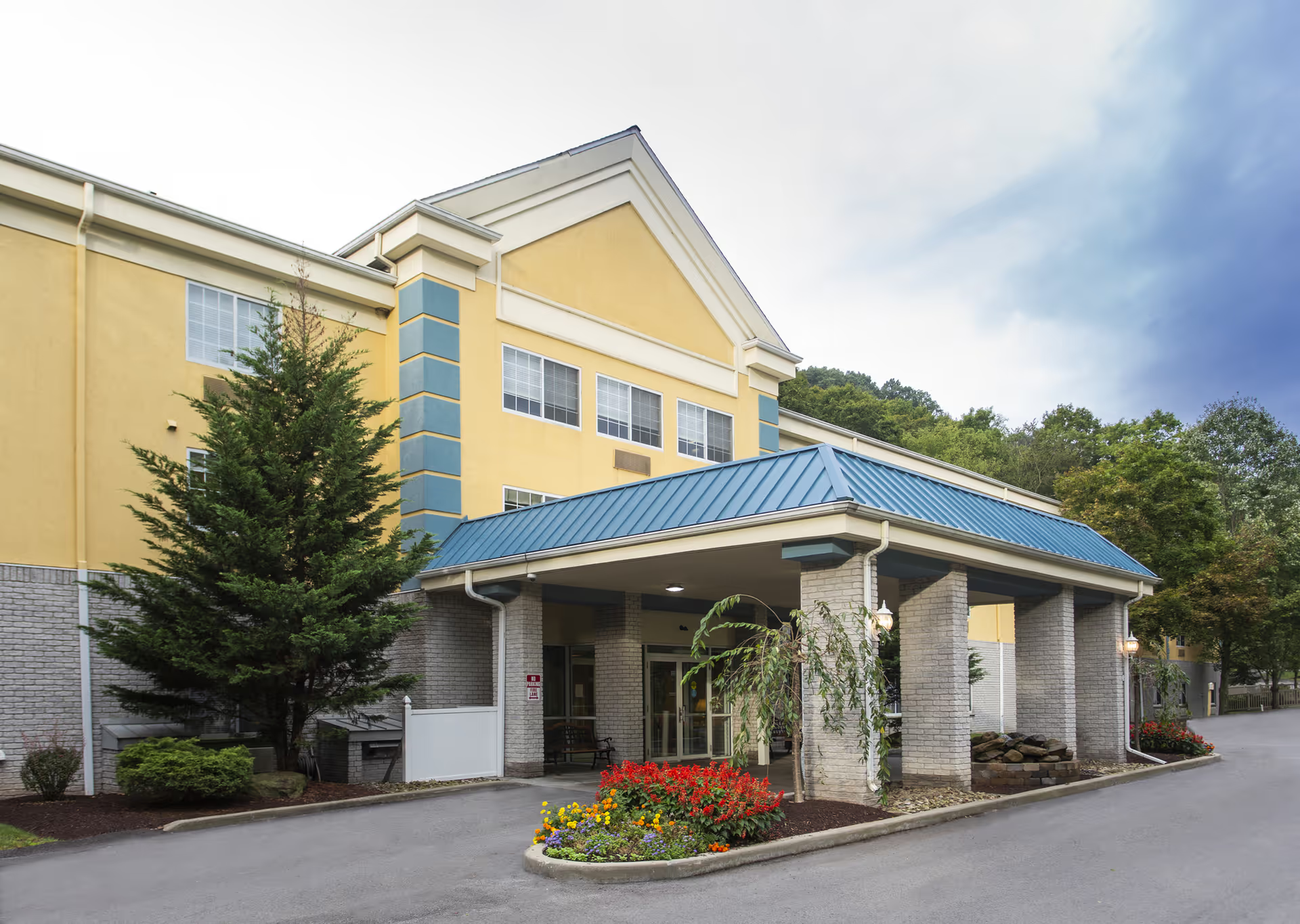
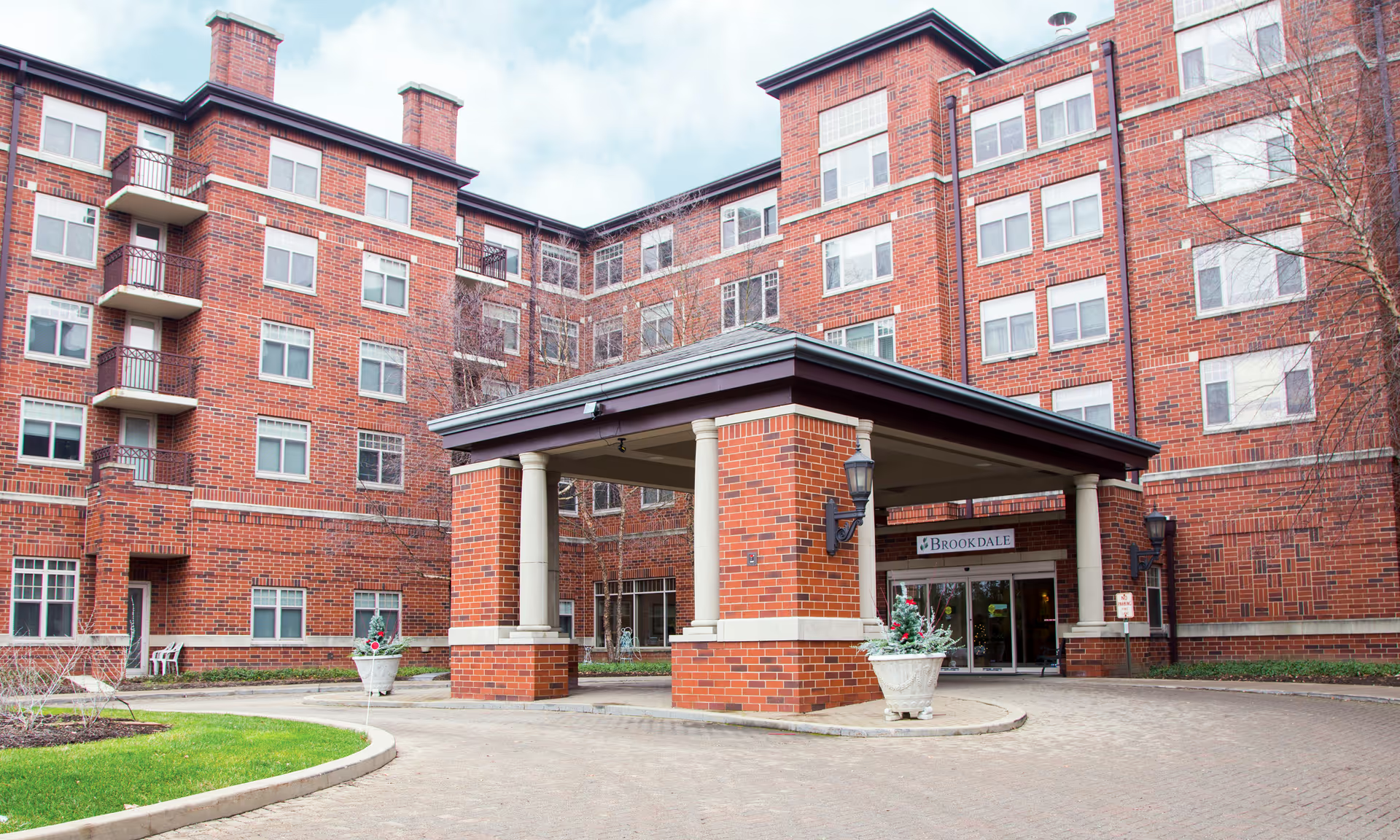
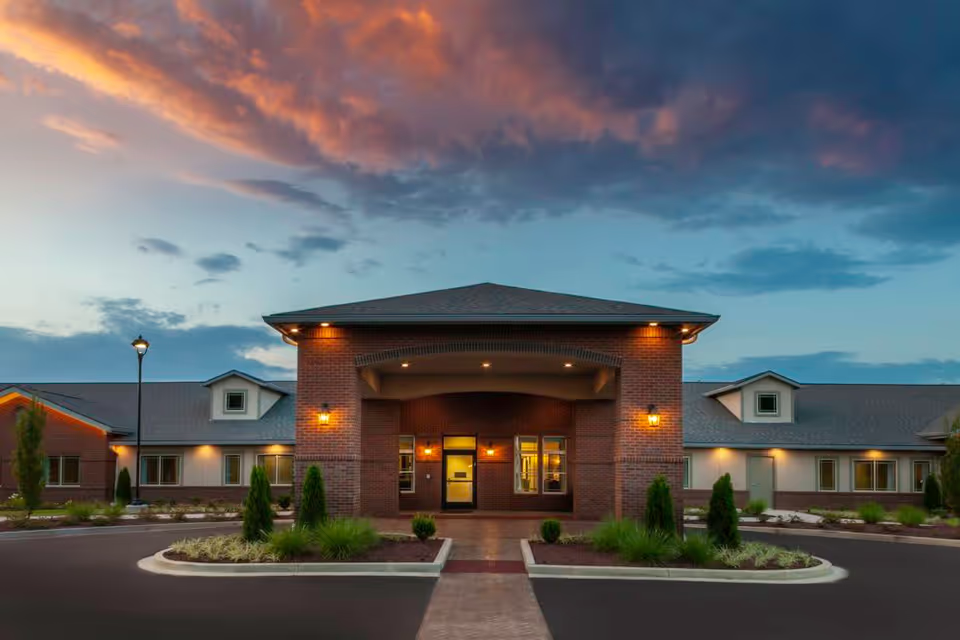
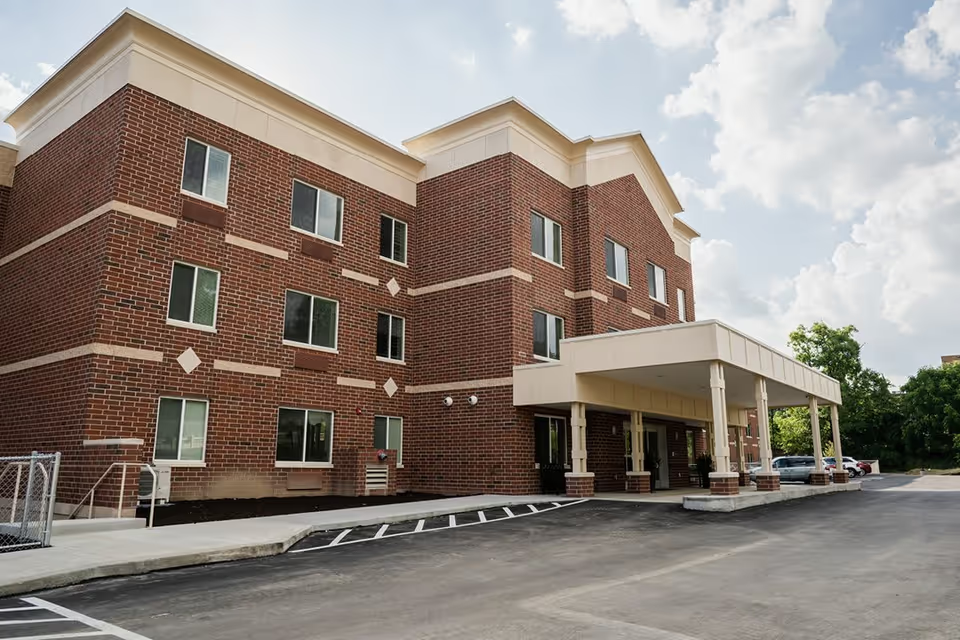
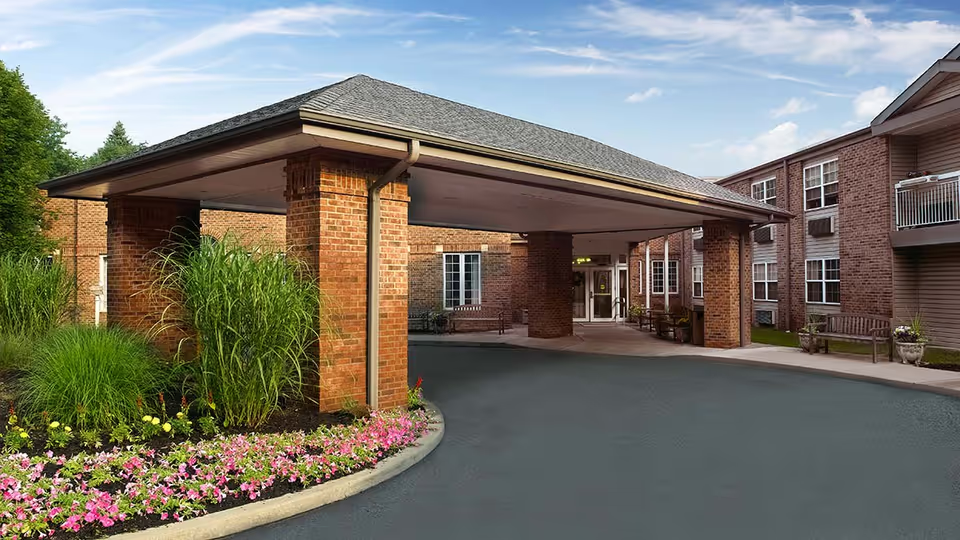
Facility condition and maintenance reflect both strengths and weaknesses. The building layout, outdoor porch area, accessible parking, and some mobility accommodations are viewed positively. Conversely, reviewers reported aging infrastructure and deferred maintenance issues — for example, concerns with elevators, heating/ventilation, laundry turnaround, and room-level repairs. Sanitation and odor concerns in common areas and rooms were recurrent, indicating inconsistent housekeeping and pest-control oversight in certain units.
Notable patterns to consider: experiences appear highly variable by unit, shift, and individual staff members. Positive experiences often emphasize attentive clinicians, good therapy outcomes, and effective social-work coordination; negative experiences cluster around staffing shortages, inconsistent housekeeping, medication and clinical-monitoring lapses, and weak family communication. A small number of reviews raise serious concerns about clinical incidents and regulatory matters; prospective families should treat those as triggers for further inquiry.
Recommendations for prospective families: perform an in-person visit across multiple shifts, ask for current staffing ratios and recent inspection reports, review medication-administration policies, clarify housekeeping schedules and infection-control practices, and request a list of available therapy hours and activities. If clinical needs are high (complex medication regimens, frequent transfers, or advanced wound care), confirm clinical protocols and escalation pathways before placement. These steps can help assess whether the facility’s strengths align with an individual resident’s needs and whether the operational weaknesses are being actively addressed by leadership.