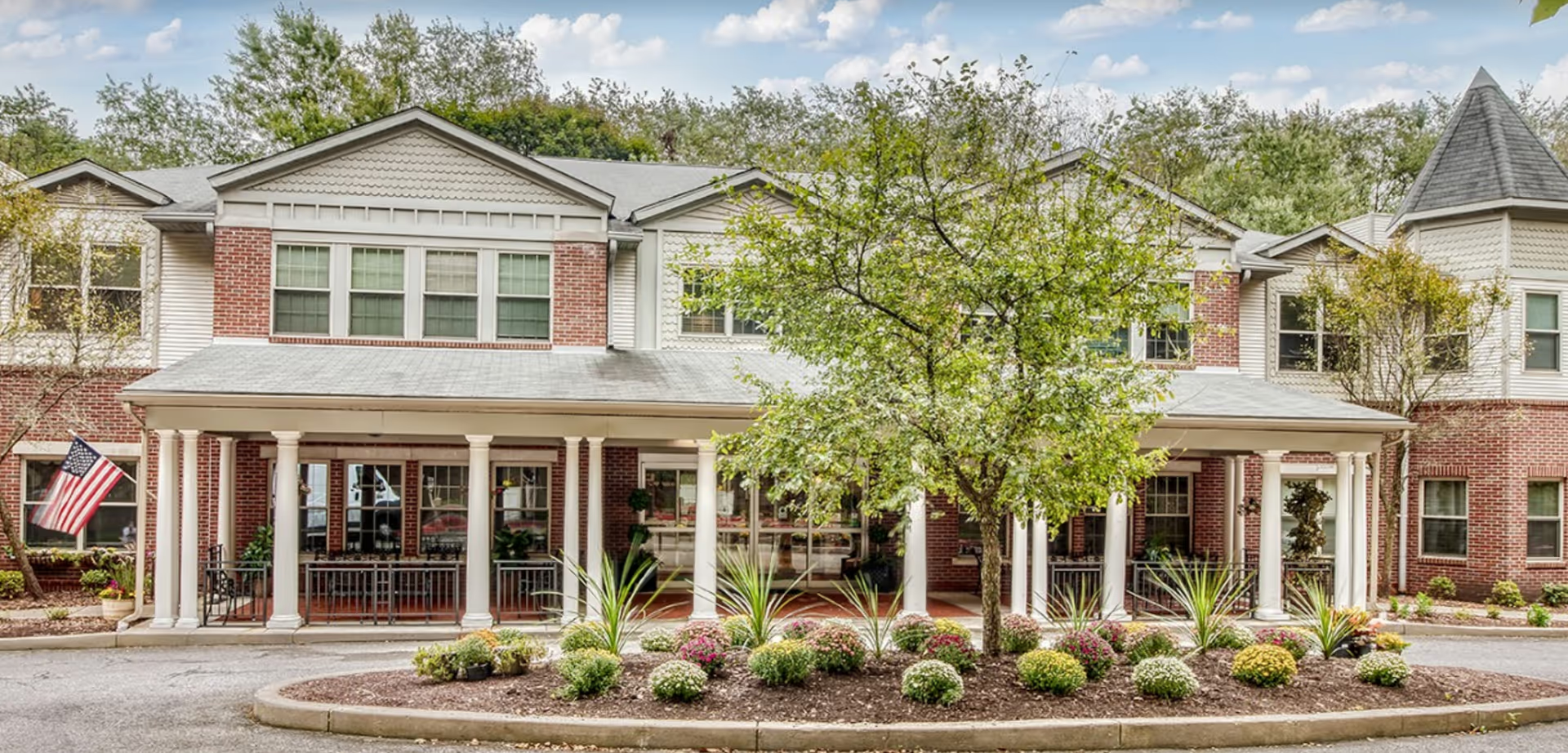
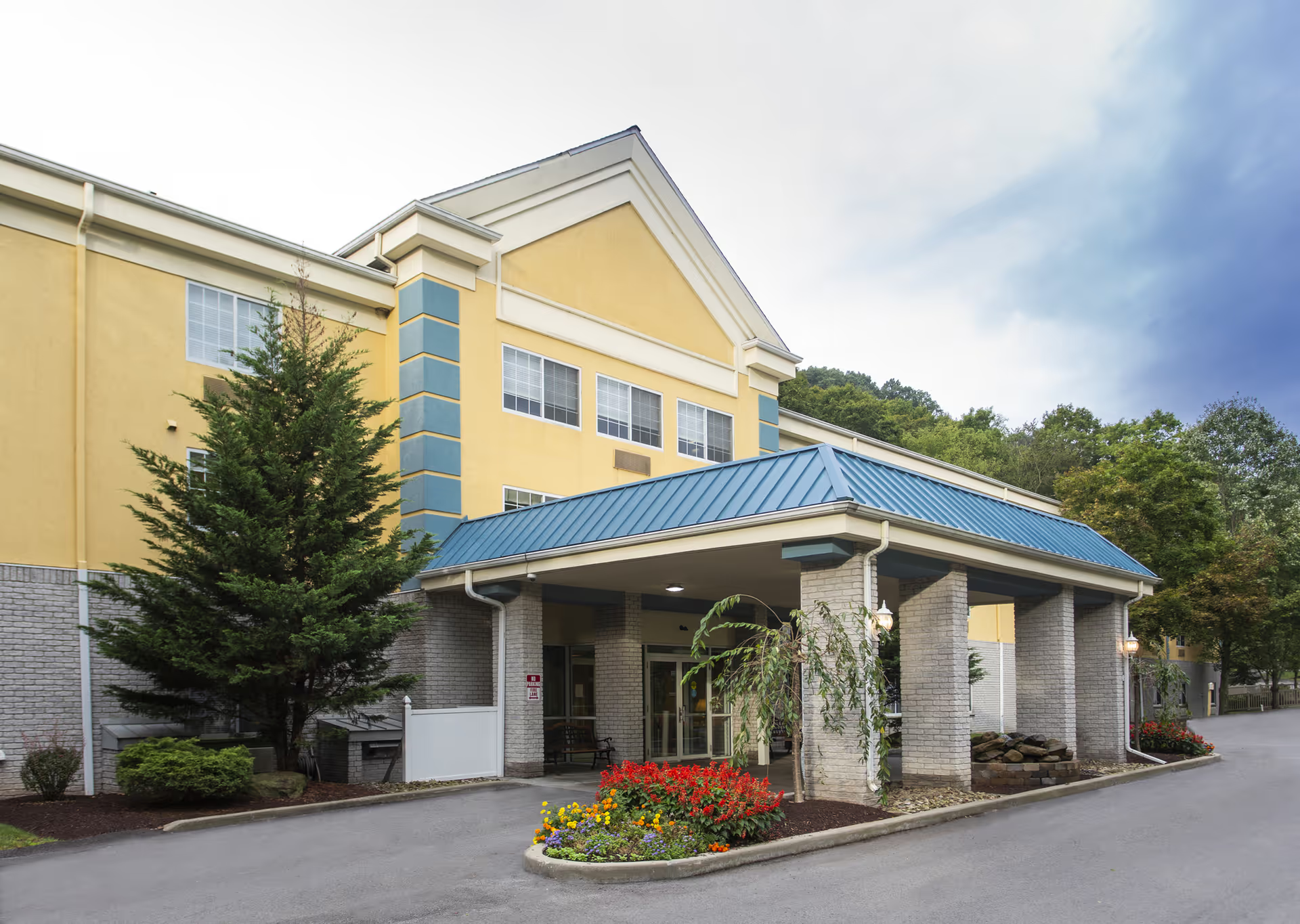
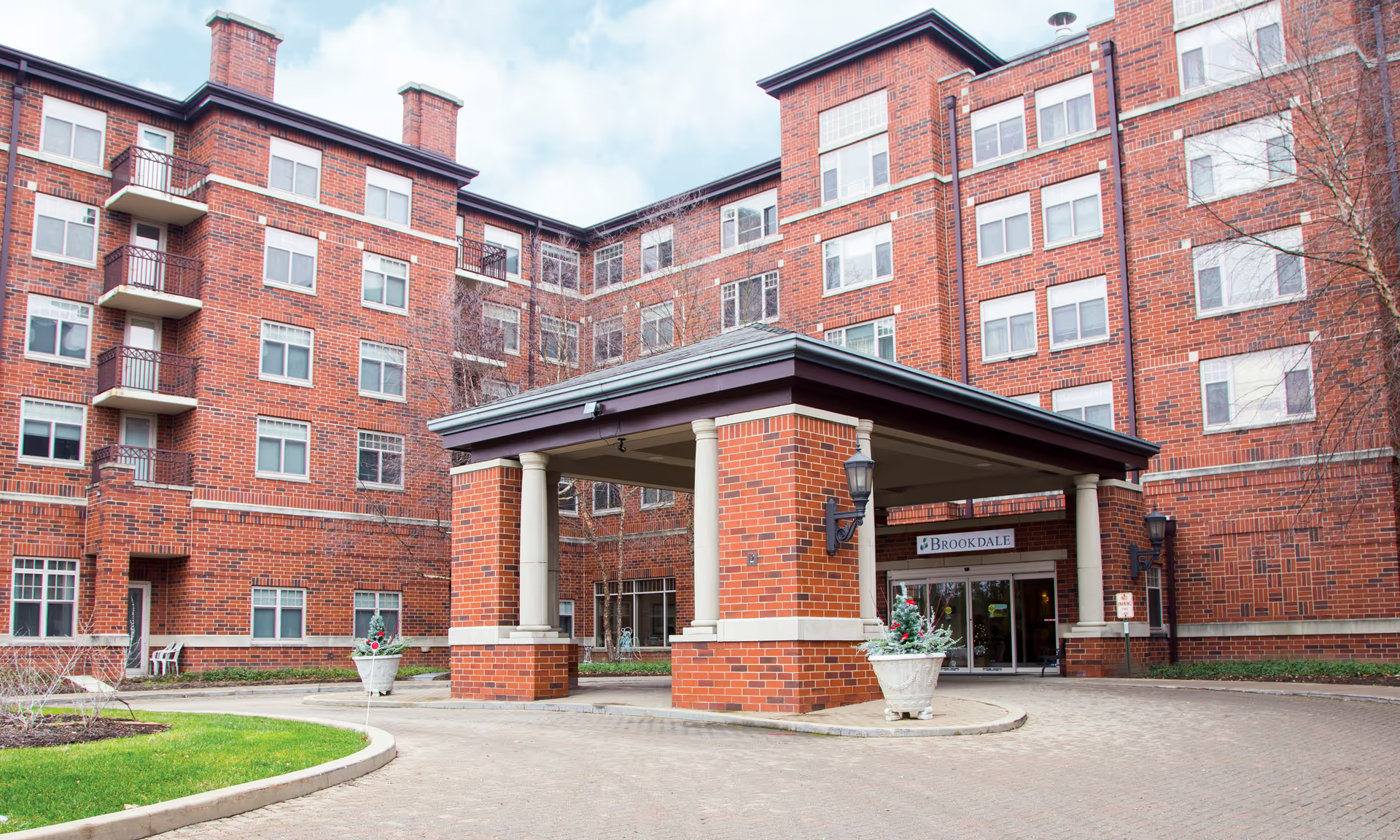
Vincentian Schenley Gardens elicits a wide range of family experiences. Many reviewers describe strengths that are commonly associated with higher-end continuing-care communities: a visible nursing presence, an active rehabilitative program (including a pool and weight room), renovated and spacious apartments, restaurant-style dining, and a robust roster of activities including intergenerational programming. Several accounts specifically praise admissions staff, select managers, and an engaged activities director; these elements contribute to a sense of community and purpose for residents who thrive on social programming and therapeutic services.
Care quality and staff conduct present a mixed picture. Nursing staff and licensed clinicians are frequently described as professional and caring, and 24-hour nursing and medication administration are available. At the same time, a recurring operational pattern concerns aide-level staffing: reviewers cite inconsistent staffing levels, variable training, slow response to requests, and occasional unsafe transfer or toileting assistance. Medication-administration delays and missed doses are mentioned enough times to suggest process gaps rather than isolated incidents. Families considering the community should ask specific questions about staffing ratios, aide training, and medication-audit procedures.
Dining, amenities, and physical plant are generally viewed as positives with caveats. Many residents appreciate the renovated common areas, spacious units with kitchenettes, salon, gym, courtyard, indoor parking, and included services such as laundry and cable/internet. The rehabilitation department and therapy pool receive strong praise. Dining is often called adequate to very good, with restaurant-style service on some floors; however, inconsistent food quality, temperature control, and meal-delivery continuity are recurring concerns. Maintenance responsiveness varies across reports: some describe timely fixes and responsive managers, while others report slow repairs and deferred upkeep of outdoor and courtyard areas.
Activities and programming are a notable strength for many families. The community offers frequent outings, classes, and special projects (including a life-memoir program and formal intergenerational partnerships with students). These offerings support an engaged social environment. For residents with memory-care needs, however, reviewers indicate that programming can be limited or inadequately specialized, and staffing in secured memory units appears more likely to be stretched. Prospective residents requiring dementia-focused care should confirm the scope, staffing, and curriculum of memory-specific activities.
Administrative practices show both responsiveness and inconsistency. Several reviewers praise individual staff members and leadership for timely problem resolution and family communication. Conversely, others describe poor move-in coordination, uneven follow-up, and gaps in communication between shifts or departments. There are also serious operational allegations in some accounts — including theft and questions about charge practices and regulatory matters — that warrant direct inquiry during a tour and review of contracts, billing practices, and incident logs.
Overall, Vincentian Schenley Gardens may be a good fit for people who prioritize rehabilitation services, renovated living space, active programming, and a community-oriented, nonprofit culture. The most commonly cited operational risks are staffing variability at the aide level, medication- and housekeeping-process inconsistencies, and some areas of facility maintenance or sanitation concern. When evaluating this community, prospective residents and families should tour at different times of day, ask for current staffing ratios, review medication-administration protocols, request examples of memory-care programming, inquire about theft-prevention and billing transparency, and confirm maintenance and housekeeping schedules to see whether the facility’s strengths align with their needs.