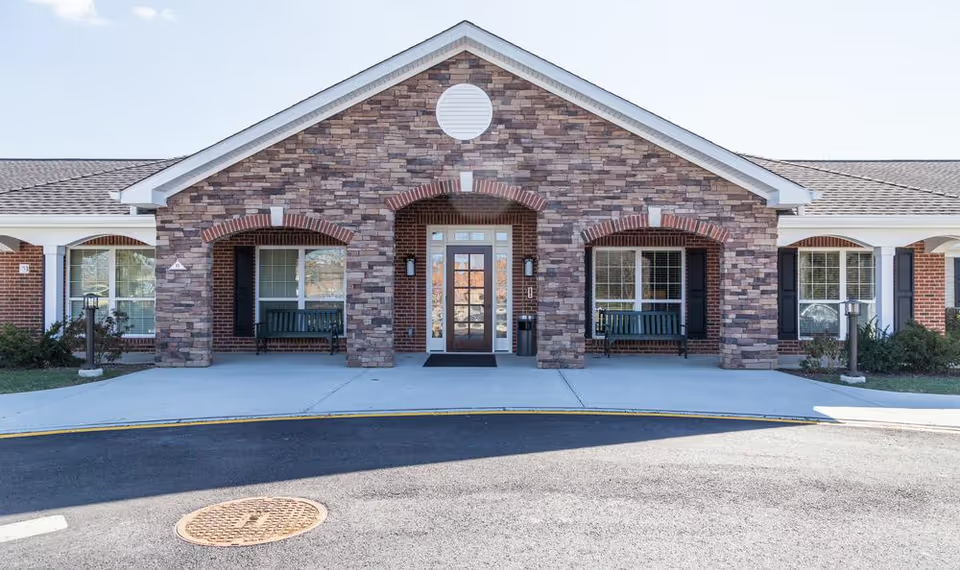
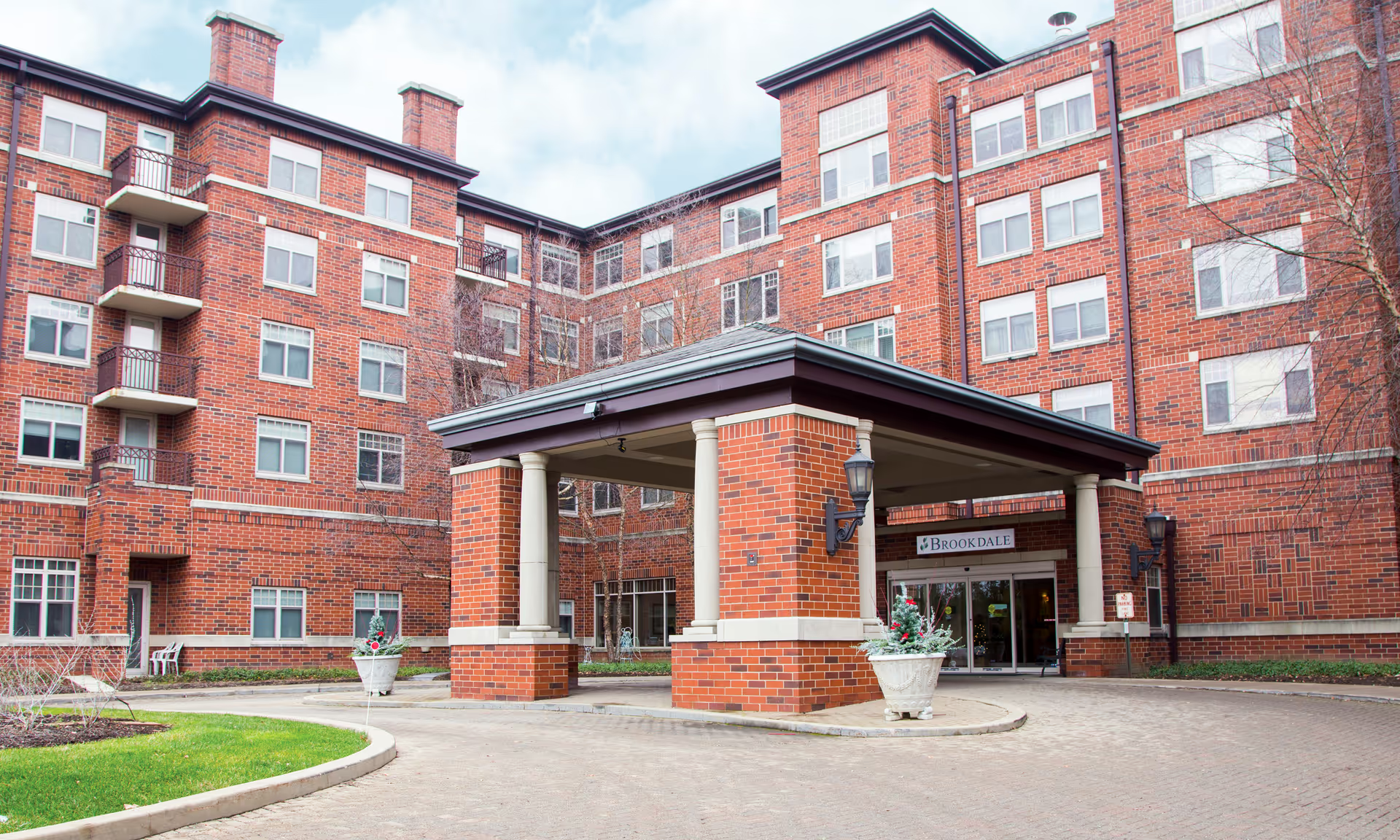
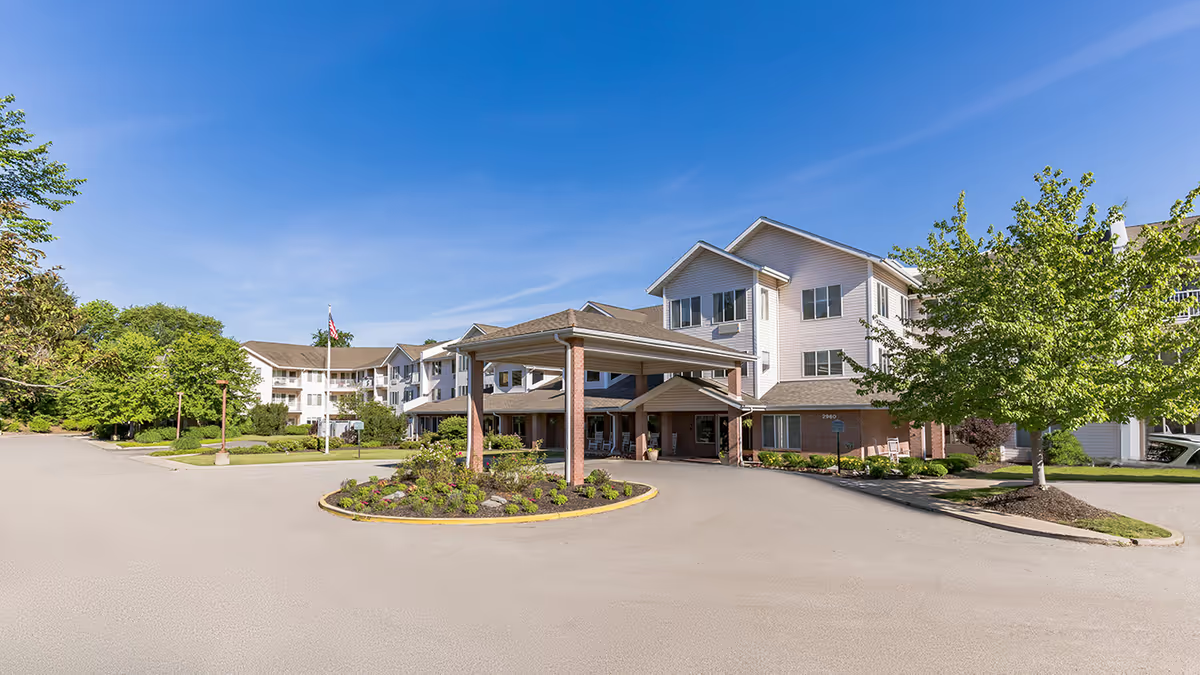
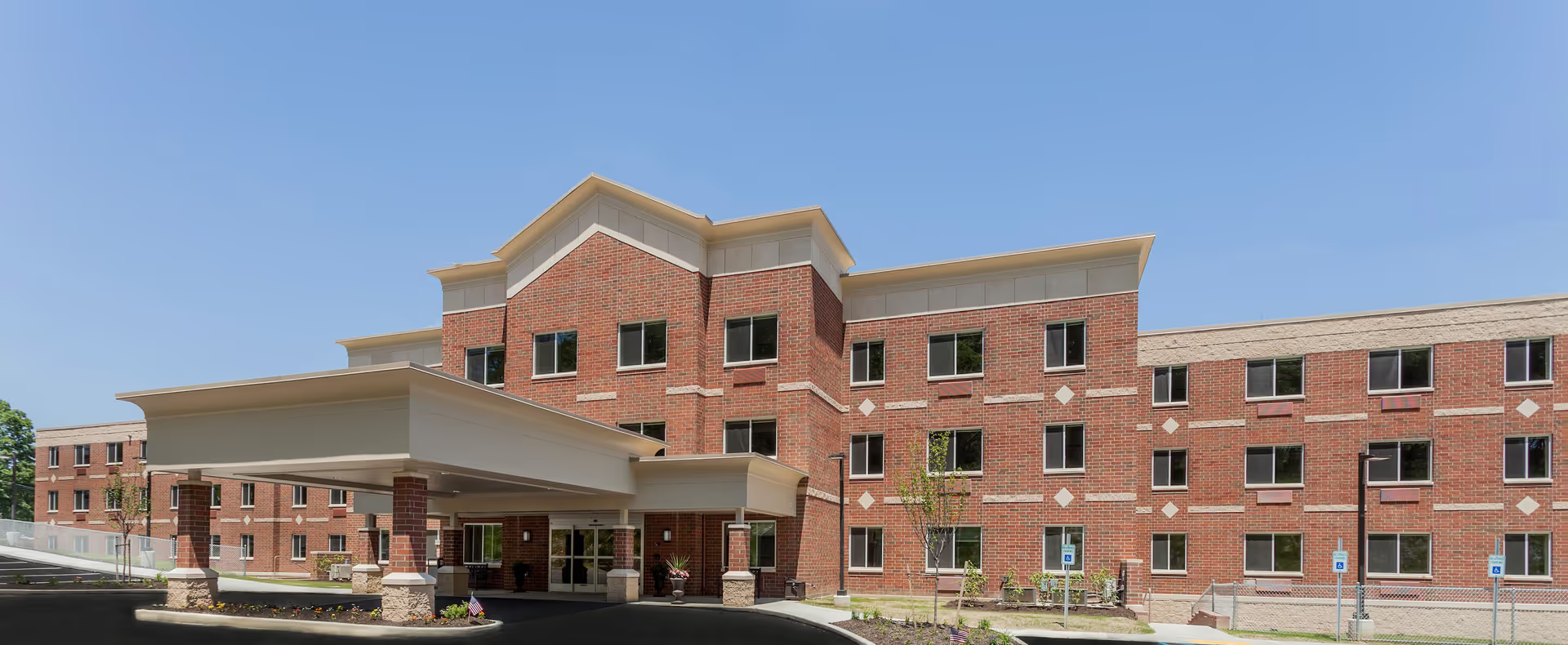
Whitehall Borough Post Acute presents a mixed profile. Its therapy departments—physical, occupational, and speech—receive consistent praise for clinical skill and measurable functional gains; many families singled out therapists and rapid rehab progress as a central strength. The facility also has on-site medical and wound-care resources, a well-equipped gym and OT room, and several accounts of coordinated off-site appointment management and effective transportation. Admissions and some administrative staff are described as helpful and communicative, and many reviewers noted clean, sunny rooms and routine housekeeping.
Care quality is uneven. While some nurses and aides are described as compassionate and capable, numerous accounts indicate inconsistent nursing coverage and variable professionalism. Reviewers described long waits for assistance, missed or delayed medications, and imperfect handoffs at discharge. These operational issues have contributed to transfers back to hospital care in some cases and have negatively affected family trust. Families should expect variability in bedside responsiveness and should confirm medication reconciliation and discharge arrangements directly.
Infection prevention and basic hygiene practices were frequent areas of concern. Multiple accounts cite lapses in PPE use, delayed testing or isolation for infectious conditions, and other infection-control gaps. There are also recurring sanitation and environmental maintenance concerns cited for certain units (including mold and pest-control concerns in some reports) that warrant direct inquiry during a tour. Given these patterns, prospective residents with acute infection risk or highly fragile skin/wound needs should verify current infection-prevention protocols and oversight.
Dining and activities are inconsistent. Several families praised flavorful, well-presented meals and accommodating dietary staff, and others described poor temperature control, undercooked or cold meals, and failure to honor dietary requests. Activity programming is present and engaging at times, but reviewers frequently noted limited weekend programming and uneven scheduling. Prospective families should review the current activity calendar and meal-service procedures if these services are important to recovery or quality of life.
Safety and operational administration show mixed performance. There are multiple indications of understaffing (including thin overnight coverage), reliance on agency staff, and communication gaps between clinical teams and families. Reported problems include delayed responses to call bells, inconsistent fall-prevention and transfer practices, and examples of poor documentation or coordination around incidents and billing. There are also serious, individual allegations concerning financial mishandling and property issues; these warrant specific questions and verification during the decision process.
Overall, the facility demonstrates clear strengths in rehabilitation and several strong individual caregivers, but also exhibits operational variability that can affect clinical safety and family confidence. Prospective residents and families should weigh the strong therapy capabilities and on-site medical services against the documented inconsistencies in staffing, infection prevention, medication management, and environmental maintenance. When considering this facility, ask for up-to-date staffing ratios, infection-control policies, medication-reconciliation procedures, activity schedules, and specific assurances about discharge coordination and property/billing practices; frequent in-person check-ins and clear communication plans with staff can help mitigate the variability described by reviewers.