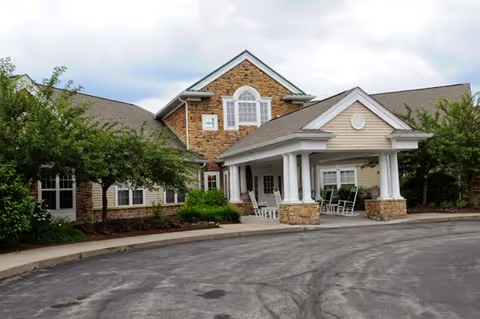
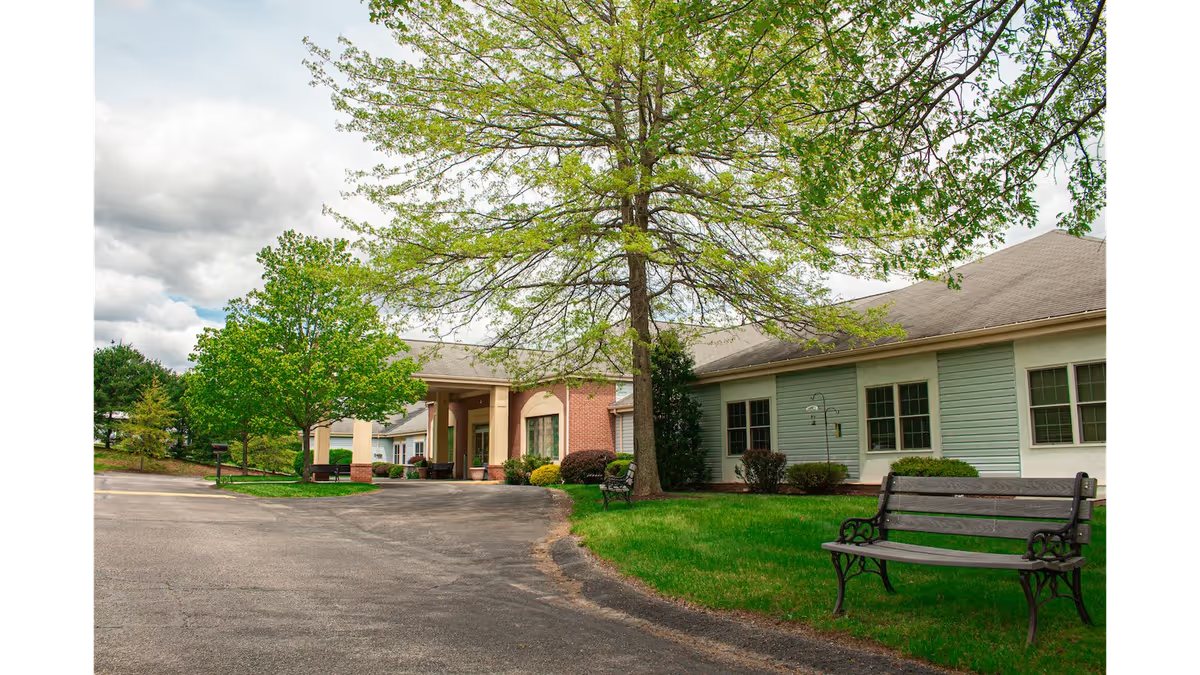
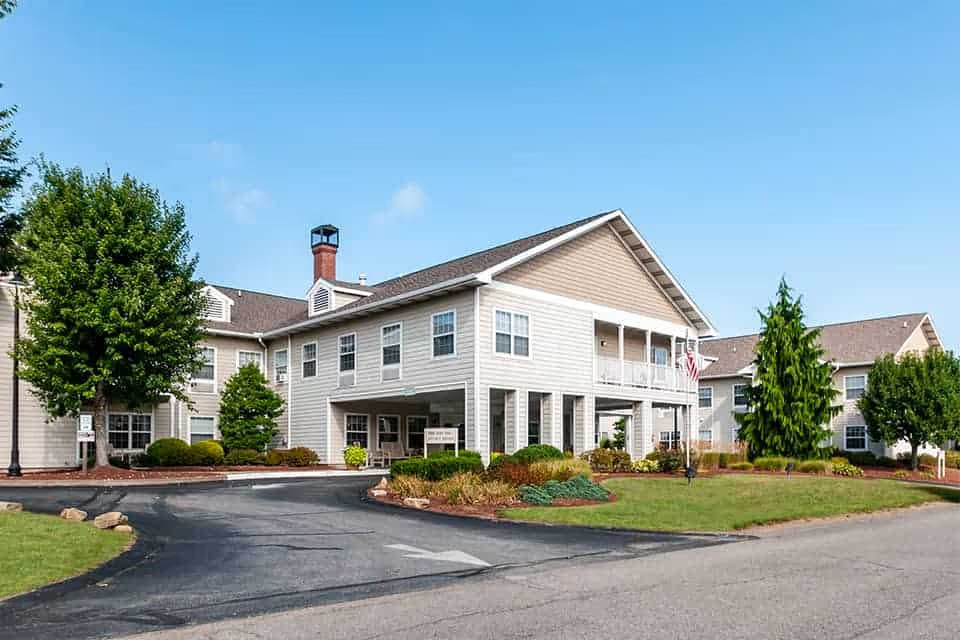
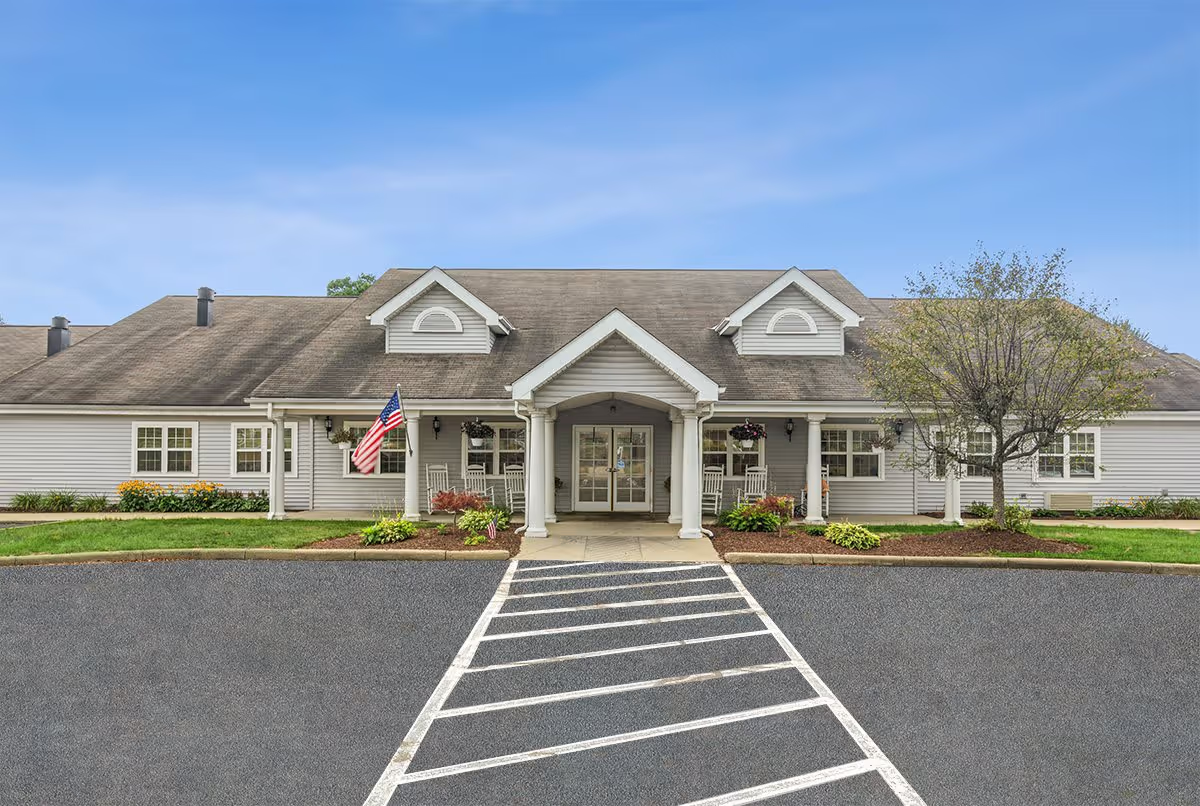
Adult Living at Rosebrook elicits mixed but specific feedback. Many reviewers praise the physical environment: the building and rooms are described as newer and updated, with private rooms that include en-suite bathrooms and comfortable, home-like common spaces. Outdoor porches, balconies, seating areas, a small library and salon, in-room TVs, and occasional animal visits contribute to a residential atmosphere. On-site services such as laundry and coordination with visiting physicians and a Concordia Visiting Nurses physical-therapy program are noted as operational strengths that support residents’ daily needs and mobility.
Care and staffing impressions are mixed. Numerous comments highlight friendly, helpful direct-care staff and administrative phone staff, regular nursing check-ins, attentive grooming and room cleanliness, and effective coordination with outside clinicians. At the same time, reviewers describe variability in staffing levels and responsiveness; concerns include delayed responses to resident needs, inconsistent staff professionalism, and instances where families felt care and communication were insufficient during acute events. These issues point to a pattern of staffing and communication inconsistency rather than uniformly poor practice.
Dining and activities receive both positive and critical observations. The facility offers three meals plus a daily snack, dietary accommodations, and a range of activities including bingo, bus outings, and small social programs; many residents and families appreciated meal variety and the activity schedule. However, some reviewers raised concerns about meal portion sufficiency and inconsistent food quality, and there were mentions of supply-management lapses affecting basic items. The activities and outings program and communal spaces are generally considered strengths that support social engagement.
Facility-maintenance and management themes are varied. Some reviewers describe clean, orderly rooms and well-kept common areas, while others cite sanitation or odor concerns in certain spaces and visible stains or clutter that affect the appearance. The decor and country-crafts theme were perceived as cluttered by some families. More serious operational concerns include inconsistent emergency-response coordination and family communication during hospital transfers or acute clinical events, and perceptions among some that financial priorities influence management decisions. Prospective residents should weigh the facility’s strong amenities and clinical coordination against the reported inconsistencies in staffing, responsiveness, and certain maintenance/supply areas.
In summary, Adult Living at Rosebrook offers many features typical of a comfortable assisted-living community—updated private rooms, engaging amenities, activity programming, and links to visiting clinical services—paired with a staff base that several families find friendly and supportive. The principal areas to evaluate further during a visit are staffing patterns and responsiveness, meal adequacy, shared-room bathroom sizing if applicable, supply-management practices, and observable cleanliness/odor in communal areas. Asking specific questions about staffing ratios, emergency procedures and communication protocols, recent sanitation audits, and how dietary needs and supply issues are handled will help families determine whether the facility’s strengths align with their expectations and care requirements.