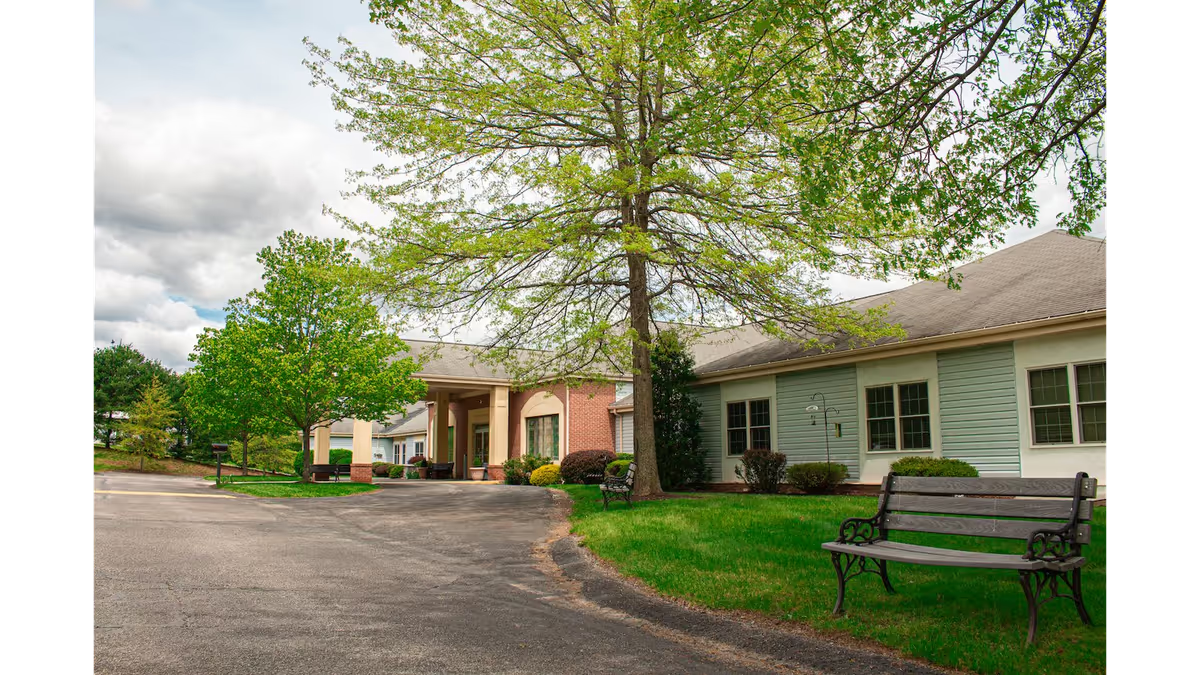
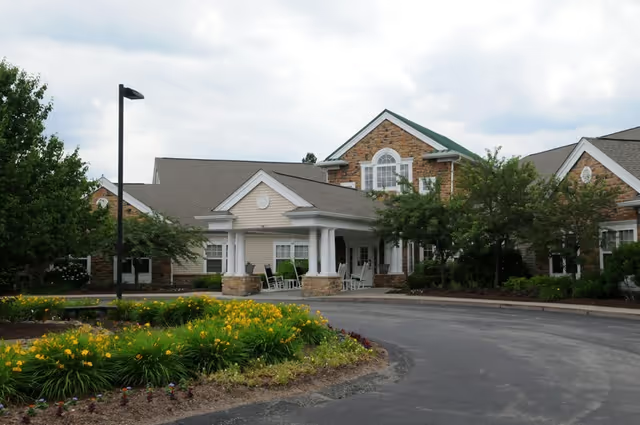
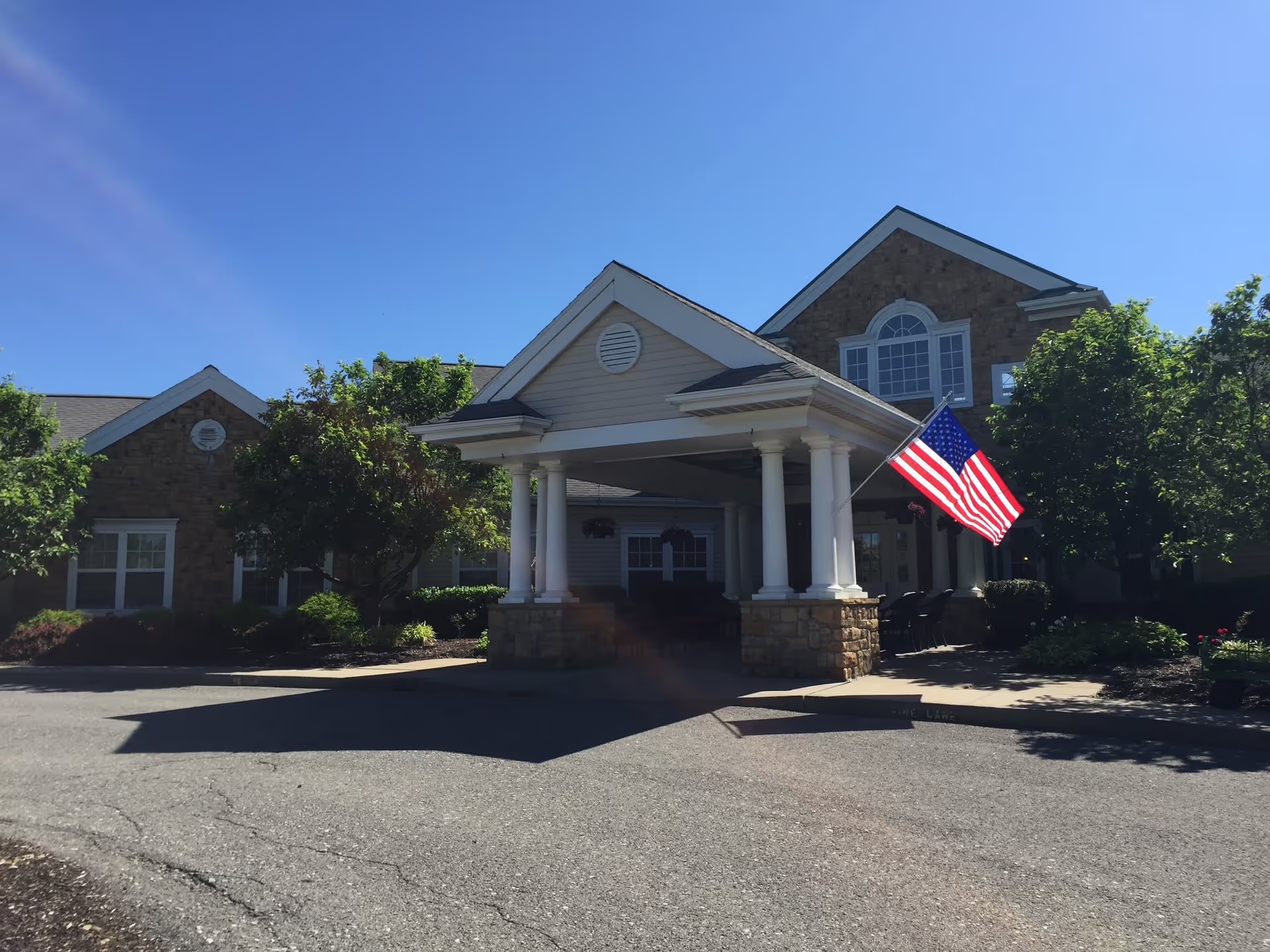
The reviews of Embassy of Saxonburg present a mixed picture. Many accounts praise the direct-care teams and therapy staff: caregivers, nurses and rehabilitation clinicians (OT/PT) are frequently described as compassionate, competent, and personally invested in residents’ progress. Several families noted positive rehab outcomes, a small, family-like environment where staff know residents by name, and engaged life-enrichment when programming is in place. Maintenance and certain common areas are also described as orderly, and some reviewers found the dining service acceptable with reasonable dietary accommodation when implemented.
At the same time, a consistent set of operational deficiencies appears across multiple reviews. Staffing levels are uneven; reviewers describe reliance on agency staff and periods of short staffing that affect visibility and responsiveness of aides and nurses. That inconsistency ties to delays in routine care tasks and concerns about medication-management practices used to control behavior rather than alternatives. Communication with families about incidents, changes in condition, and transfers is described as inconsistent, and there are multiple comments about delayed notification of clinical events.
Facility condition and infection-control are recurring themes. While parts of the building and some units are described as clean and well maintained, other reports cite sanitation and odor concerns in specific areas, small rooms with shared bathroom arrangements, and dated furnishings. Reviewers also raise concerns about infection-control adherence and inconsistent use of PPE and hand hygiene practices. Safety and security issues are mentioned, including concerns about residents leaving unsupervised and general perimeter security.
Management and organizational behavior are another area of divergence. Reviewers cite leadership turnover, life-enrichment and nursing resignations, and perceived disengagement from ownership. Financial and administrative practices—including rent increases, added resident charges, and at least one alleged theft—have led families to question billing transparency and human-resources responsiveness. These operational and managerial issues are described as contributing to lower staff morale and higher turnover in some accounts.
For prospective residents and families: many reviewers point to strong, caring frontline staff and effective therapy services as reasons to consider the facility, but they also recommend careful, targeted screening during a tour. Ask about current staffing ratios and use of agency staff, incident and family-communication protocols, medication-management policies, security measures for residents with cognitive impairment, recent inspection or compliance history, infection-control procedures, and written details on billing and rent policies. Observing mealtimes, activities, room sizes and shared-bathroom arrangements in person will help reconcile the divergent impressions in these reviews.