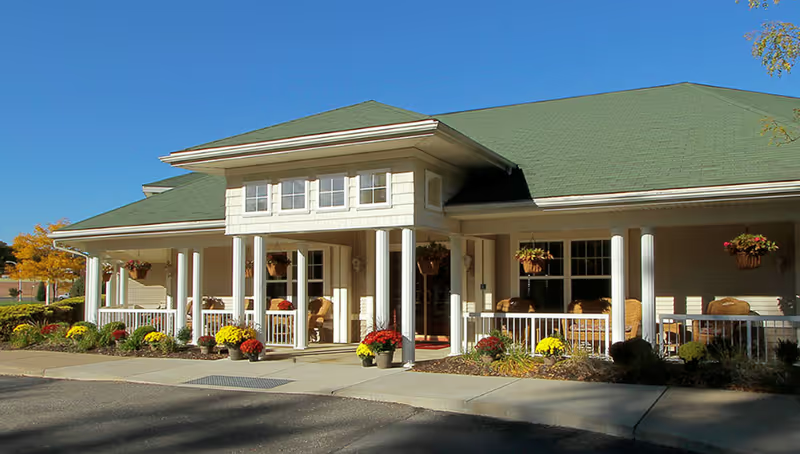
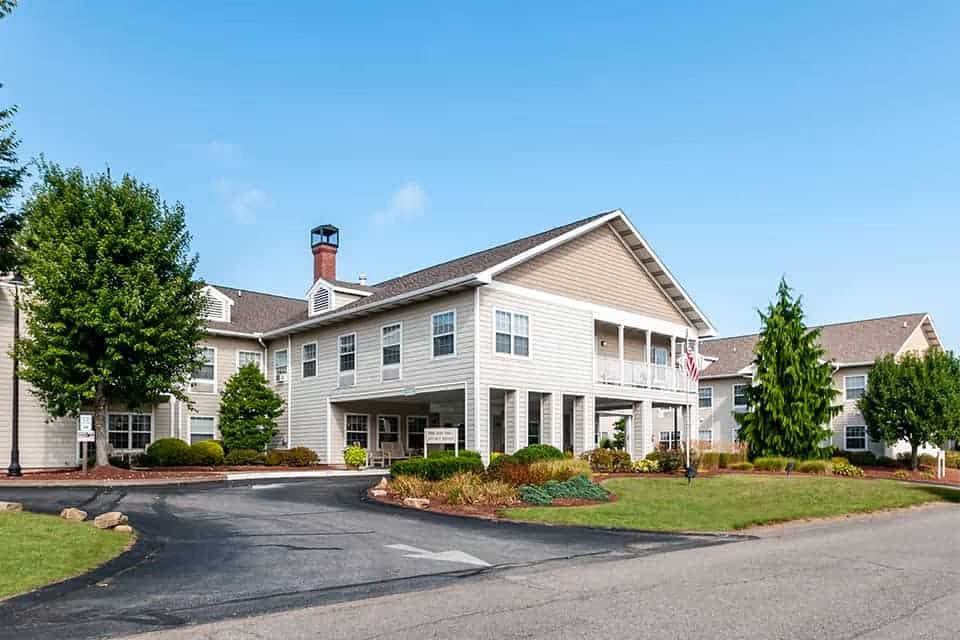
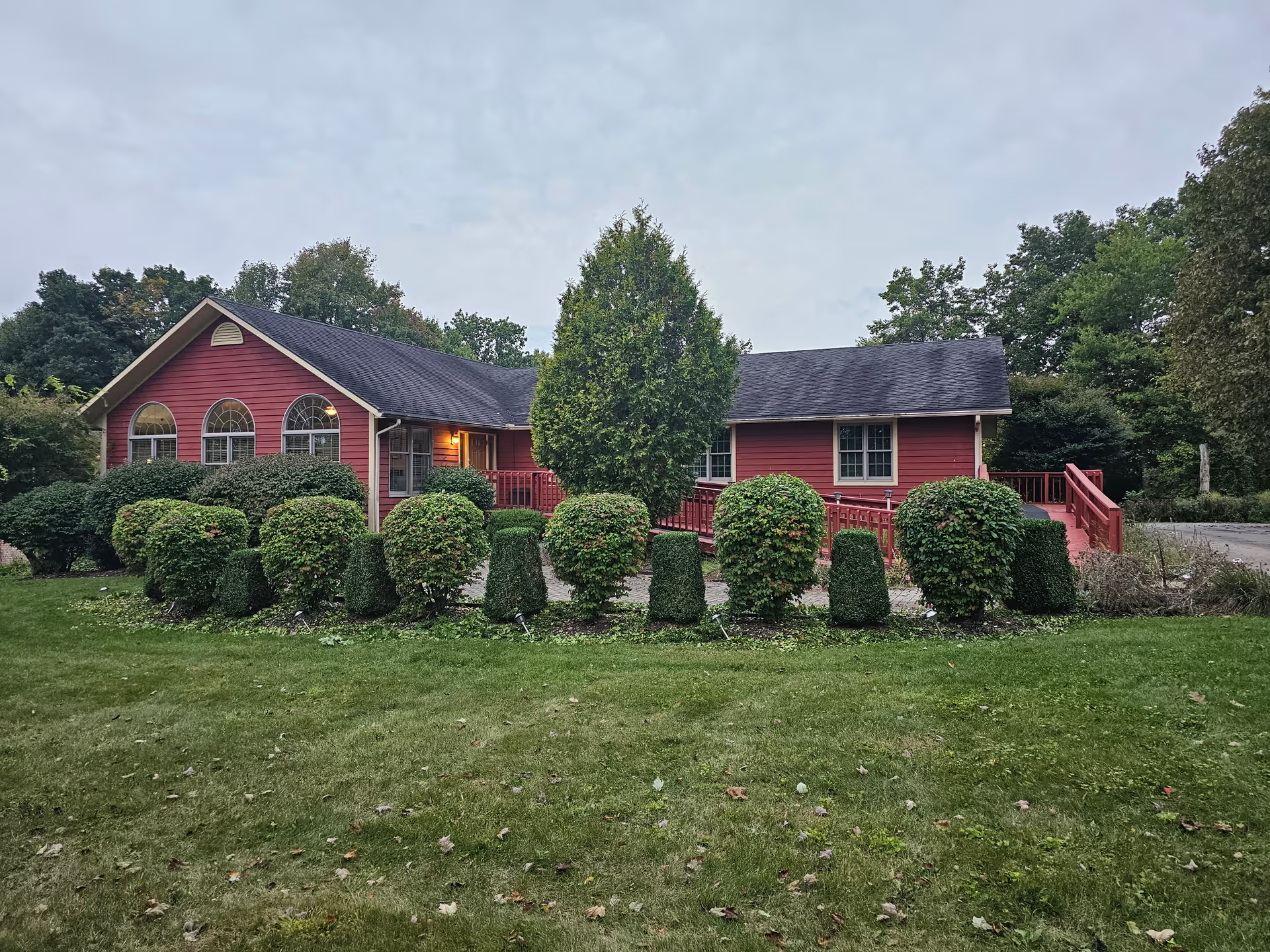
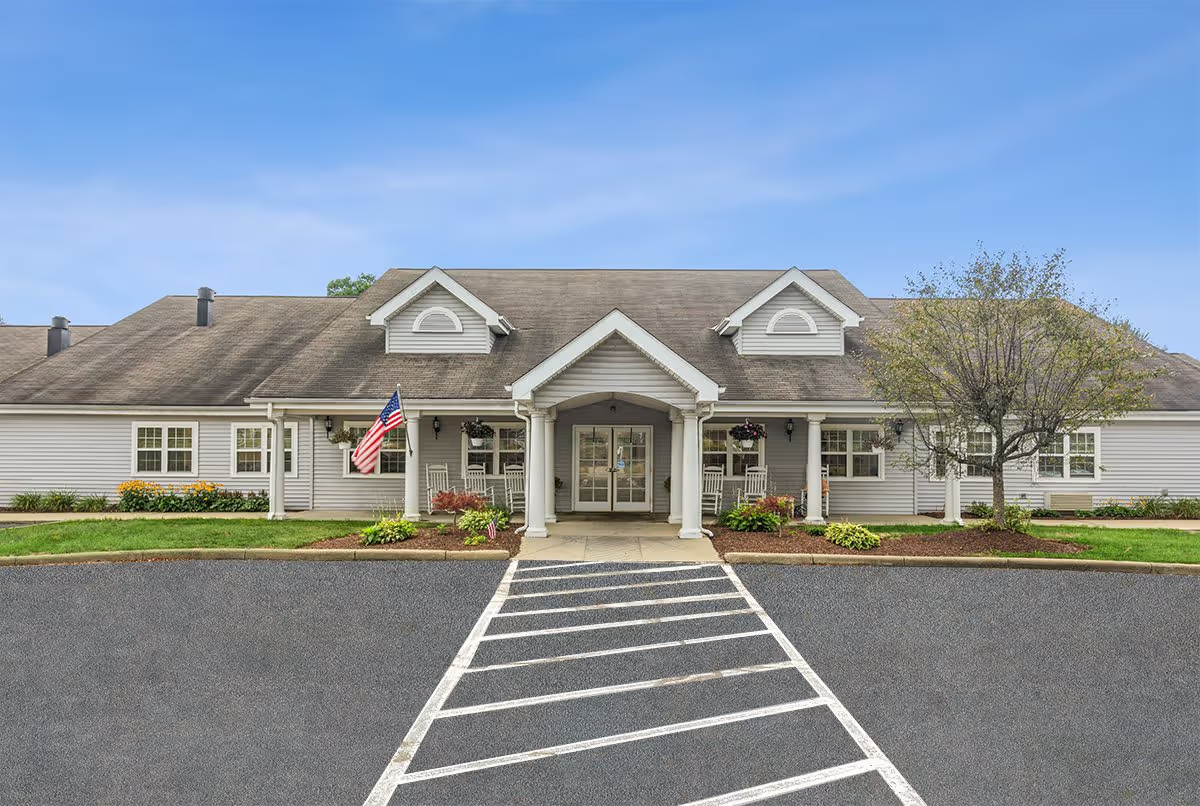
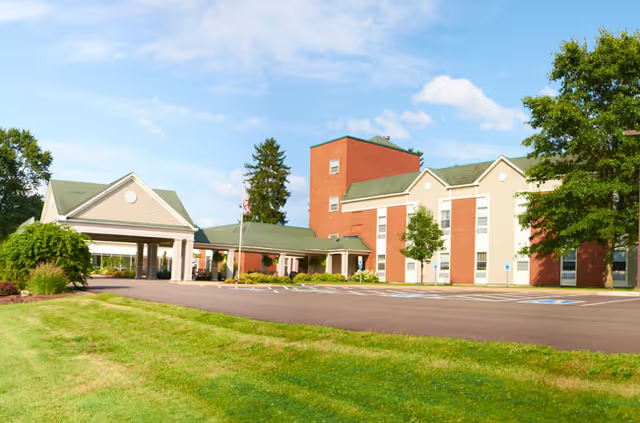
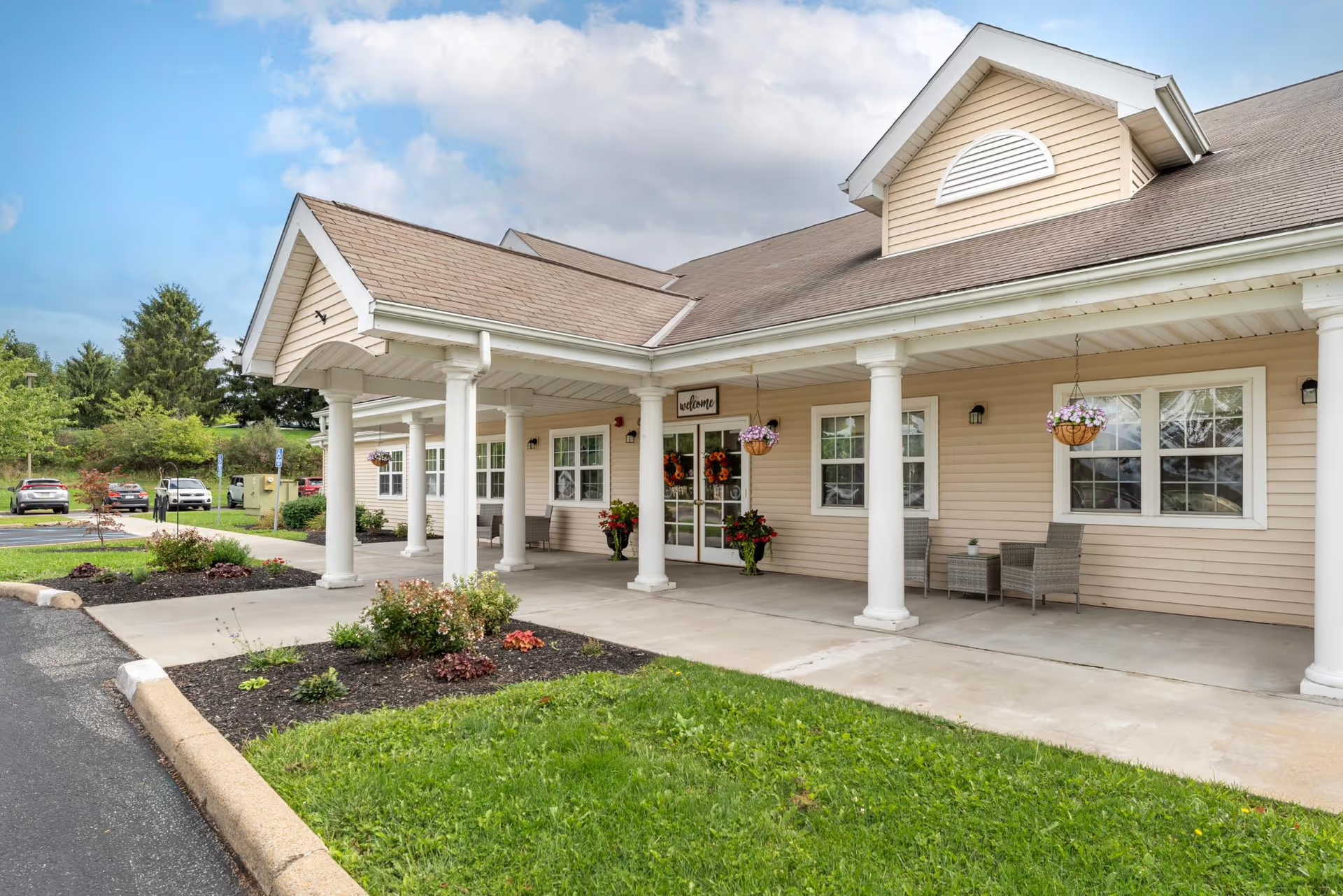
The reviews present a mixed picture of Shippenville Nursing and Rehabilitation. Positive accounts emphasize recent renovations, brighter rooms and common areas, and a welcoming, home-like environment. Many families praised individual staff members and teams — including nursing, therapy, housekeeping, dietary and maintenance — for being attentive, polite and helpful. Several reviewers highlighted effective rehabilitation services, meaningful activities (bingo, Bible study), supportive admissions and discharge planning, and compassionate end-of-life support that facilitated family goodbyes.
Conversely, a subset of reviews raised significant operational concerns. These include inconsistent staff responsiveness to call bells and family inquiries, gaps in medication-management protocols that created a risk of excessive sedation, and weaknesses in falls-prevention and resident-safety practices. Multiple accounts pointed to sanitation and incontinence-care issues in certain areas and uneven housekeeping and maintenance (stained carpeting, peeling walls, trash in hallways) that contrast with the renovated sections. There are also recurring comments about staff conduct at the nurses' station (distractions, personal device use, and other professionalism issues) that may affect care continuity.
Dining and activities show similarly mixed impressions. Several families noted clean dining spaces, pleasant-smelling meals, and active programming that contributed to resident satisfaction. Others described inconsistent meal quality and variable stimulation across units. Management and leadership were described positively by some — with signs of improved morale and department-wide involvement following upgrades — while other reviewers reported difficulty getting timely responses from administration and unclear escalation pathways after adverse events.
Notable patterns are the polarization between strong, positive personal experiences and a smaller number of serious clinical or safety concerns. The positive reports suggest the facility is capable of providing compassionate, organized care, particularly in renovated areas and for rehabilitation services. The negative accounts point to operational inconsistencies that may be localized to particular units or shifts and that can materially affect resident safety and family confidence.
For prospective residents and families: schedule an in-person tour during a meal and an activity, observe the nurse station and common areas, ask for written policies on medication management, fall prevention, and incident notification, and request recent inspection reports and staffing ratios. Specific questions to administration should include how sanitation issues are tracked and remediated, how family communications and callbacks are handled, and what steps are taken to monitor staff professionalism and reduce distractions at the nurses' station. These targeted inquiries can help determine whether the facility's strengths align with your relative's care needs and whether management is actively addressing the operational gaps noted by reviewers.