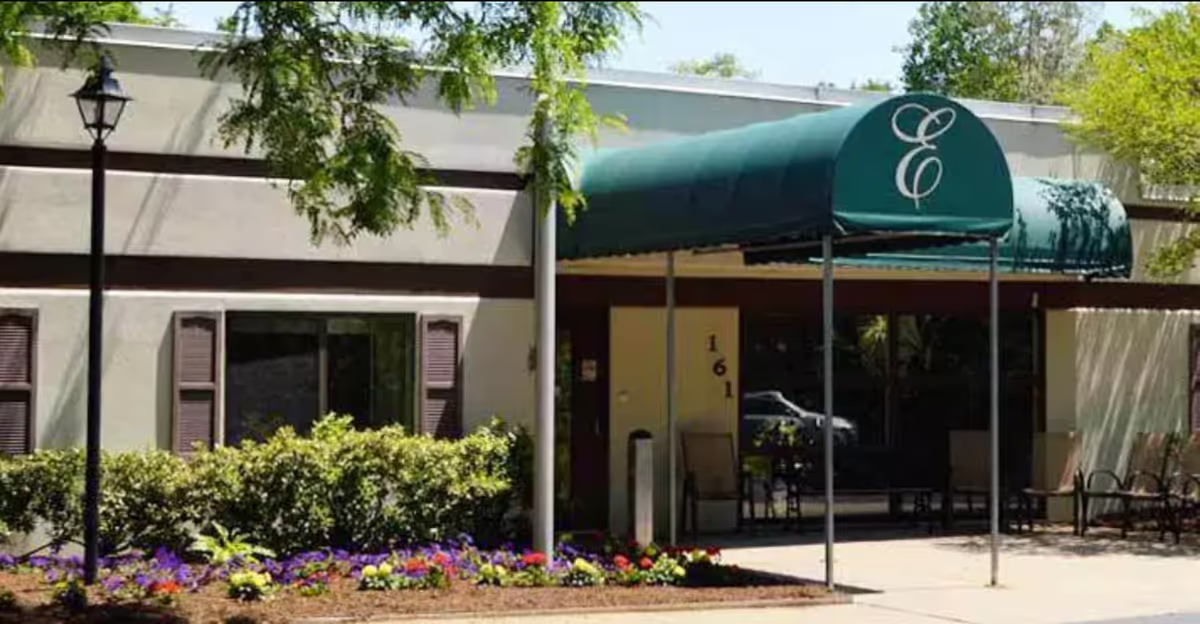
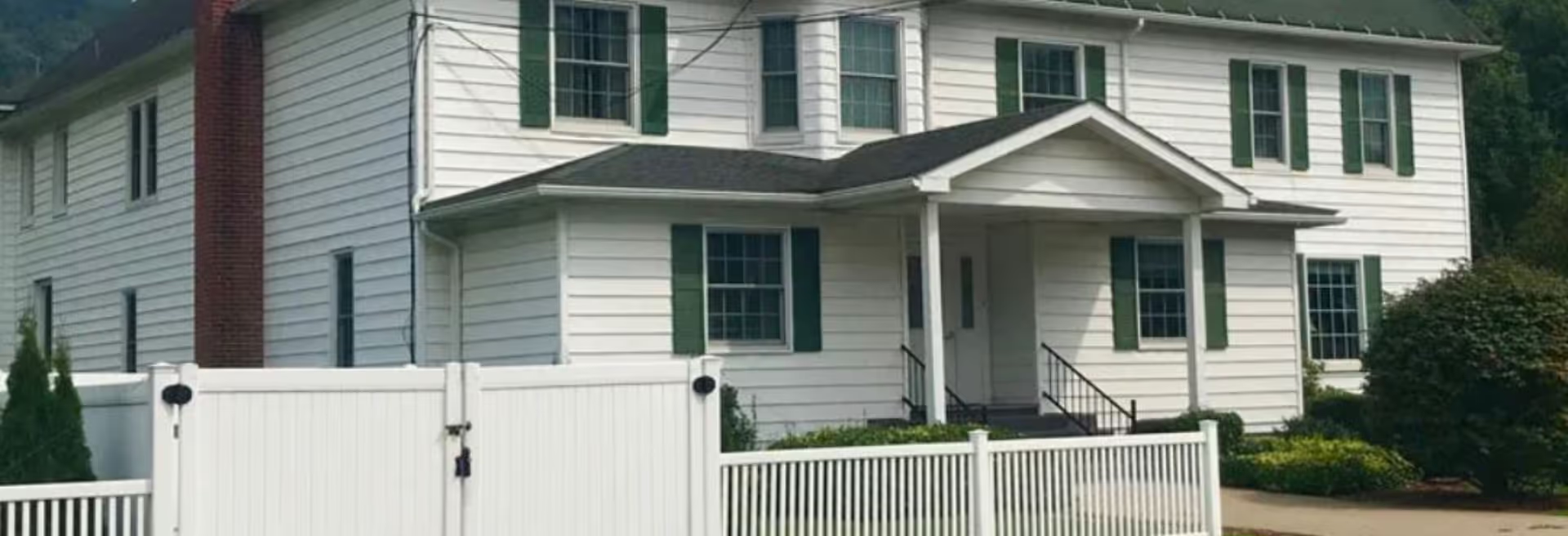
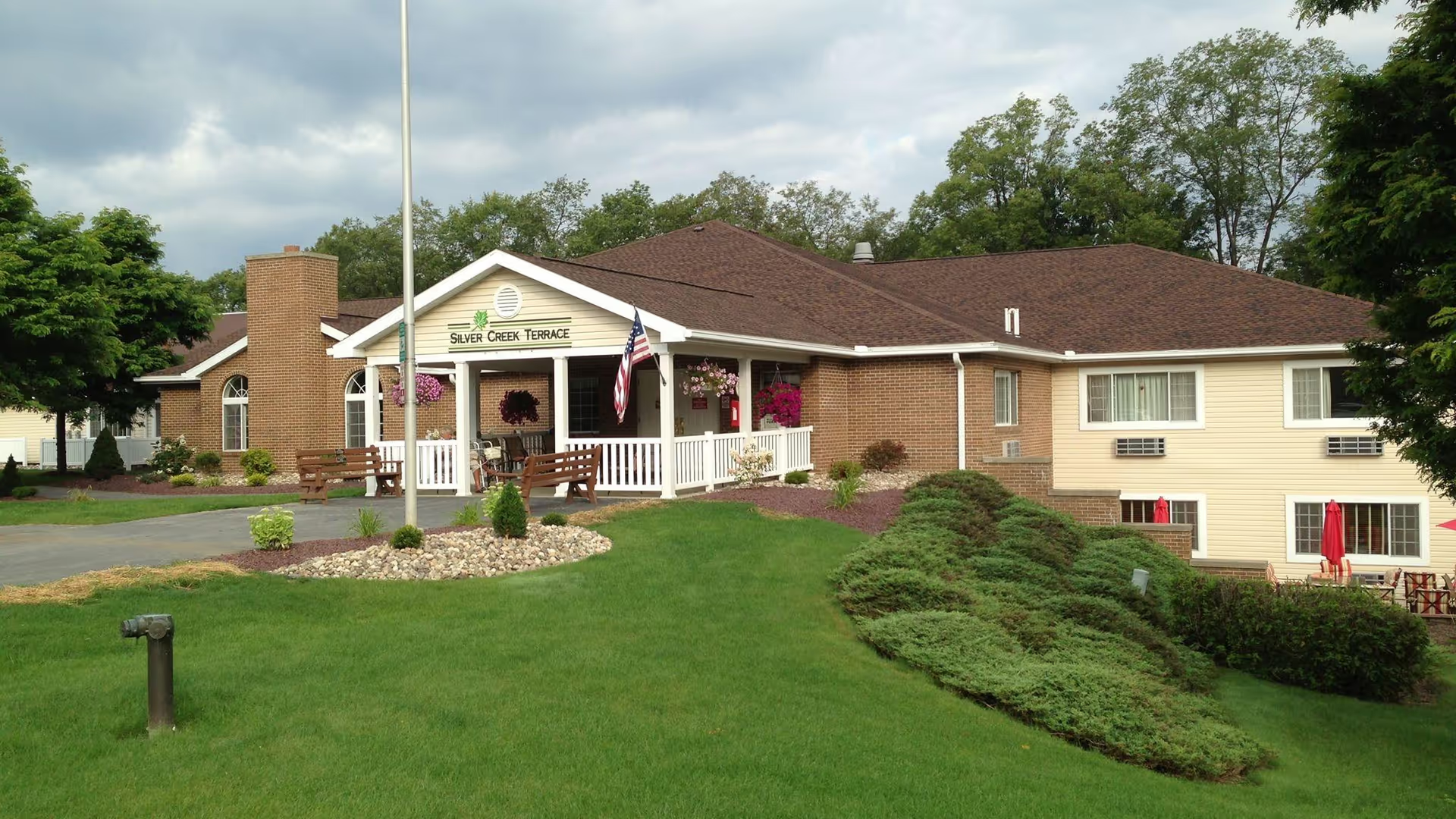
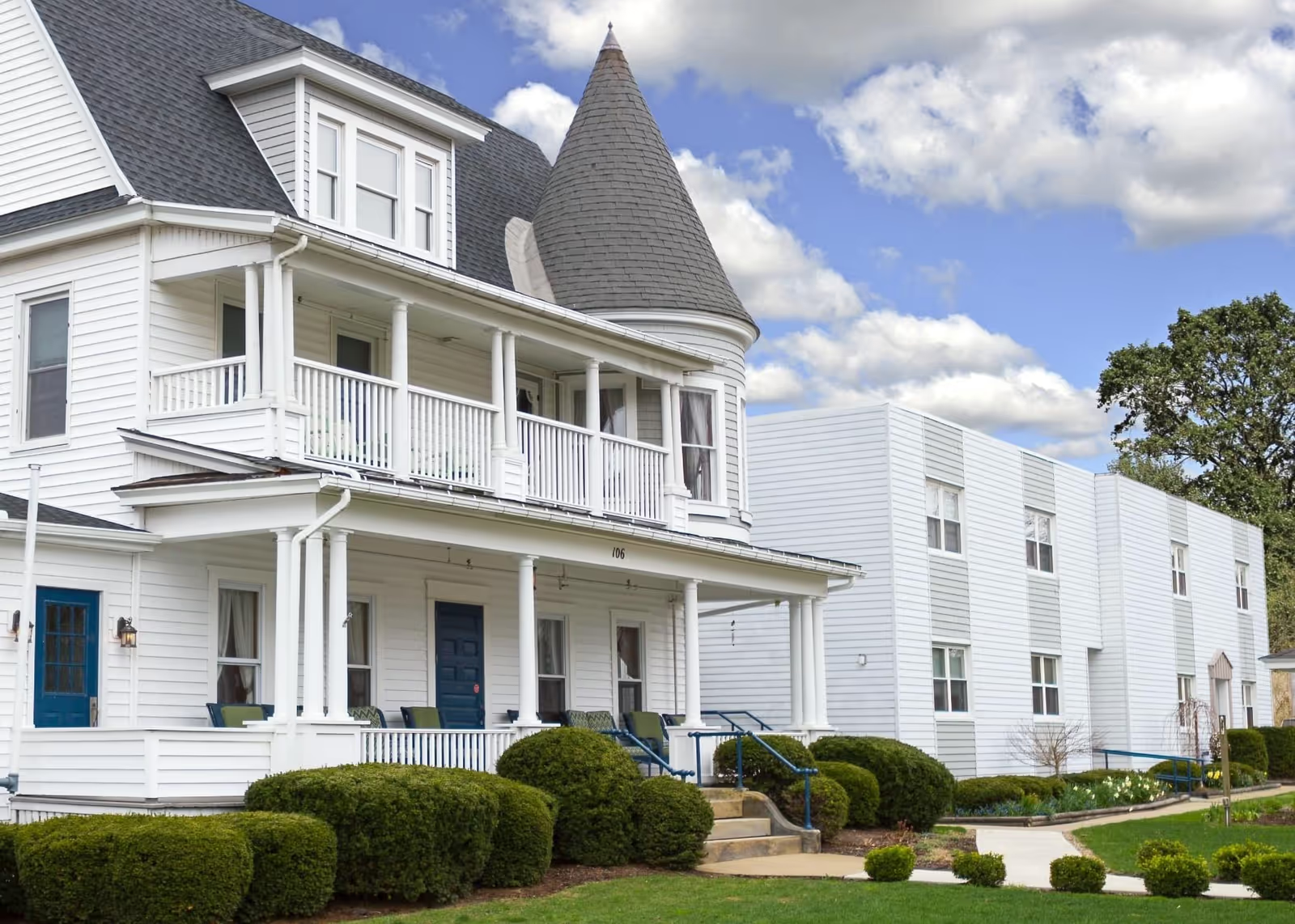
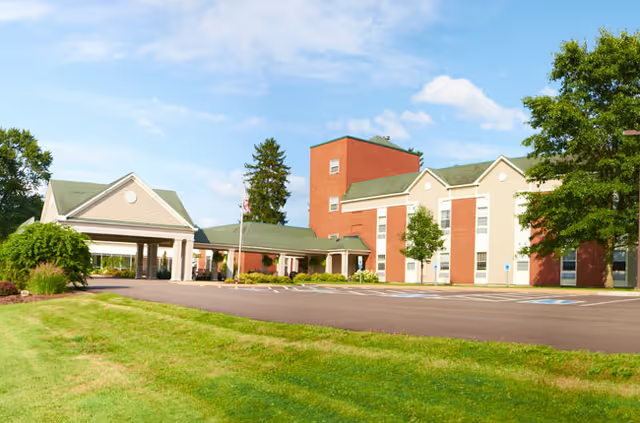
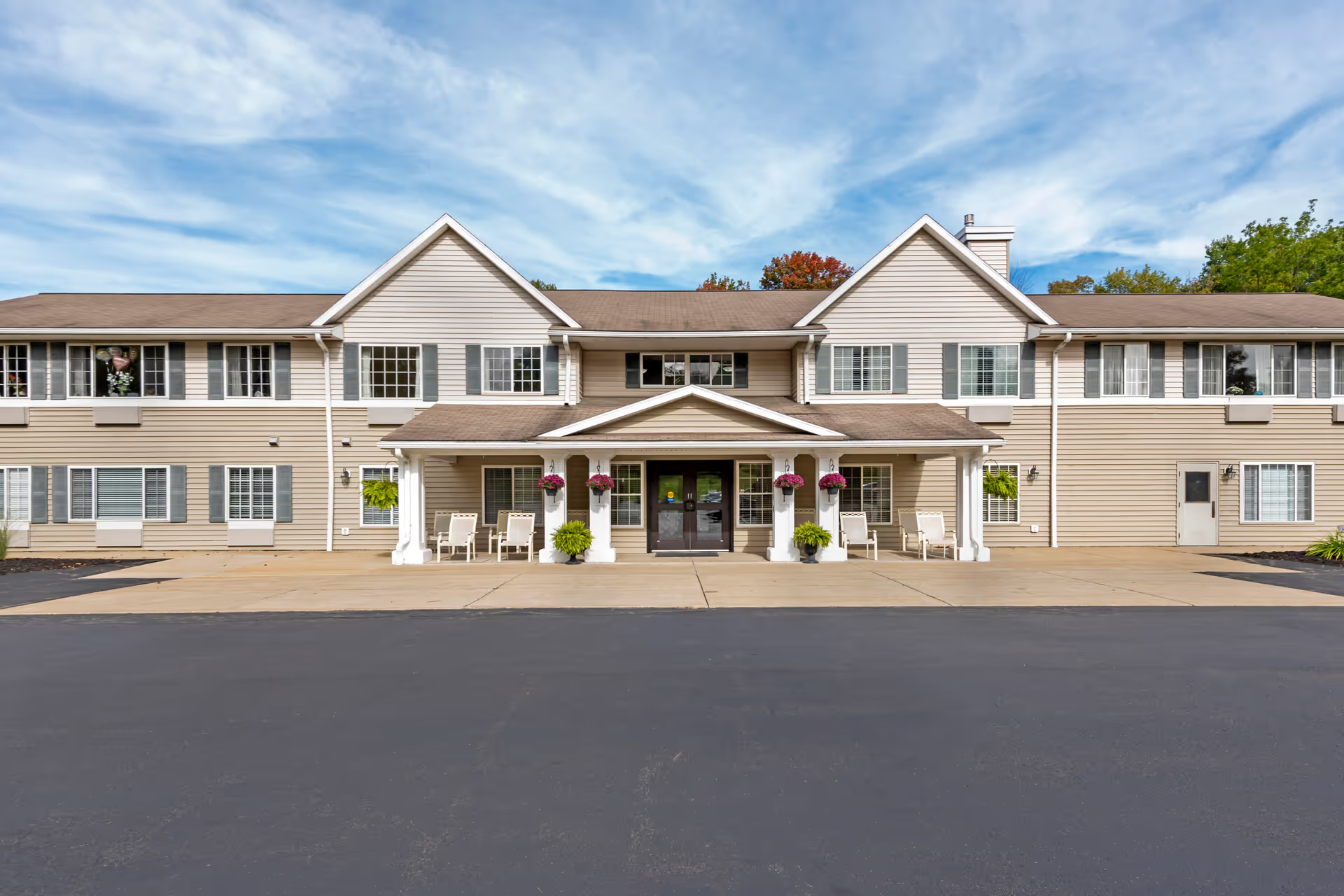
Overall impression: Families and visitors frequently describe Sena Kean Nursing and Rehabilitation Center as a facility with a warm, home-like atmosphere and a consistently compassionate caregiving staff. Many comments highlight attentive nurses and aides, strong interpersonal relationships between staff and residents, and staff behaviors described as friendly, respectful and family-oriented. Rehabilitation services and the physical-therapy department receive particular praise for quality and engagement, and several accounts describe measurable clinical improvement (for example, transition from tube feeding to oral diets). The facility is also noted as clean, well-maintained and affordable, with spacious corridors and pleasant common areas.
Care and clinical oversight: The dominant clinical strengths are personalized attention from caregiving staff and effective rehabilitative coordination, including proactive discharge planning and post-discharge liaison support. However, reviewers also describe operational gaps in clinical oversight. Concerns center on inconsistent medication-management practices (notably around insulin dosing and diabetes care), delays in responding to call lights or resident requests, and occasional lapses in follow-up after clinical incidents. These items suggest uneven adherence to clinical protocols and an opportunity to strengthen medication administration checks, response-time procedures, and incident-communication pathways with families.
Staffing and management: Staffing is characterized in two ways: caregivers are described as dedicated, kind, and engaged, yet several comments point to understaffing and insufficient aides on some shifts. This tension appears to produce variability in responsiveness and workload capacity. Management feedback is mixed — while some families praise helpful administrators and smooth discharge coordination, others describe inconsistent unit-level leadership and unprofessional interactions with management staff. Strengthening leadership consistency and staffing levels would likely address many of the service-quality variances described.
Dining, activities, and environment: Dining and snacks are generally viewed positively, with reviewers noting better meals and special treats like ice cream or cotton candy during events. The activity program receives strong marks for social programming, family days, games, and opportunities for socialization; reviewers credit the activities team with enhancing resident morale. The facility’s cleanliness and maintenance, including bright, well-kept rooms, hallways and communal spaces, are recurring positives. Pet interactions and chaplain/visitation support are additional aspects that families appreciated.
Safety, equipment, and communication: Several reviews raise operational concerns beyond routine care: equipment maintenance (for example, oxygen-device reliability), timeliness of diagnostic follow-up, and the clarity and timeliness of communication with families after incidents. These items point to systemic opportunities in safety oversight, clinical-response protocols, and family communication processes. For families, asking specific questions on equipment checks, incident escalation procedures, and routines for communicating test results may be helpful when considering placement.
Notable patterns and guidance for families: The overall pattern is of a facility with strong direct-care relationships and good rehabilitative programming, tempered by intermittent operational weaknesses in staffing, medication management, and incident follow-up. Prospective residents and families may want to confirm current staffing ratios, medication-administration safeguards (particularly for conditions needing precise dosing), routine response times for call lights, and the facility’s protocol for communicating medical events and test results. Visiting in person, meeting the rehabilitation team, and discussing recent quality-improvement initiatives with leadership can help evaluate whether the facility’s strengths align with an individual resident’s clinical and social needs.