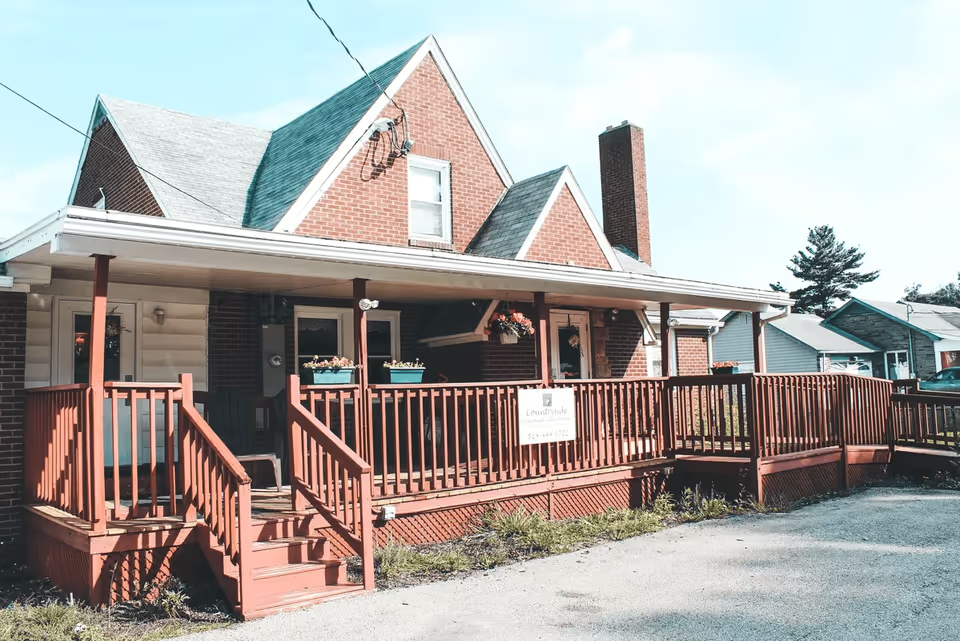
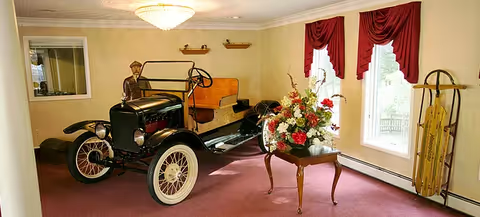
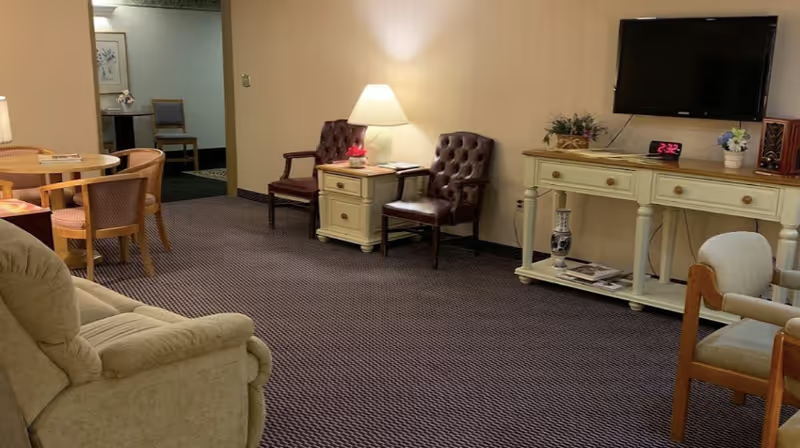
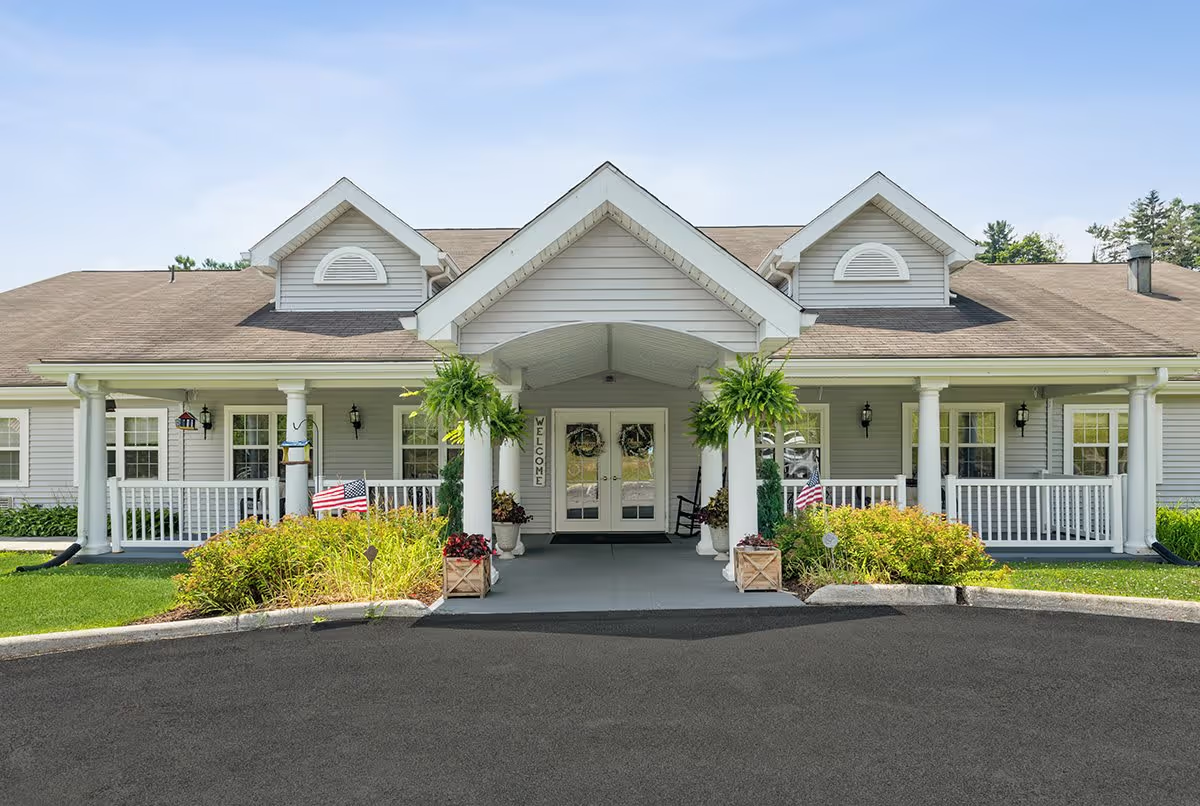
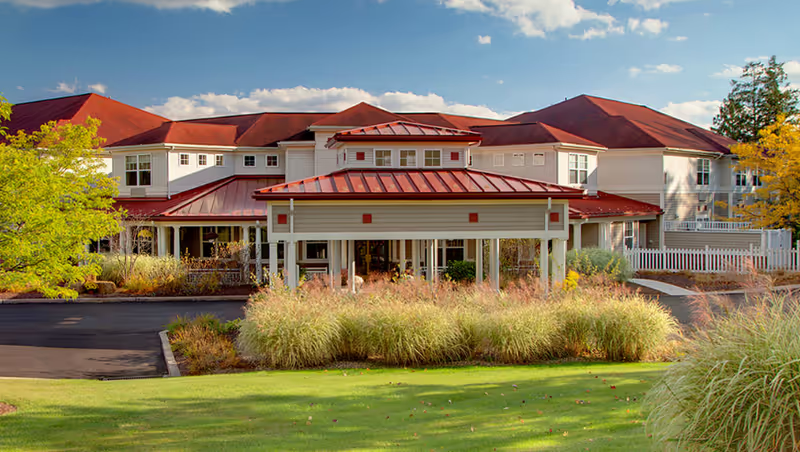
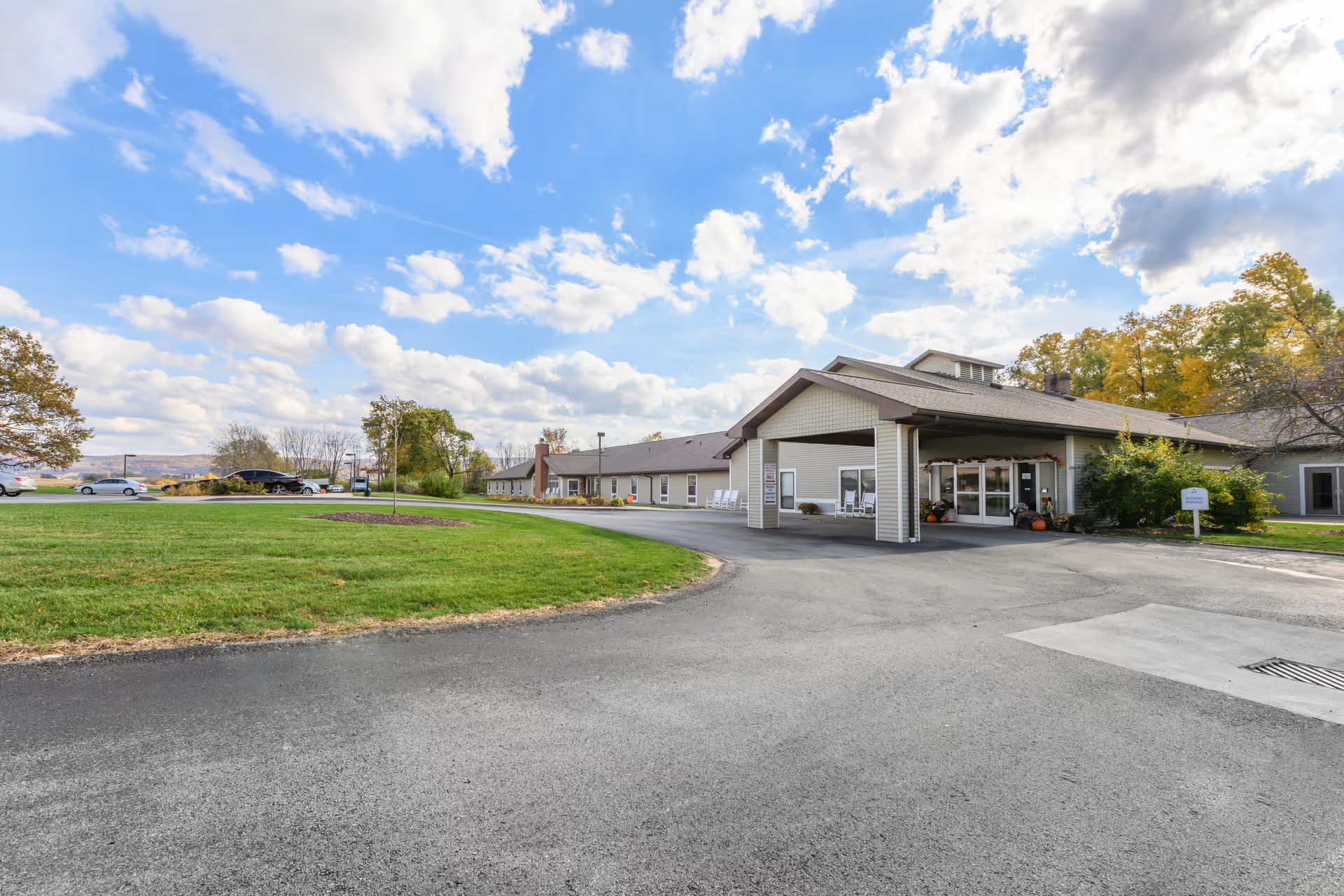
The review set presents a mixed picture of Somerset Healthcare & Rehab. Positive observations cluster around the caregiving core: many commenters describe staff as caring, attentive and collaborative, and note visible, engaged leadership. Rehabilitation and therapy services and a range of daily activities are repeatedly highlighted as strengths, and families frequently cite supportive social-work involvement. Facility aesthetics—clean interiors, bright common areas and an outdoor patio with a view—also receive consistent praise.
Care quality is characterized by both strengths and concerns. Strengths include active post-acute rehab programming and staff who appear focused on resident comfort and recovery. However, several reviews describe gaps in clinical care continuity and monitoring, and there are specific concerns about infection-control and pest-control in resident rooms as well as inconsistent room-level sanitation. A few families raised issues surrounding end-of-life care and care coordination following a resident's death; these are serious concerns that merit direct inquiry during a tour.
Staff performance and communication show variability. Many reviewers commend strong teamwork, a resident-focused culture and an engaged administrator. At the same time, others describe inconsistent professionalism, poor phone responsiveness, long hold times and a communication tone that family members found insensitive. These patterns point to areas for improvement in staff training, conflict management and family-facing communication protocols.
Dining and activities are frequently listed among the facility's positive attributes: homemade meals with choices and a diverse activity schedule contribute to a home-like environment for many residents. Still, reviewers also noted problems with entertainment and in-room equipment availability or maintenance (televisions, in-room phones), which can affect daily life and family communication.
Facility maintenance and policies present a mixed record. The community is often described as well cared-for and clean in shared spaces, but inconsistencies at the room level—sanitation variations and pest-control concerns—were mentioned. Additionally, questions about personal-property handling and replacement costs emerged, suggesting that billing and property policies could be clarified for families.
Management strengths include visible leadership and ongoing improvements; nevertheless, recurring themes indicate a need for stronger operational controls: more consistent clinical oversight, clearer communication systems (including phone access), systematic staff training on conduct and customer service, and proactive maintenance and pest-control programs. Prospective residents and families should tour the building, inspect individual rooms and common areas, ask about pest-control protocols, in-room communication options, staffing levels and training, and request documentation on policies for personal-property replacement and end-of-life care coordination.