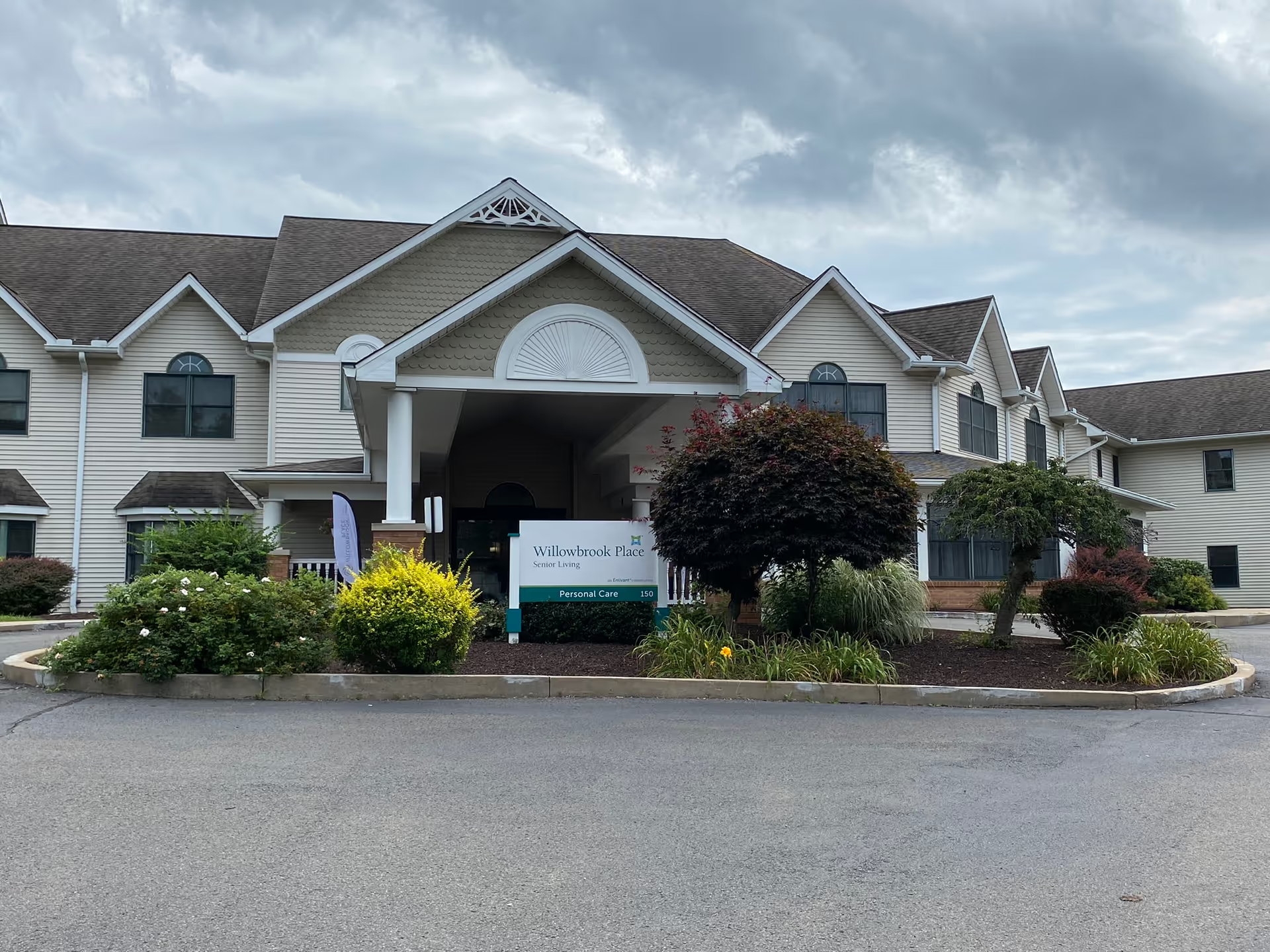
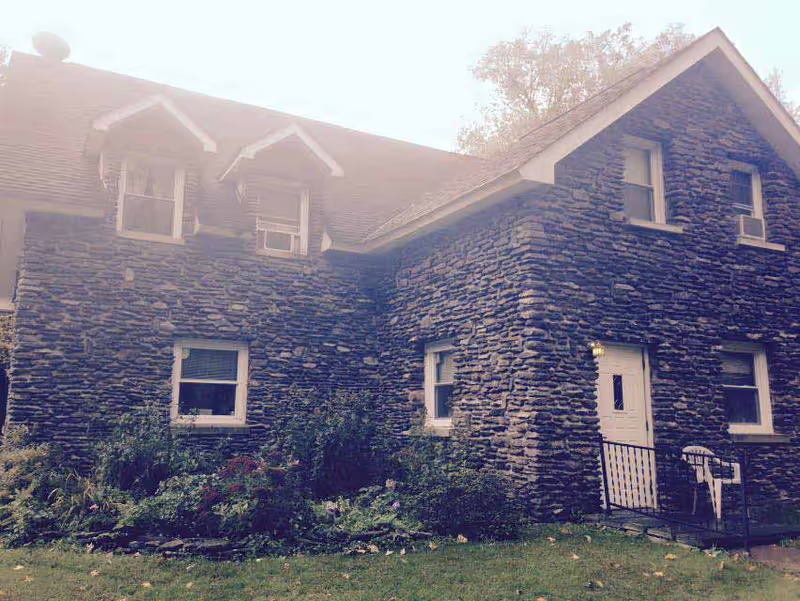
Overview: Reviews of Abington Manor describe a facility with strong interpersonal strengths but notable operational variability. Many families and residents emphasize the compassion, attentiveness, and dedication of the direct-care workforce — nurses, nurse assistants, and specific clinicians receive repeated praise for empathy and hands-on support. Rehabilitation services (physical, occupational, and speech therapy) and an engaged activities program are frequently cited as effective components of the care environment, and several reviewers highlighted a homelike atmosphere and supportive weekend staffing.
Care and staff: Clinical care is described in mixed terms. Numerous accounts praise individual staff members (including named nurses) and cite good clinical outcomes such as functional recovery and effective infection-control communication during COVID-19. At the same time, reviewers describe variability in staff availability and performance: limited staffing levels contribute to longer response times to call signals, inconsistent assistance with dressing and bathing, and uneven attention across shifts and weekends. Reviewers also raised concerns about staff turnover and changes in leadership that can affect continuity of care.
Dining and activities: The activities program receives consistent, positive comments for engagement and variety; family members appreciate social programming and special events. Dining impressions are mixed: some reviewers noted improving quality and enjoyable meals, while others described issues with food temperature and inconsistent meal experiences. Mealtime monitoring and food-service continuity appear to be areas that would benefit from attention to operational consistency.
Facilities and cleanliness: There are divergent impressions about environmental upkeep. Many reviewers point to strong housekeeping, clean laundry, and well-maintained grounds. Conversely, others described sanitation concerns and localized odor issues, as well as dirty linens or garments in isolated cases. The building itself is also characterized as showing signs of age; several comments recommend cosmetic updates or targeted maintenance. A few reviewers expressed concerns about bathroom accessibility and code-related features that may warrant facility review.
Management, communication, and administration: Communication with families is generally seen as a strength — reviewers noted regular updates (including virtual briefings), responsiveness from certain administrators, and an ability to reassure families. However, administrative responsiveness is not uniform: some families reported delays in follow-up, frustration with changed payment policies, and billing or payment-process friction, which created logistical burdens. There are also comments about uneven handling of clinical or operational issues when family presence is limited, suggesting room for clearer escalation and oversight protocols.
Notable patterns and recommendation: Taken together, the reviews paint a picture of a facility where direct-care staff and therapy teams often deliver compassionate, effective care, and where programming and communication can be real strengths. The primary operational weaknesses are variability — in cleanliness and sanitation in particular locations, in consistent personal-care delivery, and in staffing levels that affect response times and weekend coverage. Facility aging and some accessibility concerns are additional themes. Prospective residents and families should weigh the strong interpersonal culture and therapy/activities offerings against these operational inconsistencies; targeted questions about staffing ratios, sanitation protocols, bathroom accessibility, and current billing/payment policies will help clarify whether Abington Manor meets a given resident's clinical and logistical needs.