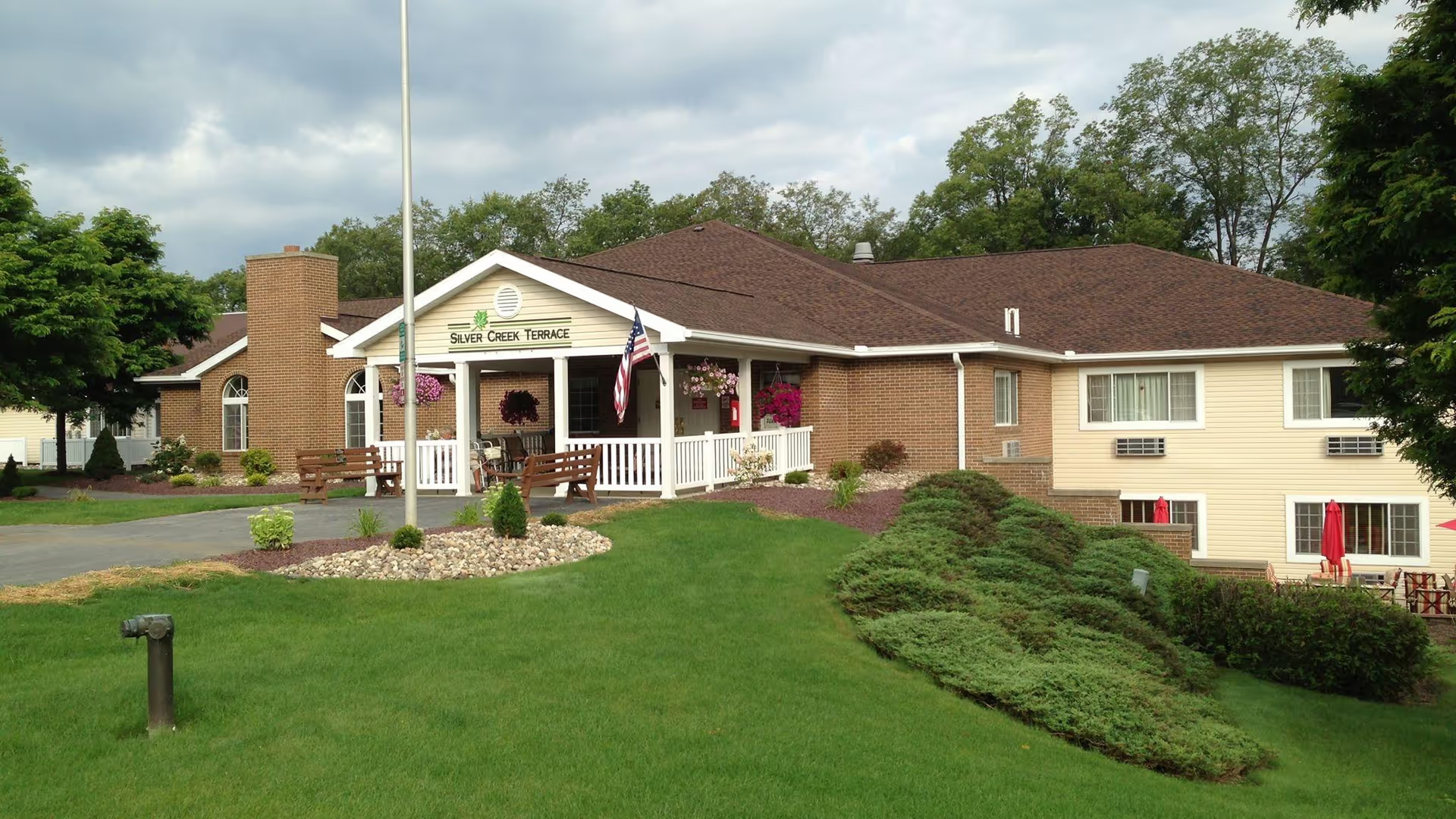
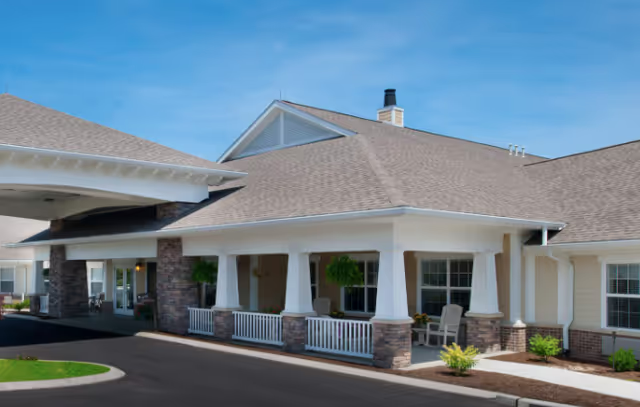
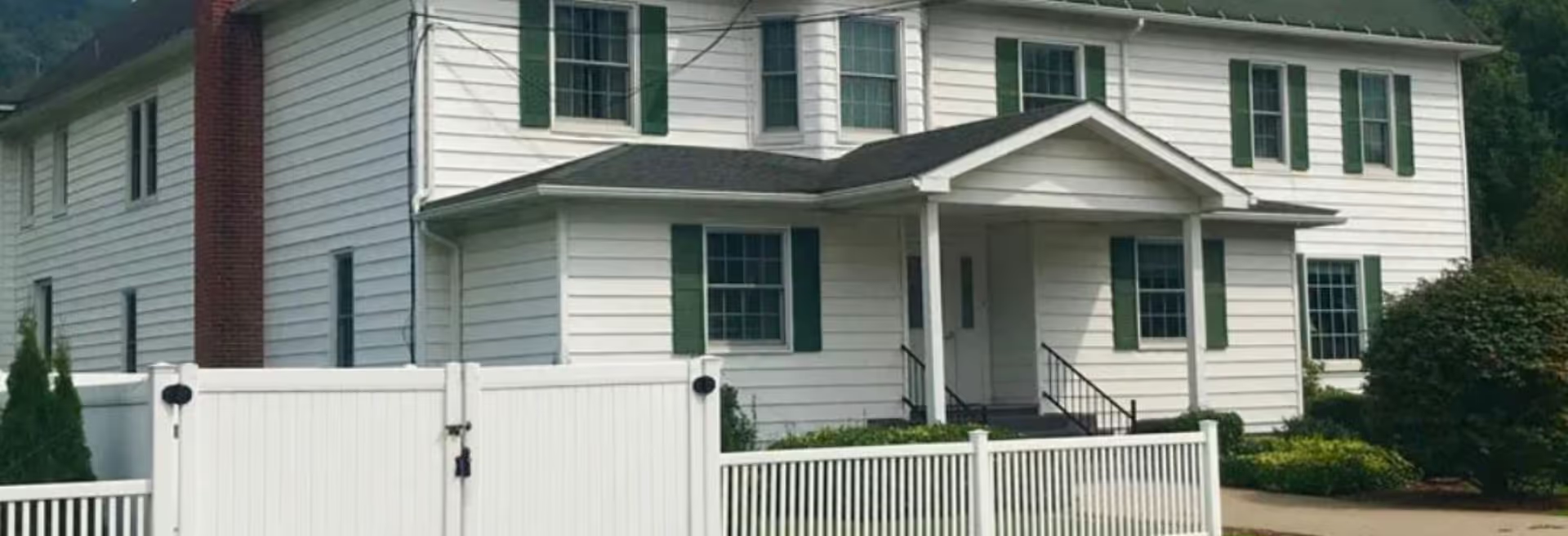
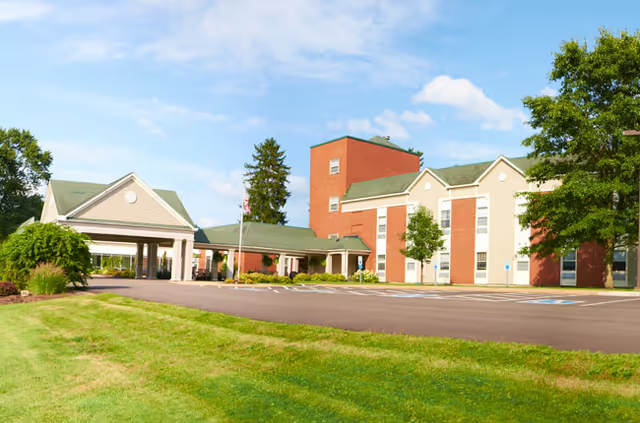
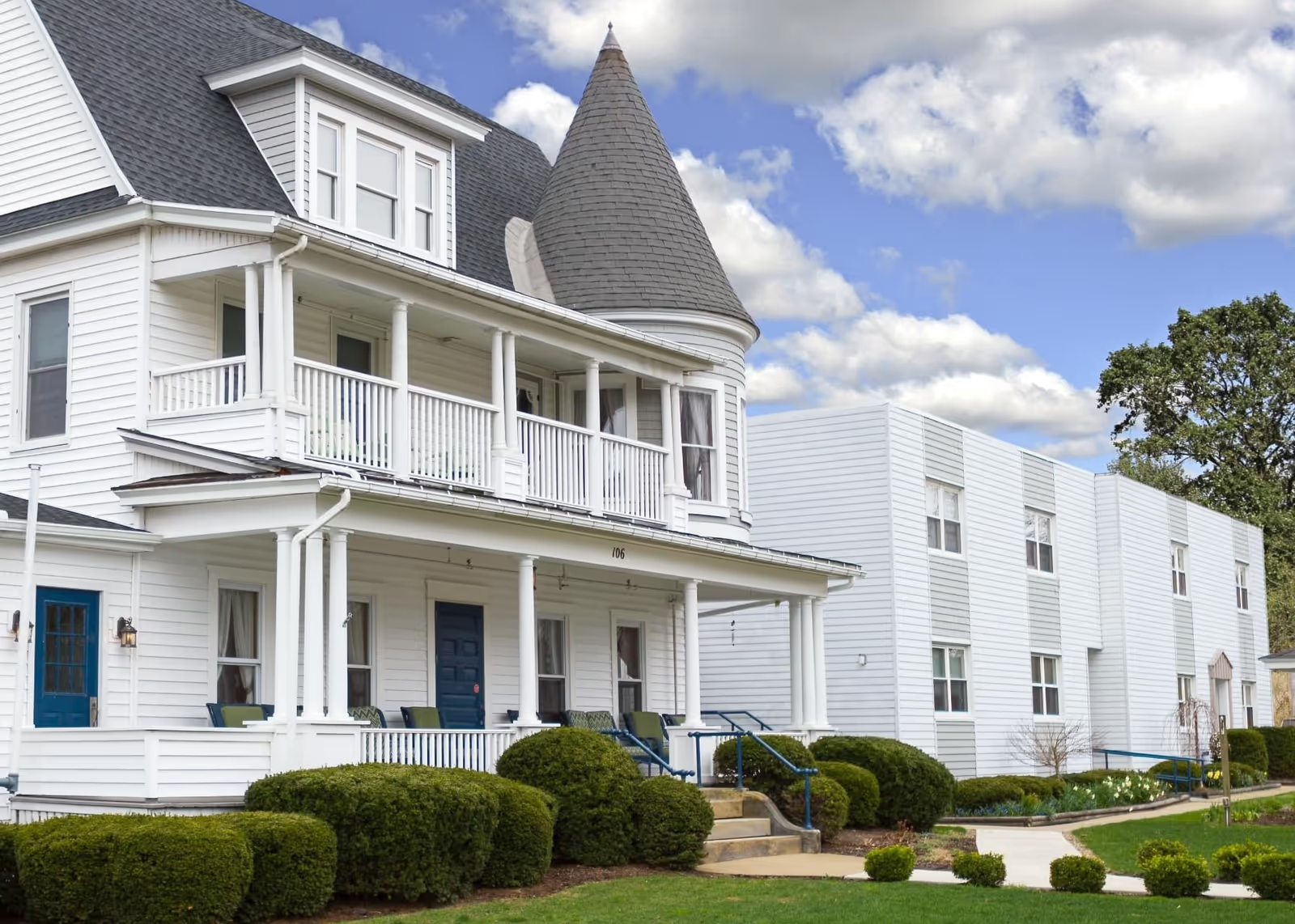
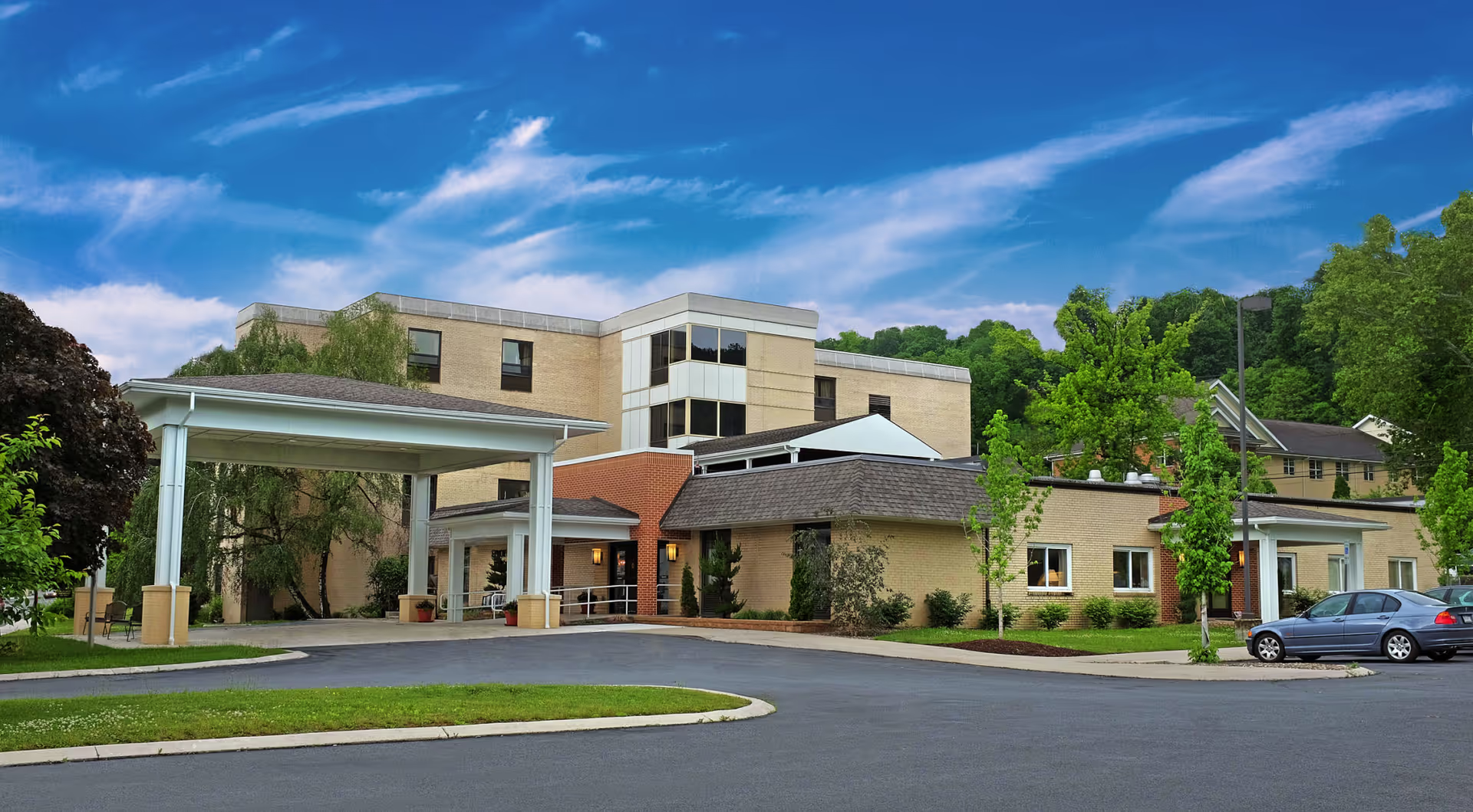
Reviews present a mixed but discernible pattern: many families and visitors describe a caring, clean, and home‑like setting with staff who are welcoming, humorous, and responsive in day‑to‑day interactions. Nursing and therapy staff receive frequent praise for compassionate care, rehabilitation and ADL training, and particular knowledge of memory‑care needs. The facility’s physical environment is commonly described as attractive and well maintained, with comfortable rooms, greenery, pet allowance, and communal activities that foster resident interaction.
Care quality appears generally strong in terms of hands‑on clinical and rehabilitative services; reviewers highlighted knowledgeable therapists and staff who created supportive environments for residents with Alzheimer’s disease and other conditions. Administration and housekeeping are portrayed as approachable and ready to serve, and many reviewers noted positive family impressions and recommendations based on those strengths.
However, a consistent theme among negative comments is staffing and safety reliability. Several reviewers cited understaffing or inconsistent staffing levels that they believe affect supervision and responsiveness; this pattern is tied to broader concerns about resident safety and the adequacy of supervision, particularly for residents who require close monitoring. There is an allegation of a serious supervision lapse in one review; prospective families should follow up with the facility about current supervision, staffing ratios, and exit/security procedures.
Dining and daily comforts show mixed feedback. Some reviewers liked the environment and activities, while others expressed dissatisfaction with the menu and food quality. Room size and private‑space limitations were also noted as an operational constraint for families seeking larger accommodations. In addition, a few reviewers raised concerns about noise and activity ambience—examples include music choices that some found agitating—suggesting that programming and sensory management are areas for review and potential adjustment.
Staff conduct and communication tone emerged as another area of variability: many reviewers characterized staff as respectful and warm, yet a subset described interactions they found dismissive or poorly communicated. This divergence indicates inconsistent staff‑family communication and suggests benefits from targeted training or clearer family engagement processes.
In summary, Elk Haven Nursing Home demonstrates clear strengths in cleanliness, rehabilitative services, Alzheimer’s care knowledge, and a welcoming facility environment with active programming. Prospective residents and their families should weigh those strengths against concerns about staffing consistency, supervision and safety controls, dining preferences, room size, and occasional ambience issues. Visiting the unit, asking for current staffing ratios, inquiring about secure‑exit procedures, sampling meals, and discussing activity scheduling will help evaluate whether the facility’s operational practices match a family’s priorities.