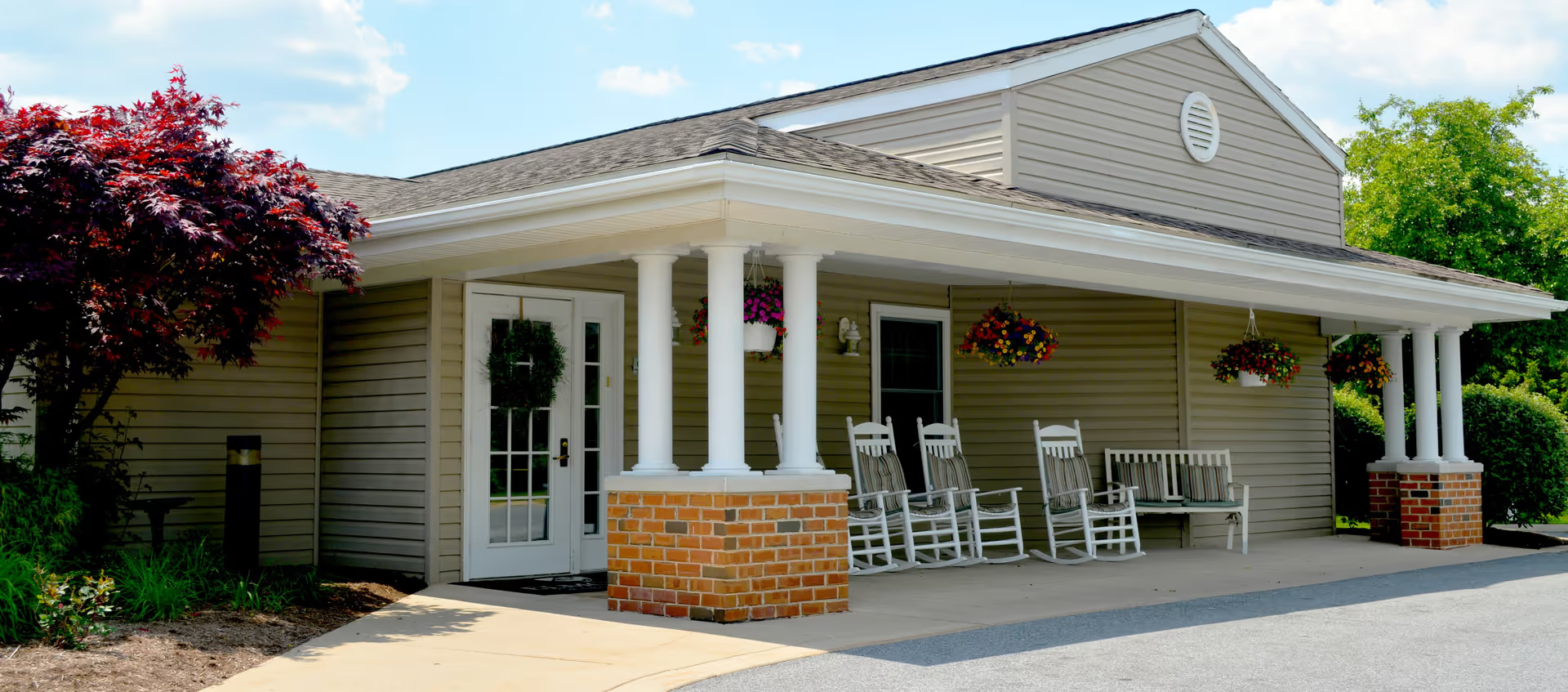
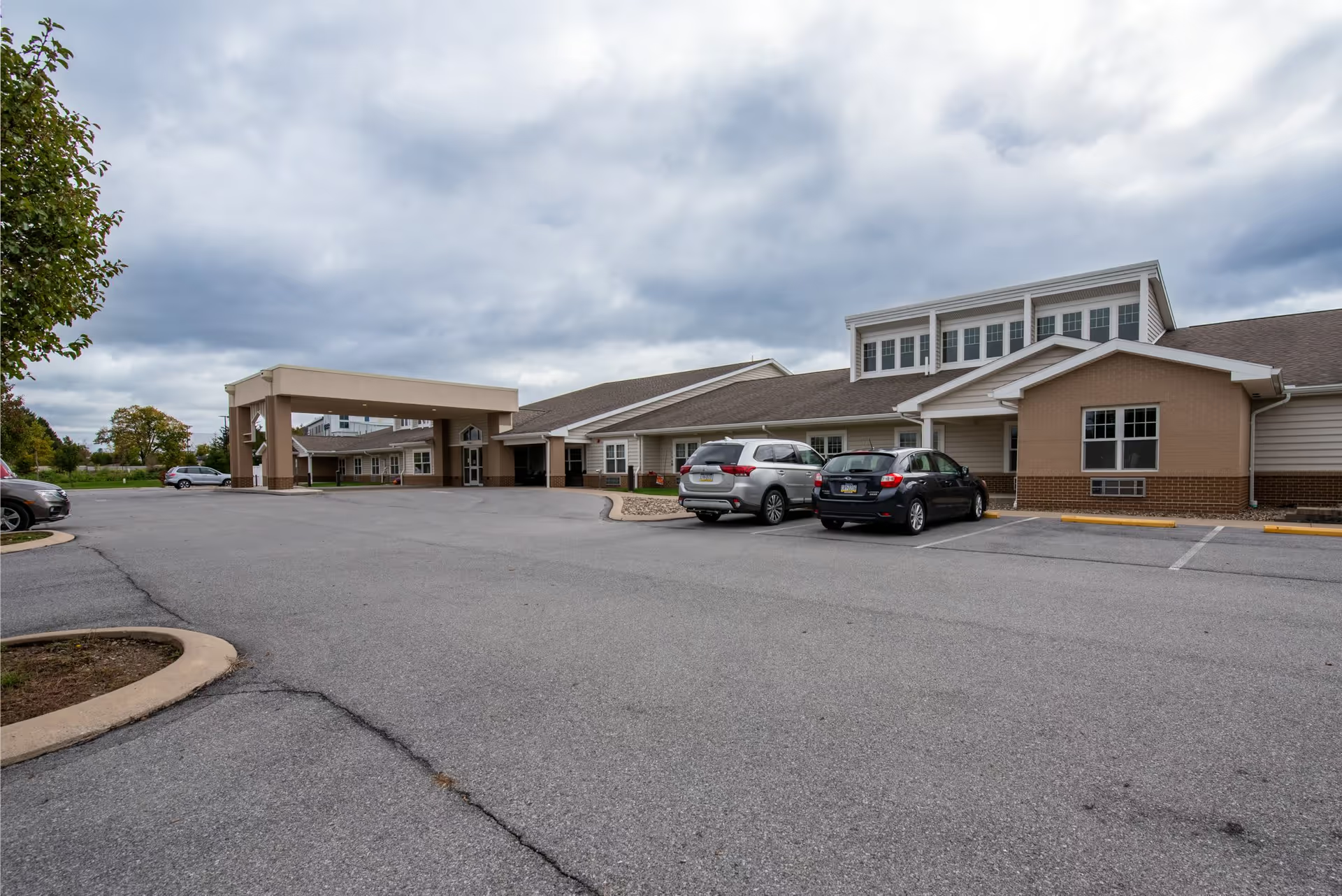
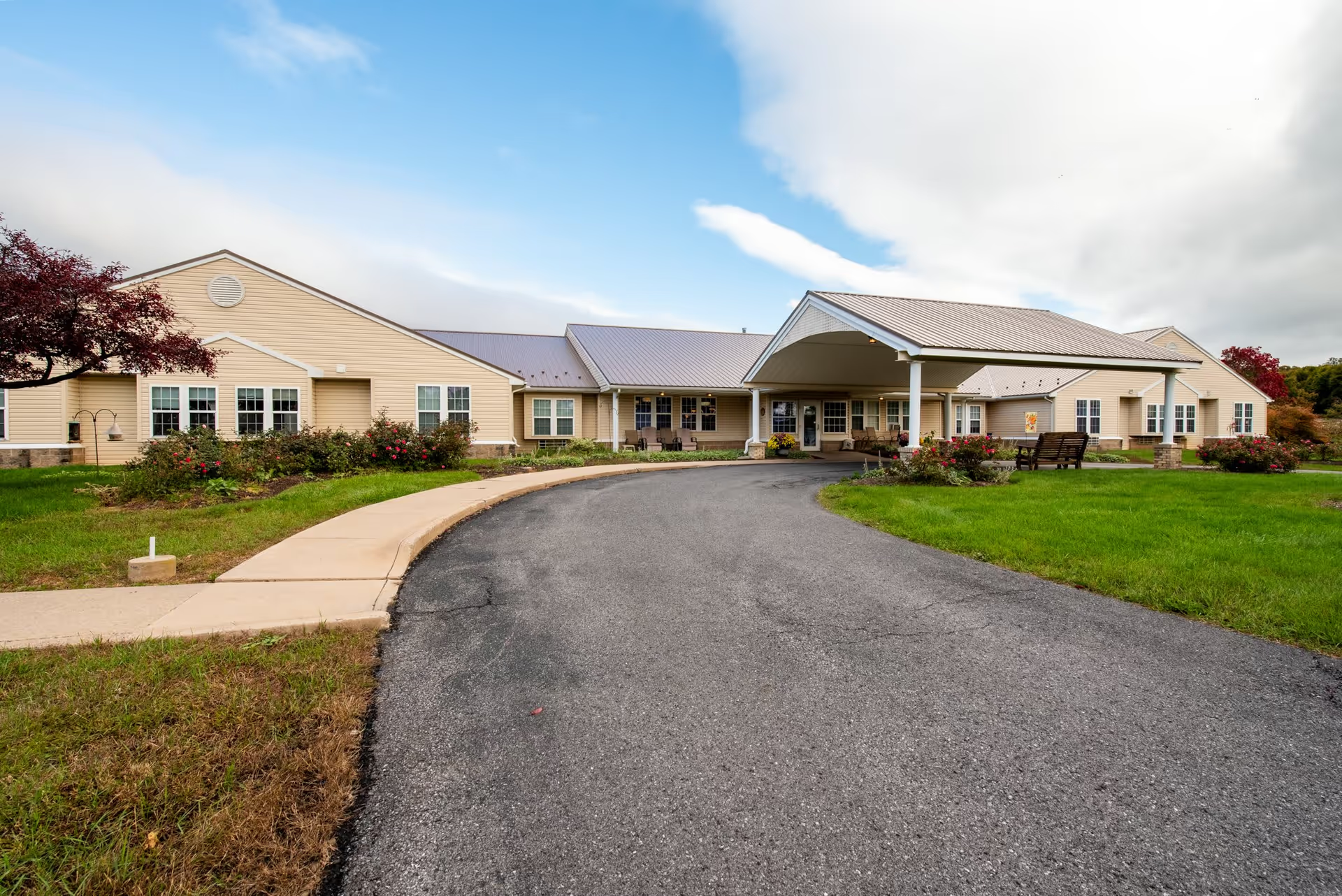
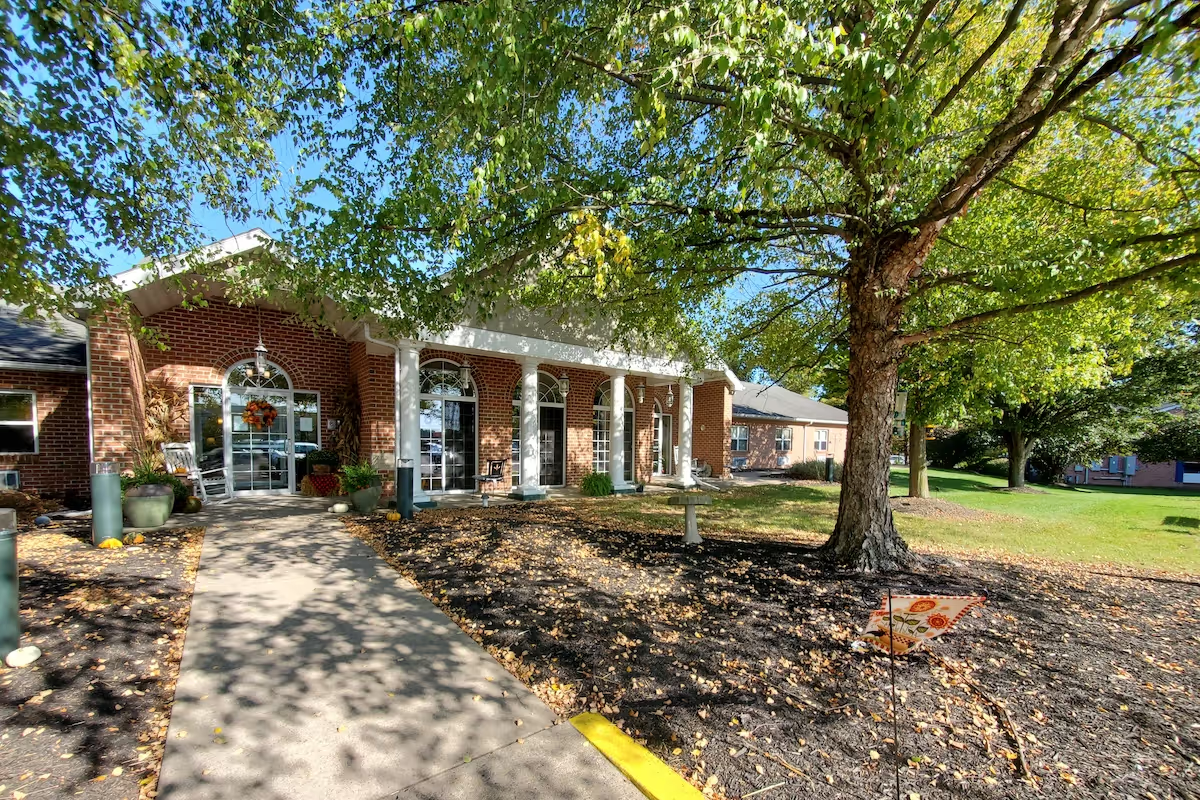
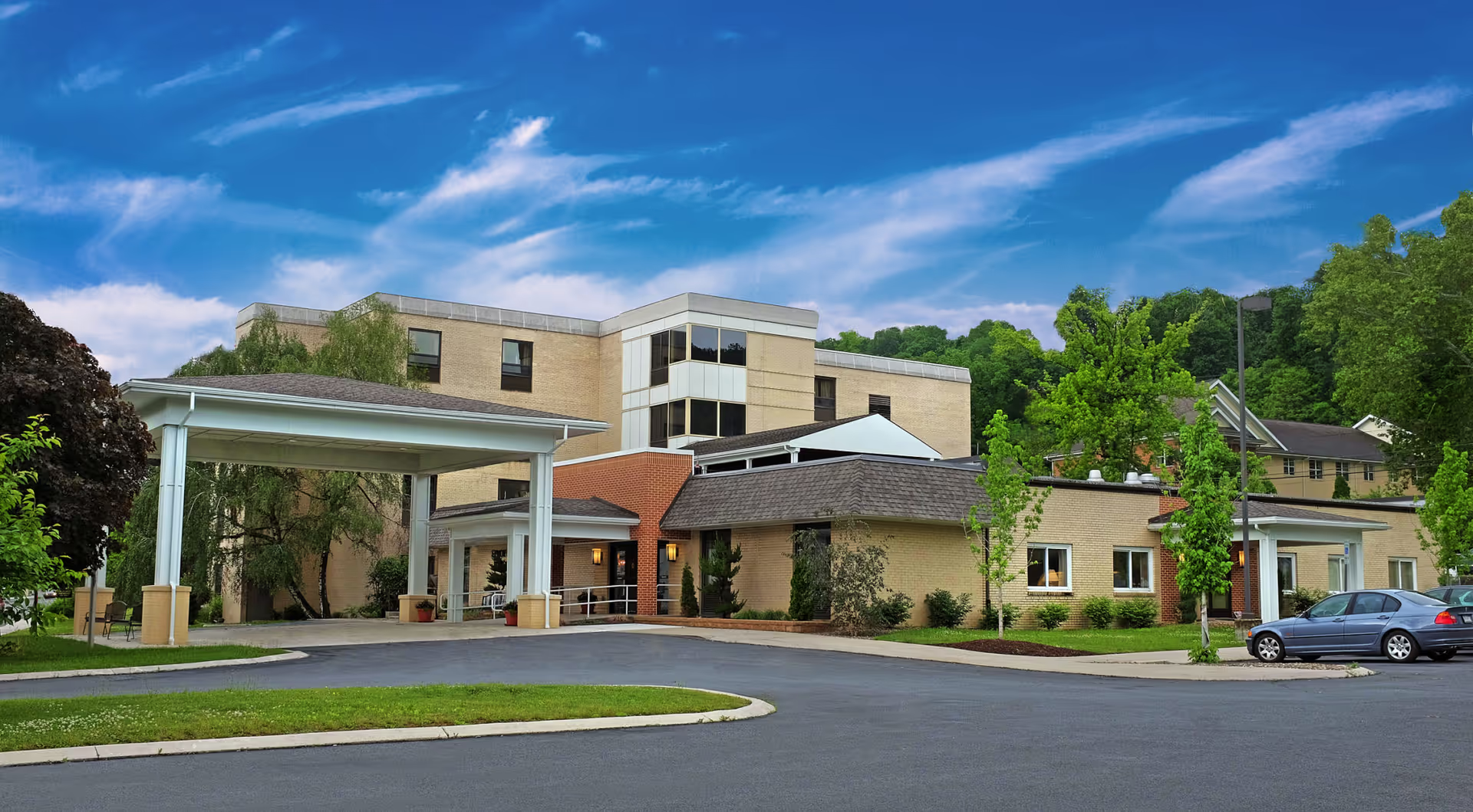
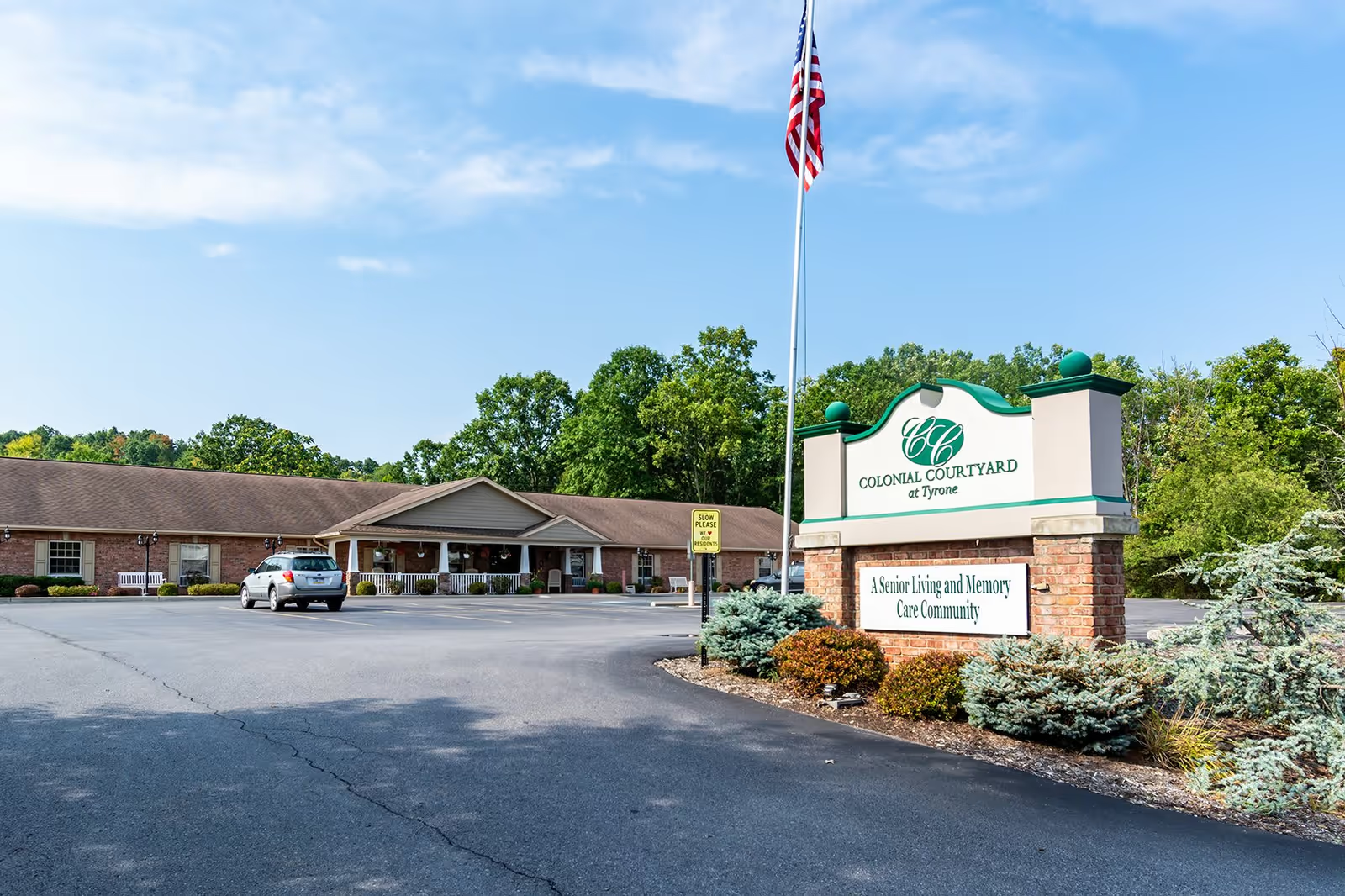
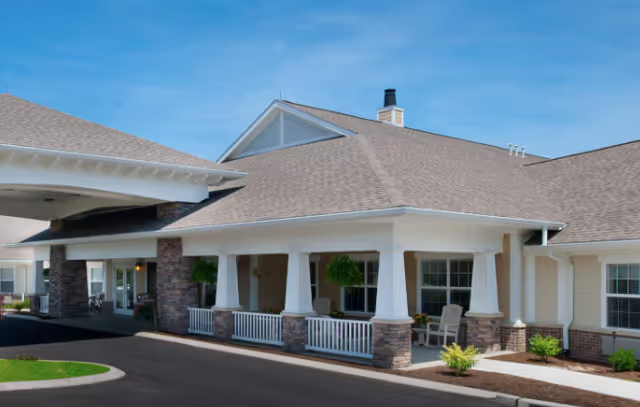
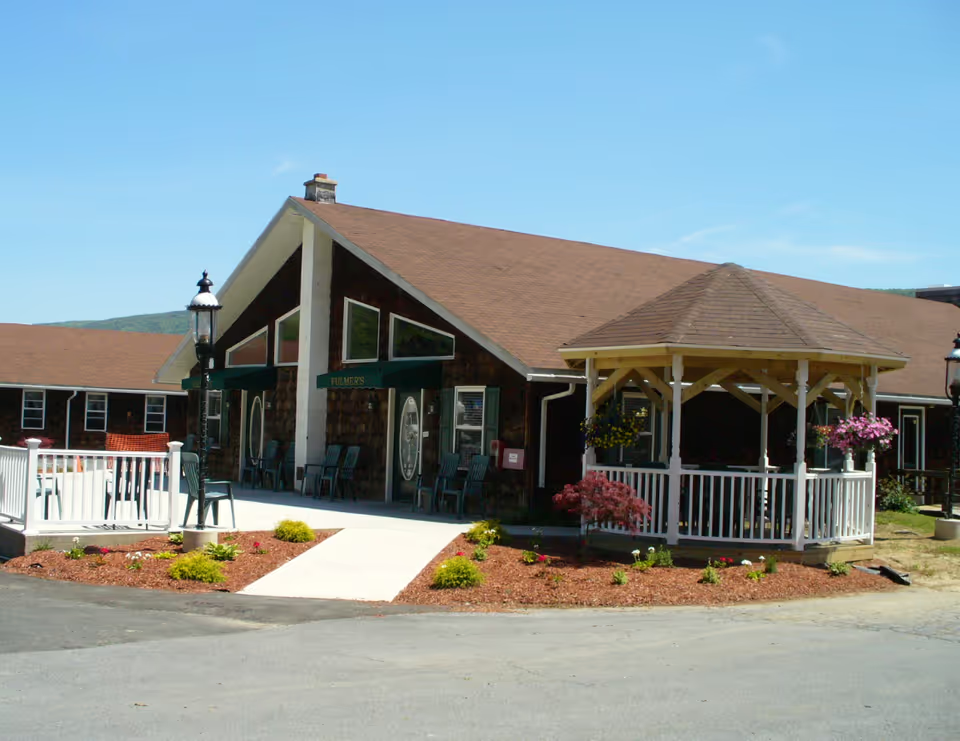
Wynwood House gives an overall impression of a well-appointed, recently built personal care home with consistent praise for its physical plant and front-line staff. Multiple comments highlight the facility's new construction, attractive furniture, spacious single rooms and generally spotless accommodations. Security at night and ancillary services such as laundry, an on-site salon, and a craft room were noted as conveniences that support daily life. Tours are described as accommodating and informative, and residents and visitors often find the community warm and friendly.
Clinical- and personal-care elements receive mixed but largely positive comments. Reviewers describe staff as personable, compassionate and communicative; medication administration is described as reliable and staff were praised for supporting hospice transitions and providing end-of-life comfort. Those impressions suggest competency in routine medication management and responsiveness around planned clinical needs. At the same time, several comments indicate staffing constraints that reduce opportunities for frequent interaction and individualized engagement. That pattern appears to manifest as limited one-on-one time with residents and, in some cases, stressful experiences during hospital transfers, pointing to gaps in care-transition coordination and operational resilience during acute events.
Dining and activities are areas of contrast. The dining service is frequently described positively for meal frequency, presentation and value—the cafeteria was characterized as restaurant-like and prices as reasonable. However, the dining-room layout and long communal seating arrangements were criticized by some as awkward or less comfortable. Activities infrastructure exists (exercise programs, study groups, crafts), and there are organized spaces for social programming and grooming services, but activity quality and variety were viewed as uneven. Some residents find the programming engaging, while others describe low-energy or limited stimulation, suggesting a need for broader or more frequent offerings and more active staff facilitation.
Management and operational patterns appear to favor customer service around admissions and family communication, but there are recurring operational themes to monitor: staffing levels that may constrain engagement, the need for stronger activity programming, and clearer protocols for hospital transfers and care transitions. For prospective residents and families, useful areas to assess on a visit would include observing activity sessions, mealtime arrangements, staffing levels during peak hours, and asking about transfer procedures and staffing ratios. Overall, Wynwood House presents as a modern, clean environment with many strengths in hospitality and basic care, tempered by operational areas that merit clarification and monitoring before move-in.