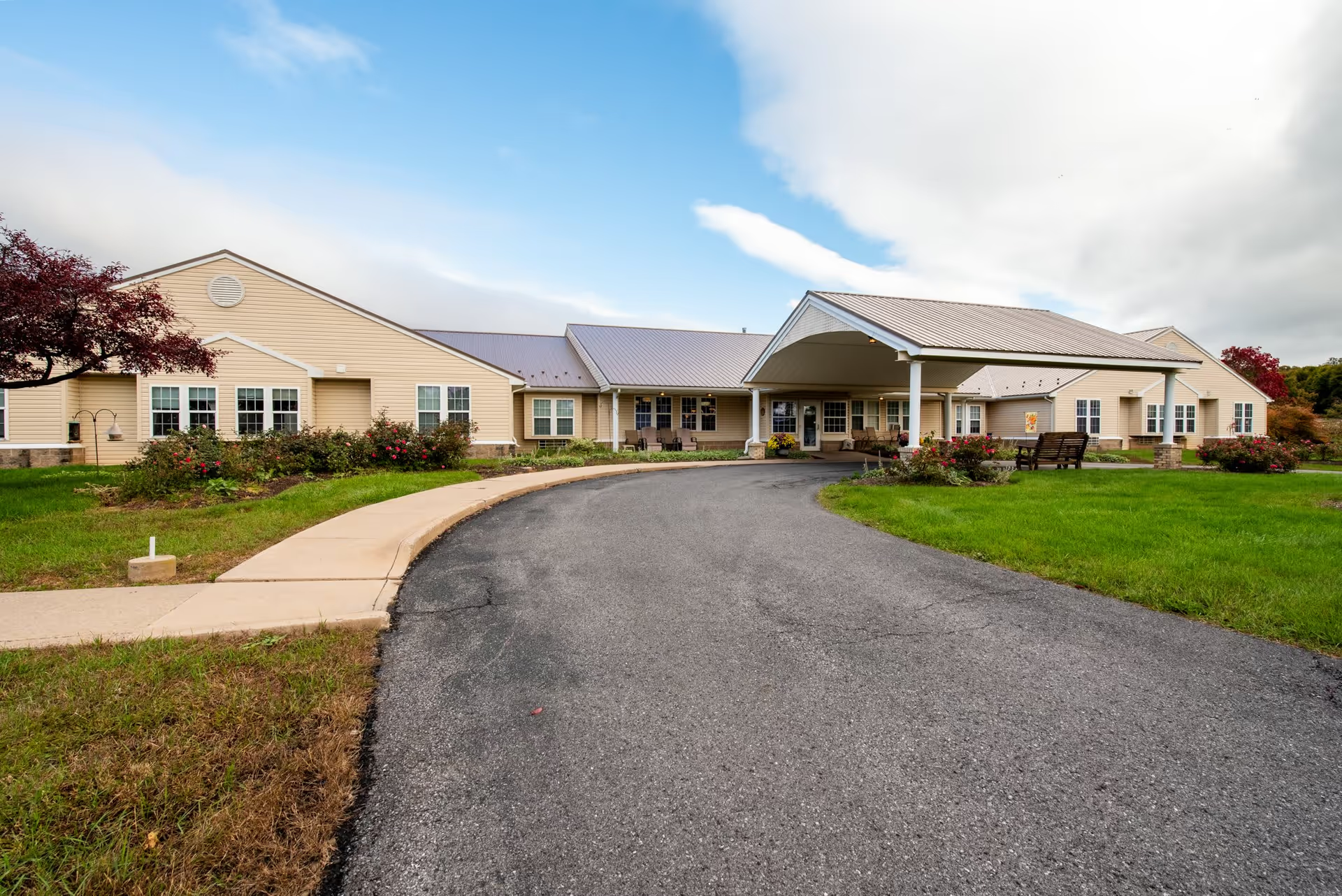
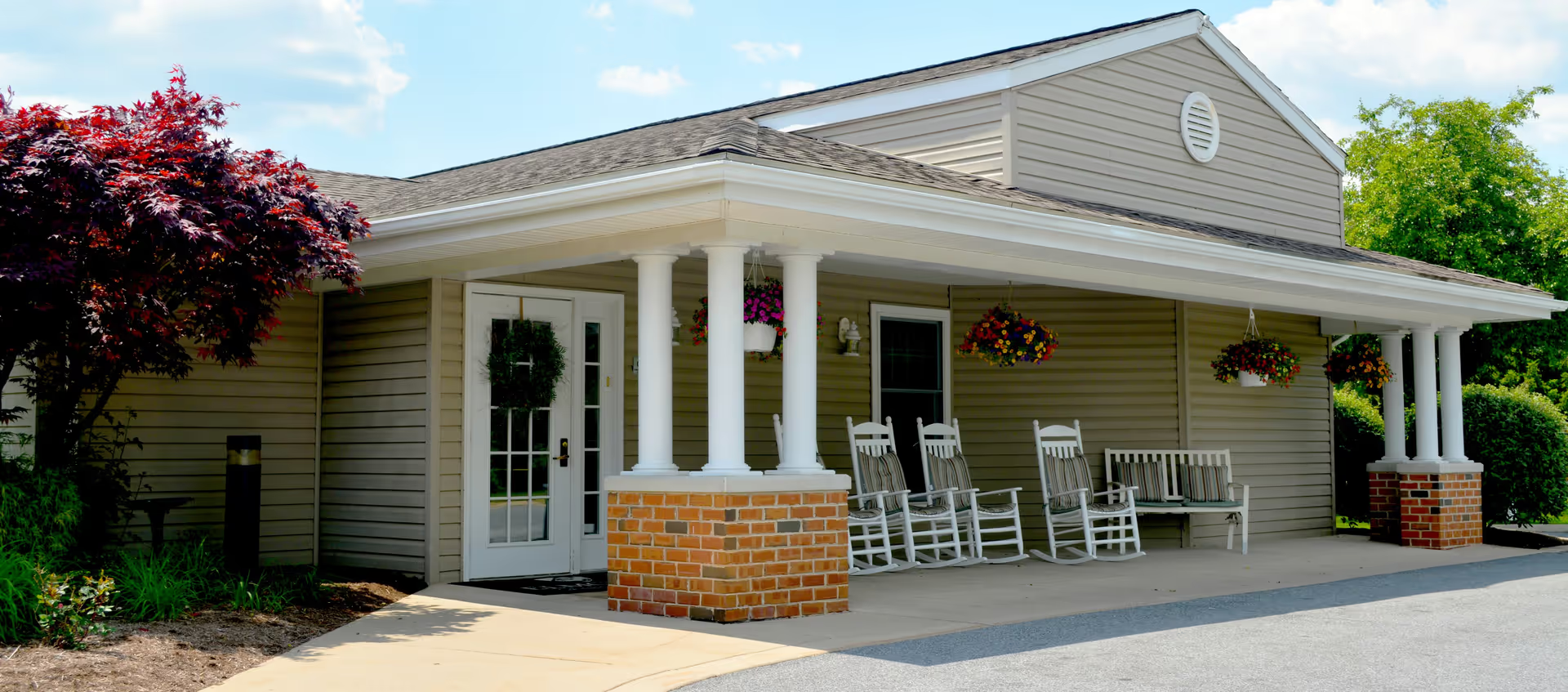
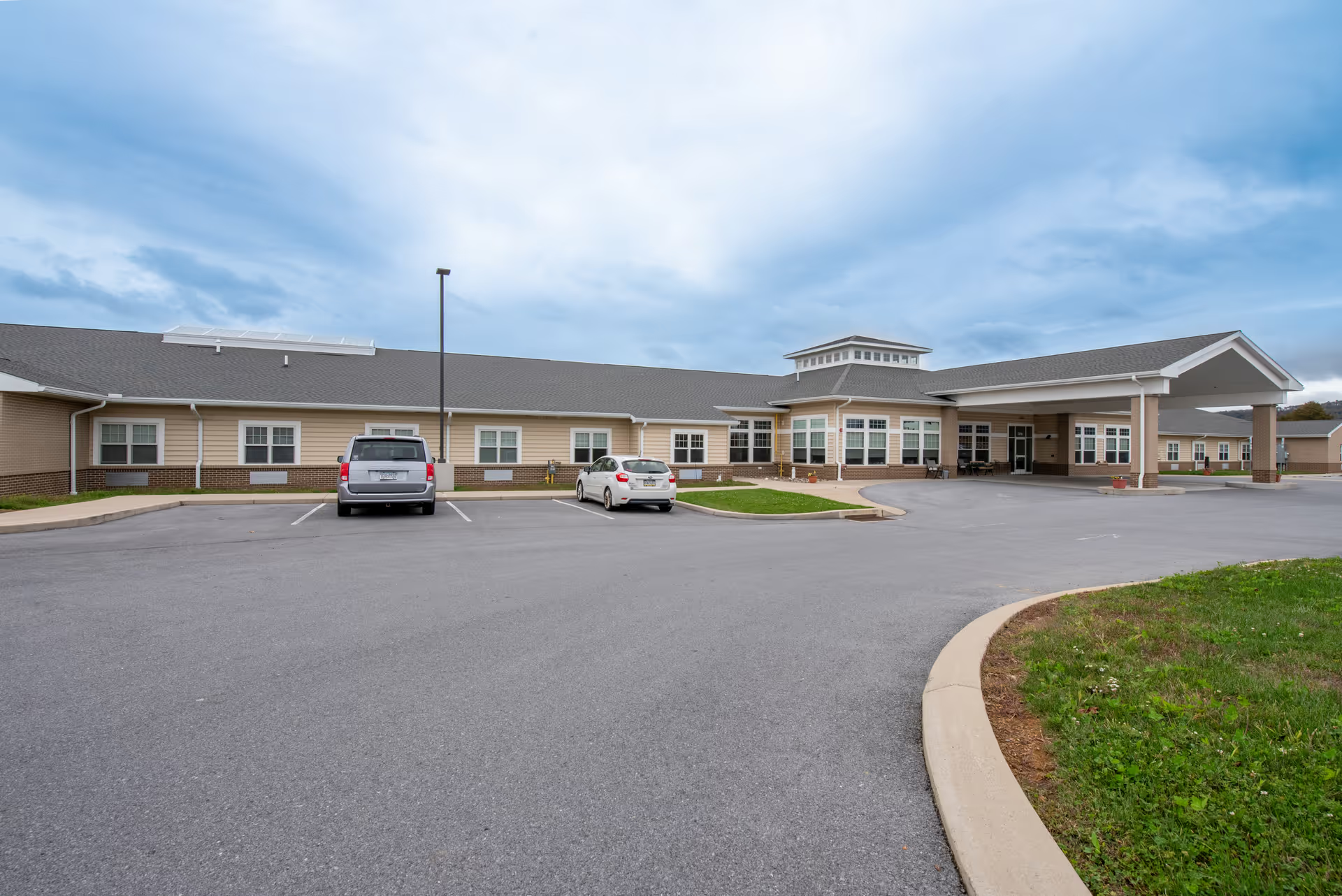
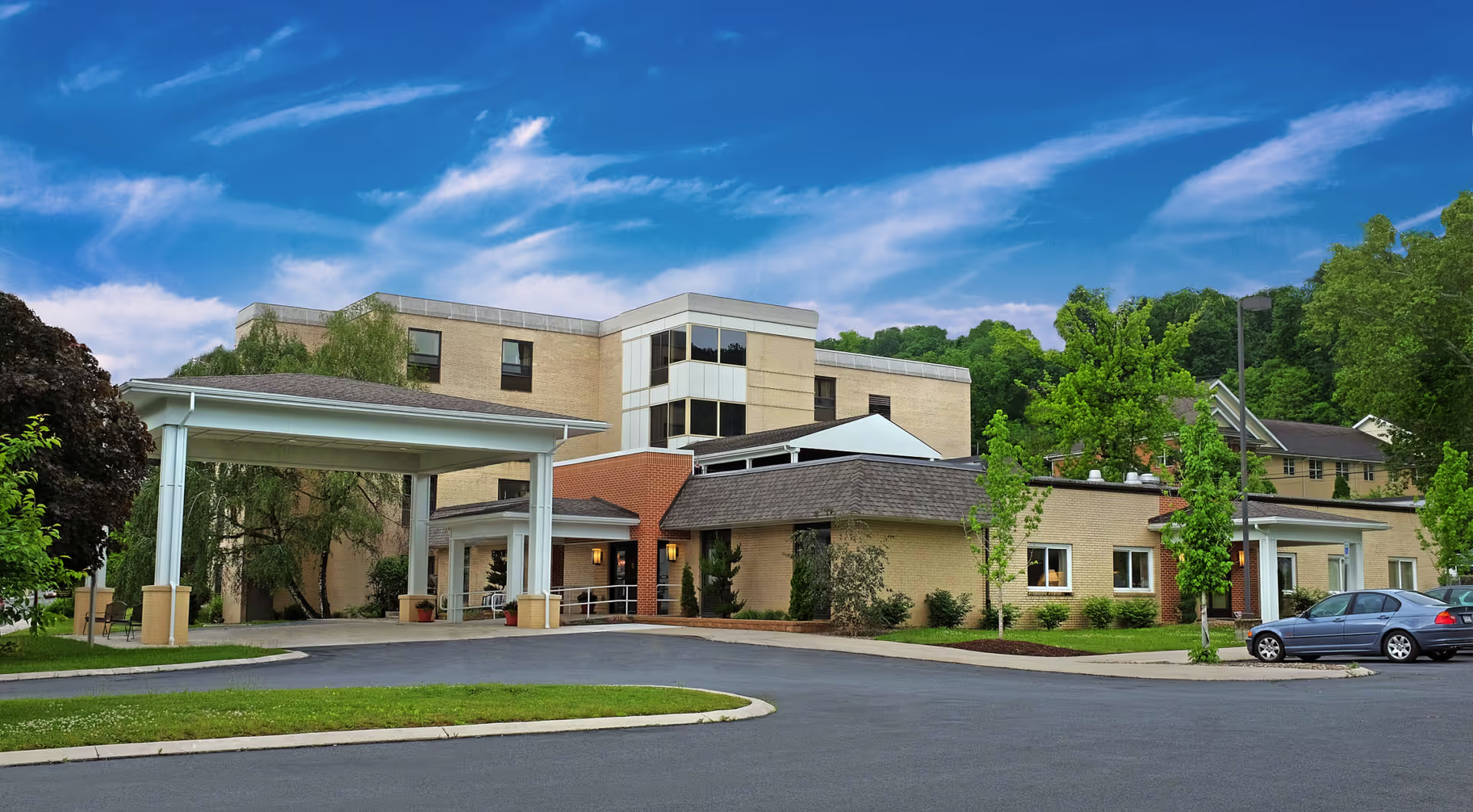
Overall, feedback portrays Wynwood House as a welcoming, home-like personal care setting. Families and other visitors commonly praise the cleanliness and upkeep of the buildings, and describe residents as comfortable and happy. Several comments emphasize friendly, patient staff and attentive support for both residents and families. One family also valued the accessible, accommodating admissions contact and the ability to visit and prepare a room flexibly.
Care experiences are mostly described positively, including individualized attention and an experienced nurse who was praised for supporting a resident and family. However, one critical account from Nittany Valley raised concerns about clinical judgment regarding an elevated blood-sugar reading, nurse coverage, the setup of basic accommodations, and the handling of laundry and incontinence-care routines. The same account described rooms as uncomfortably cool. These concerns are concentrated in that account and are not reflected in the broader pattern of positive feedback, but they indicate areas families may wish to discuss directly, especially clinical oversight, staffing continuity, and resident-specific equipment and comfort needs.
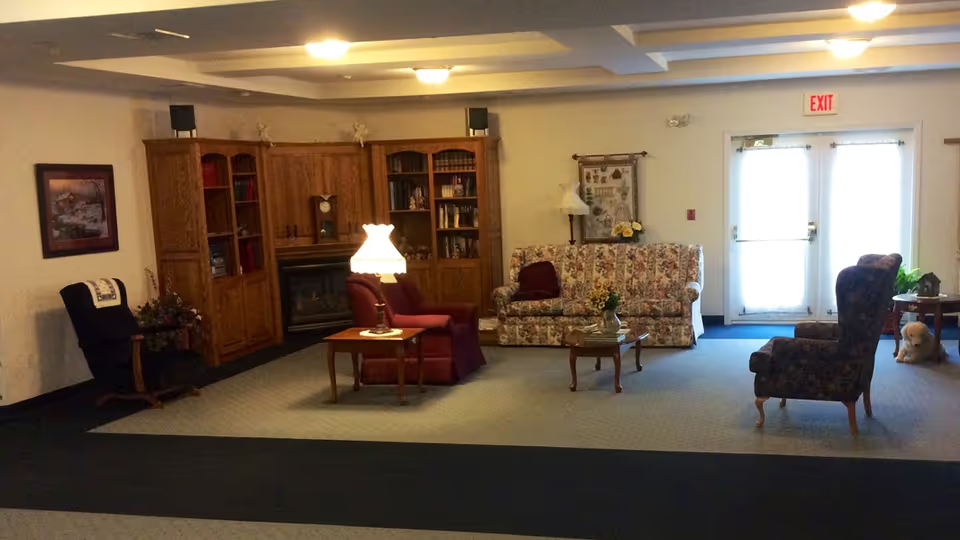
Dining feedback is favorable: families describe the food as good, varied, and in one case particularly enjoyable to a resident. Activities include crafts, puzzle tables, and a craft room, with options for residents to personalize their rooms with pictures and decorations. The setting is described as small and easy to navigate, with a cozy, residential feel rather than an institutional atmosphere. A suite option was also described as less expensive than alternatives considered by one family.
Management and communication feedback is largely positive, including praise for a responsive, accommodating contact during the move-in process. One family, however, expressed disappointment with the facility's communication and acknowledgment after a resident's death. Taken together, the reviews are strongly favorable but vary in detail; prospective families may want to ask about clinical escalation practices, staffing coverage, temperature adjustments, personal-care routines, and family communication during significant transitions.