Overall impression: Feedback presents a mixed but coherent picture. Families and observers repeatedly highlight a well-kept physical environment and staff who are courteous, professional, and compassionate. At the same time, operational issues related to staffing and staff conduct are a common source of dissatisfaction that can affect day-to-day care continuity.
Care quality: Clinical and personal care receive both praise and concern. Positive comments emphasize compassionate caregiving and respectful communication with families, indicating that when staff are present and available they provide attentive support. However, the dominant operational concern is inconsistent responsiveness — examples include missed clinical coverage and delays in attending to resident needs. These indicate a pattern of gaps in clinical-coverage continuity and timeliness of response that prospective families should probe further during a visit.
Staff: Staff are frequently described as kind, helpful, and professional, and leadership (identified by name in comments) is credited with creating a positive environment. Concurrently, several operational themes emerge: understaffing and high workload for aides, low caregiver compensation contributing to workforce strain, and observable lapses in professional focus during shifts (conversational distractions and extended unscheduled breaks). Together these traits suggest staff are committed but stretched; family interactions may be good, while routine direct-care tasks and timely responses can be inconsistent.
Dining and activities: Reviews provided little specific information about dining quality or the range of activities. There is no consistent praise or criticism to form a reliable assessment. Prospective families should request current menus, meal service routines, sample activity calendars, and observe a mealtime or activity session during a tour to evaluate these areas directly.
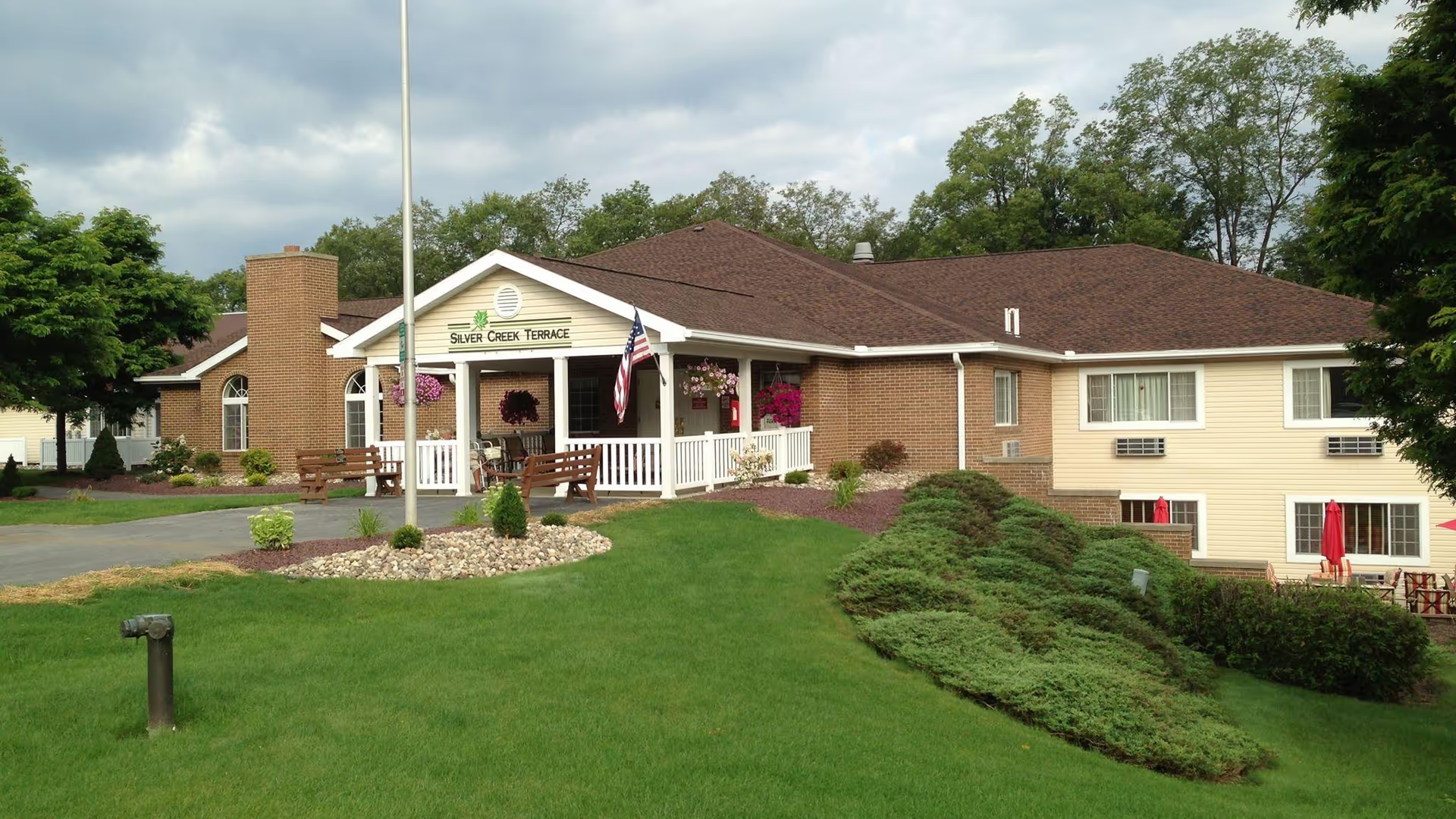
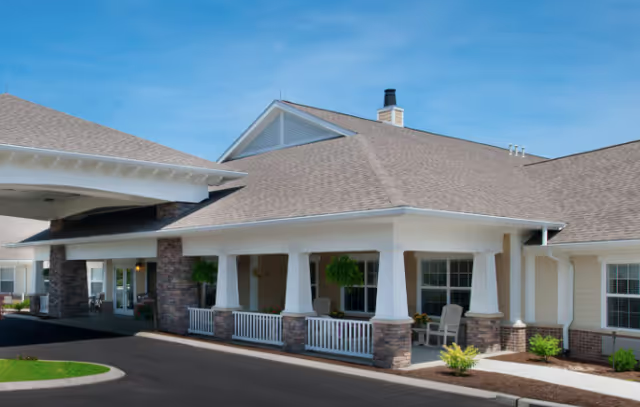
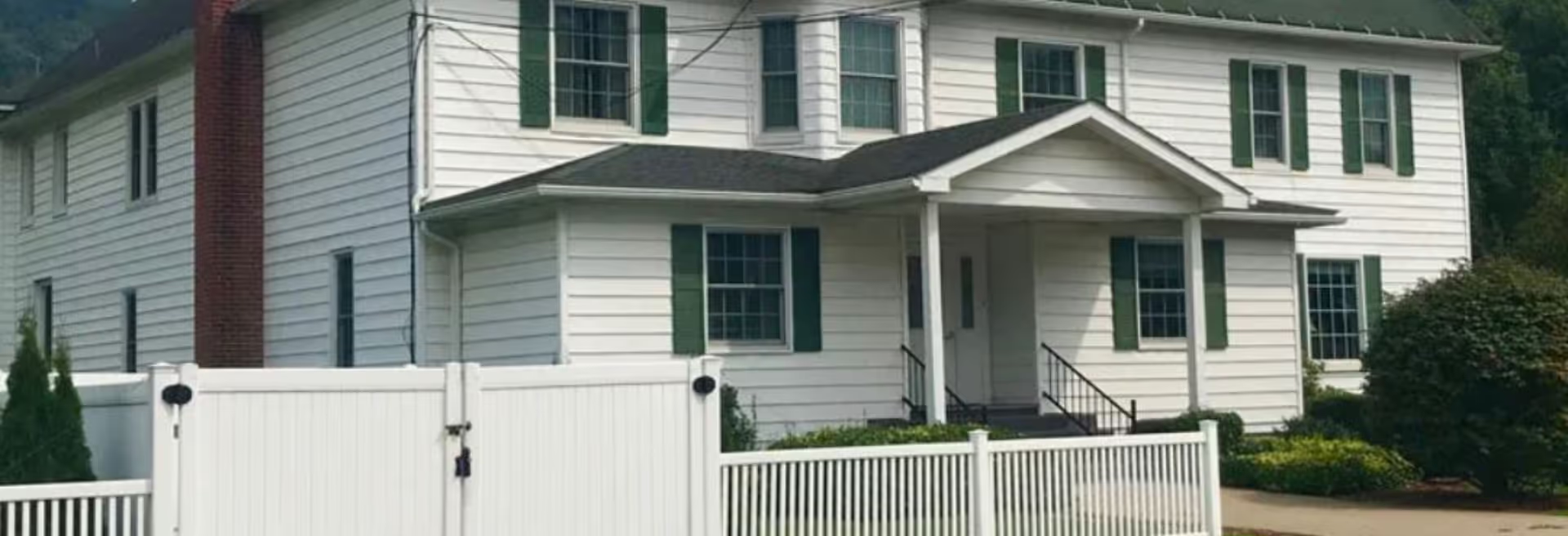
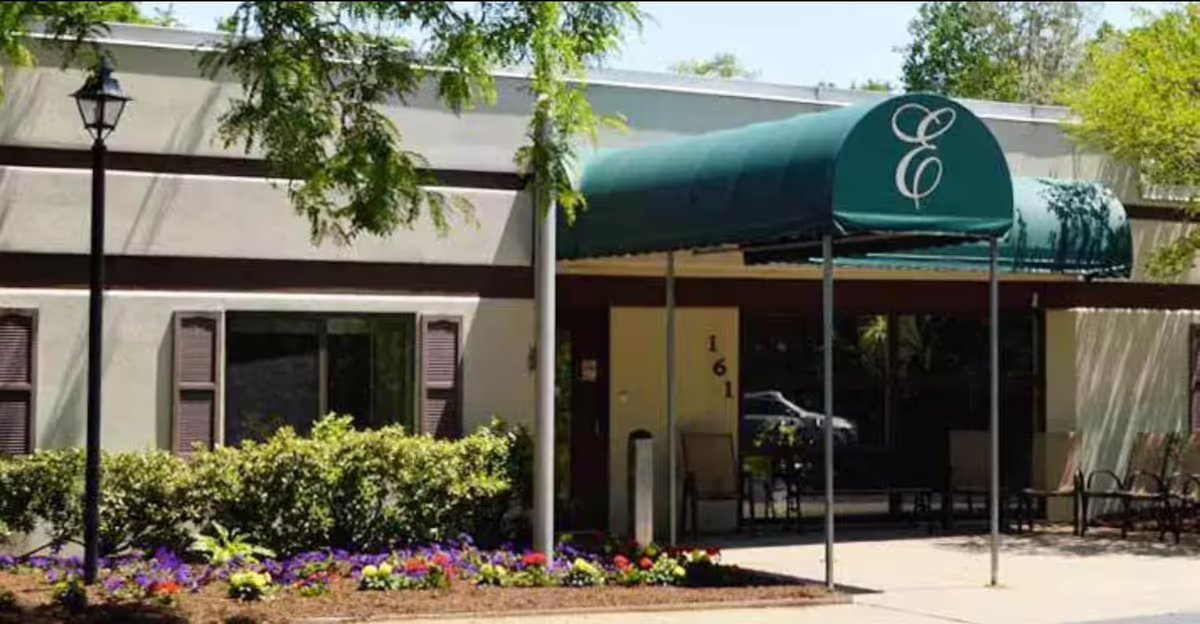
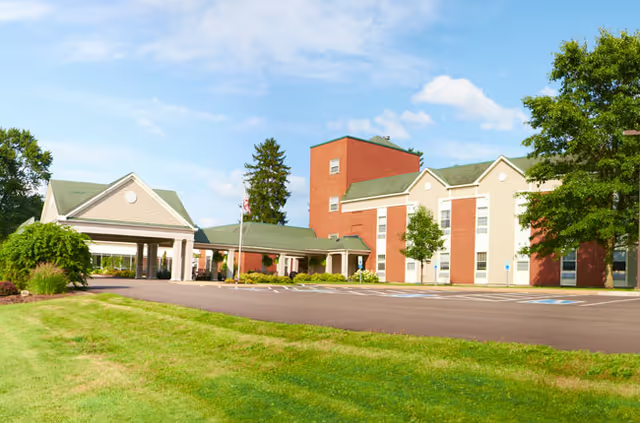
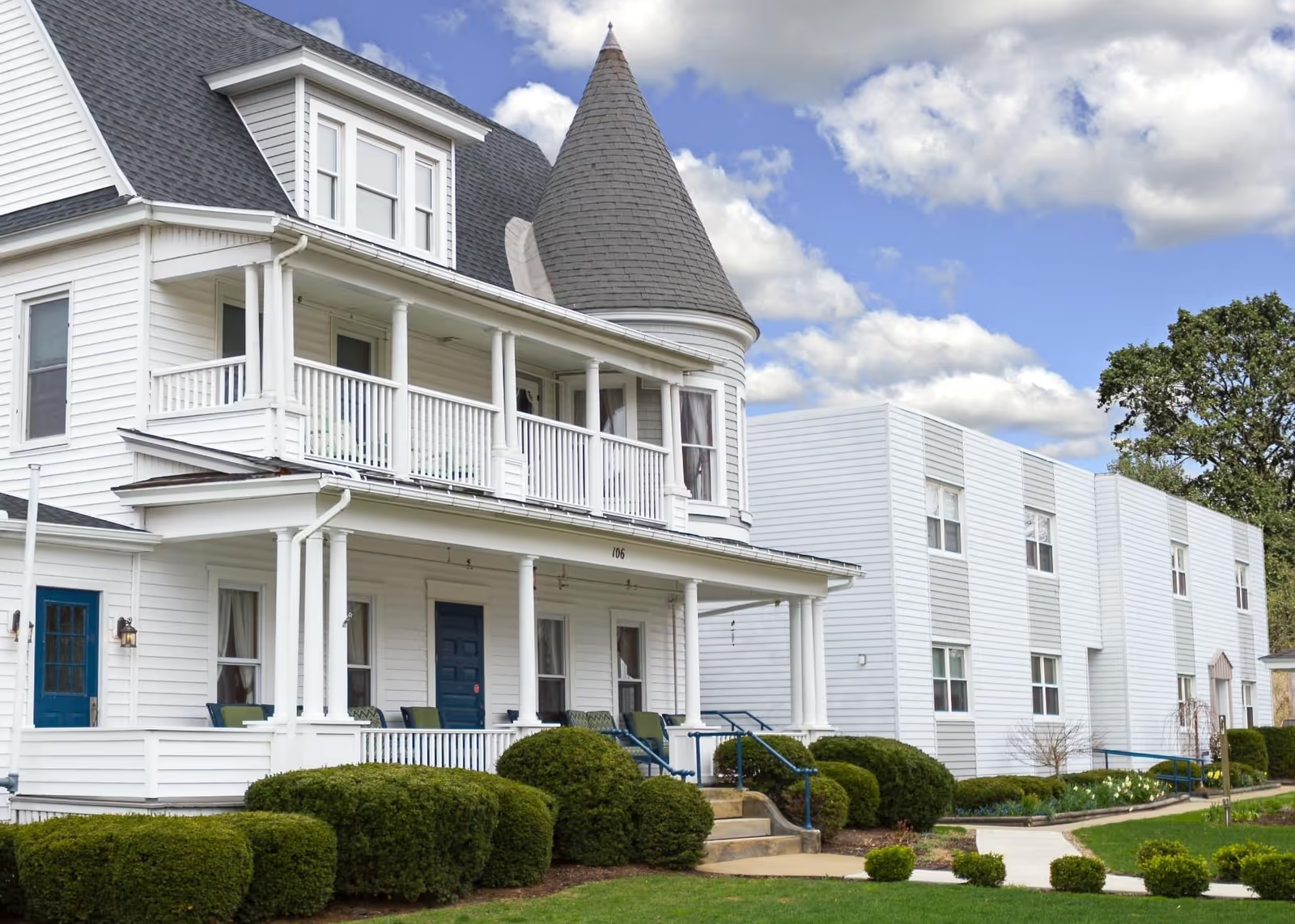
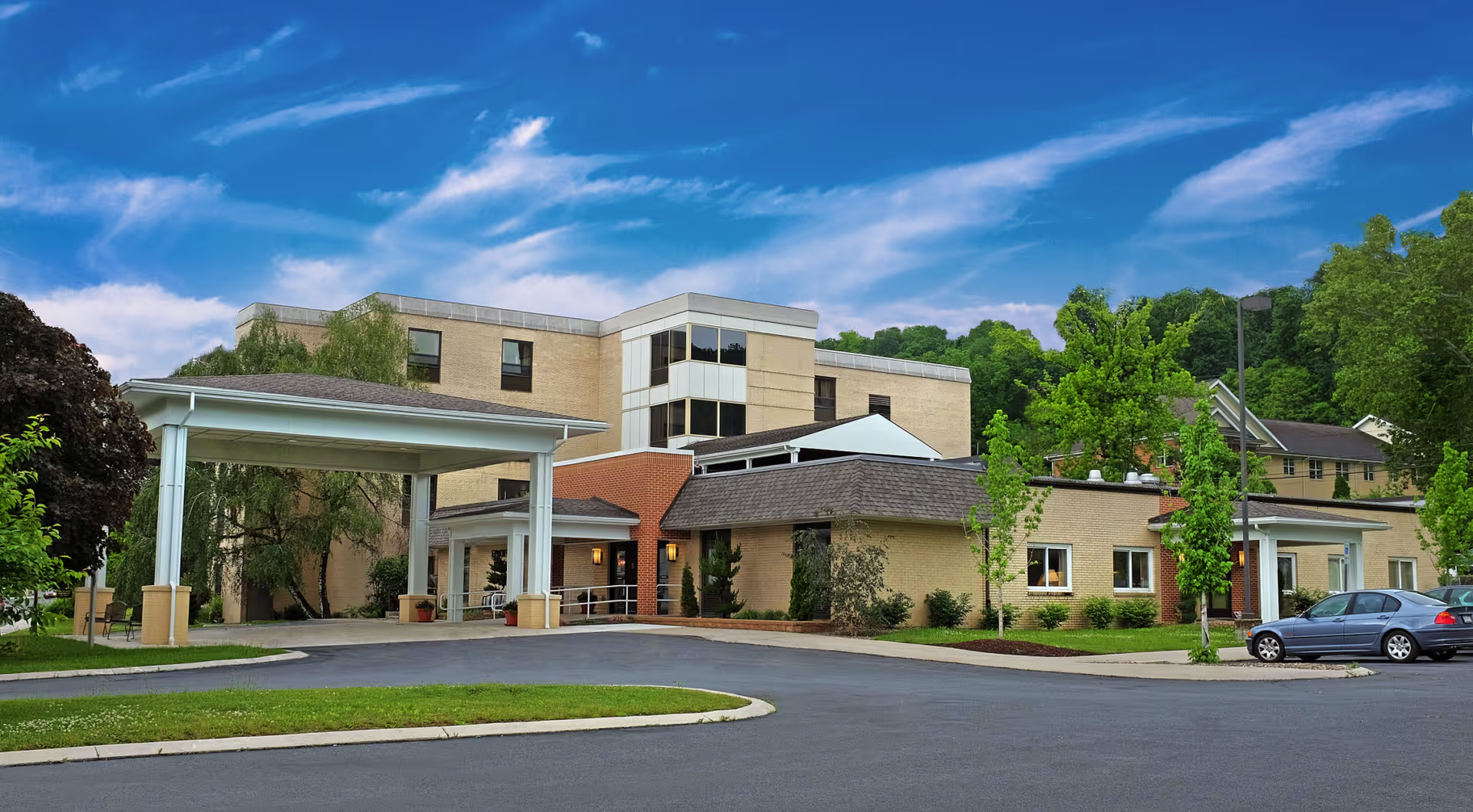
Facilities: The facility’s physical plant is consistently described as clean and well maintained. That positive stands out as a strength and suggests attention to housekeeping and general maintenance. If sanitation or odor concerns arise in future feedback, those would be operational issues distinct from the present descriptions, which emphasize upkeep.
Management and notable patterns: Management receives credit for fostering a constructive atmosphere, but reviewers also describe systemic workforce challenges that management may need to address — specifically compensation and staffing levels that affect continuity of care. Notable patterns are the combination of strong interpersonal interactions when staff are present, alongside recurring operational weaknesses: staffing shortages, sporadic availability, and insufficient direct resident engagement. These patterns point to a facility with solid cultural and physical strengths that would benefit from focused improvements in staffing strategy and shift supervision.
Recommendation for prospective residents/families: During a visit, verify staffing ratios at different times of day, ask about caregiver turnover and compensation/retention efforts, observe mealtimes and an activity session, and clarify management plans for coverage during breaks or absences. Direct observation and specific operational questions will help confirm whether the facility’s caregiving strengths are consistently delivered in practice.