Overall impression: Reviews of Manorcare Health Services - Sunbury are mixed but show clear patterns. A substantial number of families and former residents described attentive, compassionate caregiving and a rehabilitation program that contributed to measurable recovery and return home. At the same time, there are recurrent operational issues — primarily inconsistent staffing and variable clinical follow-through — that led to negative experiences for other families.
Care and staff: Many accounts praise nurses, aides, therapists, and admissions/social-work staff for being kind, informative, and hands-on. Therapy and rehab services receive frequent positive mention as effective and goal-oriented. Several reviewers also praised visible administrative involvement and daily rounds. Conversely, variability in staffing levels, particularly overnight and during certain shifts, was a common concern; linked effects included longer waits for assistance, missed or delayed bedside checks, and pressure on staff to work faster. A small number of reviews raised serious conduct and communication concerns that merit attention; these were not the dominant narrative but indicate that family members should ask specifically about staff training, incident reporting, and supervision.
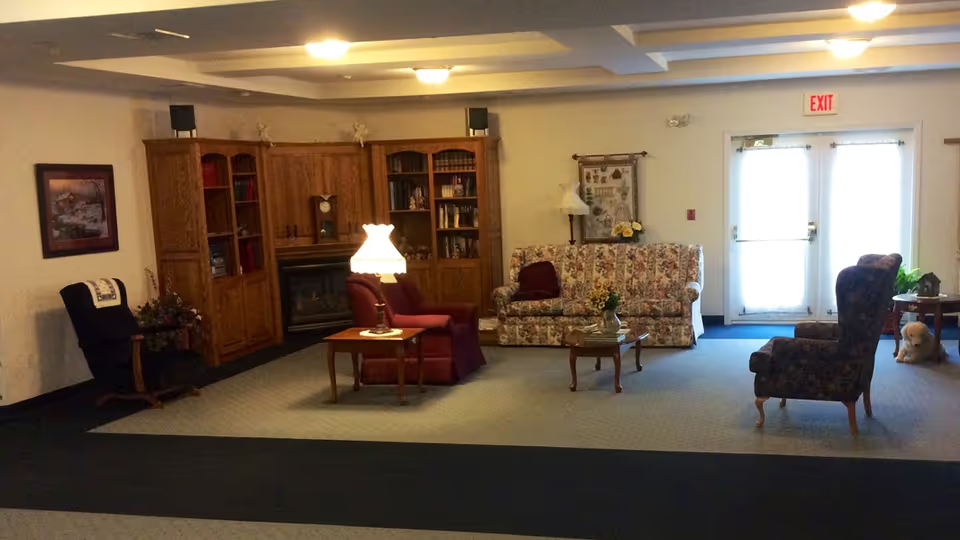
Dining and activities: Activity programming and social events are consistently noted as strengths, with families describing an engaging, home-like atmosphere and festive participation. Dining impressions are mixed: many reviewers described high-quality meals and helpful dietary staff, while others described inconsistent meal preparation, availability problems, or long delays. Prospective residents should confirm current menu practices and accommodations for special diets before admission.
Clinical coordination and safety: Several reviews identified gaps in clinical documentation, wound-care follow-through, and coordination with outside physicians or hospital discharge orders. These gaps manifested as delayed or inconsistent wound management and challenges arranging outside appointments. There are also recurring concerns about safe-transfer practices and the effects of rushed care on resident safety. Families should review the facility’s protocols for clinical documentation, wound care, fall-prevention, and transfer training when assessing fit.
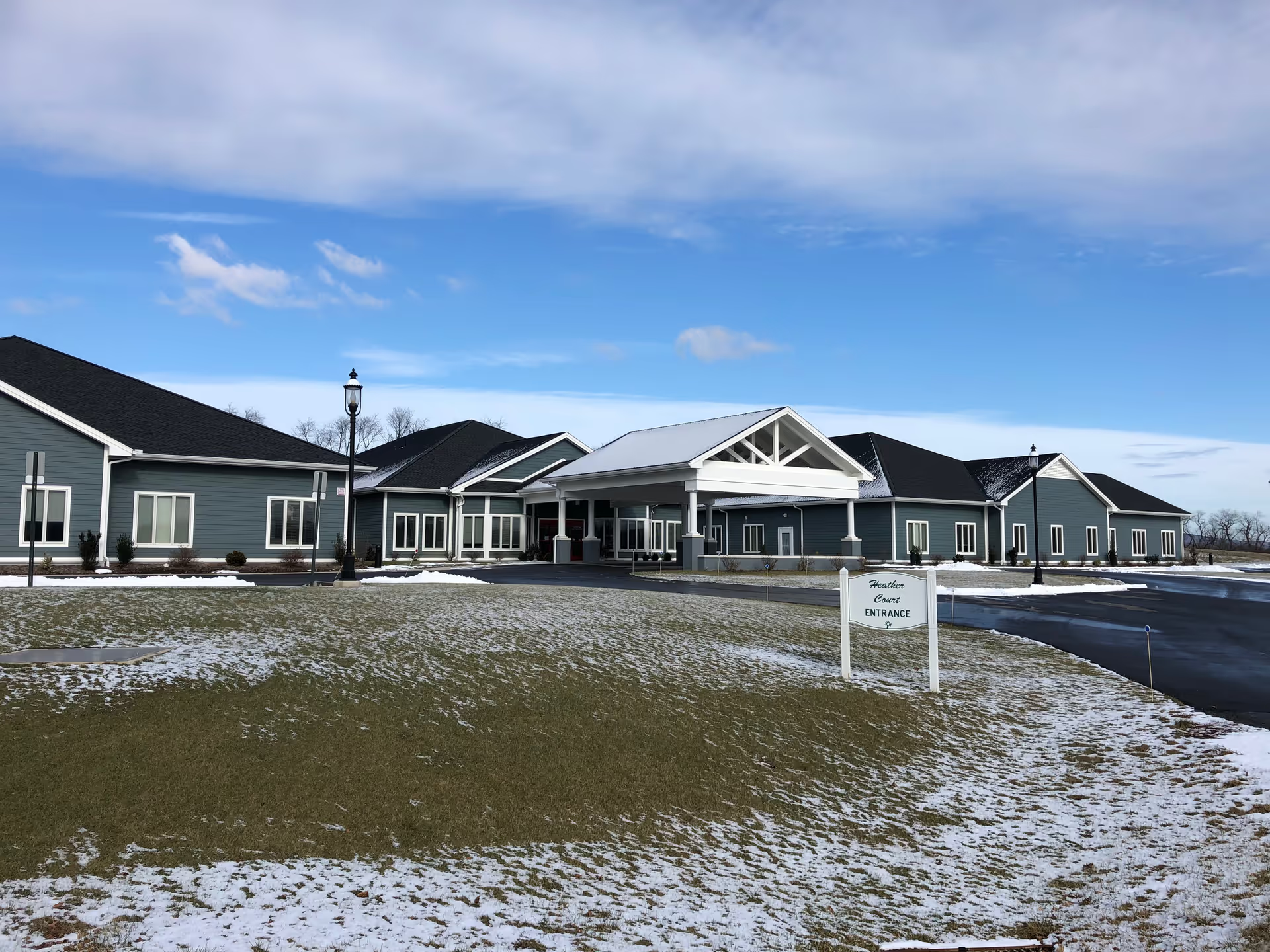
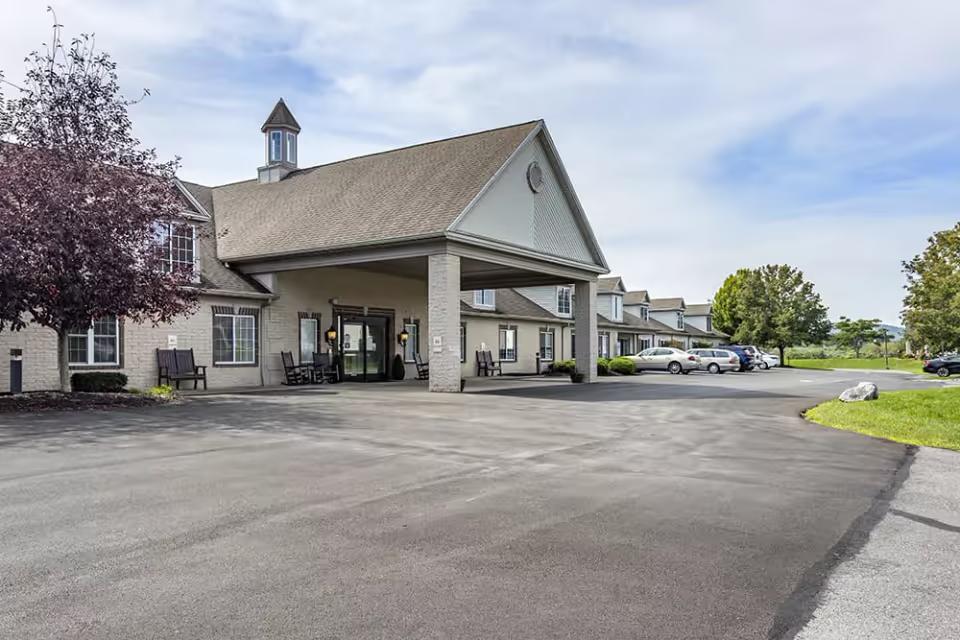
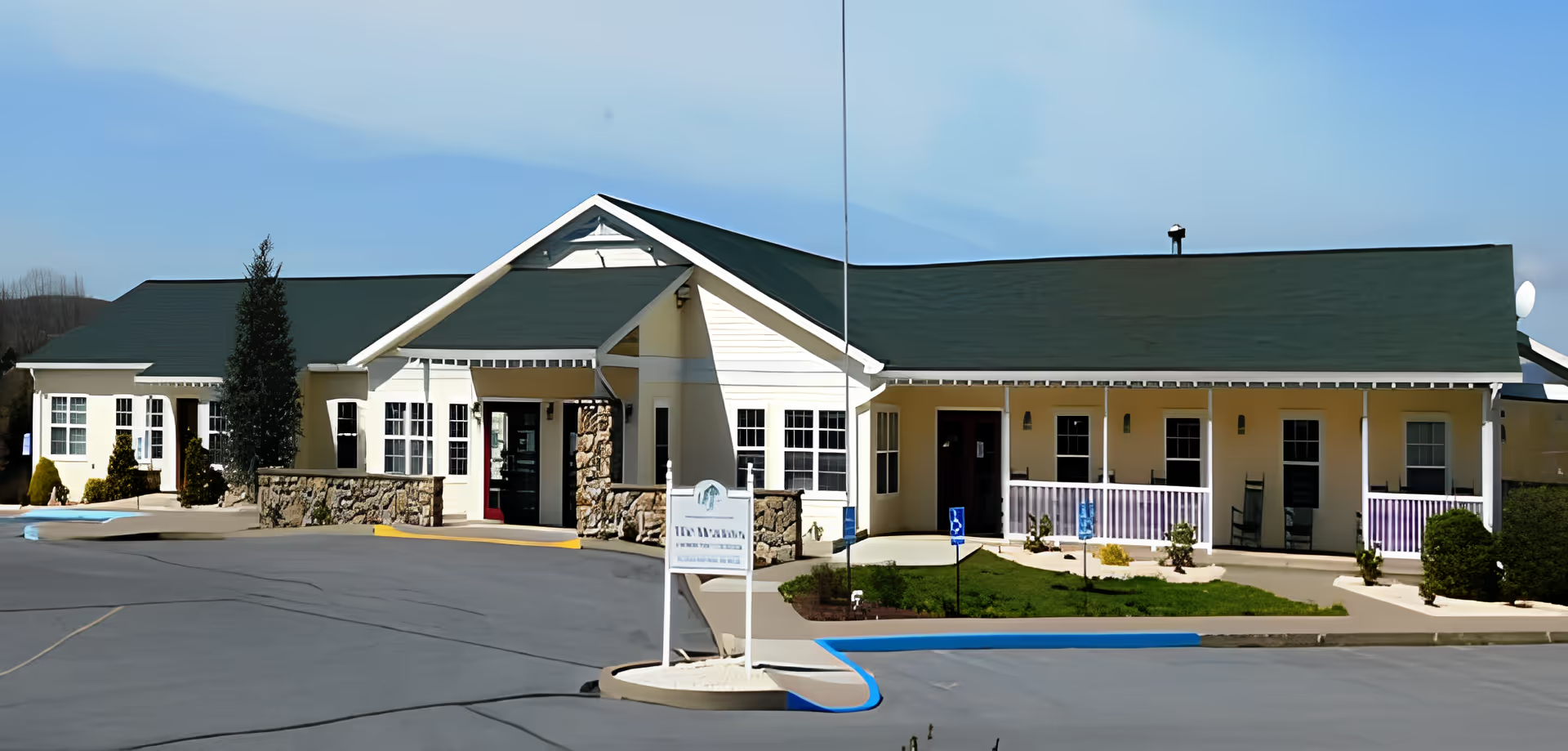
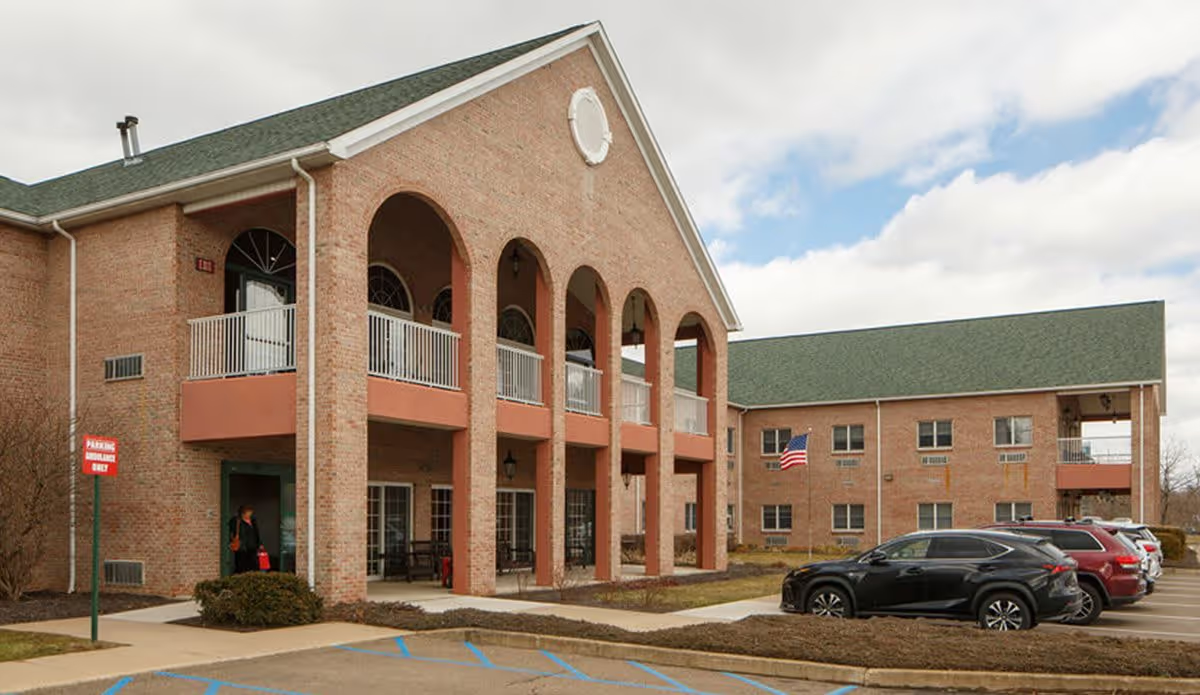
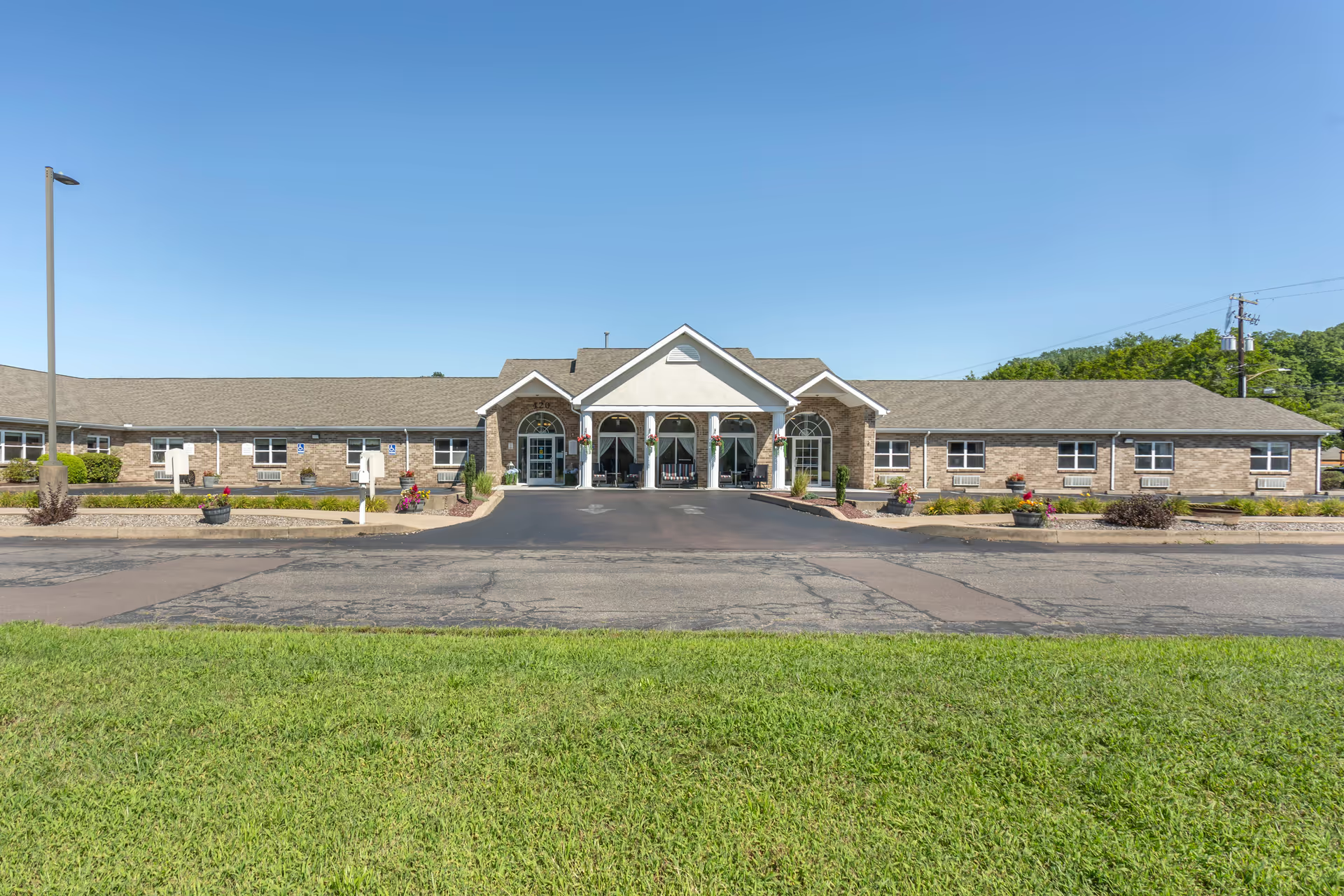
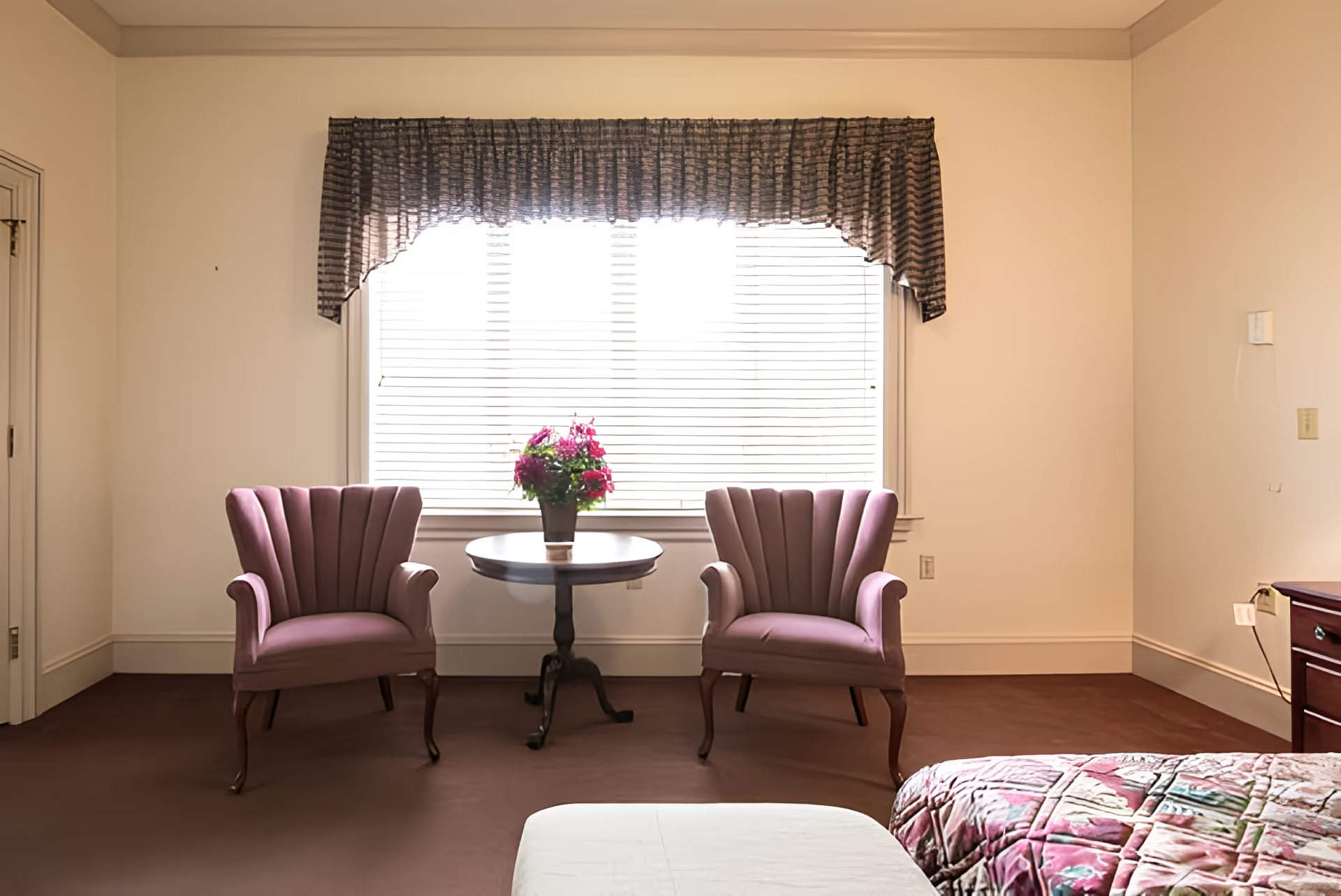
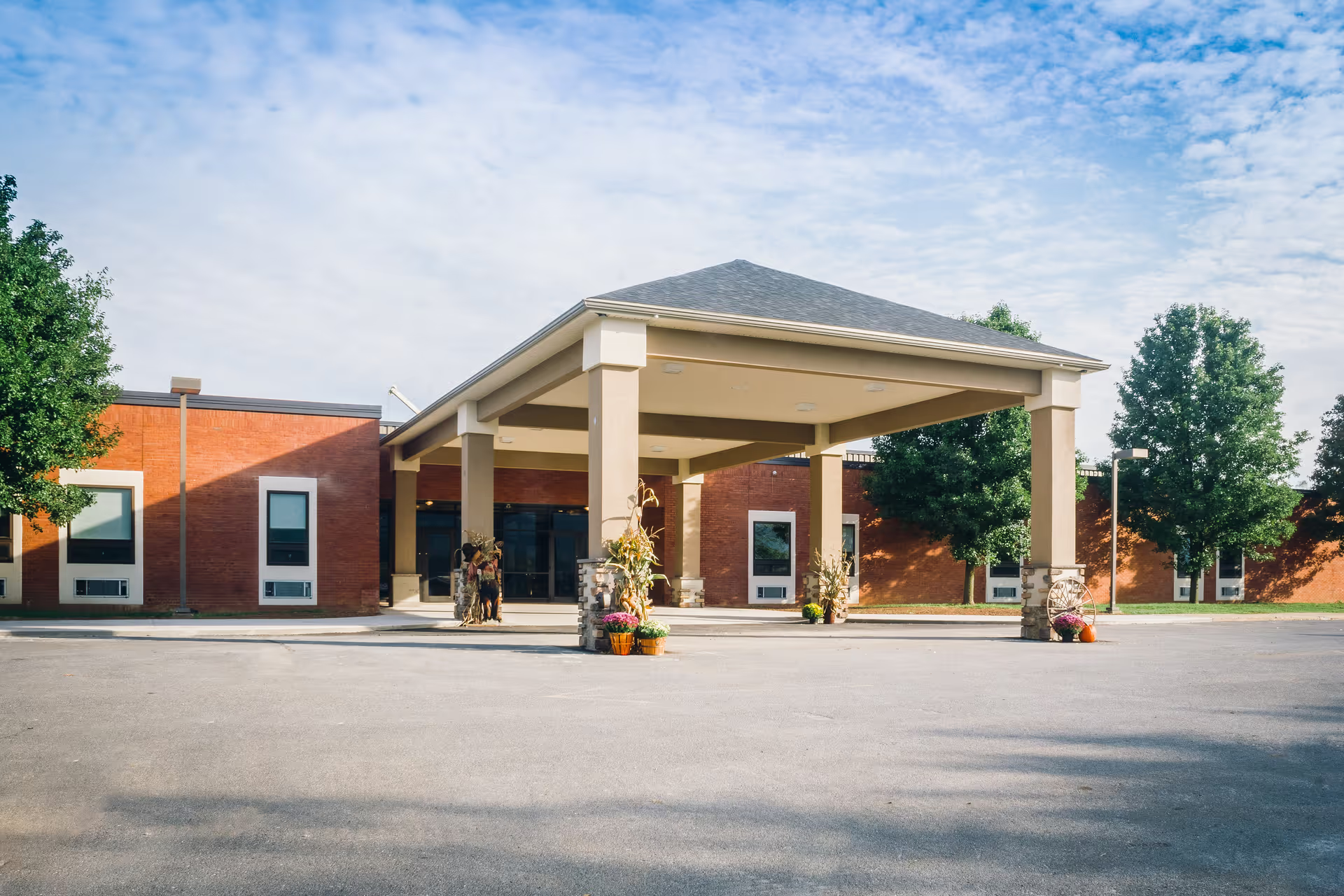
Facilities and operations: The building is described as generally clean and maintained, with effective housekeeping and maintenance personnel. Some reviewers, however, reported odor or sanitation concerns in particular areas. Administrative systems such as electronic entry, front-desk processes, and supportive admissions staff received positive remarks. At least one reviewer perceived a decline in quality following an ownership change, suggesting some operational instability that prospective families may wish to investigate.
Notable patterns and recommendations: The dominant strengths are caregiving compassion, effective rehab services, and an active activities program. The primary weaknesses are operational: inconsistent staffing, uneven meal-service reliability, gaps in clinical follow-through and documentation, and occasional problems with personal-property management and communication responsiveness. When considering this facility, families should (1) ask about current staffing ratios and overnight coverage, (2) review wound-care and clinical documentation protocols, (3) verify meal accommodations and meal-delivery procedures, (4) inquire about property-loss procedures, and (5) meet with admissions/social-work to confirm care-planning and communication expectations. These targeted questions can help determine whether the facility’s strengths align with a particular resident’s clinical and social needs.