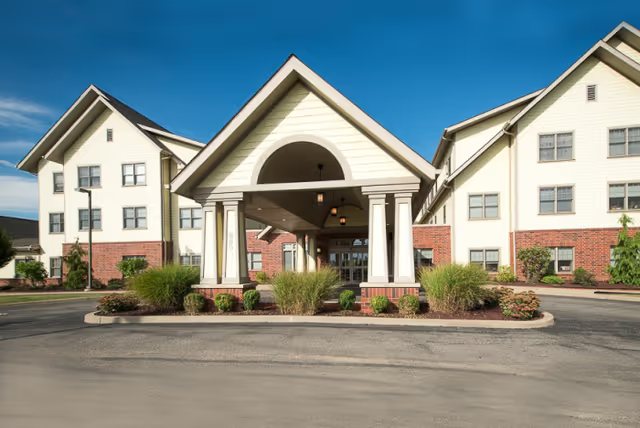
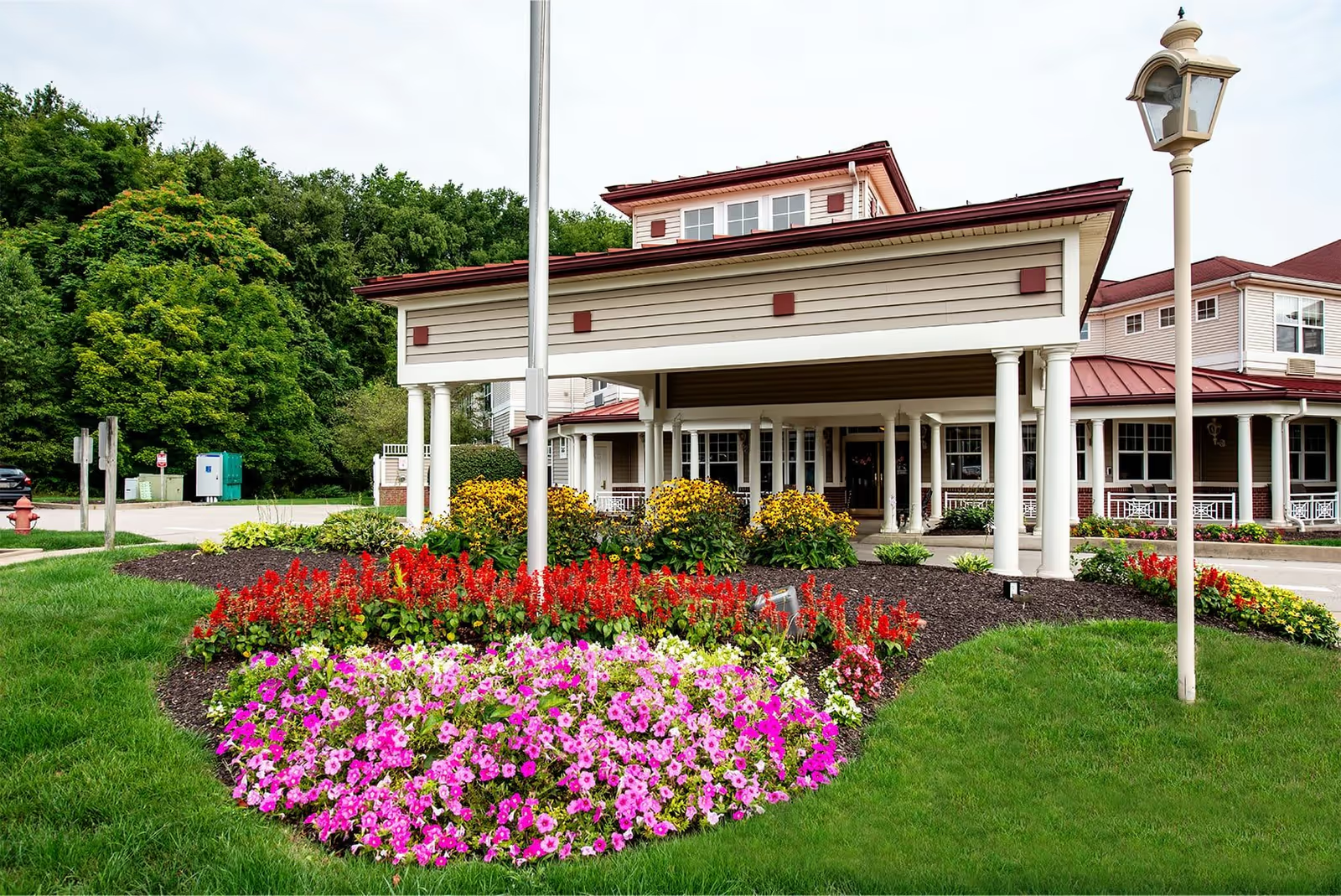
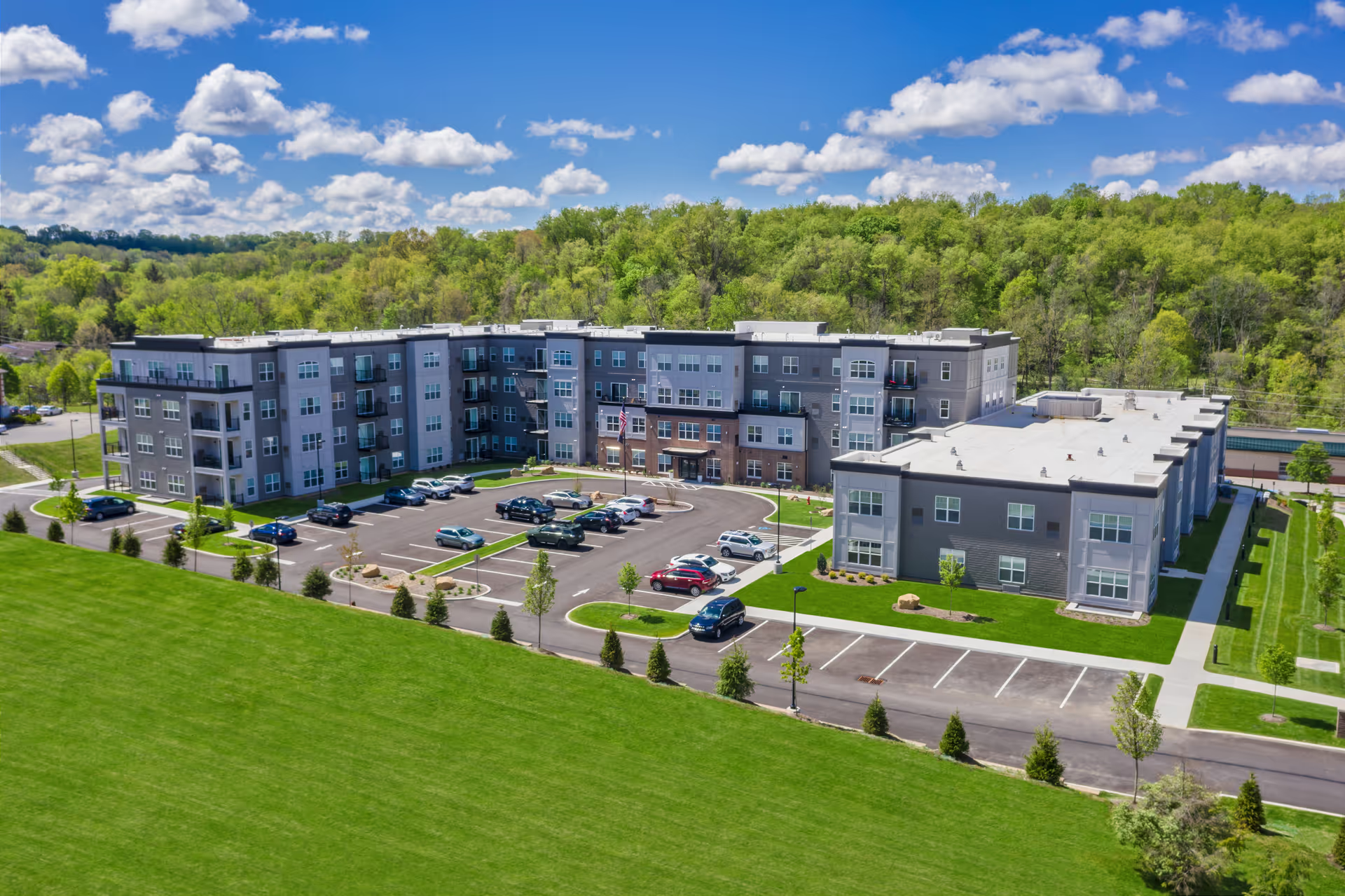
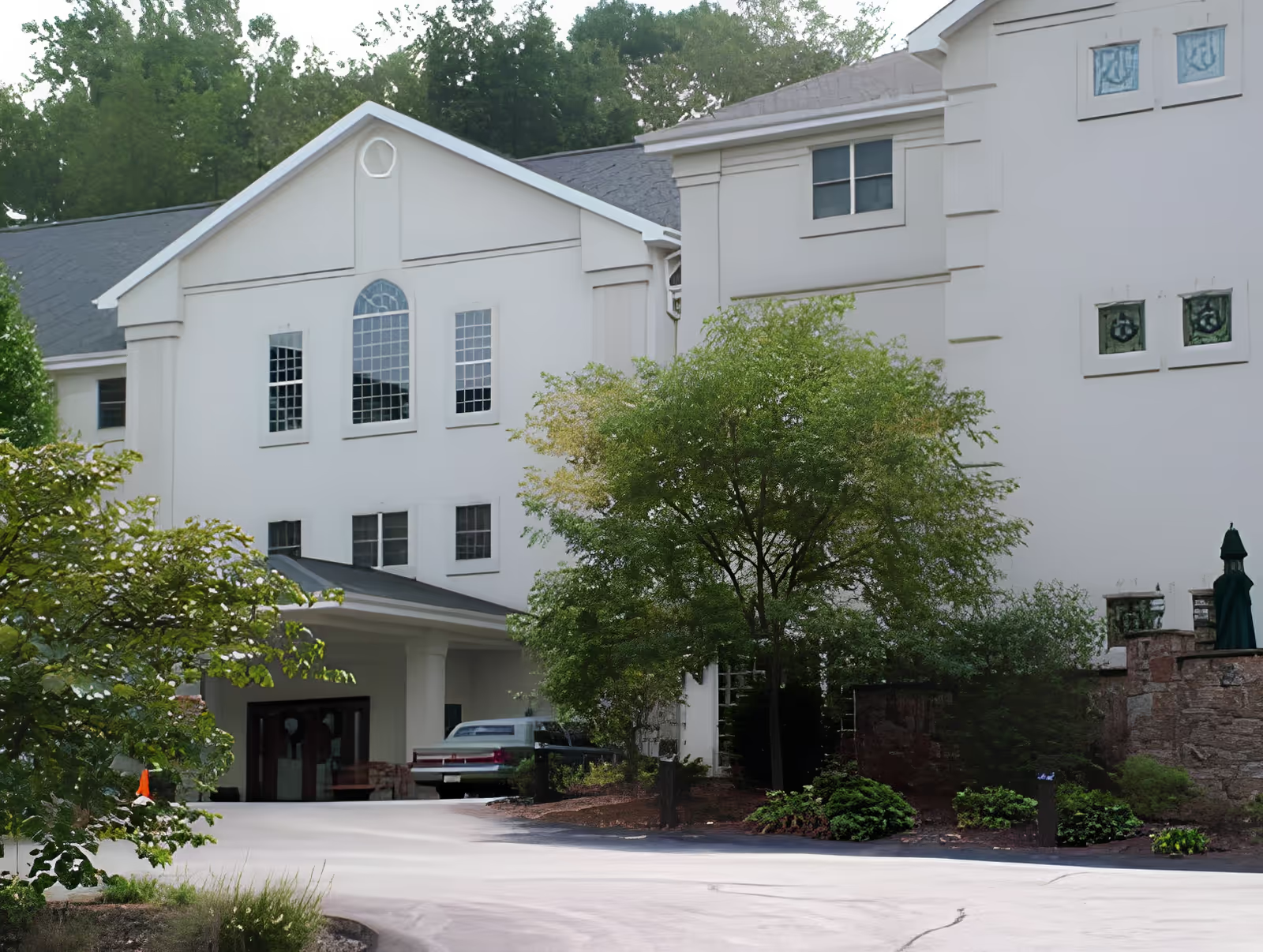
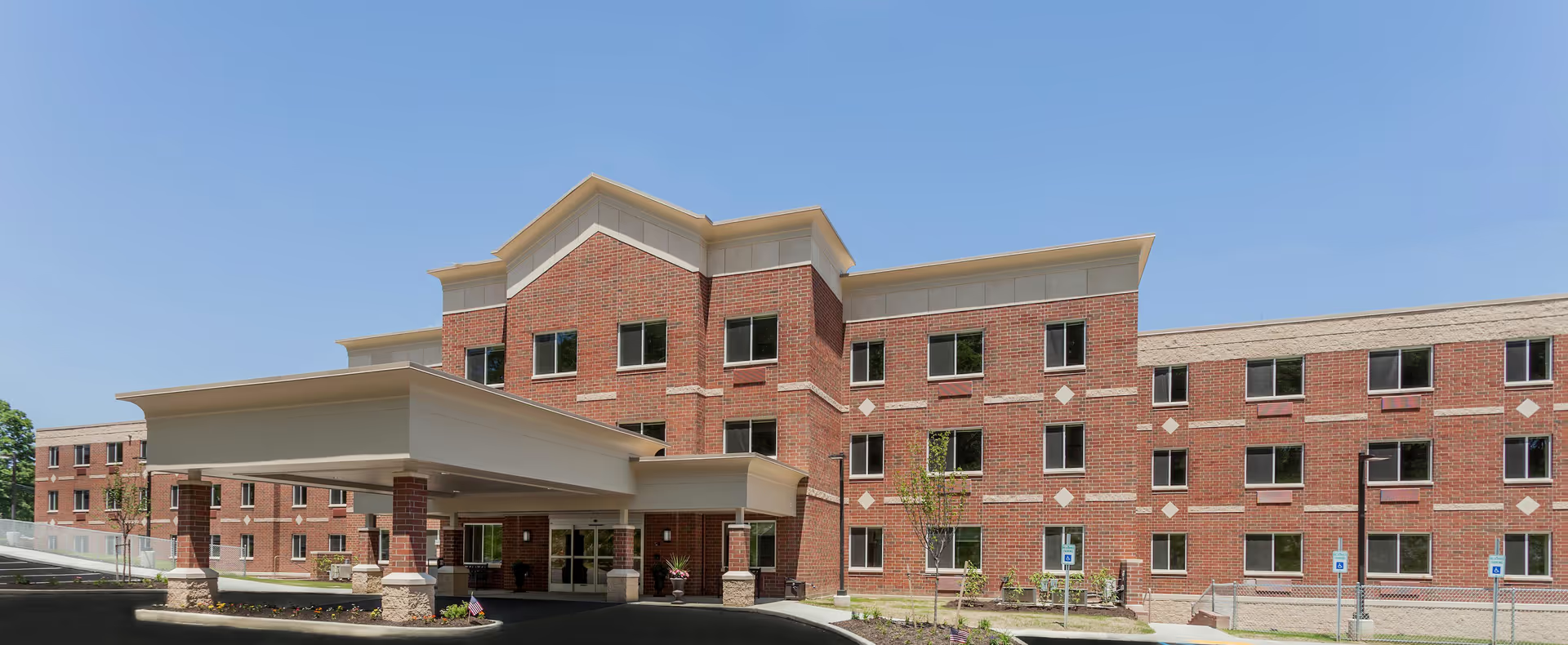
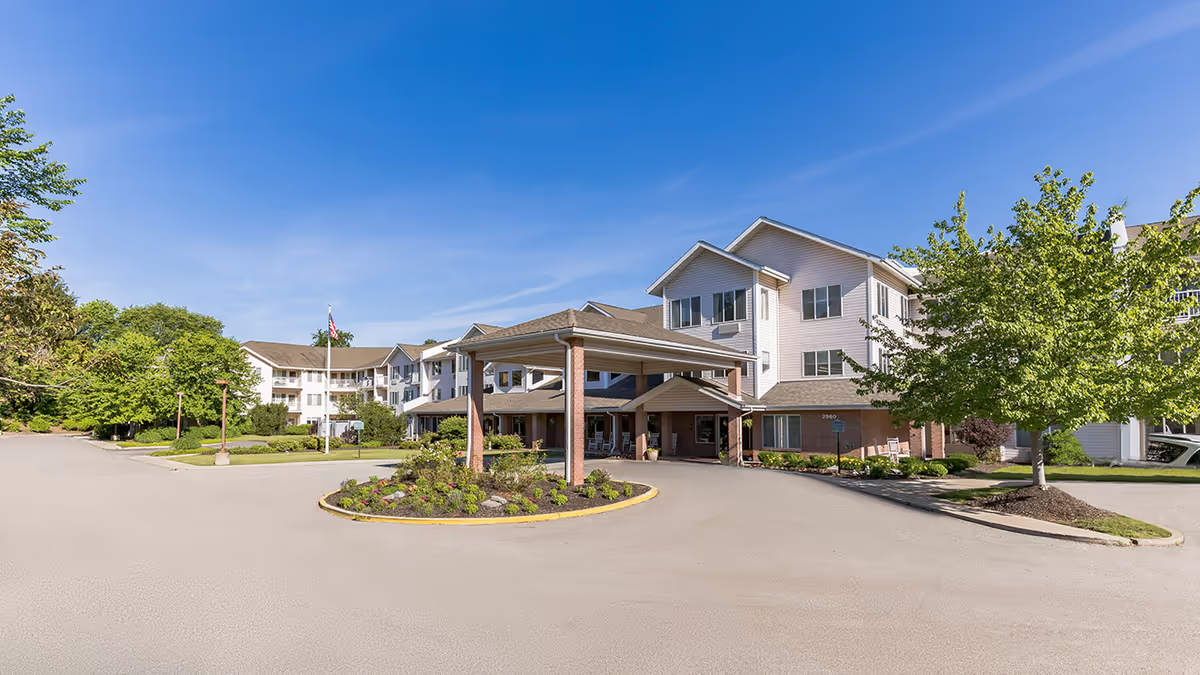
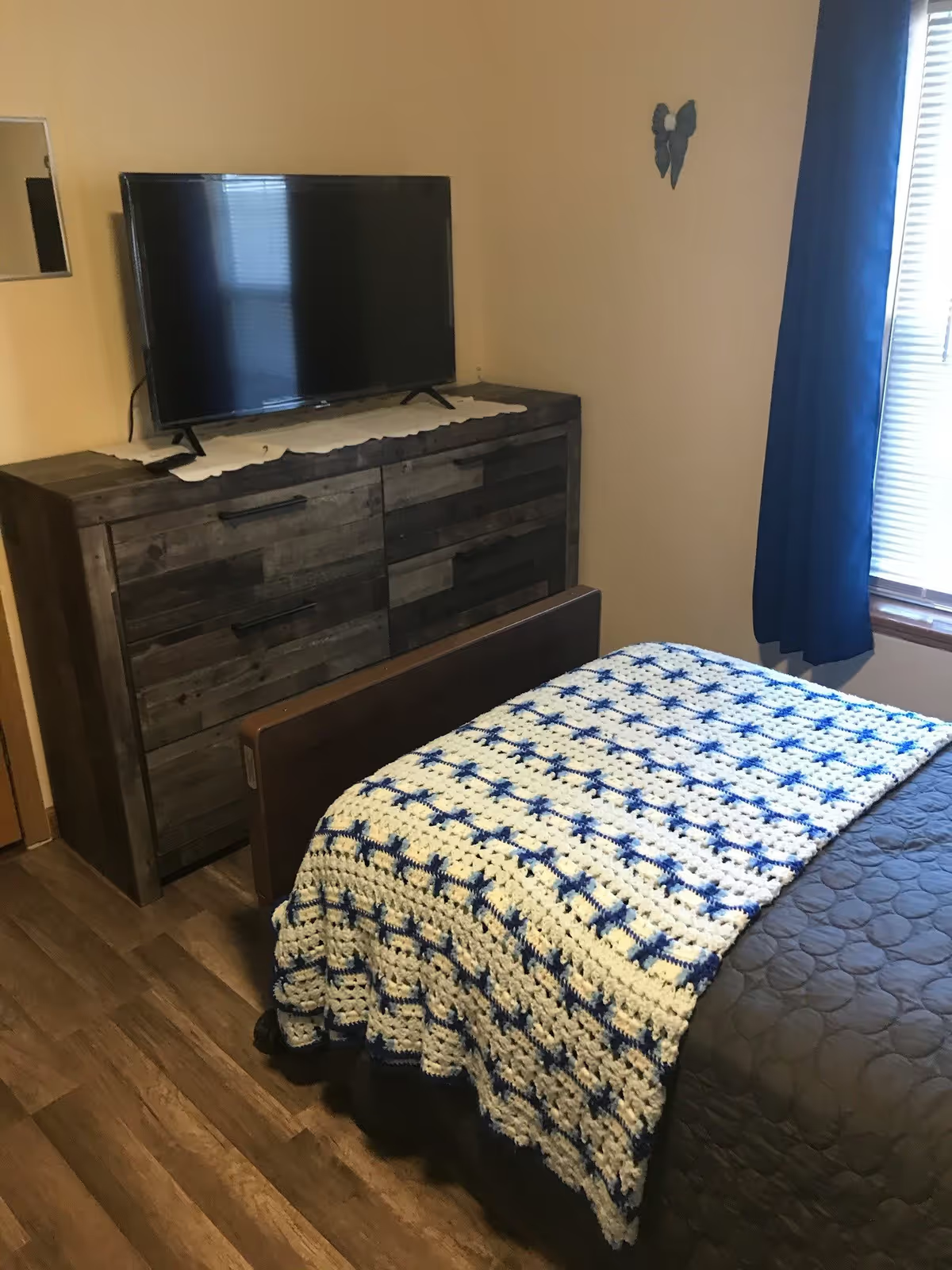
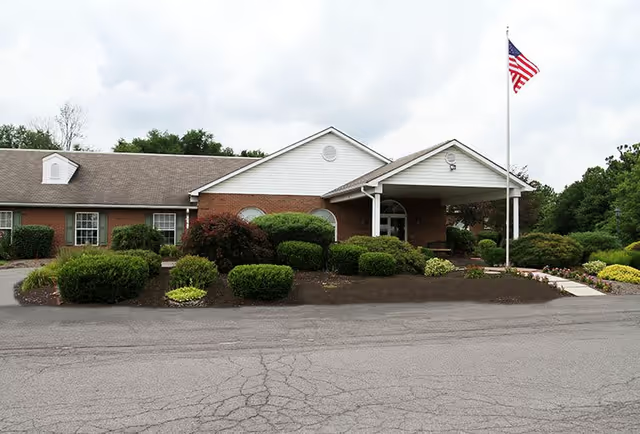
Reviews of Presbyterian SeniorCare Network - Southmont describe a facility with clear strengths alongside recurring operational concerns. Positive accounts highlight an effective rehabilitation program and skilled physical-therapy staff, a generally clean and calming environment, friendly nursing personnel, and a broad variety of activities that include music, dance, crafts, baking and religious study. Many reviewers describe the campus and grounds as attractive and note that two-person room configurations can feel spacious and private. These features are important for residents seeking active therapy, social engagement, and a well-maintained living environment.
At the same time, reviewers describe variability in care and staffing. While some families praise attentive nurses and helpful aides, others report inconsistent staff performance and long delays in responding to call bells. Several accounts point to delays attending to toileting and incontinence needs and to uneven cleanliness or sanitation practices in certain areas. There are also multiple descriptions suggesting gaps in medication oversight and delays or failures in acute clinical response, including instances that led to hospitalization; these are issues families should explicitly inquire about when evaluating clinical safeguards.
Operational and administrative concerns recur in the reviews. Families describe problems with discharge planning and transitional-care coordination, including instances where home equipment or follow-up arrangements were not in place at discharge. Document-handling and paperwork management are noted as disorganized in some cases, and there are reports of disputes over billing, refund requests, and Medicaid-related financial handling. Communication with families is an area of concern for some reviewers—examples include difficulty locating a resident in the facility, lack of timely updates, and unclear handling of end-of-life or post-incident communication.
Dining feedback is mixed: some residents and families appreciate the available dining and snacks, while others characterize the food as inconsistent or unappealing. Programming and activities are consistently cited as a strength, with a range of social, cultural, and faith-based offerings that support resident engagement. The physical environment is frequently described positively—clean rooms, well-equipped PT spaces, and pleasant common areas—though some units (for example, three-bed rooms) are described as crowded.
There are also governance-related notes prospective residents should consider. Reviewers reference complex or opaque governance structures and unwritten resident rules that can lead to confusion or micromanagement at the board level. Given the mixture of strengths and operational weaknesses described, prospective residents and families may benefit from targeted questions on-site: staffing ratios and call-bell response times, discharge/transition protocols, infection-control and emergency-response procedures, medication administration policies, documentation and billing processes, and specifics of governance or resident-rule enforcement. Verifying these areas directly with facility leadership and observing staff–resident interactions during a visit can help clarify whether Southmont’s offerings align with an individual’s or family’s priorities.