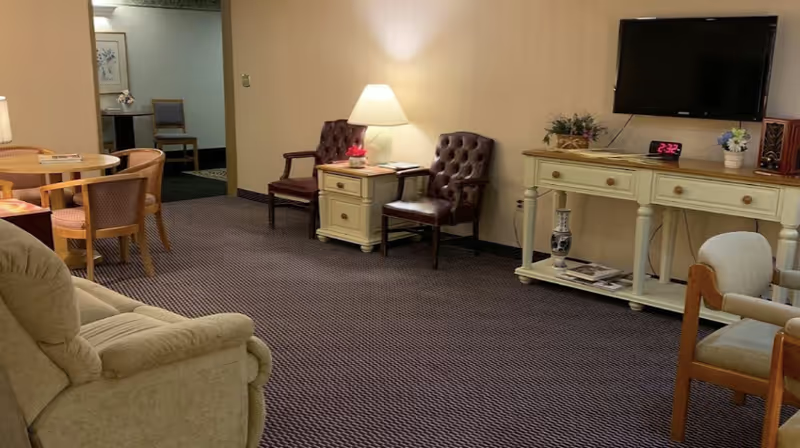
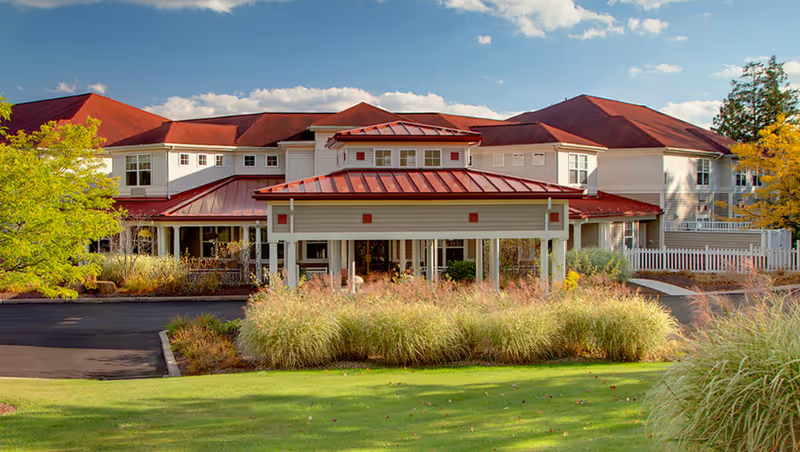
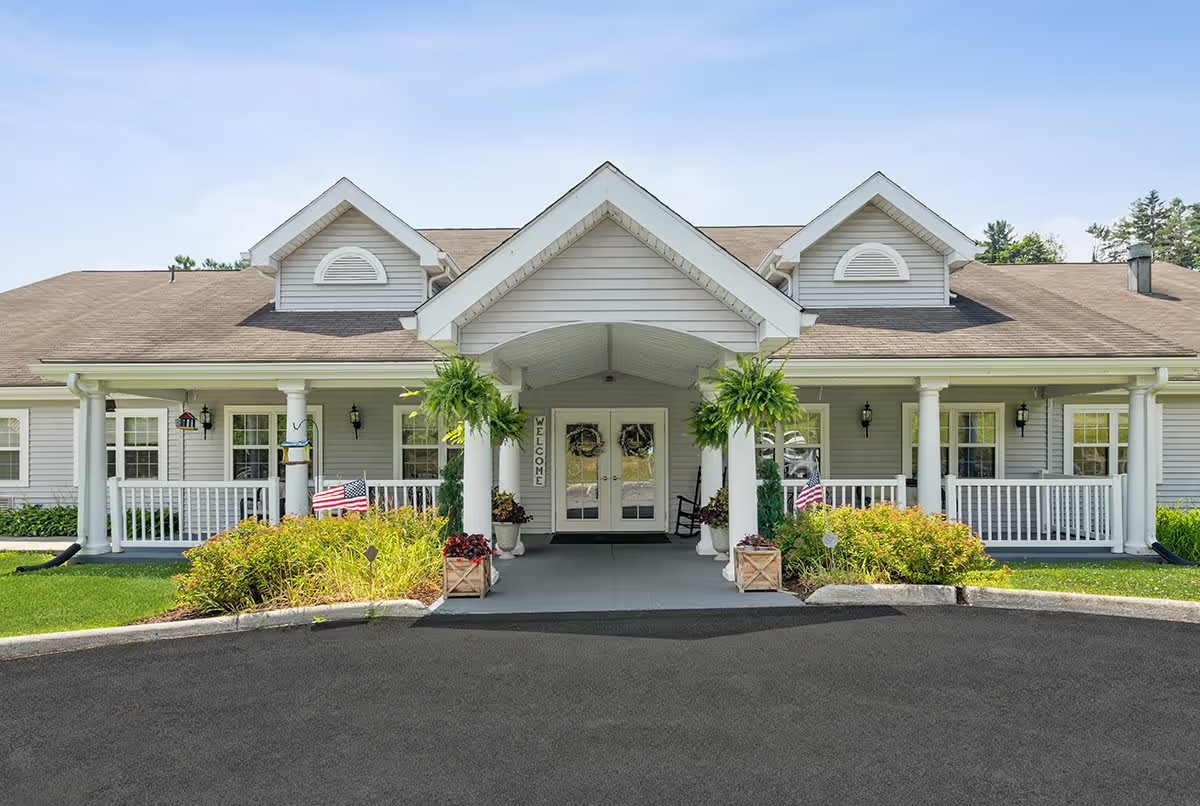
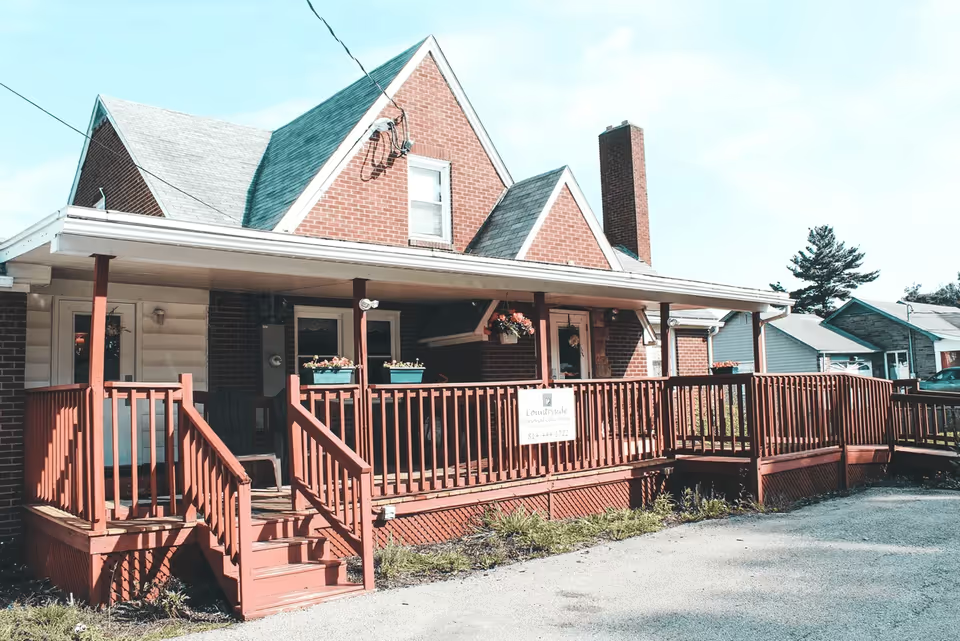
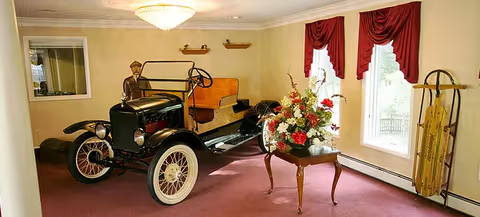
Windber Woods demonstrates several clear strengths alongside recurring operational inconsistencies. Clinical rehabilitation services are a major positive: physical and occupational therapists are frequently described as effective, punctual, and invested in recovery, and many residents regained mobility or improved function while at the facility. Nursing staff are often characterized as caring and attentive, with many families praising individual RNs and aides for responsiveness and hands-on care. The facility is also frequently described as clean and well maintained, with recent renovations and a pleasant, homey environment noted by residents and relatives.
At the same time, reviews reveal variability in day‑to‑day operations. Staffing levels and staff availability are a common concern; reviewers cite daytime staffing shortages, busy nurses, and aides who are sometimes slow to respond. This understaffing appears to contribute to inconsistent resident experiences—while many families report prompt, compassionate care, others describe delays in assistance, missed medication events, or uneven attention to toileting and bathing needs. Coordination between therapy and nursing shows mixed results: some residents received well‑integrated, goal‑oriented therapy, while others experienced limited therapy intensity or insufficient encouragement to mobilize.
Communication and management practices present a mixed picture. Several families praised the admissions director and administrative staff for clear, proactive updates and for addressing issues when escalated. However, there are also repeated examples of communication gaps—delays or inaccuracies in transfer notifications, phone-line and responsiveness problems, and uneven information flow between departments—that have led to frustration. Management appears responsive when alerted to problems, but the presence of recurrent communication breakdowns suggests process-level improvements are still needed.
Dining and activities are generally positive features. Many residents enjoyed meals and found portion sizes generous; some relatives compared the dining favorably to restaurant quality. A few residents had trouble with special diets or pureed textures, and a minority described inconsistent meal quality and portioning. The activities department receives consistent praise for engaging programming that helps residents remain socially connected.
Facility‑level cleanliness and environment are usually commended, with steady comments about renovated floors, clean bathrooms, and frequent cleaning. Nevertheless, reviewers occasionally noted housekeeping inconsistencies and renovation-related dust or temporary housekeeping shortfalls. Taken together, the pattern suggests a mostly well‑kept facility that experiences episodic lapses tied to staffing levels and ongoing construction.
Overall impression: Windber Woods offers strong rehabilitation services, many compassionate individual caregivers, and a generally clean, welcoming environment. Prospective residents and families should weigh these strengths against reported operational weaknesses—chiefly inconsistent staffing, intermittent communication and documentation gaps, and variability in day‑to‑day care responsiveness. Those considering admission may benefit from asking specific questions about current staffing levels, therapy schedules and coordination, medication‑management procedures, and how the facility handles admissions/transfers and family updates.