Grandview Center elicits a mixed but informative pattern of feedback. Many families and patients praise the rehabilitation services and the hands-on care delivered by therapists and nursing assistants. The facility's physical, occupational, and speech therapy teams are frequently described as motivating, effective, and instrumental in measurable short-term improvement. Multiple accounts highlight rapid functional gains, compassionate bedside care, and staff who provide personal attention that supports recovery and transition back home.
Staffing and staff conduct are central to the facility's experience. Numerous reviewers commend individual clinicians and long-tenured staff for professionalism, warmth, and responsiveness; the overall culture is often described as family-like and community-oriented. At the same time, recurring operational issues undermine those strengths: inconsistent staffing levels, slow call-light response times, and variability in bedside attendance contribute to family concerns about reliability. There are also repeated notes about lapses in consistent personal-care routines (including bathing schedules) and isolated failures in resident monitoring or transfer practices that have led to safety events and hospital readmissions.
Clinical coordination and communication show similar divergence. When communication is timely and transparent, families report informative updates, quick issue resolution, and thoughtful discharge planning. Conversely, several reviews describe gaps in clinical assessment, documentation, and advance communication with families—examples include unexpected clinical changes, procedures or feeding-tube transitions without clear family notification, and unclear follow-up around infections. These patterns suggest room for stronger care coordination protocols, standardized family notification practices, and improved clinical documentation.
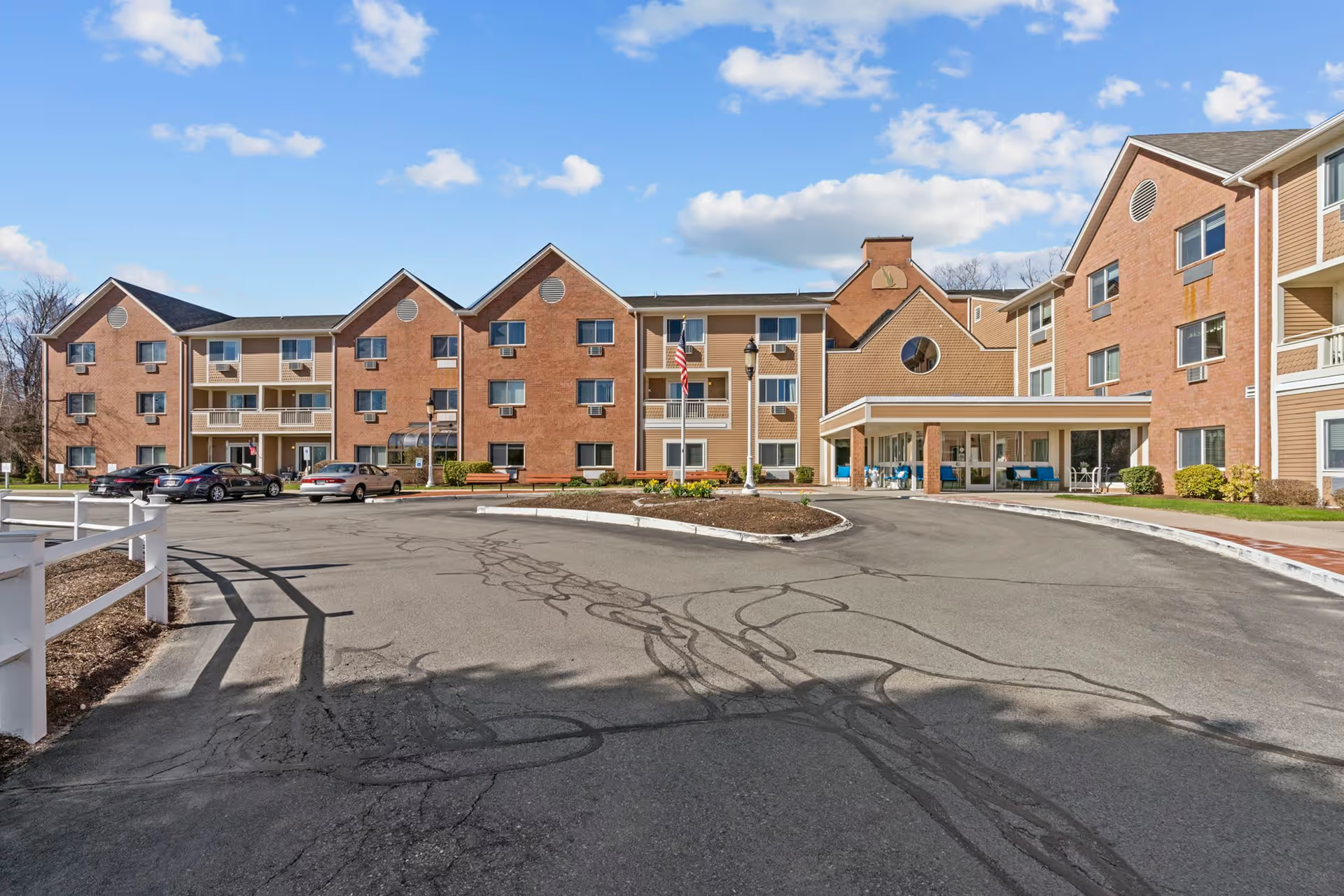
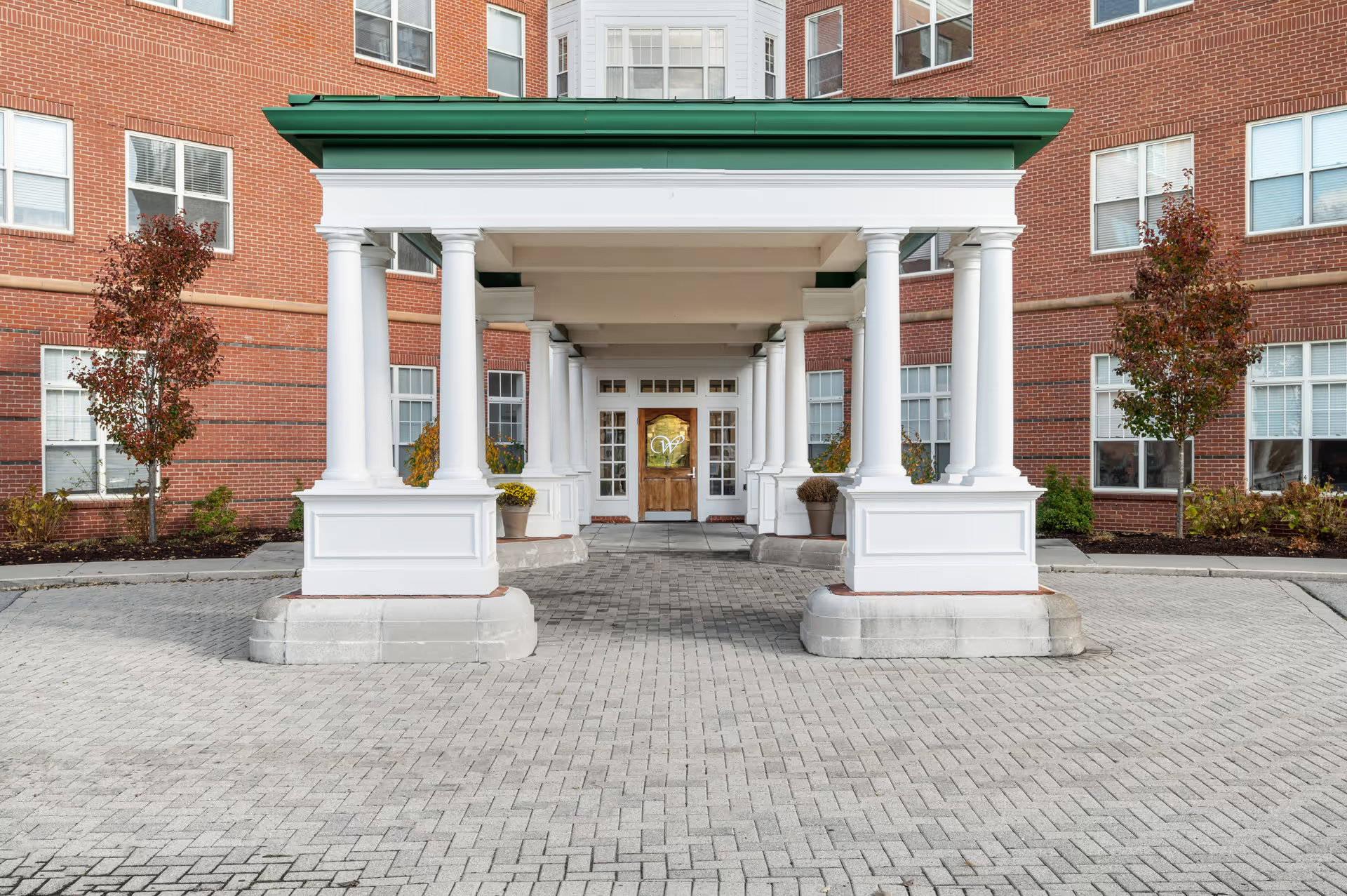
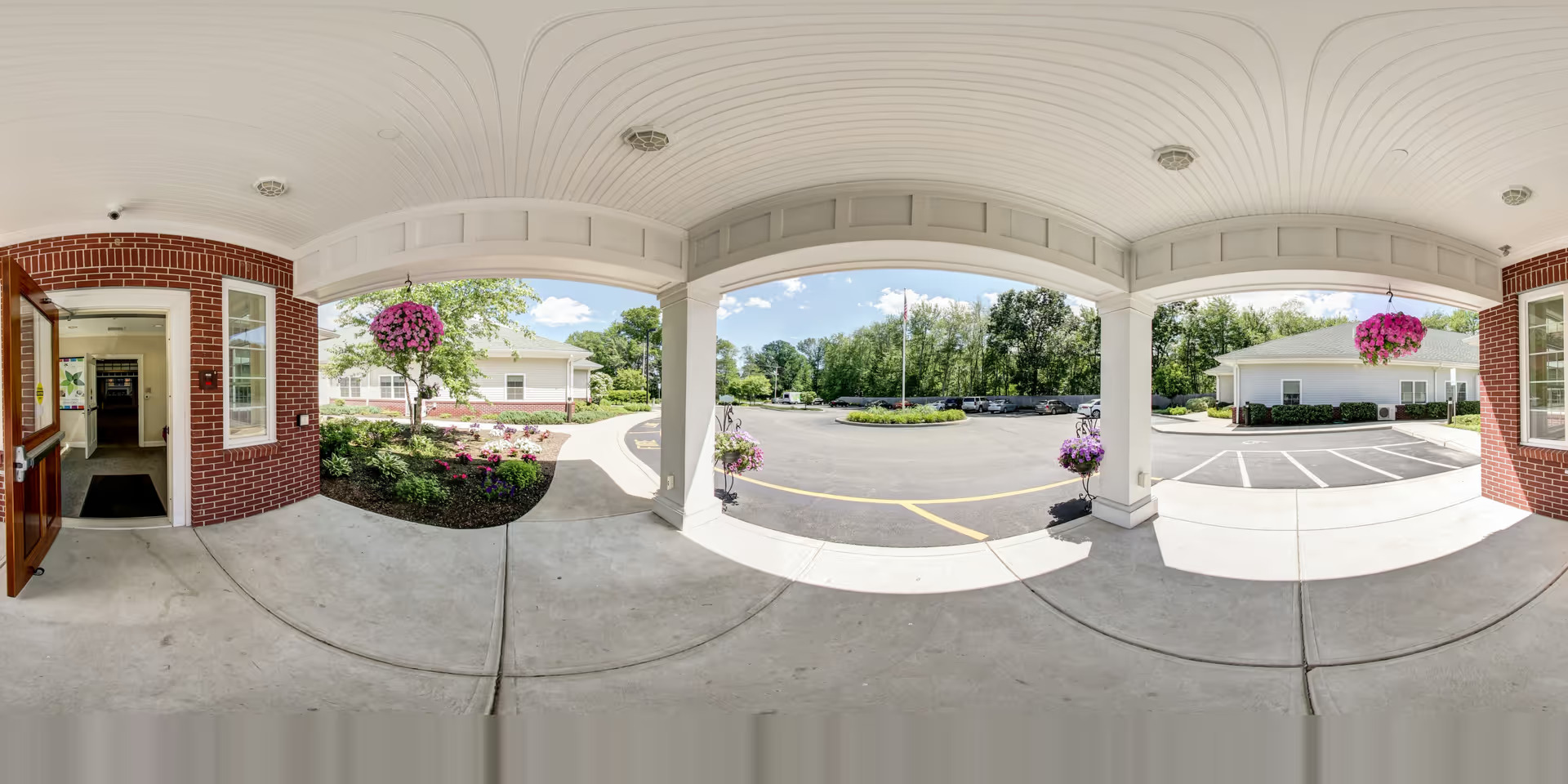
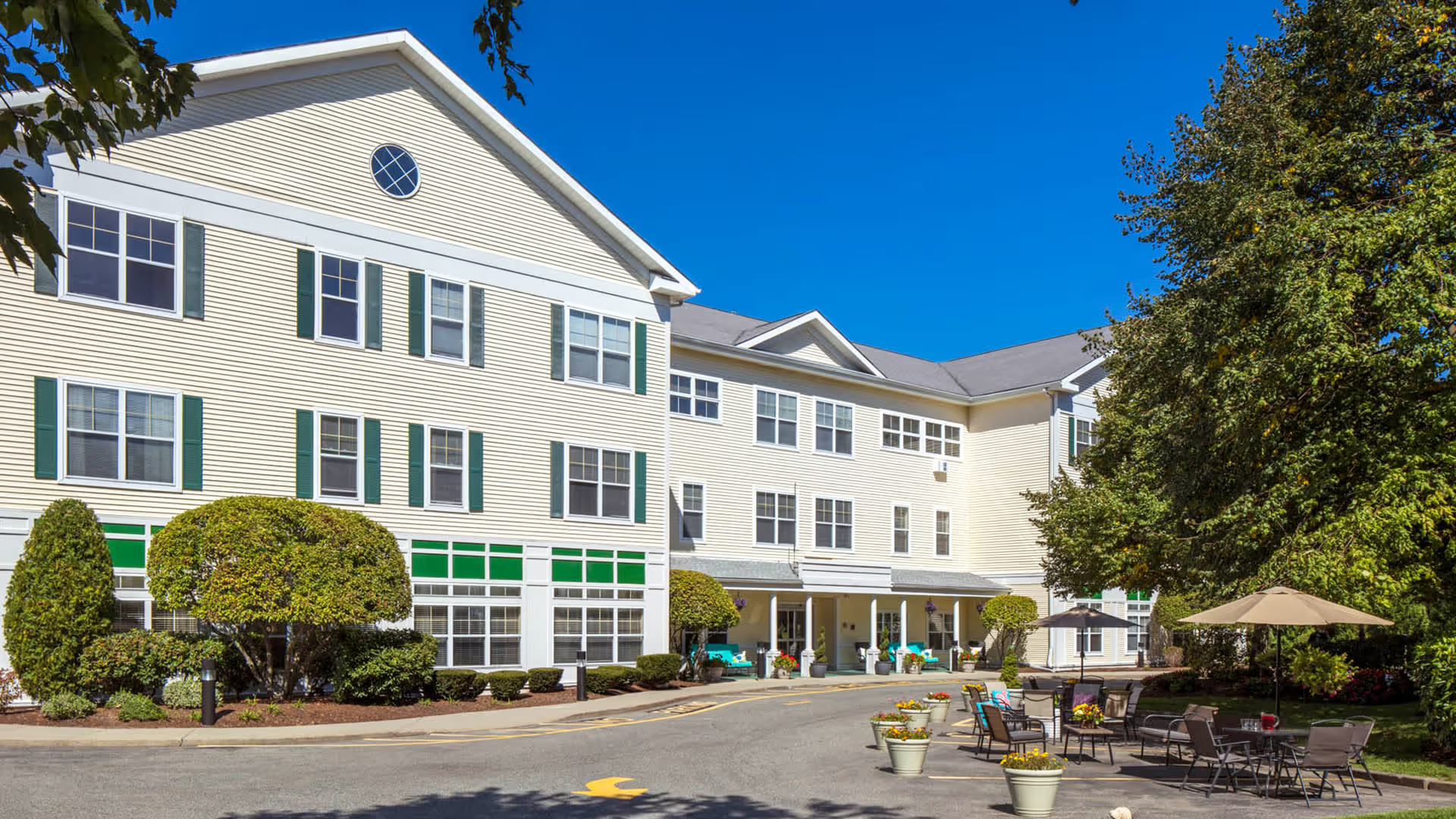
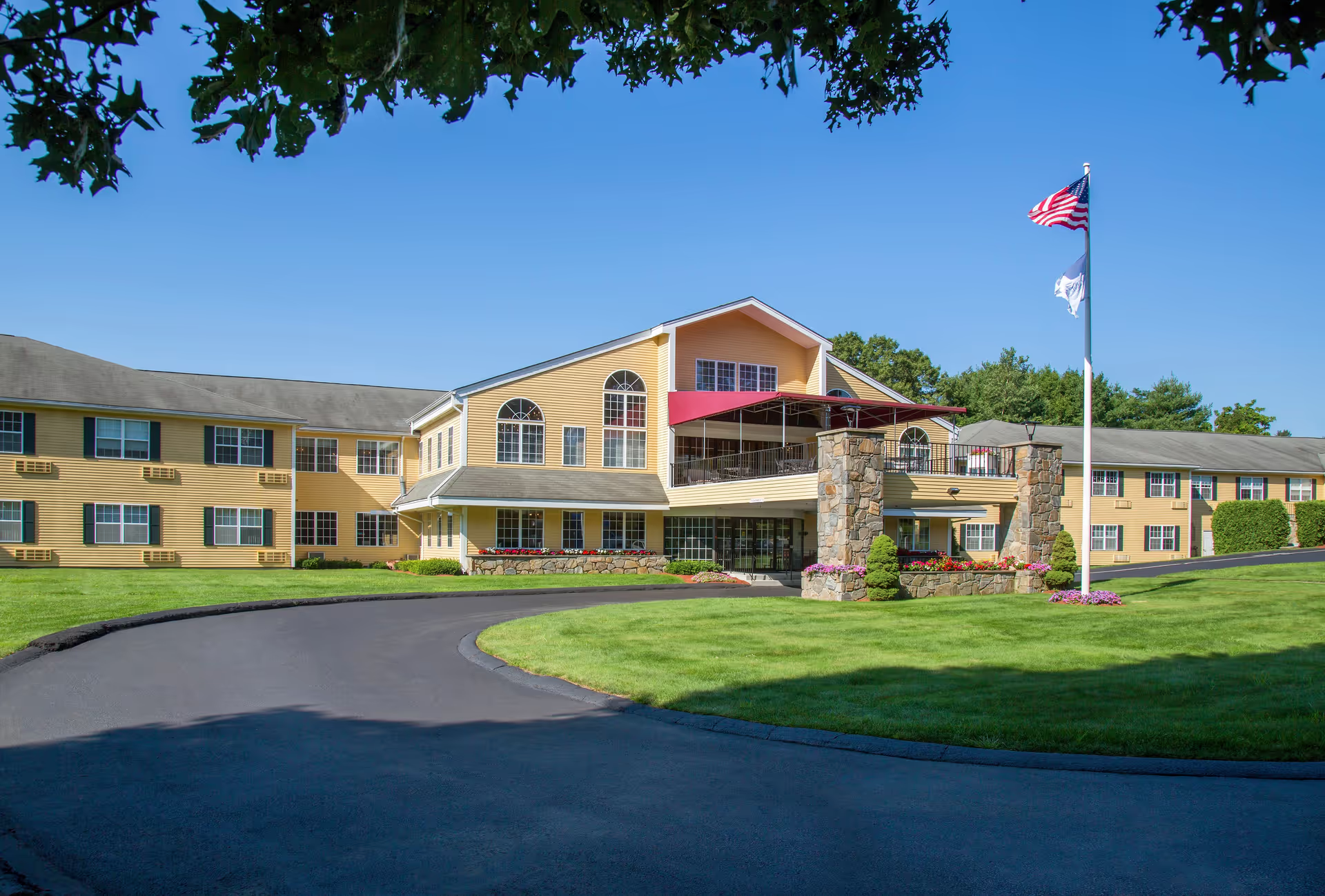
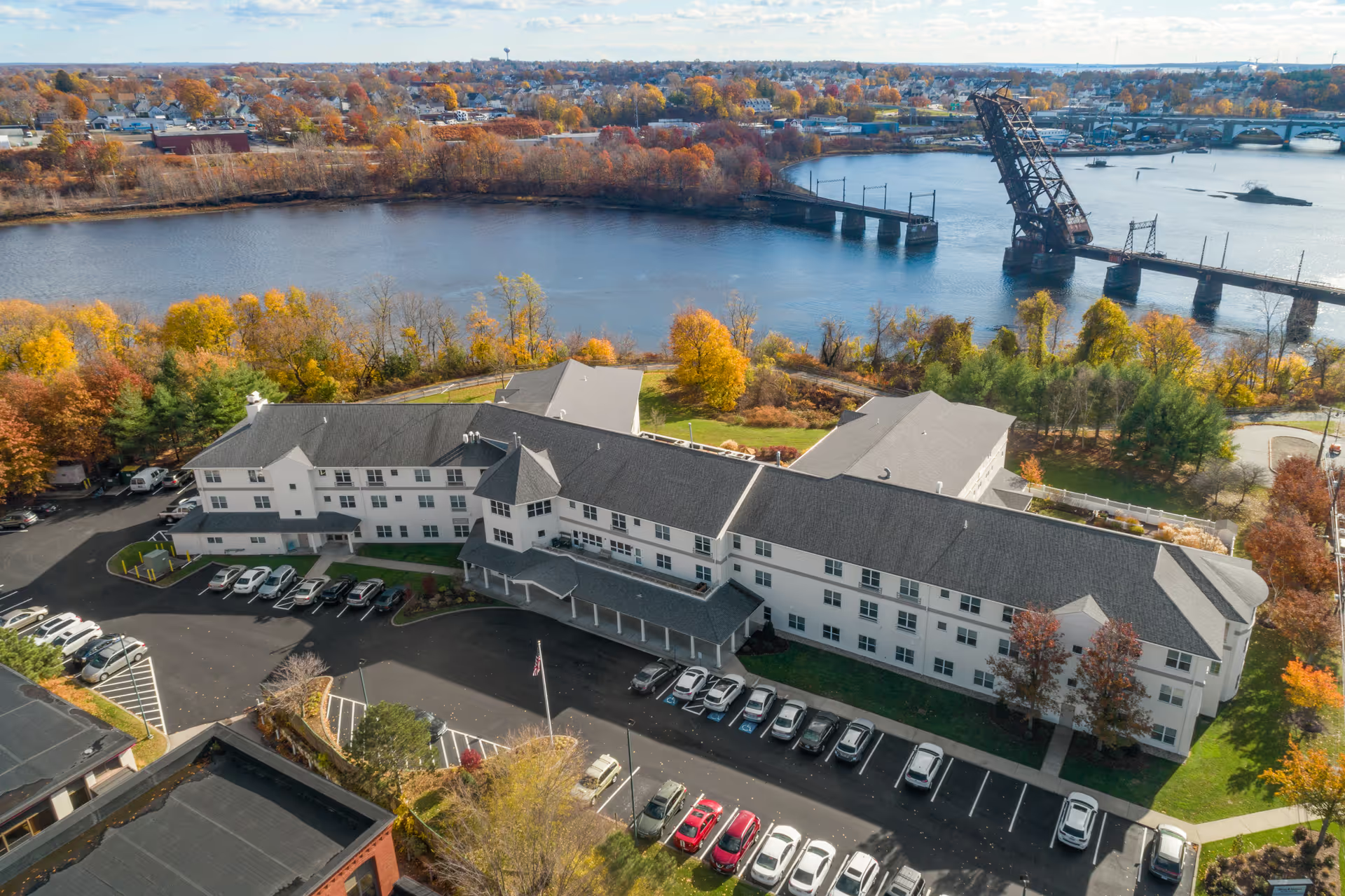
Facility condition and operational support are generally acceptable but variable. Many reviewers note clean common spaces, attractive therapy areas, and well-kept gardens and patios that contribute to a pleasant environment. However, other comments describe aging rooms, worn furniture, floor-cleaning inconsistencies, and odor or sanitation concerns in some units. Laundry and personal-property handling emerge as a notable operational weakness: multiple mentions of lost clothing and misplaced jewelry indicate a need for tightened inventory and labeling processes. Food quality is described as inconsistent—some families praise meals while others find the dining experience mediocre.
Activities and social programming are a clear positive: residents are reported to engage in games, sing-alongs, birthday celebrations, and other social events that support mood and appetite. These offerings appear to help socialization and satisfaction for many residents. Administrative interactions are similarly mixed; many families find admissions and office staff helpful and efficient, while others experience difficulty contacting staff by phone or receiving timely administrative responses.
Overall, Grandview Center presents a profile of strong rehabilitative capability and many compassionate caregivers, balanced against operational inconsistencies that affect reliability and family confidence. Prospective residents and families who prioritize active therapy and a community atmosphere are likely to find strengths here, but those requiring consistently rapid bedside responsiveness, rigorous property management, and uniform infection-control and documentation practices should discuss these specific concerns with administration prior to admission. Recommended next steps for decision-making include touring the specific care unit, asking for current staffing ratios and recent quality metrics, and clarifying laundry, personal-property, and family-notification protocols.