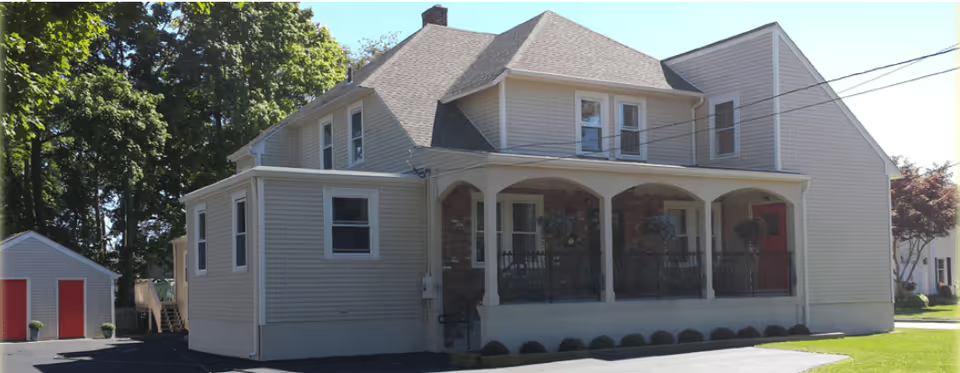
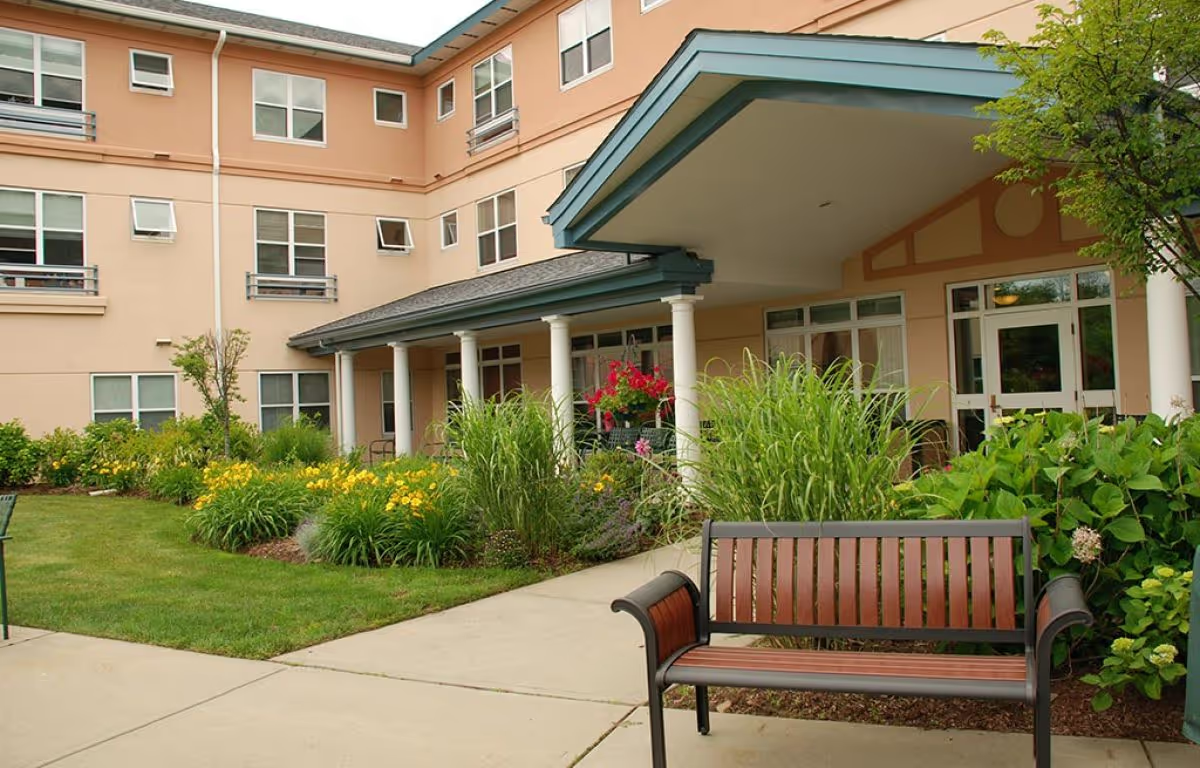
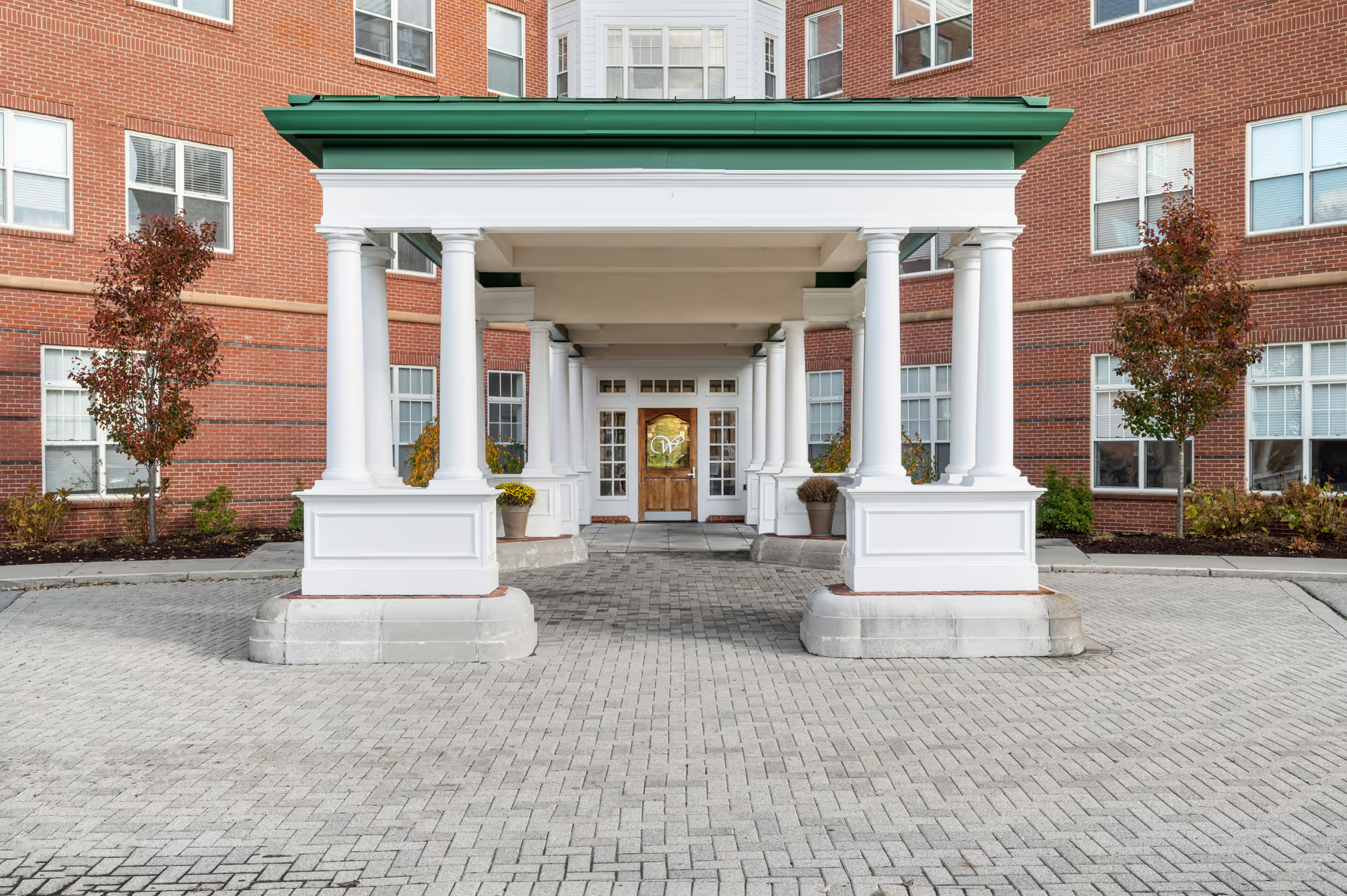
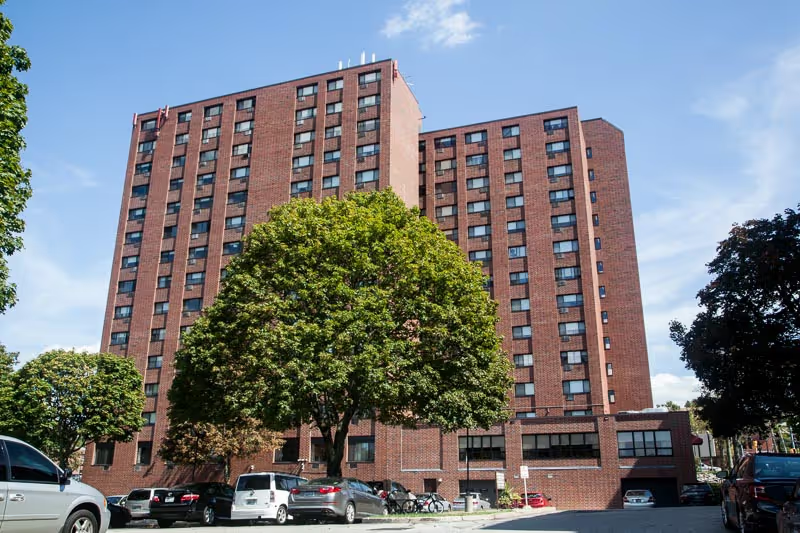
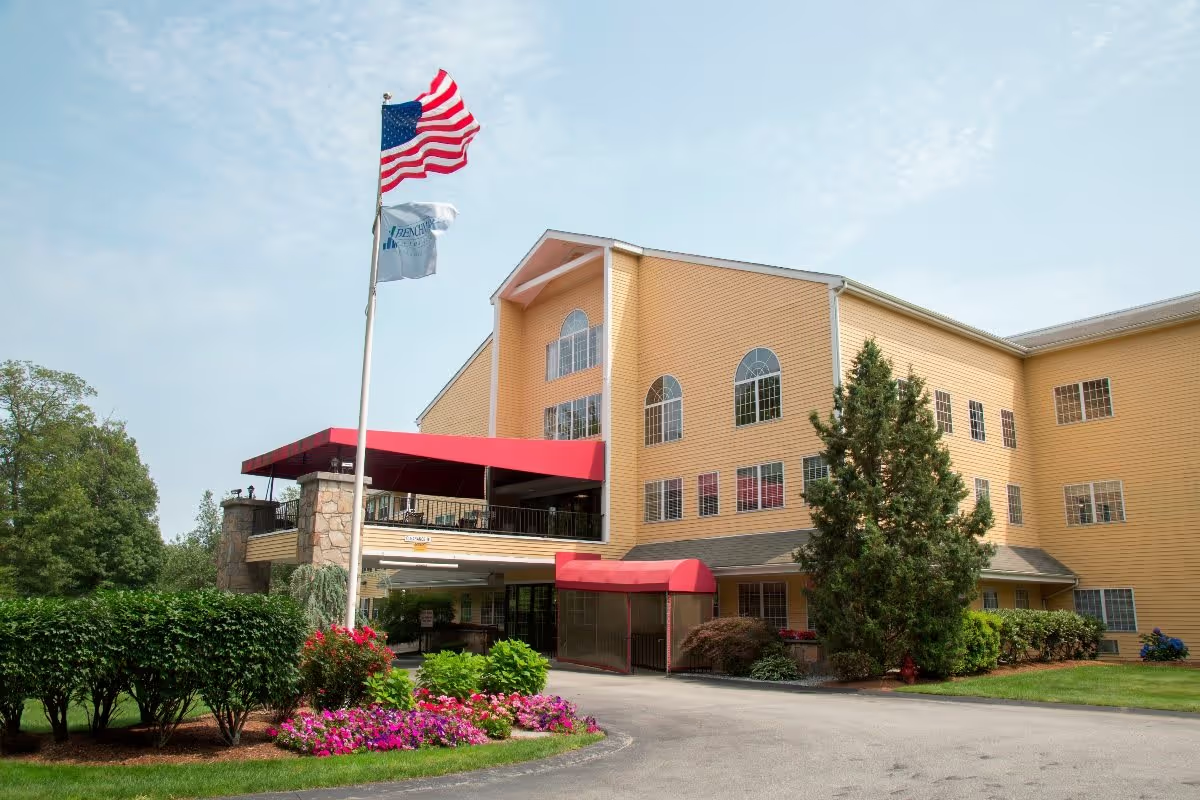
The reviews for Orchard View Manor present a mixed picture in which clearly effective clinical and rehabilitative elements coexist with persistent operational weaknesses. Strengths frequently cited include attentive nursing, successful physical-therapy programs and measurable rehab outcomes (several reviewers credited therapy staff with restoring mobility). Specific clinical services such as wound care and pain management received positive mention, and an onsite physician and named staff members were singled out for high-quality, reassuring care. Families and residents also noted an active activities program (music, bingo, church groups), helpful dietary staff and generally pleasant grounds and common spaces.
At the same time, multiple recurring themes point to facility-level process problems rather than isolated incidents. Reviewers described inconsistent staffing and responsiveness, including delays in medication administration and gaps in clinical coordination. Communication with families and internal incident-notification processes were repeatedly identified as inadequate. There are also persistent concerns about bathing and hygiene-assistance routines, linen management, and other sanitation-related practices, which contrast with reports of clean areas and well-maintained rooms in other parts of the building.
Facility infrastructure and operations were another frequent concern. Reports included environmental-control failures (room temperature management, hot-water interruptions), dining disruptions (cold or missing meals), elevator and maintenance outages, and dated interior areas in need of refurbishment. Relatedly, reviewers raised safety and security issues ranging from inadequate monitoring of residents to allegations of illicit activity that, according to some accounts, have drawn regulatory or law-enforcement attention. Several reviews also described problems with personal-property management and with management-level responsiveness to family concerns, including perceptions that administrative focus was more billing-oriented than family-oriented.
In practice, this creates a polarized set of experiences: families who encountered the facility’s strongest clinical teams and ambassador services describe relief and progress, while others encountered operational failures that prompted transfers. Prospective residents and families should weigh the strong rehabilitative and clinical capabilities reported by many against the documented operational risks (staffing variability, communication lapses, maintenance and sanitation inconsistencies). When considering Orchard View Manor, it is advisable to ask targeted questions about staffing ratios, medication-administration protocols, incident-notification procedures, environmental controls, security measures, and how management addresses and documents corrective actions for the facility issues described above.