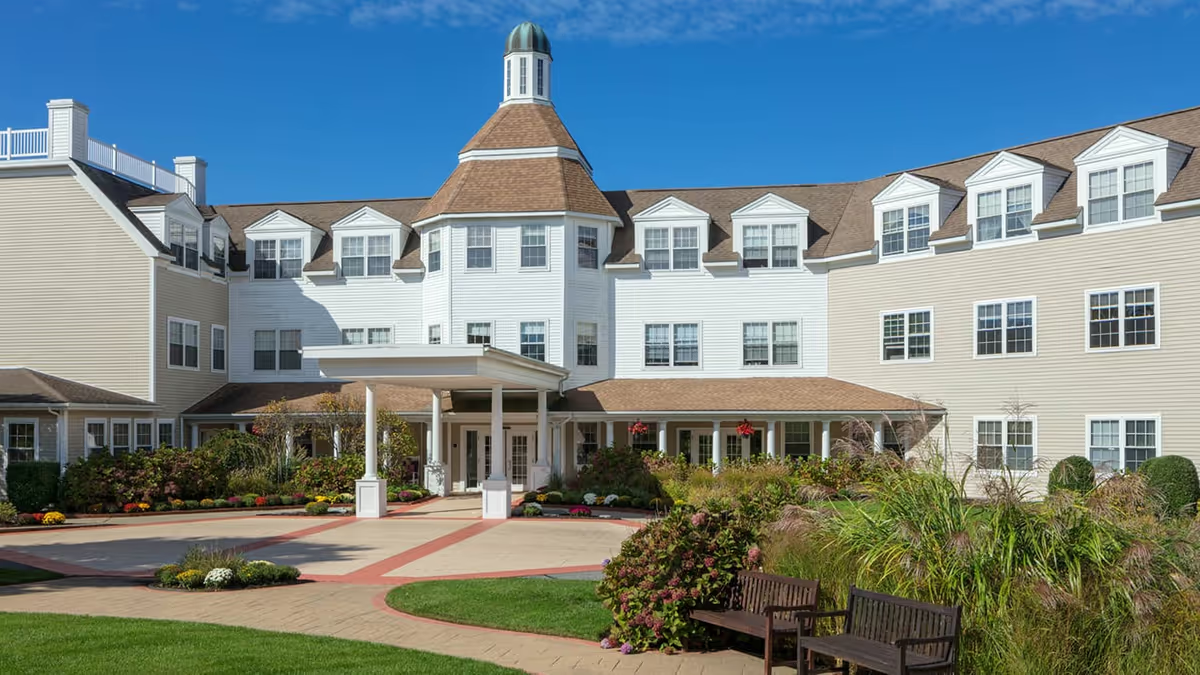
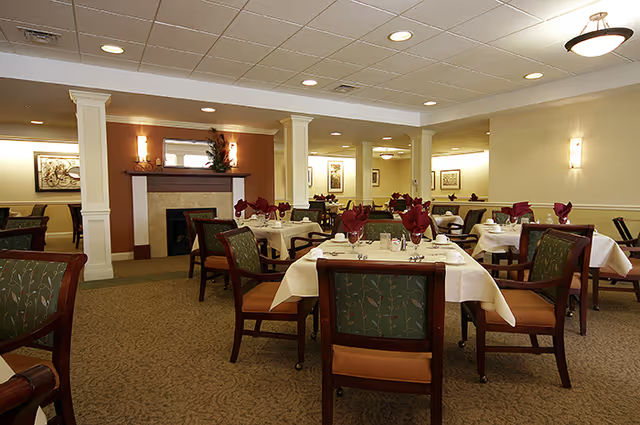
Blenheim-Newport receives consistent positive feedback for its hospitality-focused elements: reviewers commonly highlight compassionate, engaged frontline staff, an attractive restaurant-style dining program with fresh, varied options and day-ahead ordering, and a robust activity calendar that includes arts and crafts, frequent outings, and memory-care music programs. The community’s physical plant — clean common areas, pleasant grounds and courtyards, apartment-style units with kitchens, and flexible dining spaces — is frequently praised, as are value and pricing relative to local alternatives. Several administrative strengths are also noted, including transparent communication around renovations, transportation services, and family-facing tools such as an activity portal.
Care and staffing produce a mixed picture. Many families describe very attentive aides and caring nursing interactions; at the same time, there are recurring operational concerns about clinical coverage and responsiveness, especially during night shifts and acute events. Reviewers describe instances of delayed assistance, emergency transfers, and perceived lapses in follow-up communication; taken together these indicate variability in nursing availability and incident-response protocols. Medication timing and other aspects of clinical oversight are also mentioned as inconsistent in some accounts. An important admissions constraint is the assisted-living license: the community appears restricted in supporting residents who require oxygen, which has affected placement decisions for some families.
Dining and activities are clear strengths. The dining program is described as a highlight — well-prepared meals, multiple choices, and adaptations for visual impairment (contrast plates) — and activity programming is broad, with daily calendars, frequent excursions, and meaningful social opportunities. That said, families of higher-functioning memory-care residents sometimes find programming insufficiently challenging; activity appropriateness varies by cognitive level.
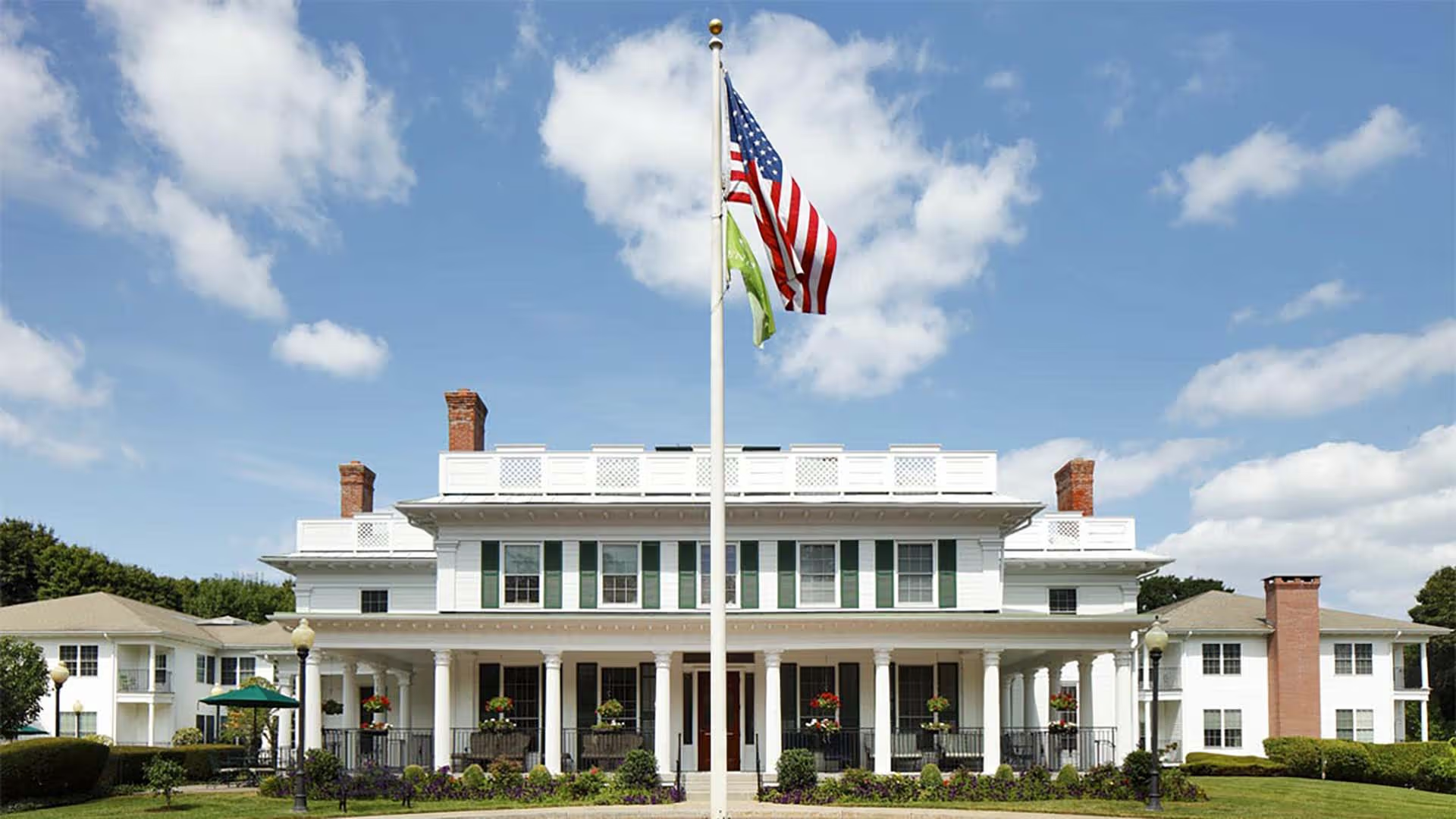
Facility and operations show both positives and areas for improvement. The property is generally described as clean and well cared for, with ongoing maintenance and renovation work noted as communicated to families. However, some practical concerns recur: inconsistent housekeeping and laundry service in parts of the community, inadequate in-room lighting in some apartments, and an occasional institutional feel rather than a home-like ambiance. Additionally, reviewers voice concerns about clarity around pricing and ancillary fees (for example, in-room meal charges and care-level cost adjustments) and about the admissions/sales process and follow-up from corporate leadership during management transitions.
Overall, Blenheim-Newport appears to be a community with strong hospitality, an appealing dining program, engaging activities, and many compassionate staff members. Prospective residents and families should weigh those strengths against variability in clinical coverage and communication practices, confirm clinical and oxygen-support needs during admission discussions, and seek clear, written explanations of fee structures and what is included in each care level. A focused conversation with leadership about night staffing, incident-response procedures, and activity tailoring for specific cognitive levels can help align expectations before move-in.