Overview Oaks at Beaufort presents a mixed profile: many families describe a warm, family-like culture with caring front-line staff and a range of services, while other accounts identify recurring operational weaknesses that affect resident experience. Strengths center on the interpersonal aspects of care and community life. Areas of concern cluster around staffing, maintenance, and management processes.
Care and staff Across reviews, caregiving staff—particularly CNAs and several named nurses—are frequently praised for compassion, personal attention, and responsiveness. Several accounts highlight meaningful moments of end-of-life support and improvements in individual functional ability under new caregivers. At the same time, reviewers raise consistent concerns about staffing levels, turnover among nurses and leadership, and uneven night and weekend coverage. These workforce issues are associated with delayed attention, variability in how care plans are followed, and differences in the quality of supervision depending on shift or team. Medication administration consistency is another operational weakness noted by families and implies gaps in clinical processes or oversight.
Dining and nutrition Dining is described as a prominent program element: an on-site chef, multiple meal options, fresh-baked goods, and attention to dietary needs are cited as positives. Several reviewers describe enjoyable meals and a pleasant dining room experience. However, food quality and variety are inconsistent across accounts—some cite improved kitchen leadership and menu upgrades, while others characterize meals as mediocre or lacking variety. Meal-service reliability and presentation appear to fluctuate with staffing and kitchen management changes.
Activities and social life The facility offers a broad slate of activities, including arts and crafts, music, bingo, bridge, church services, outings, and family-inclusive events. Many residents are reported to be socially engaged and to benefit from these offerings, and activity leaders are credited for creating a home-like atmosphere. Conversely, multiple reviews note reductions in programming, a decline in creative or stimulating activities after staff turnover, and interruptions to scheduled transportation/outings due to vehicle registration or administrative issues. Activity quality thus appears dependent on staffing continuity and management support.
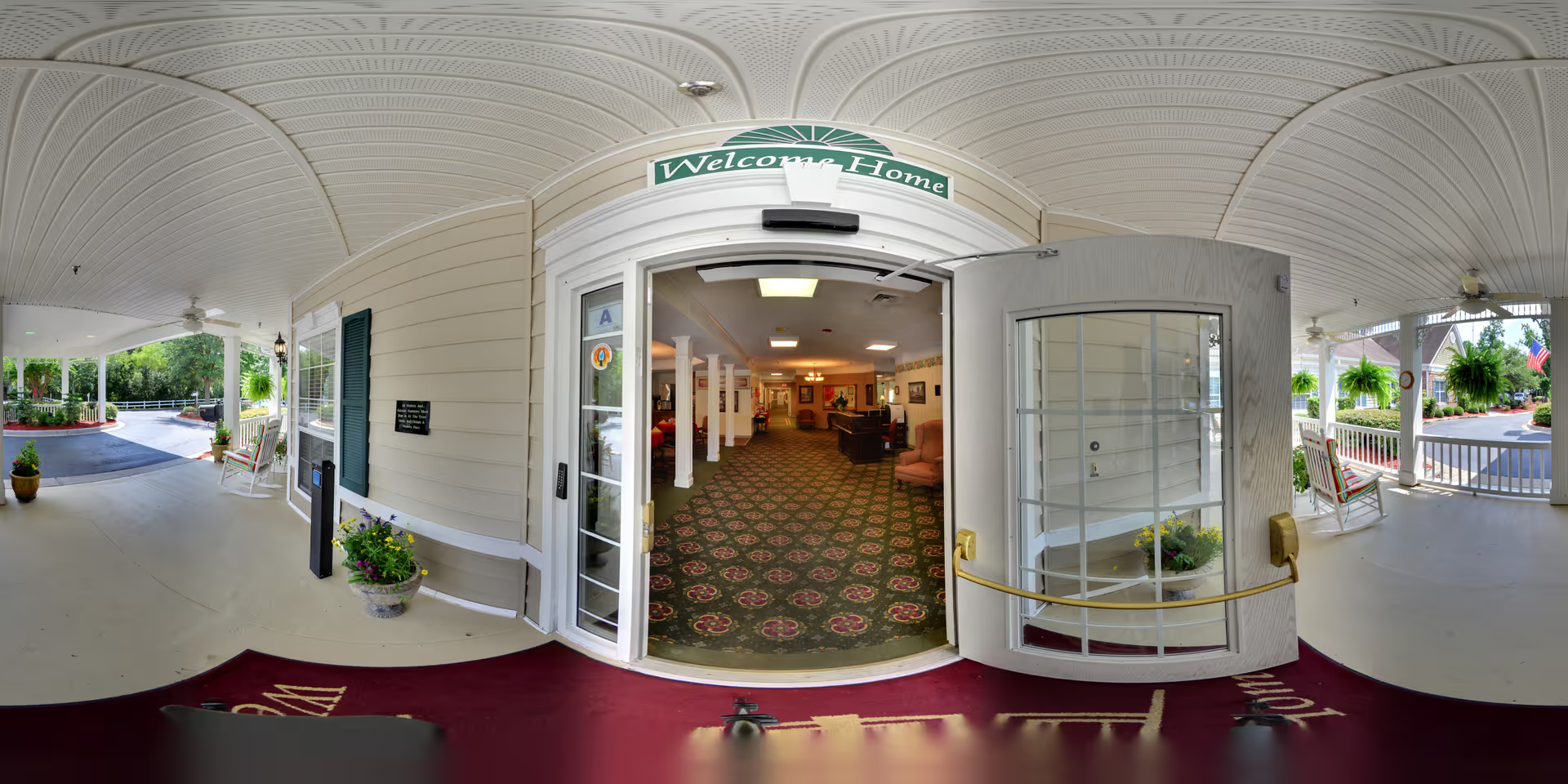
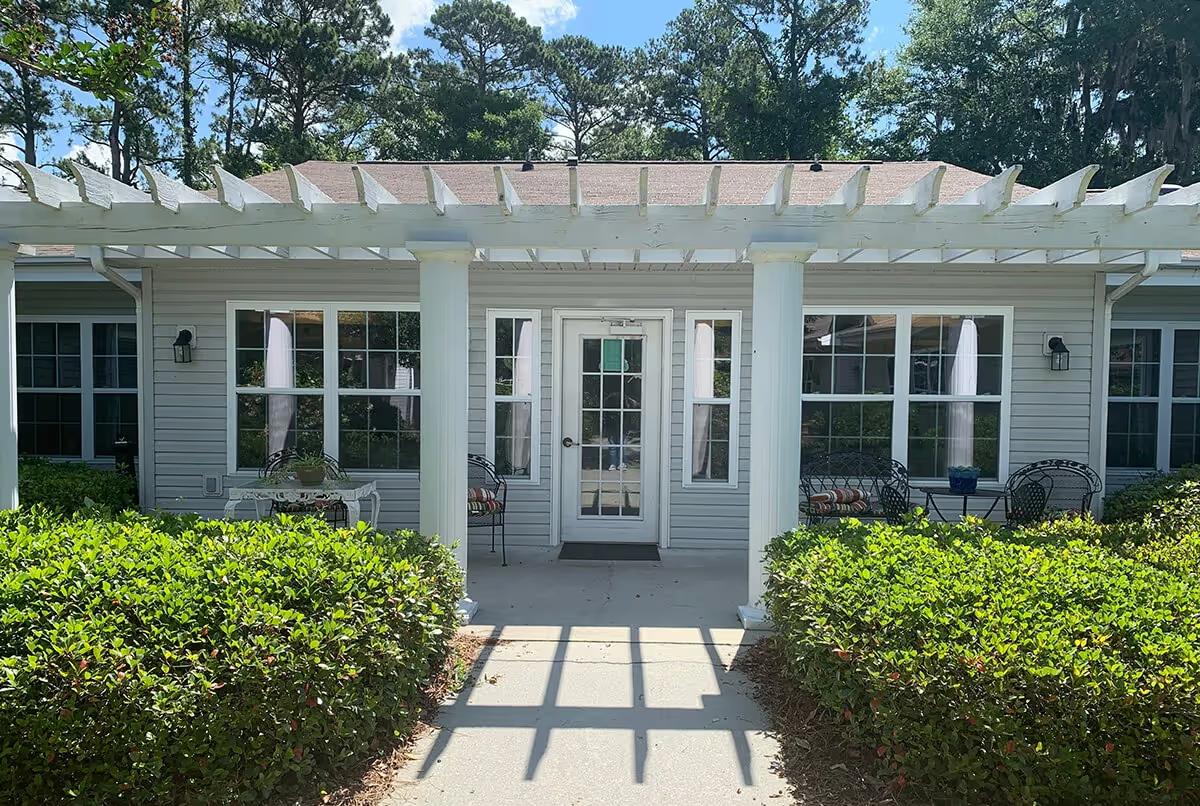
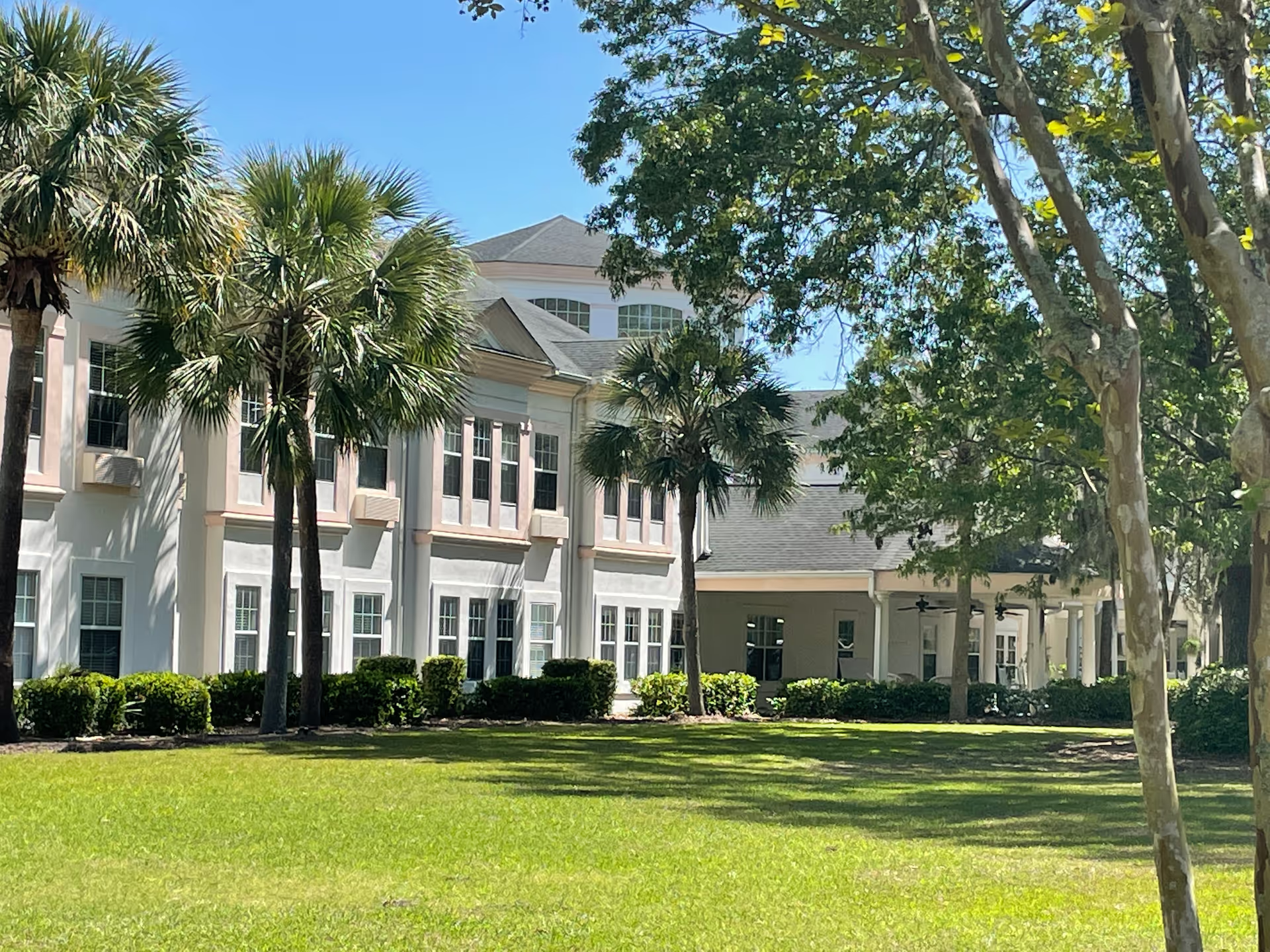
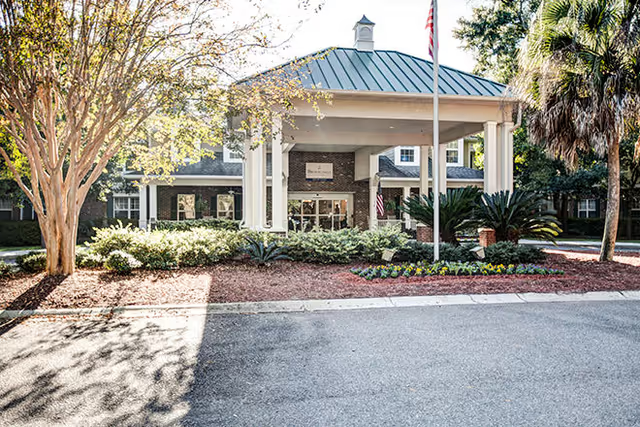
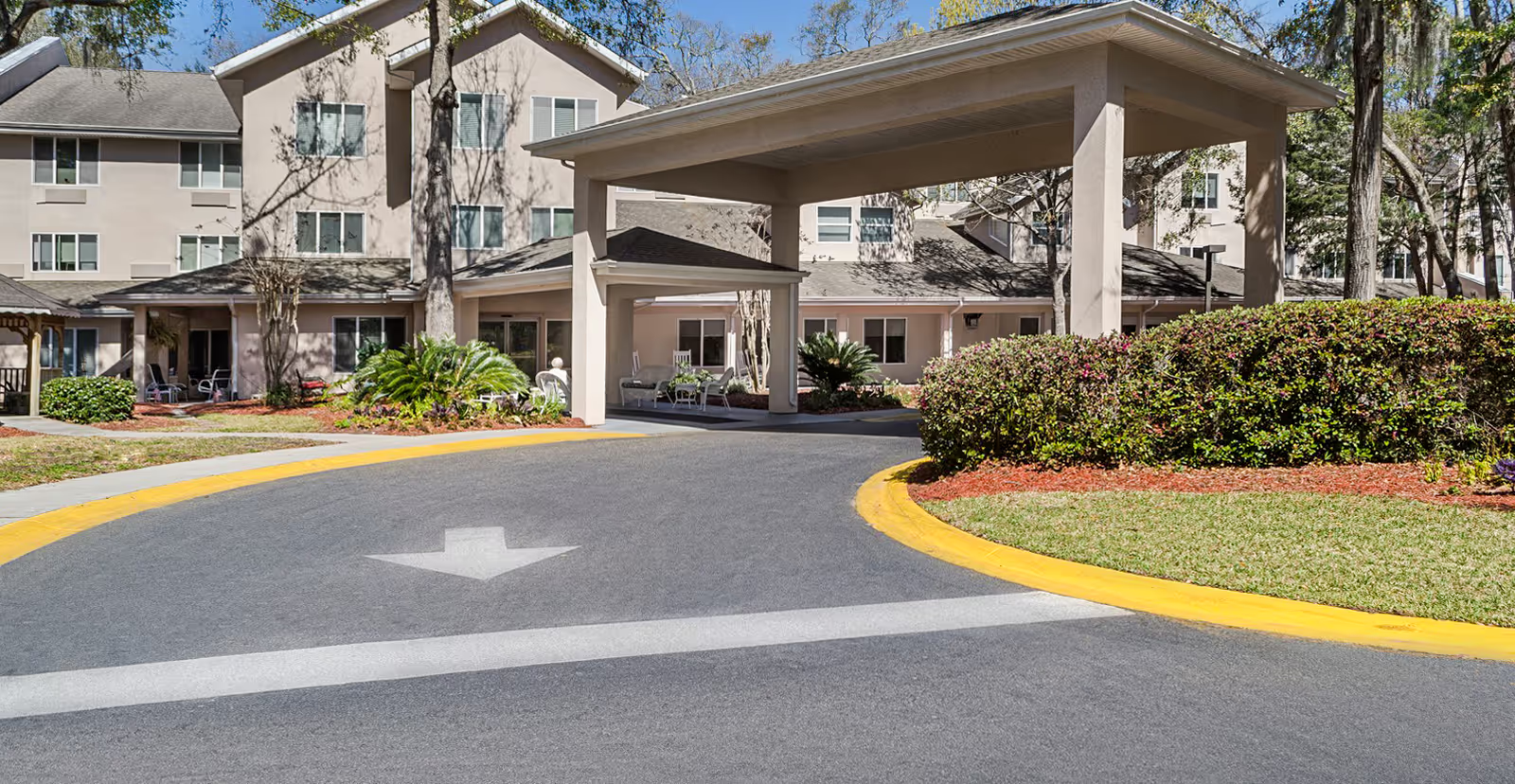
Facilities, cleanliness, and maintenance Physical attributes vary in reviewers’ experiences. Positive observations include recently renovated common areas, coastal décor, landscaped grounds with walking trails, and accessible single-story design with ADA bathrooms. Criticisms focus on maintenance and sanitation: housekeeping and laundry process failures, broken fixtures, room-size limitations for residents using mobility devices, ventilation or bathroom fan issues, hot-water and laundry equipment outages, and pest-control concerns in some rooms. These facility issues are often cited alongside staffing challenges and inconsistent oversight, suggesting systemic maintenance-process gaps.
Management, communication, and operations Feedback about management is mixed. Some reviewers praise responsive administrators, clear communication, and proactive care planning; others describe frequent leadership changes, inconsistent responsiveness to family concerns, and billing or transparency issues related to extra charges. Transportation logistics (bus registration/title problems) and security/access-control weaknesses are also noted. There are a few serious individual claims (for example, allegations of theft and security lapses) that families raised; such claims merit follow-up with the provider and regulators if substantiated. Overall, operational reliability—covering billing, maintenance, overnight supervision, and consistent program delivery—emerges as an area needing improvement.
Notable patterns and considerations for prospective families The strongest, most consistent positives are the caring culture among many direct-care staff, an active social program when staffing is steady, on-site medical and hospice affiliations, and reasonable cost relative to local alternatives. The most significant negatives are operational: staffing shortages and turnover, variability in clinical processes (including medication administration), maintenance/sanitation lapses, and periodic management instability. Prospective families should tour multiple times (day and evening), ask for written care-plan and medication-management protocols, review staffing patterns for nights and weekends, request current pest-control and maintenance records, and clarify billing practices and extra charges in writing. If memory care is a primary need, confirm unit staffing ratios and care-plan consistency, since experiences with level-of-care adequacy vary. The facility demonstrates clear strengths in staff compassion and community life but would benefit from sustained management focus on operational reliability and staffing stability to address the recurrent concerns described above.