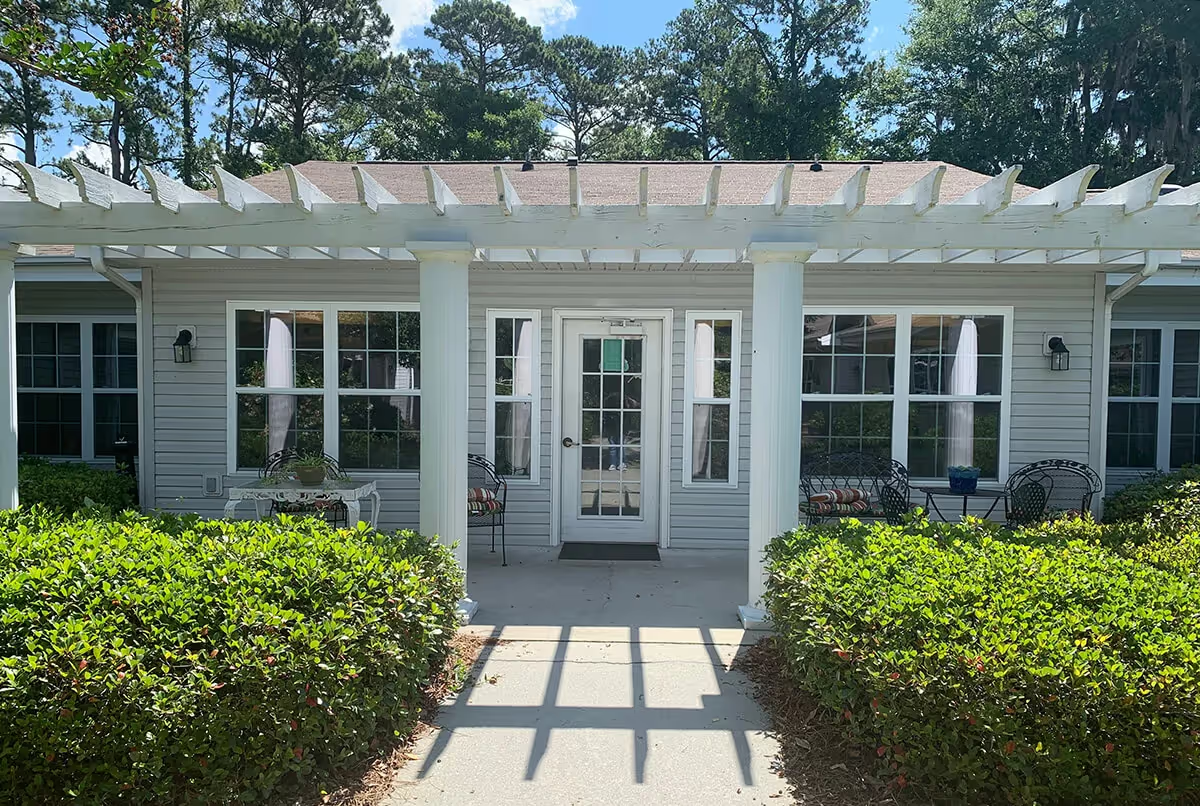
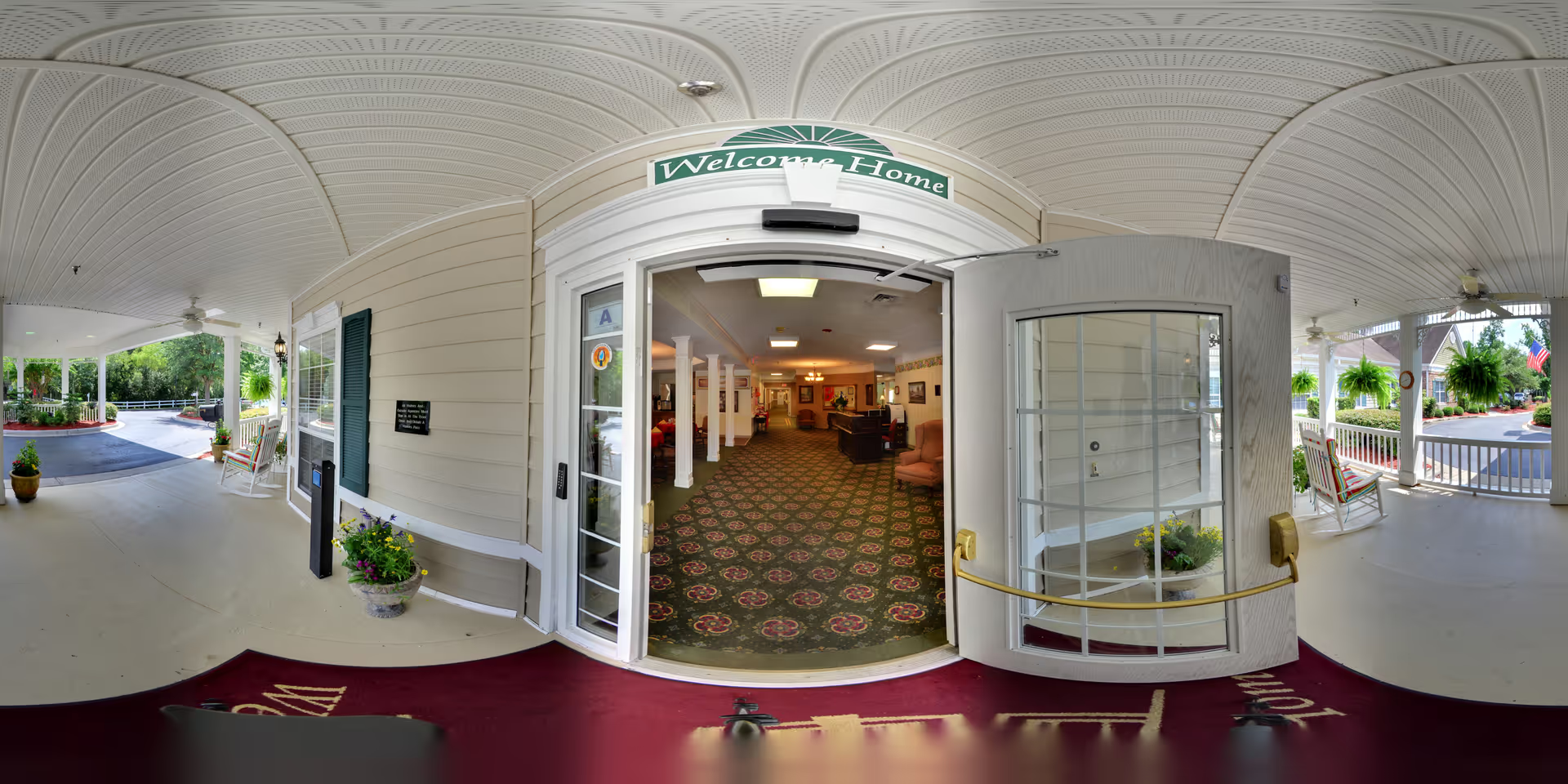
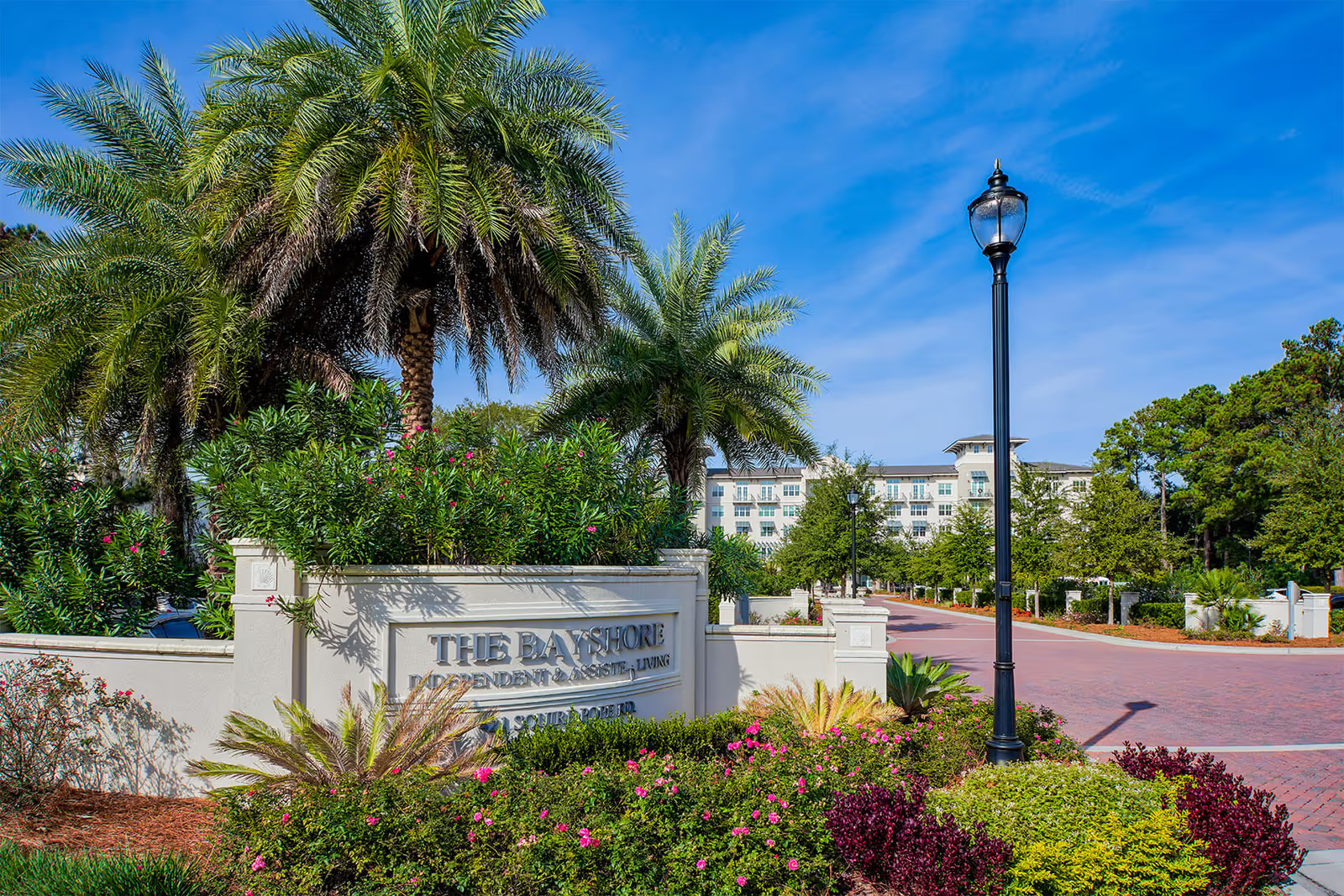
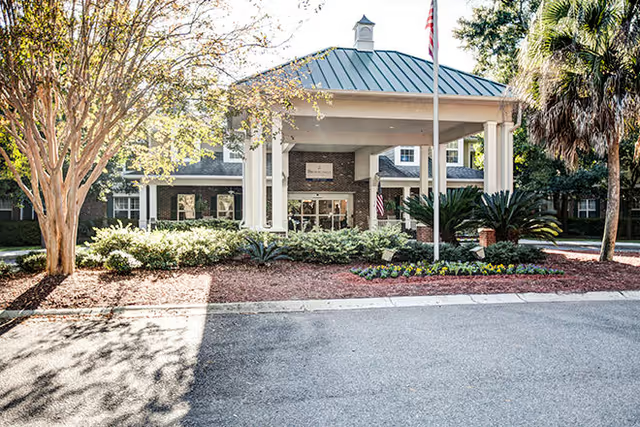
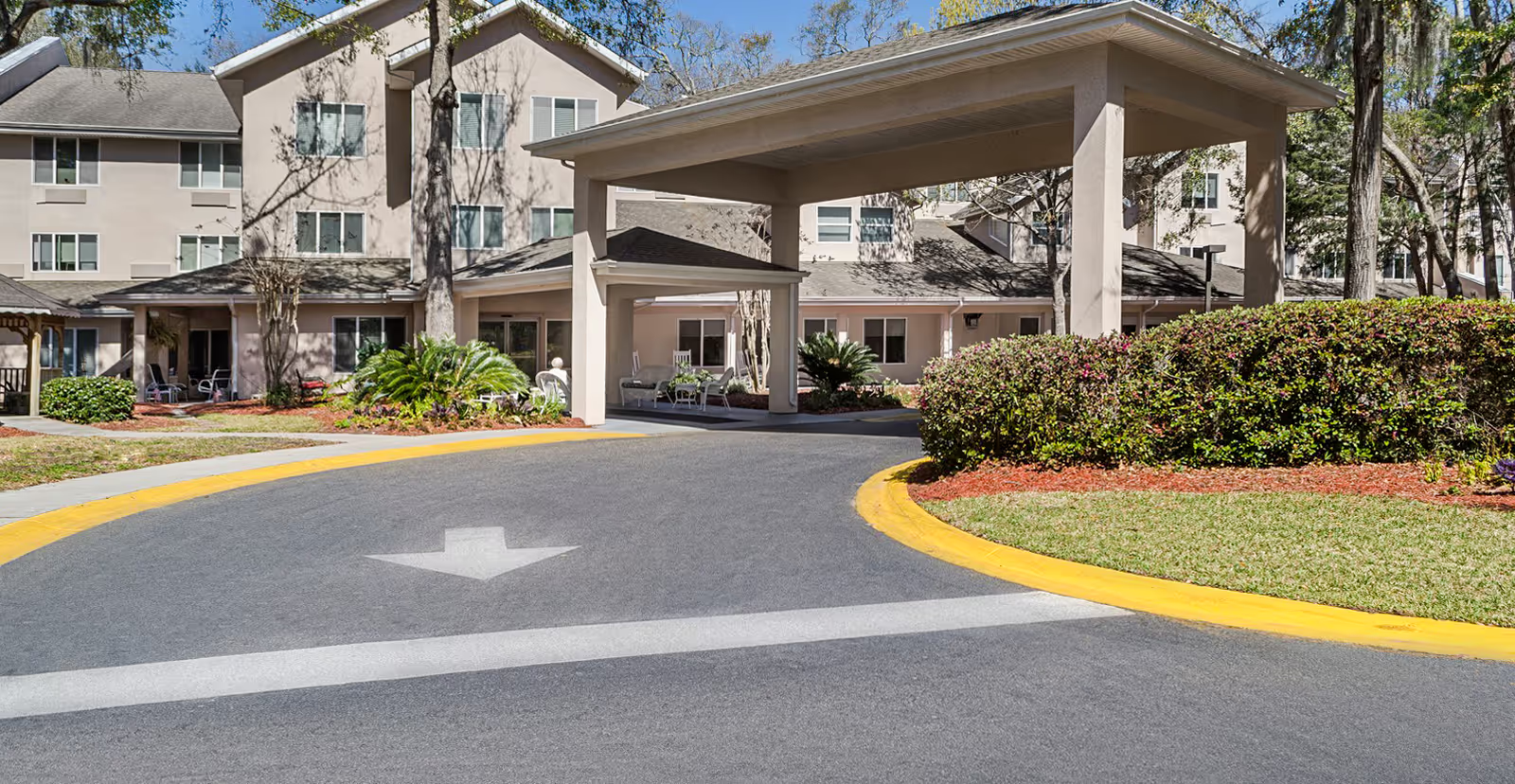
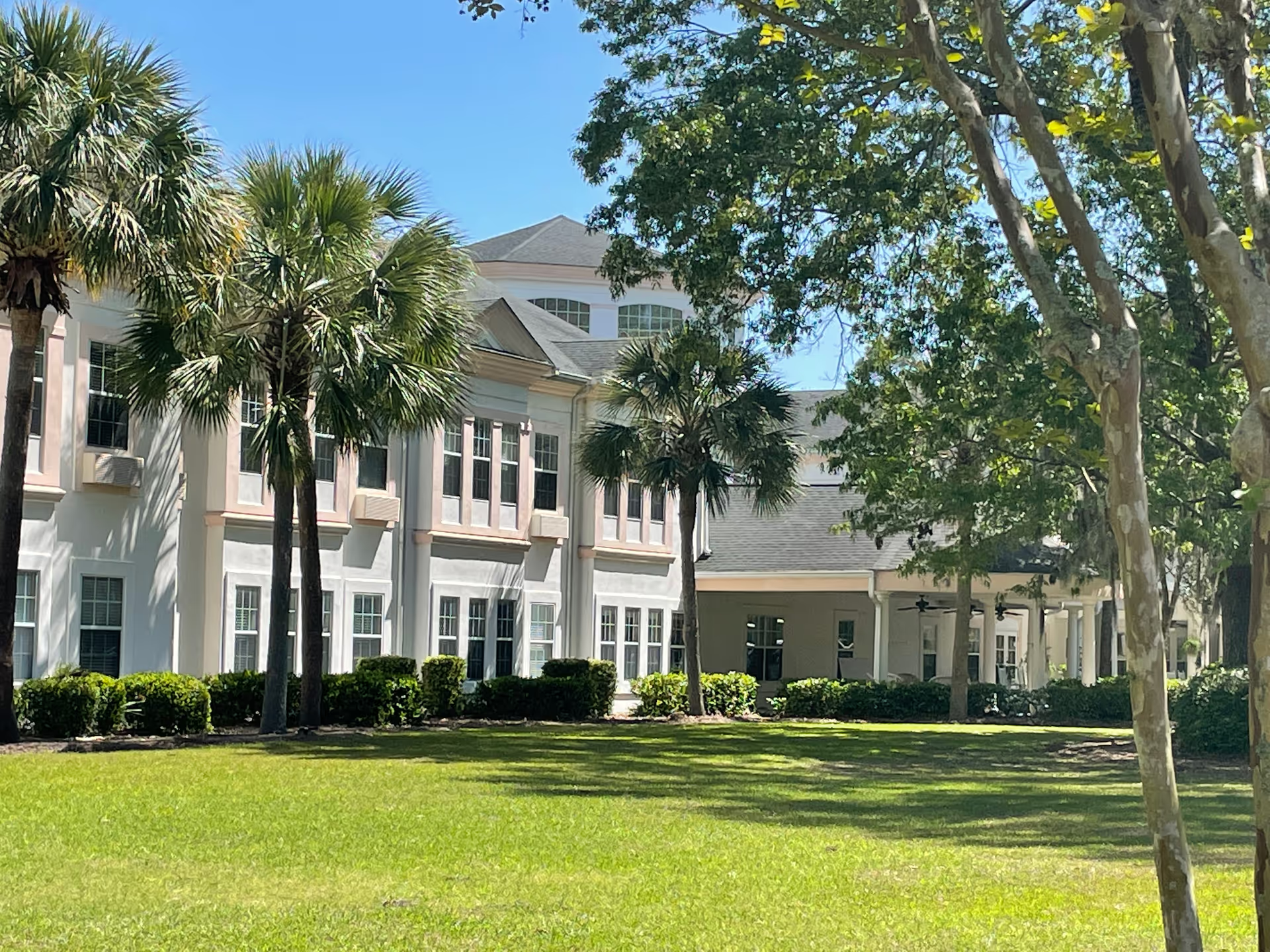
The Retreat at Lady's Island is described overall as a modern, well-kept assisted-living community with strong environmental and social attributes. Reviewers consistently cite a newer ADA-accessible building, attractive water and outdoor views, well-appointed common areas, and an airy, pleasant campus that supports both social life and family visits. The community offers on-site clinical supports — including an in-house pharmacy and physical therapy — and presents an all-inclusive model that some families find convenient and reassuring.
Direct caregiving and activities are frequently highlighted as strengths. Many families point to caring, attentive staff members, a favorable staff-to-resident mix, and an activities program that is robust and varied (arts and crafts, card games, bingo, holiday events, transportation outings). Several reviewers singled out the activities leadership for keeping residents engaged and socially connected; memory-care programming receives positive mention where cognitive gains or improved daily engagement were observed. Transition support and move-in assistance were also described as smooth by multiple families.
At the same time, there are recurring operational concerns that prospective residents and families should probe. Staffing consistency and turnover emerged repeatedly as a source of uneven experiences: while some families praised steady, compassionate caregivers and nursing care, others noted delays in assistance, reduced activity continuity during staffing shortages or illness, and departures among nurses or managers that affected continuity. Relatedly, several reviews raised concerns about medication-management practices and about the timeliness and consistency of personal-care tasks (bathing, dressing, shower assistance). These are framed as process and training issues rather than isolated compliments, with requests for clearer clinical oversight and dementia-care competency.
Dining and housekeeping impressions are mixed. Many reviewers commend the food service and name specific staff members positively; others described inconsistent meal quality and supply interruptions. Housekeeping and sanitation are generally described as good, but variability appears across time and units — some families experienced cleanliness or maintenance lapses (carpets, laundry equipment, occasional supply shortages) that were later addressed. Room sizes and unit layout were praised for comfort and scenery but occasionally noted as smaller than expected.
Management communication and perceived value also produce disparate views. Several families praise accessible, hands-on leadership and directors who are responsive and engaged; contrasting comments describe executive-level unresponsiveness or a sales-oriented tour experience. Cost perceptions vary — some find the all-inclusive model aligns well with expectations, while others feel pricing is high for the level of service received. Overall, the pattern is one of a community with many operational strengths (facility quality, caring staff, active programming, clinical supports) tempered by intermittent process and staffing weaknesses that affect consistency of daily care. Prospective families would benefit from direct questions about current staffing levels, medication protocols, dementia-care training, sample meals, and recent housekeeping/maintenance practices when evaluating the community.