Overall impression: Reviews convey a facility that delivers solid clinical and rehabilitative care while maintaining a warm, family-oriented atmosphere. Multiple accounts highlight compassionate, attentive caregivers and therapy teams who supported measurable progress for residents. The environment is described as clean and accommodating for family presence and visits, contributing to a sense that residents are treated with respect and dignity.
Care quality and clinical services: Clinical competency and rehabilitation services are the strongest themes. Reviewers noted skilled nursing and therapy staff who focused on recovery and day-to-day care needs, with examples of residents making progress under the facility’s programs. Families described staff as caring and attentive, and praised the facility’s ability to support rehabilitation goals and short-term recovery.
Staff and interpersonal interactions: Direct-care staff are generally described as compassionate and attentive, fostering a home-like dynamic that made families feel included. However, there is a contrasting pattern around front-line administrative interactions: some reviewers reported encounters with unprofessional or discourteous reception staff. This suggests variability between clinical teams and administrative/customer-service personnel.
Dining and activities: Review comments provided limited detail about dining and organized activities. Therapy and family visits were emphasized more than social-program specifics. Prospective families should request current menus, activity schedules, and examples of recreational programming during a tour to assess fit and daily engagement opportunities.
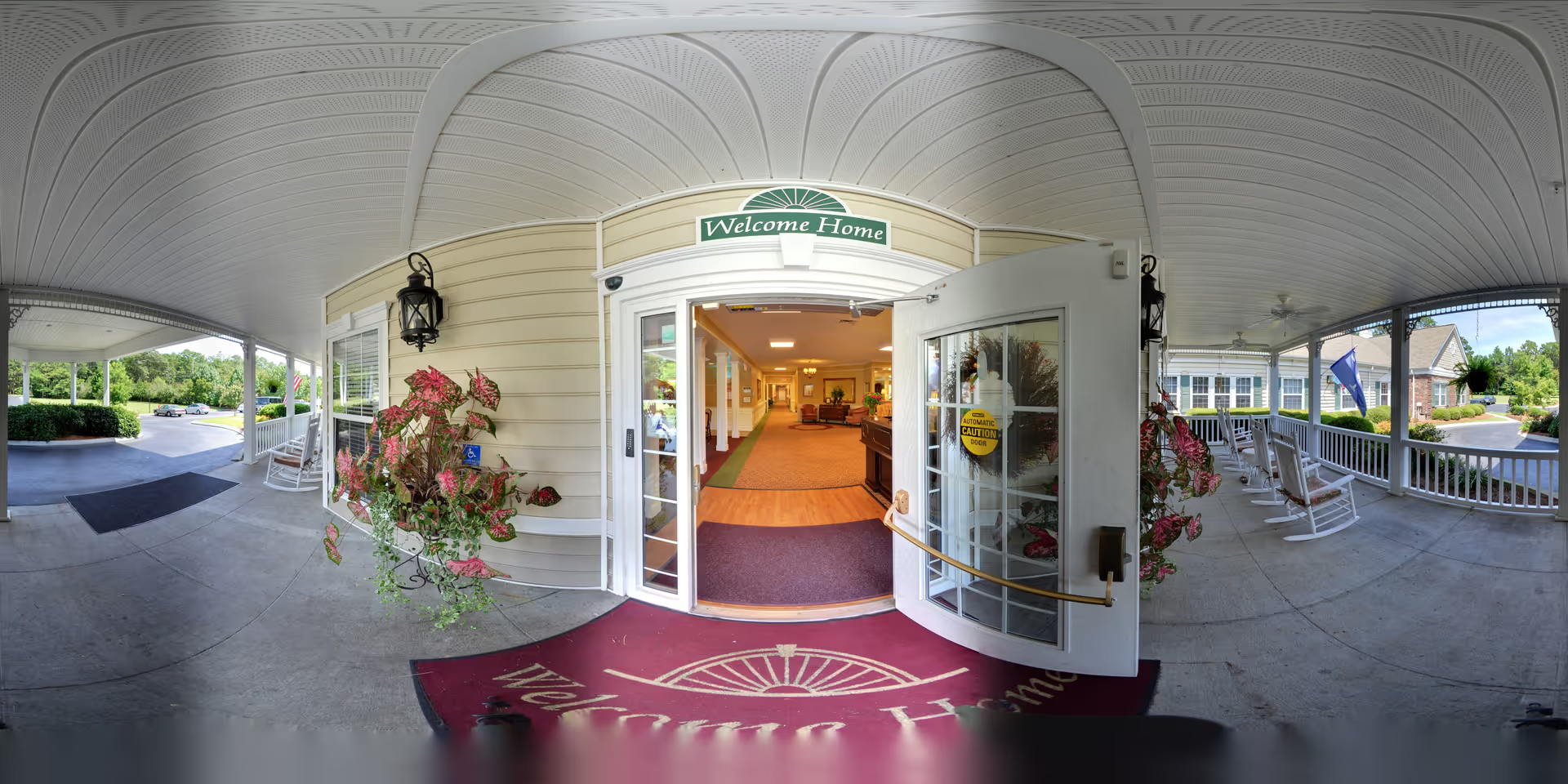
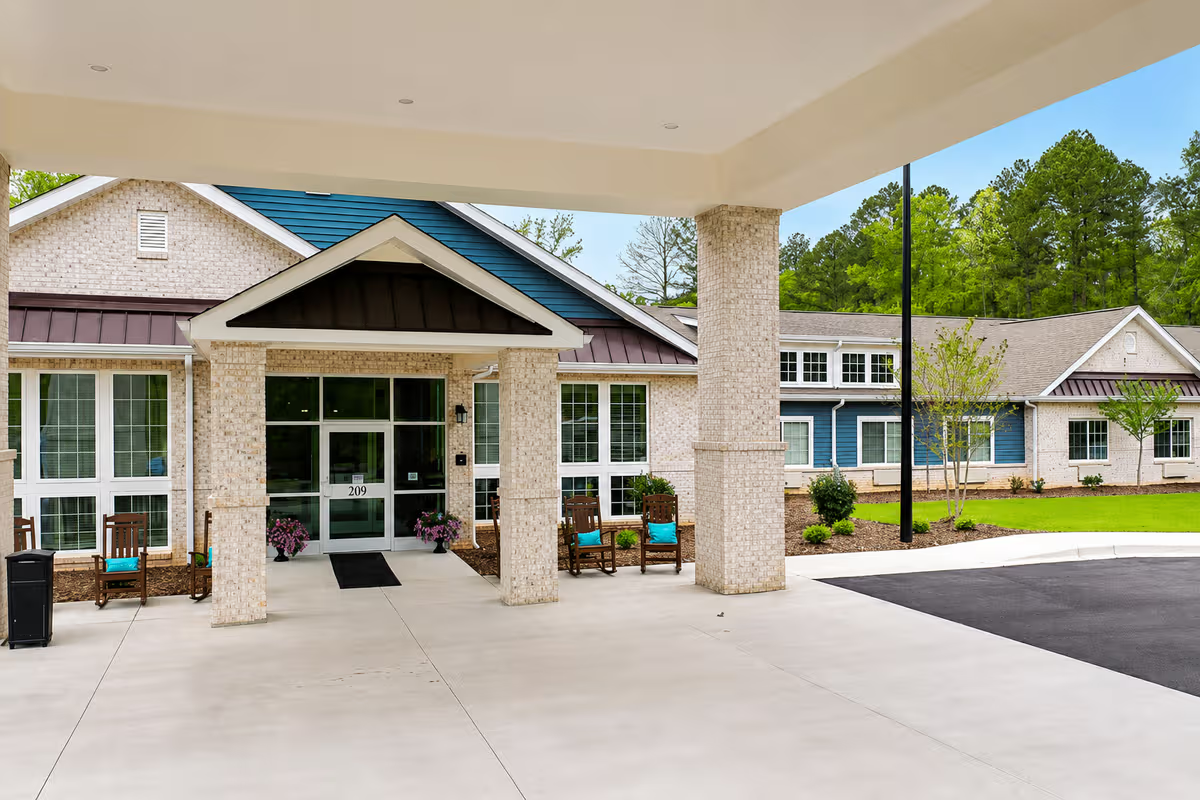
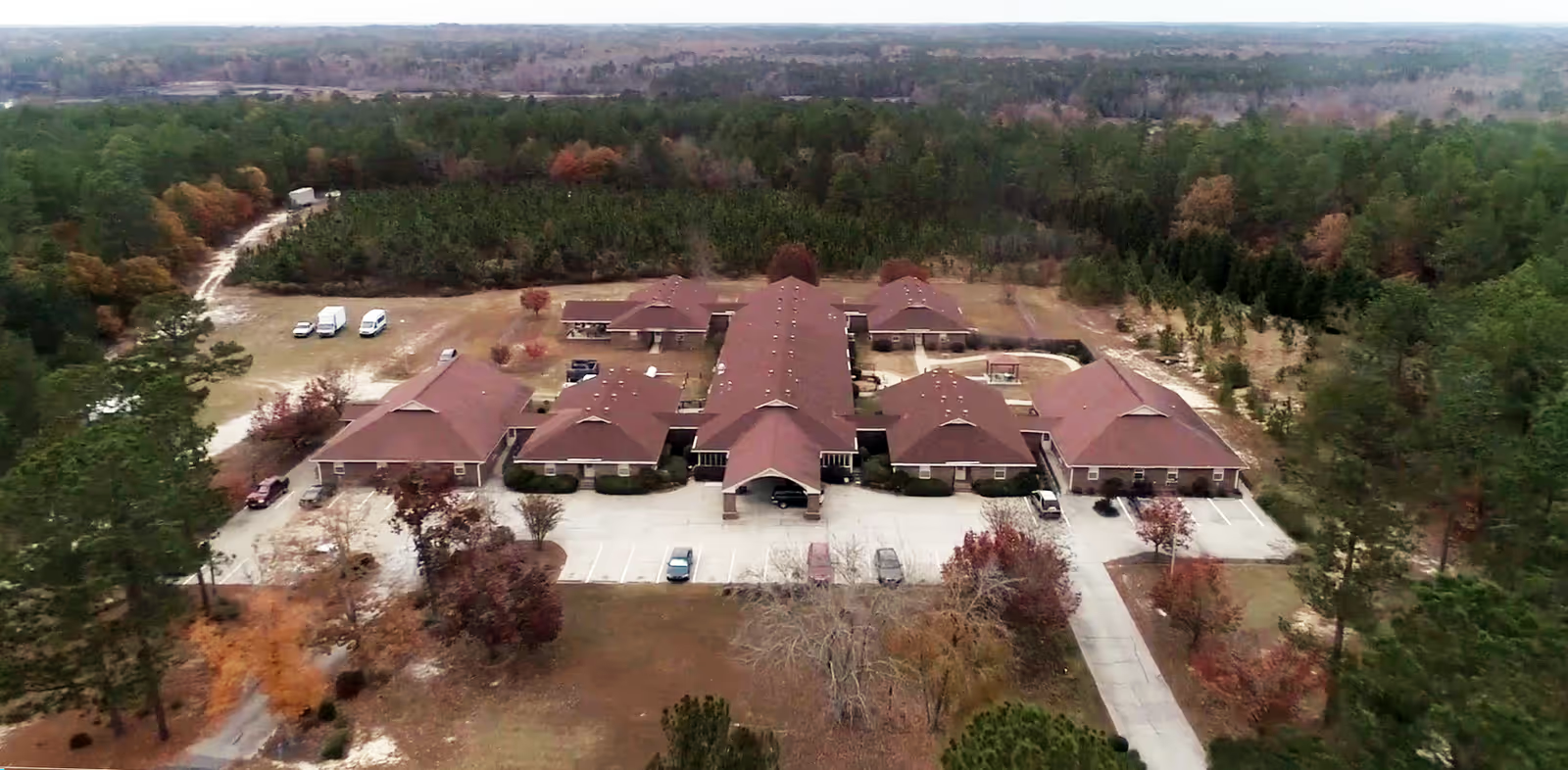
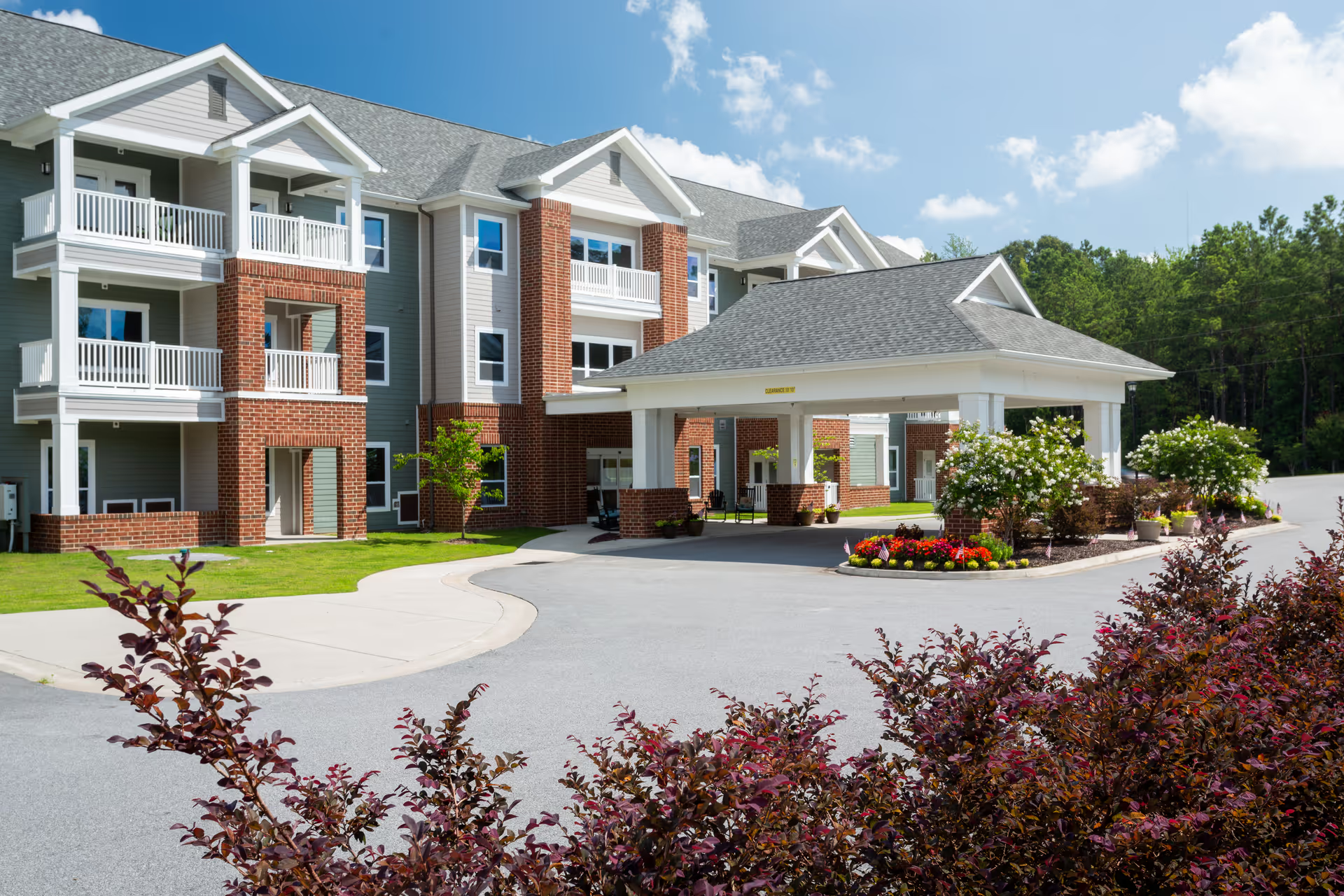
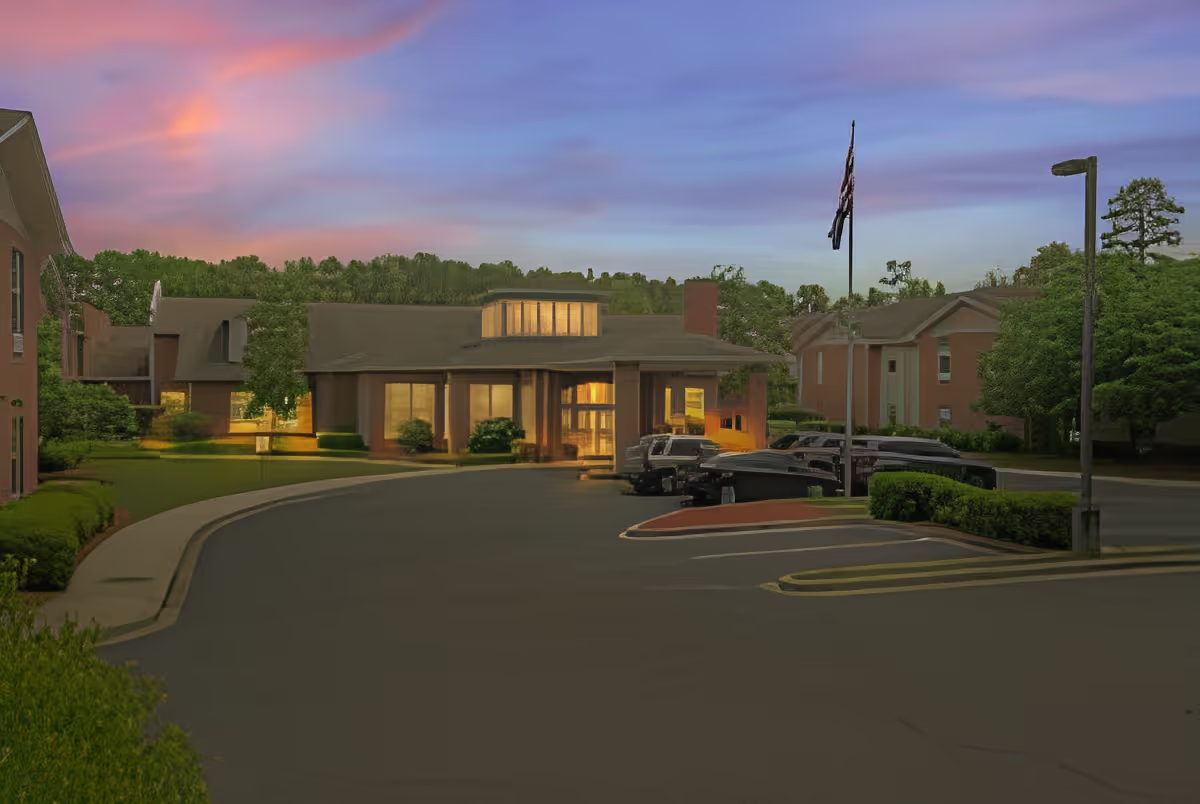
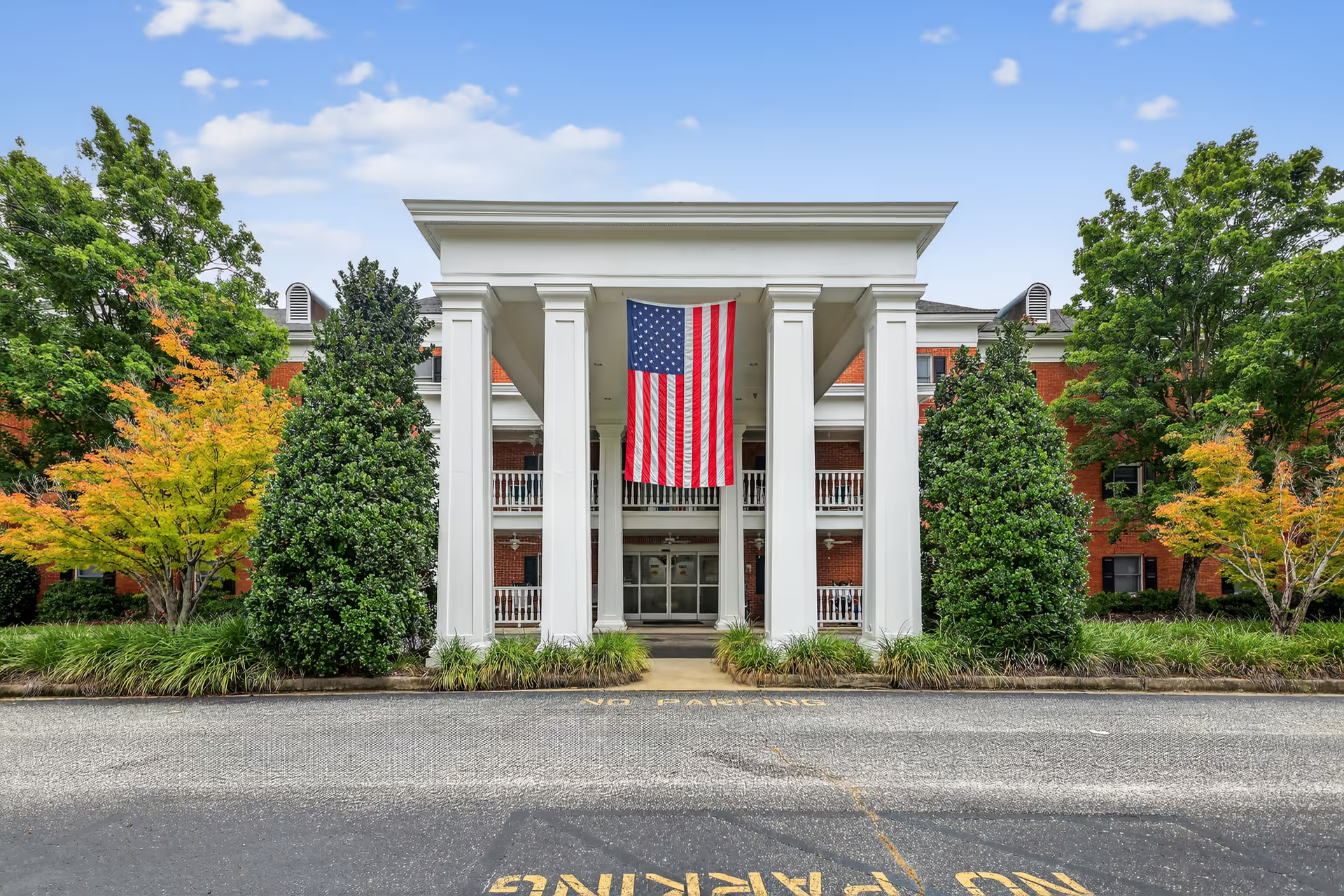
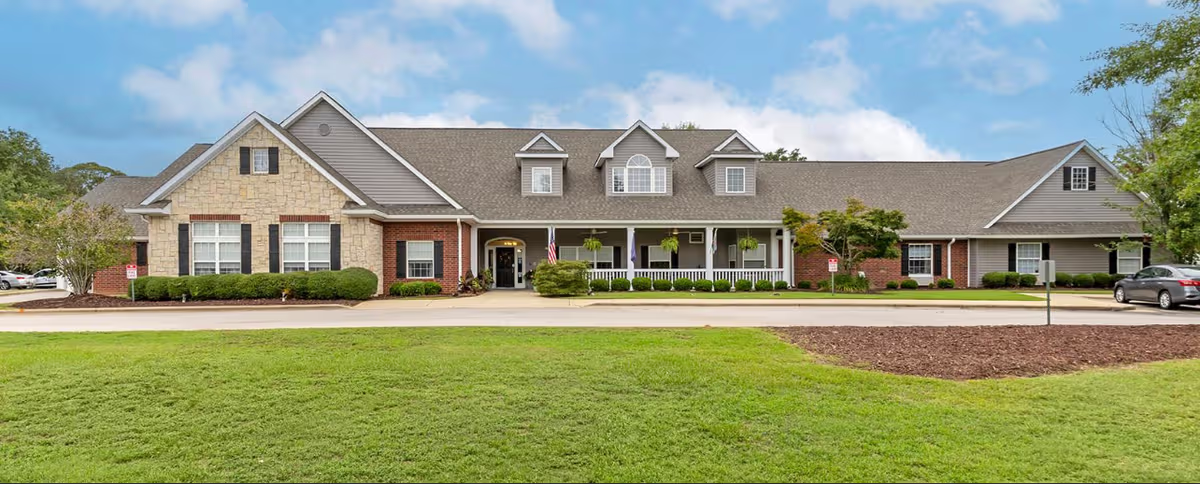
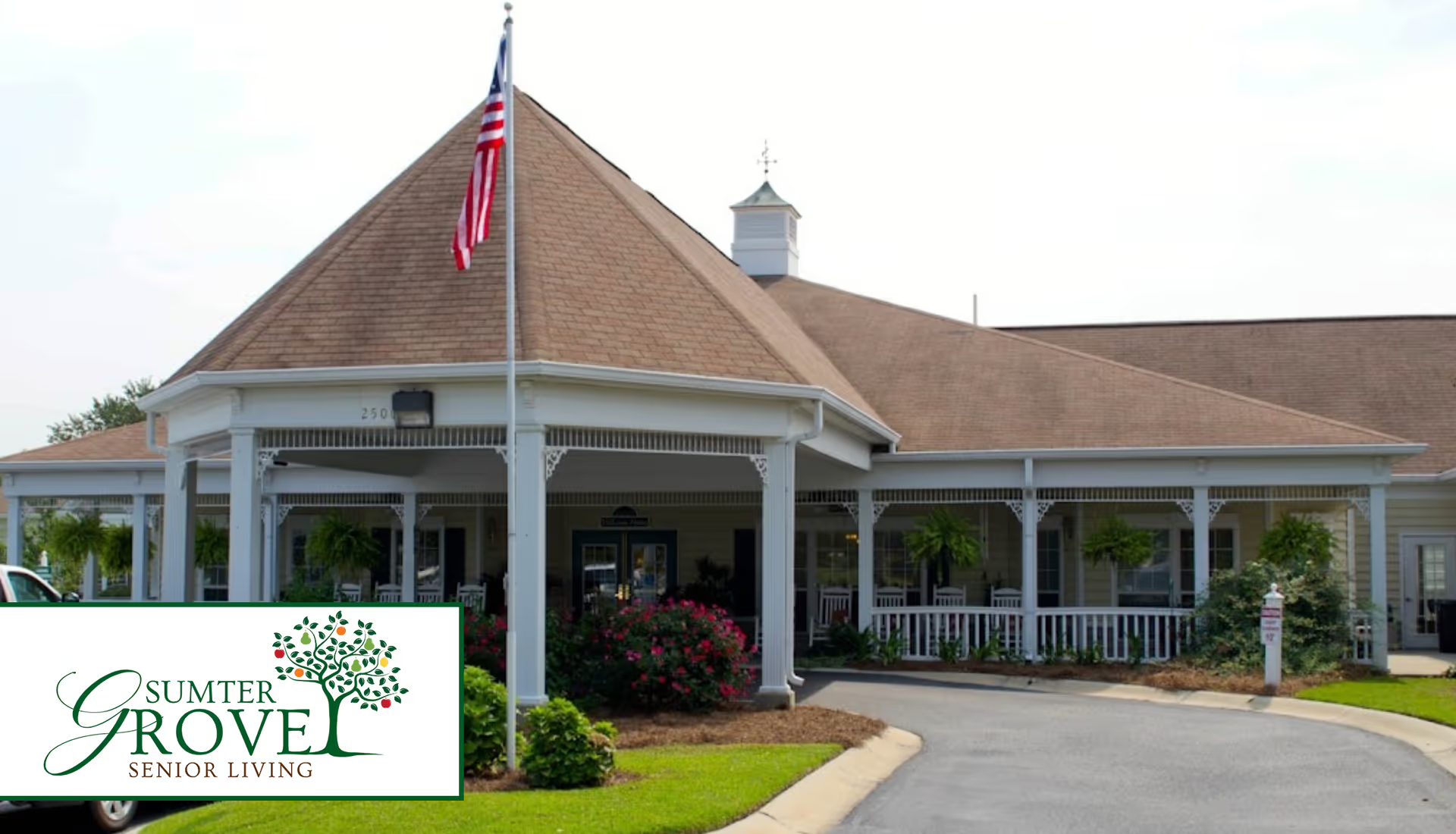
Facilities and cleanliness: The facility is noted to be well-maintained and clean, with spaces that accommodate family visits. Cleanliness and a welcoming physical environment were cited positively, supporting the overall impression of a comfortable setting for short-term rehab and long-term care.
Management and communication: While clinical teams receive praise, management-side issues emerged as a recurring operational theme. Reviewers described administrative disorganization and gaps in coordination, and there were concerns about inconsistent communication from front-desk and administrative staff. Families should clarify how clinical updates and administrative inquiries are handled and whom to contact for escalation.
Notable patterns and recommendations: The dominant pattern is one of strong clinical care and effective therapy within a supportive, family-friendly environment, tempered by inconsistent customer-service and administrative practices. Prospective residents and families would benefit from in-person tours that include meetings with both clinical leads and administrative staff, verification of visitation policies, and a review of communication protocols (including who provides care updates and how concerns are escalated). Asking for recent example care plans, therapy goals, and a copy of the facility’s communication procedures can help determine whether the administrative approach aligns with family expectations.