Reviewer feedback for Springdale Health Care Center is highly polarized: many accounts praise individual caregivers, therapy teams, and aspects of the facility environment, while a substantial number describe persistent operational problems that affect day-to-day care.
Care quality shows a broad range. Several families and some former staff describe effective nursing and strong therapy outcomes for certain residents; therapy and rehabilitation receive frequent positive mention. At the same time, there are repeated accounts of delayed assistance, slow call-light response, missed personal-care tasks (including turning and bathing), fall incidents, and medication- or pharmacy-timing problems. There are also references to very serious clinical concerns in individual cases; these accounts suggest the need for careful review of clinical incident response and quality-monitoring processes.
Staff performance and workforce issues are a central theme. Many comments highlight compassionate, attentive CNAs, dedicated nurses, and helpful housekeeping staff. However, other reviewers describe inconsistent staff behavior, limited training or orientation for new hires, high reliance on agency staff, and variable professionalism. Reports of poor communication tone, difficulty reaching nursing leadership, and allegations of discriminatory behavior indicate uneven workplace culture and supervisory oversight.
Dining and nourishment present mixed impressions. Some residents and families appreciate the food and meal service, while others describe limited menu variety, occasional cold or reused items, and sparse snack availability. Several reviews specifically cite inadequate supplies in nourishment rooms, which can affect residents who need supplemental feeding or assistance between meals.
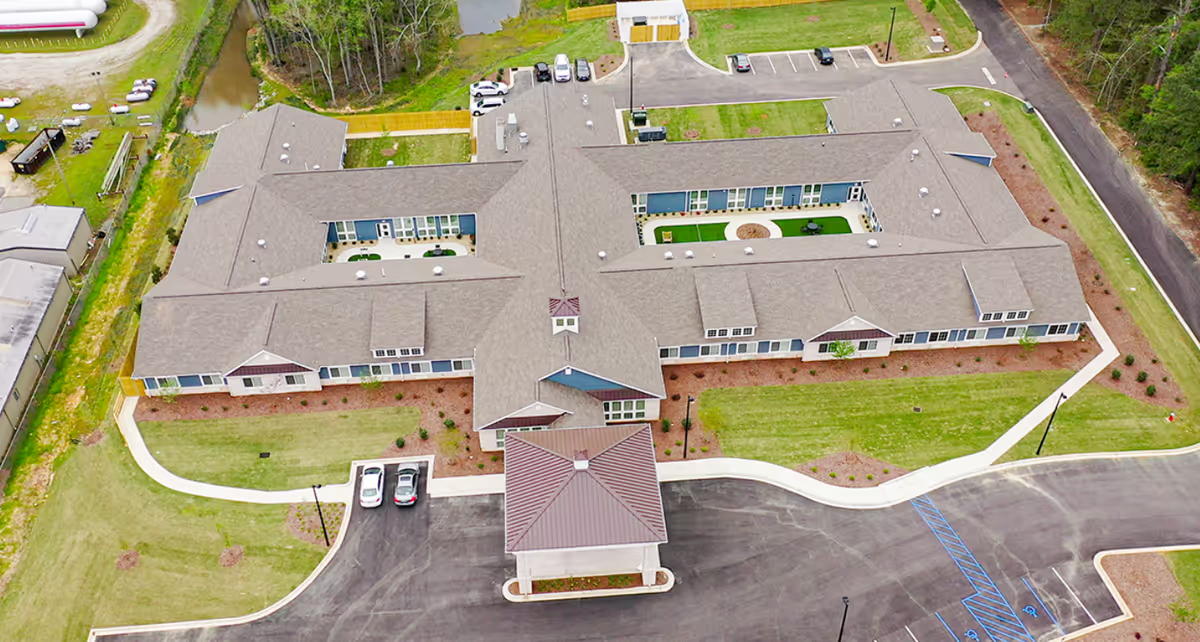
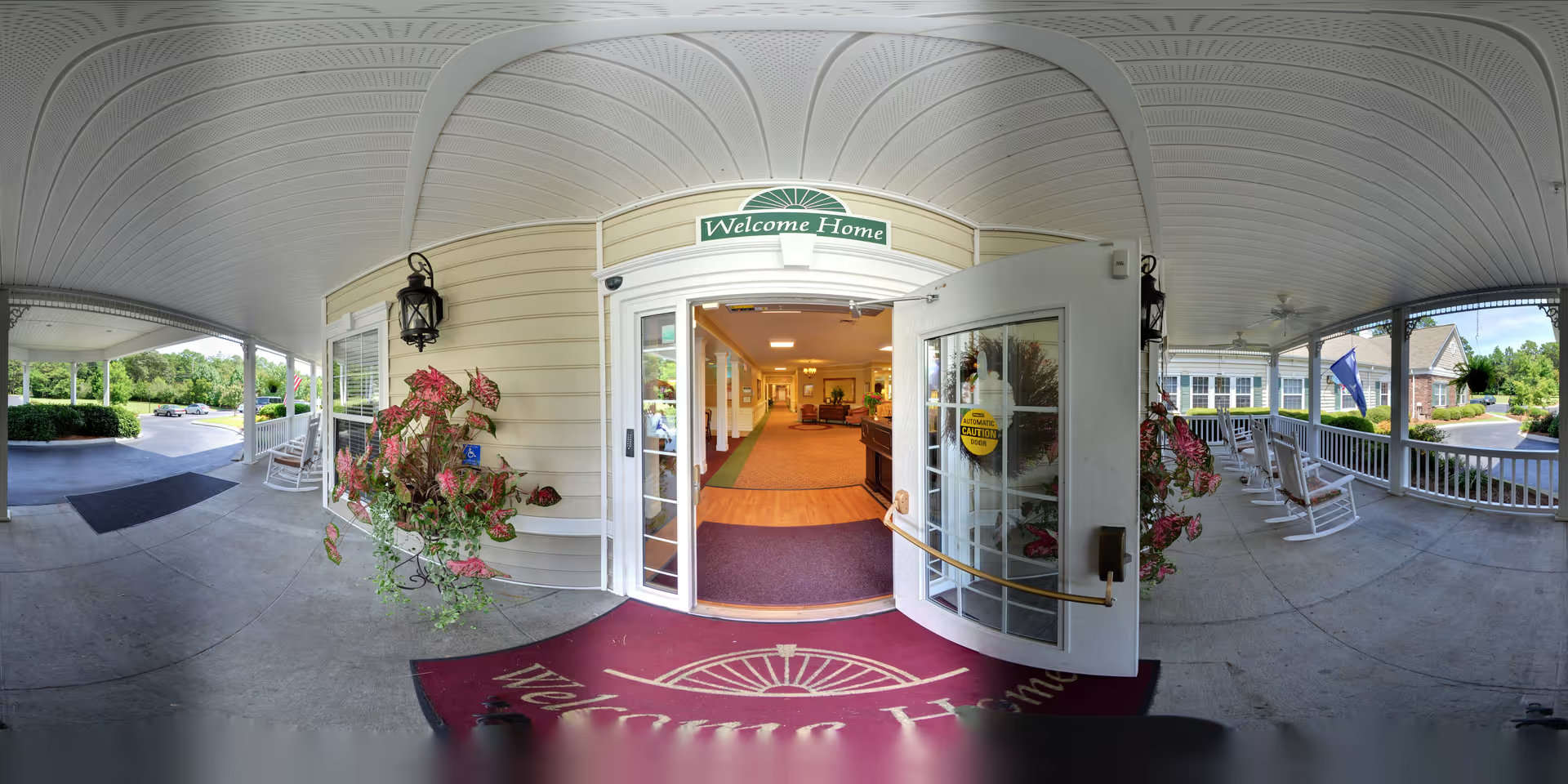
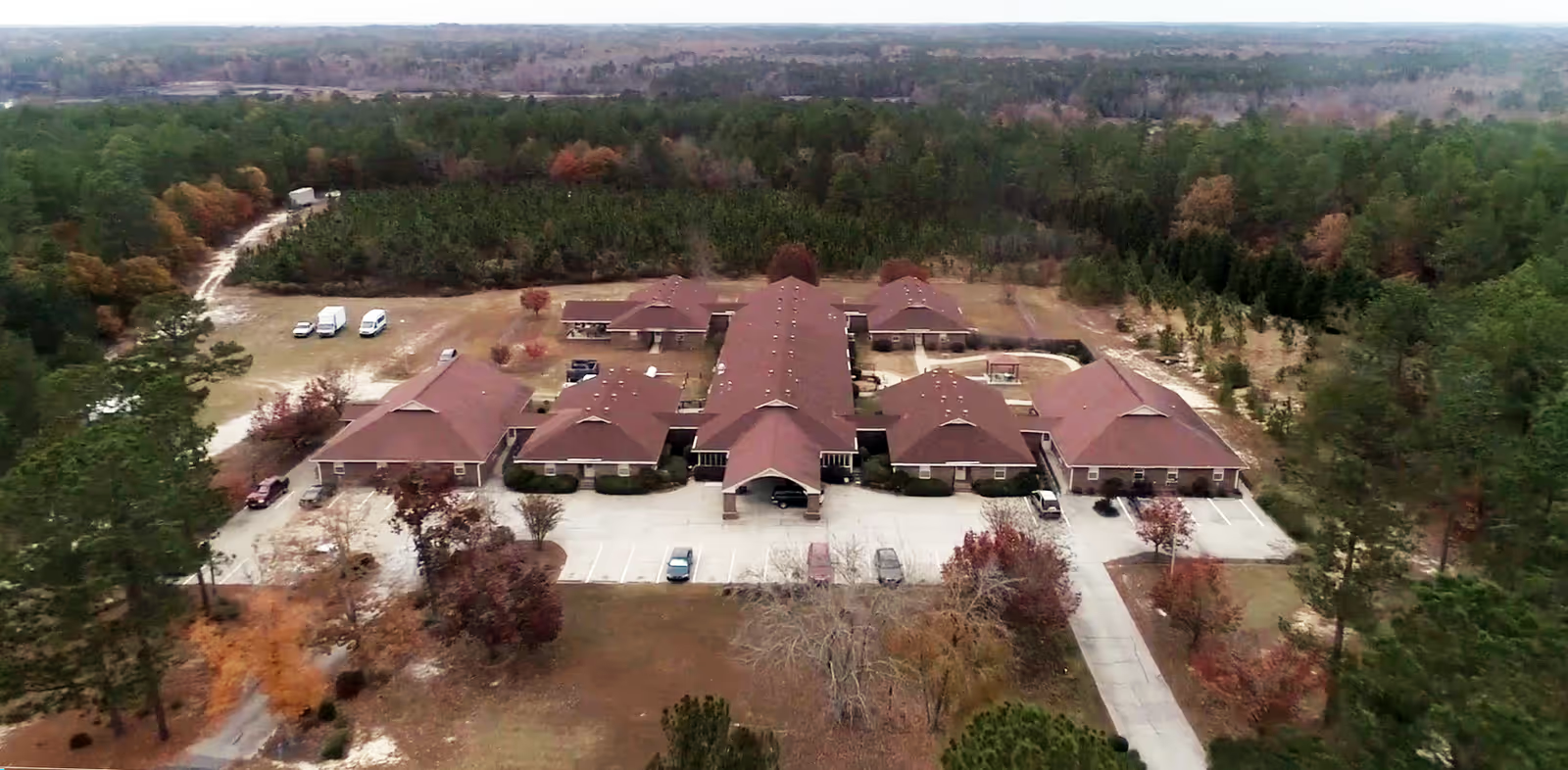
Facility condition and logistics are described as inconsistent across units. Positive notes include well-furnished common areas and orderly sections of the campus. Conversely, reviewers describe sanitation concerns and odor issues in some rooms and hallways, maintenance needs (walls and paint), lost clothing or laundry management problems, and aging equipment that would benefit from upgrades.
Management, communication, and administrative responsiveness emerge as recurrent patterns. Some reviewers commend engaged leadership and staff who proactively address concerns. Others report difficulty reaching the facility by phone, restricted or short visitation/appointment windows, slow follow-up from administration, and a perception that staffing decisions prioritize census over resident acuity. These operational choices are linked in multiple accounts to service gaps at the bedside.
Overall, Springdale demonstrates clear strengths in individual caregivers, therapy services, and parts of its campus, but there are consistent concerns about staffing stability, training, cleanliness, communication, and supply/equipment availability. Prospective residents and families should ask specific questions about current staffing ratios, agency-staff use, training programs, medication- and pharmacy-handling procedures, fall-prevention protocols, nourishment-room stocking, and grievance/communication channels. Regular family visits and active care coordination are advisable while the facility addresses the reported inconsistencies.