Forest Acres Post Acute elicits a strongly mixed set of impressions. On the positive side, the facility is repeatedly recognized for its robust therapy services: physical and occupational therapy teams and short-term rehabilitation programs receive consistent praise for producing measurable recovery and safe discharges home. Many families and former patients highlight individualized therapy plans, hands-on therapists, and good coordination with clinical staff. The activities department is also frequently commended for offering engaging programming and social opportunities that contribute to residents’ quality of life.
Direct-care staff generate varied feedback. Numerous comments describe compassionate, attentive nurses and CNAs who take time with residents and support daily needs; these staff are frequently credited with creating a warm, family-like atmosphere. At the same time, reviews point to operational pressures that undermine care consistency. Chronic understaffing, high patient workloads per caregiver, and a substantial use of agency or temporary personnel are recurring themes. These staffing patterns are associated with delays in responding to call lights, inconsistent personal-care routines, and variability in how tasks such as linen changes and bedside assistance are handled.
Clinical-care quality shows important strengths and weaknesses. Therapy and some nursing teams demonstrate effective clinical skill and positive outcomes, especially for short-term rehab. However, reviewers also describe gaps in wound and ostomy management, inconsistent documentation practices, and concerns about fall-prevention and bedside safety measures. These issues appear linked to staffing levels and to variable practices across shifts; several accounts indicate that nights and understaffed periods are when responsiveness and safety practices decline.
Dining and activities are generally regarded as strengths. Many reviewers praise the dietary staff for accommodating preferences and providing enjoyable meals; others mention standout activity leaders and specific programs that enhance resident engagement. That said, food quality is not uniformly praised across all accounts and appears to vary by time or unit.
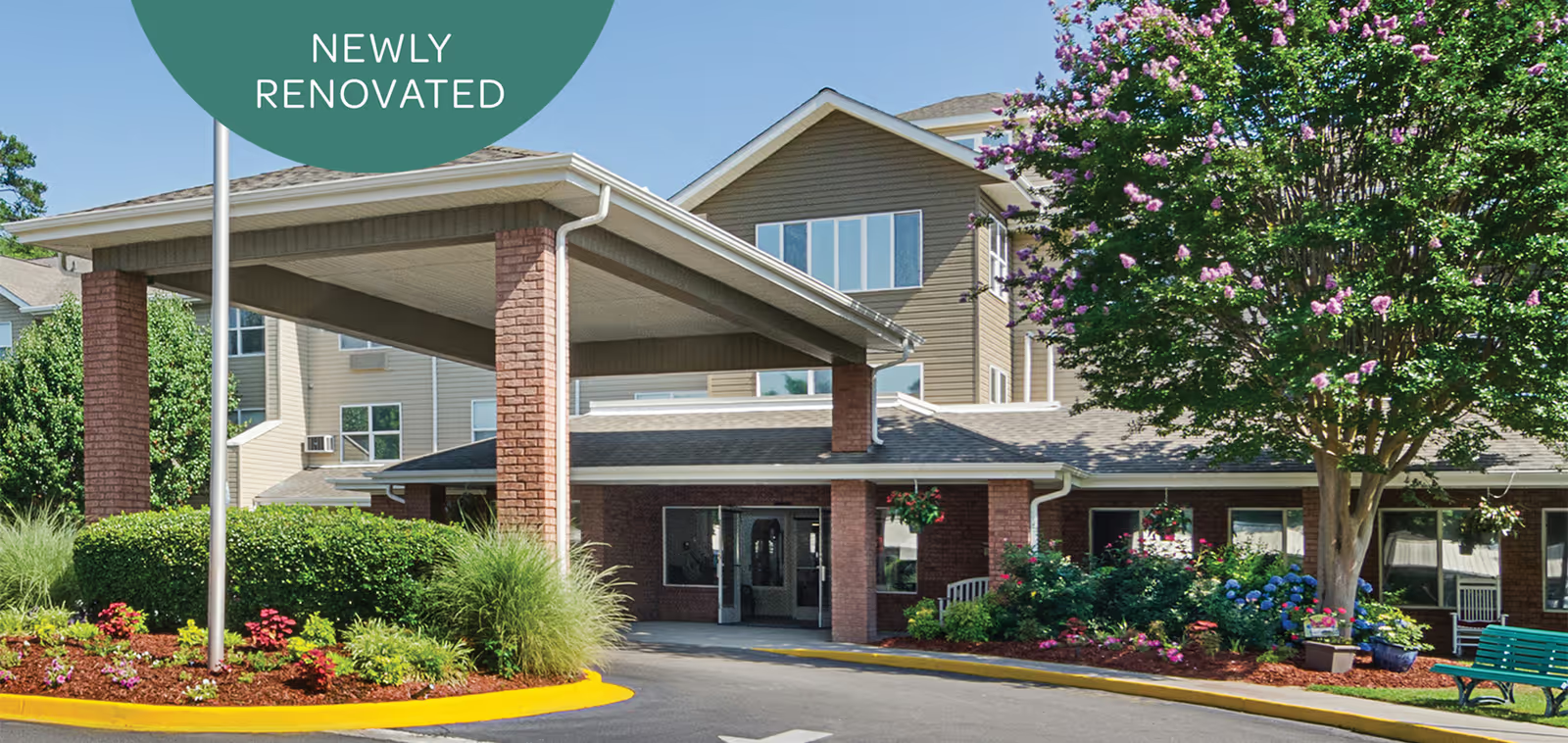
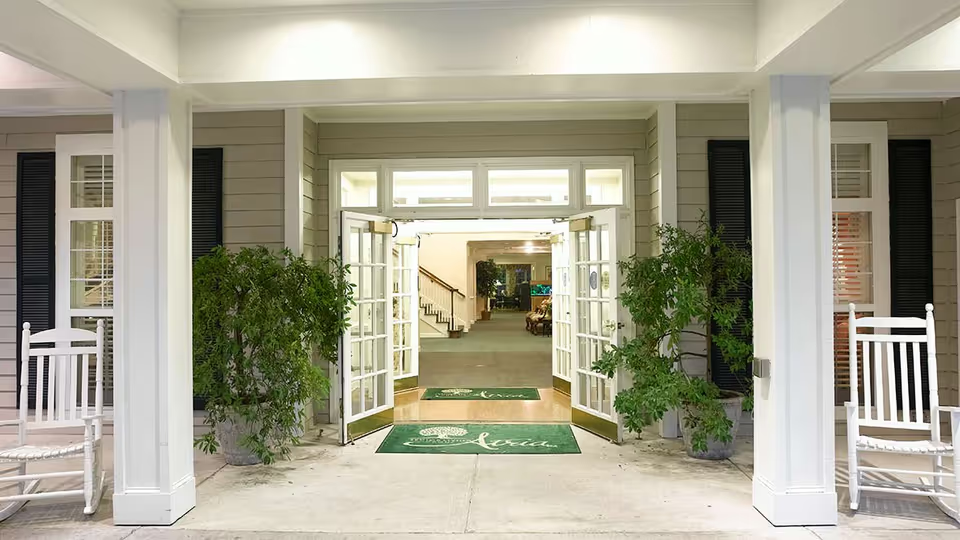
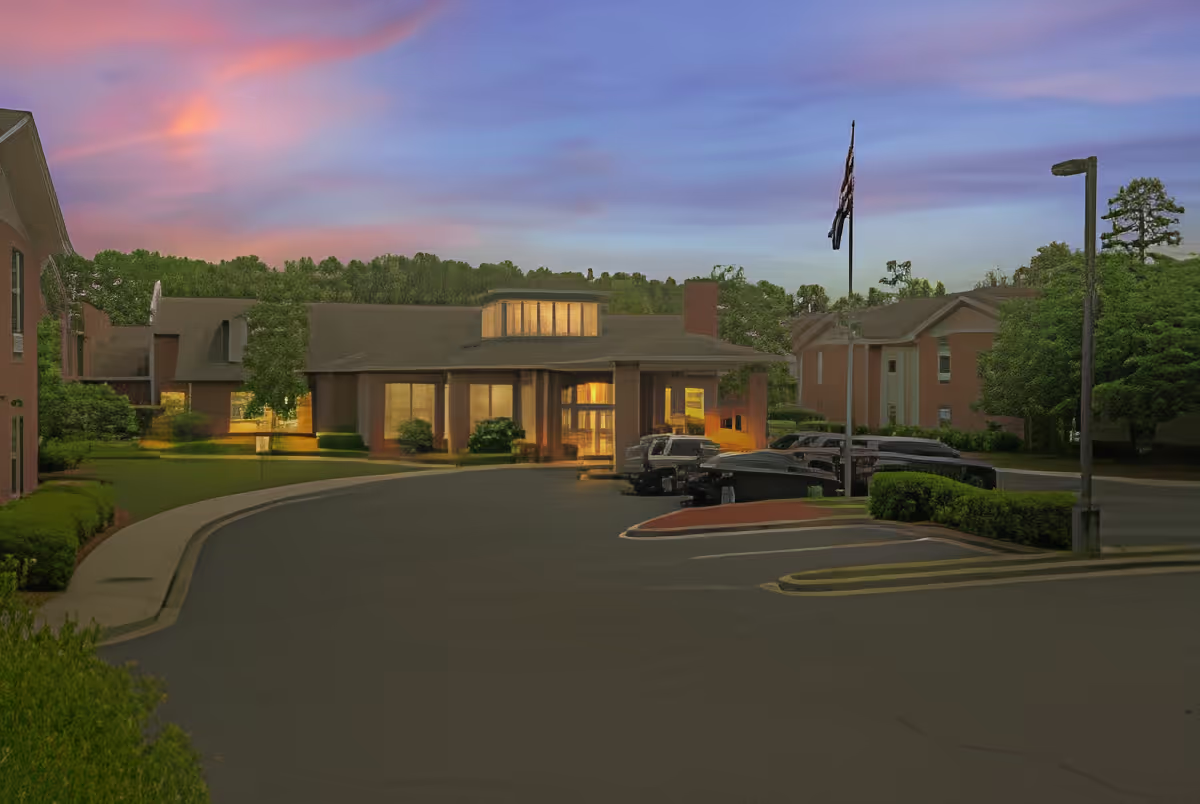
Facility upkeep and environment receive mixed remarks. Some visitors describe clean, comfortable rooms and responsive housekeeping, while others note sanitation and odor concerns, inconsistent linen availability, and occasional pest-control issues. These contradictions suggest variability in housekeeping and environmental-maintenance processes across units or shifts rather than a uniformly maintained facility.
Management and governance commentary is similarly mixed. Several reviewers commend newer leadership and specific administrators for improved communication, teamwork, and problem resolution. Conversely, other families describe slow or insufficient responses from leadership when concerns are escalated. There are also serious process-level concerns raised in some accounts, including documentation accuracy and allegations of financial misconduct; a number of reviewers referenced regulatory complaints or plans to pursue external reviews.
Taken together, the pattern indicates a facility with notable clinical and programmatic strengths—particularly in rehabilitation and activities—tempered by operational weaknesses around staffing, consistency of basic care tasks, sanitation processes, and administrative responsiveness. Prospective residents and families should weigh the strong therapy and activities offerings against the potential for variable day-to-day care, and consider asking management about current staffing ratios, wound/ostomy-care protocols, sanitation audits, and recent regulatory or quality-improvement actions before admission.