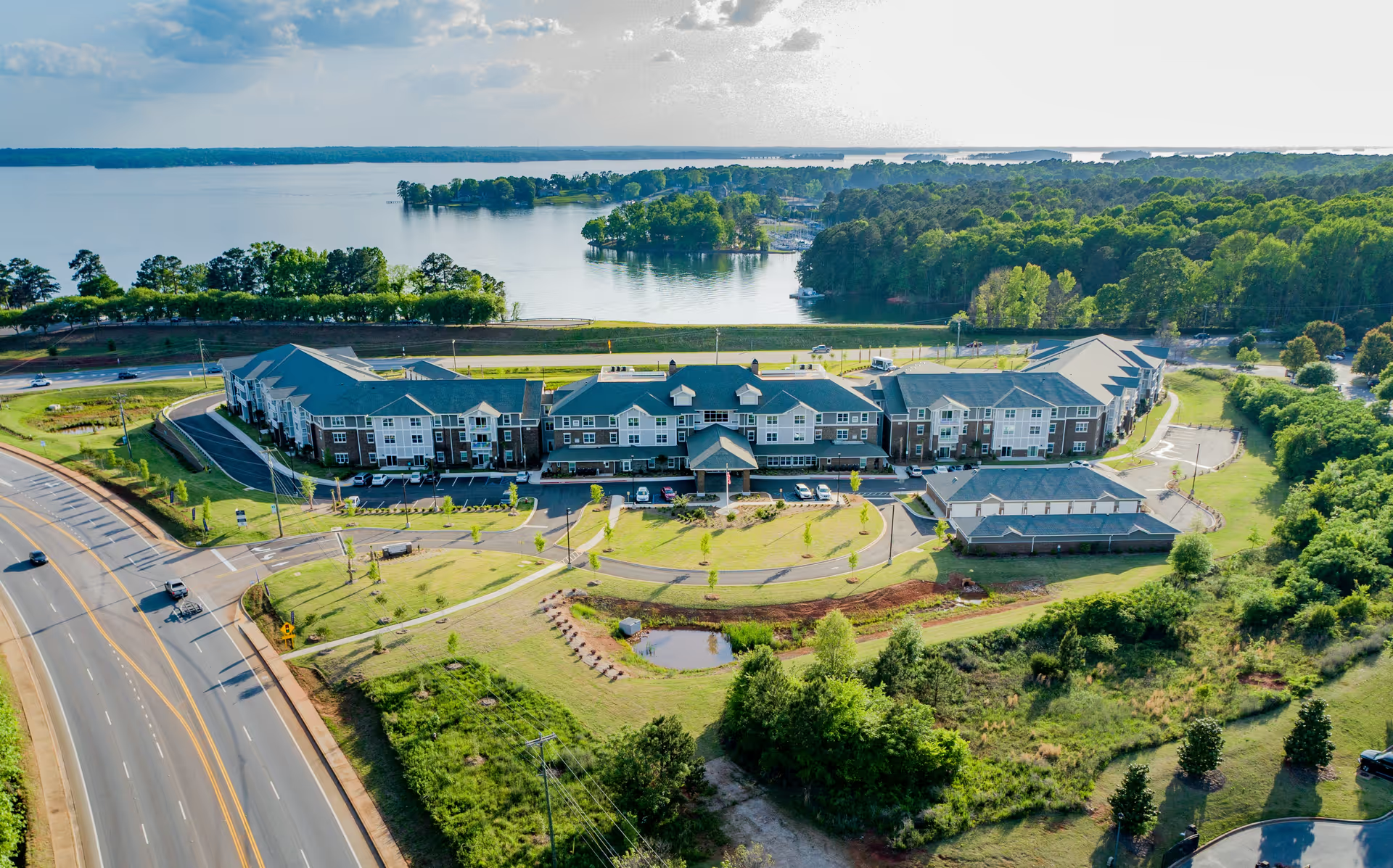
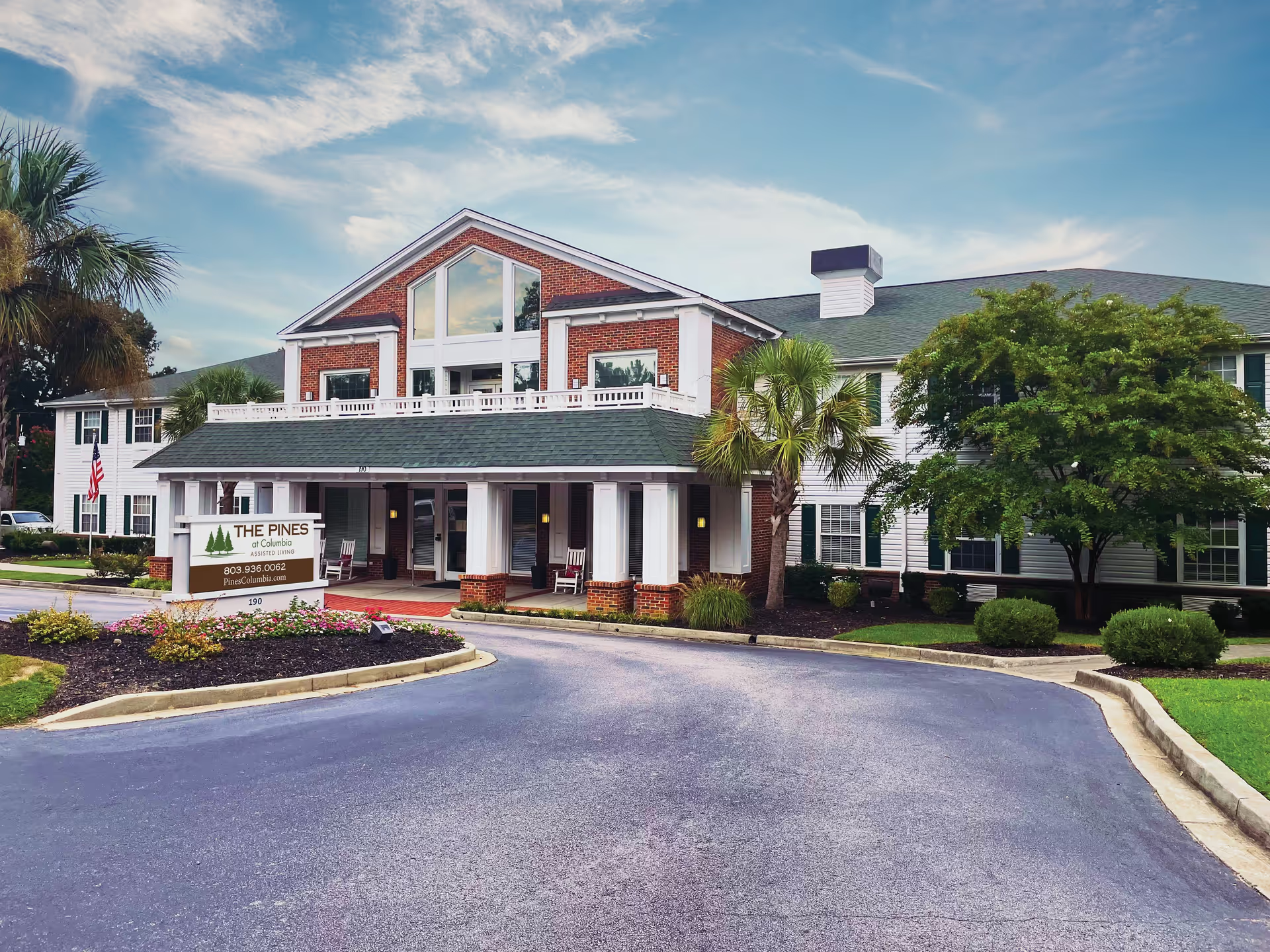
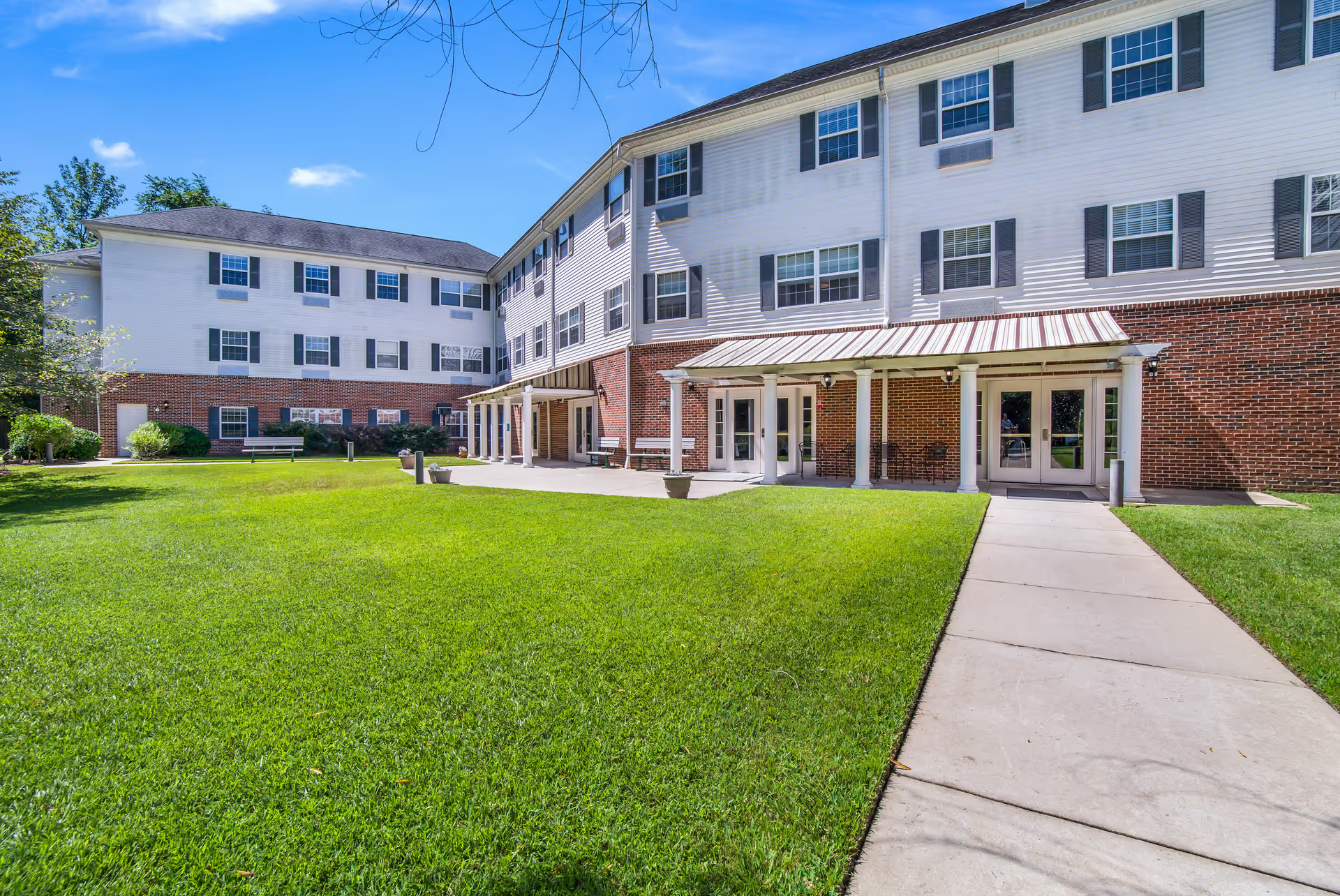
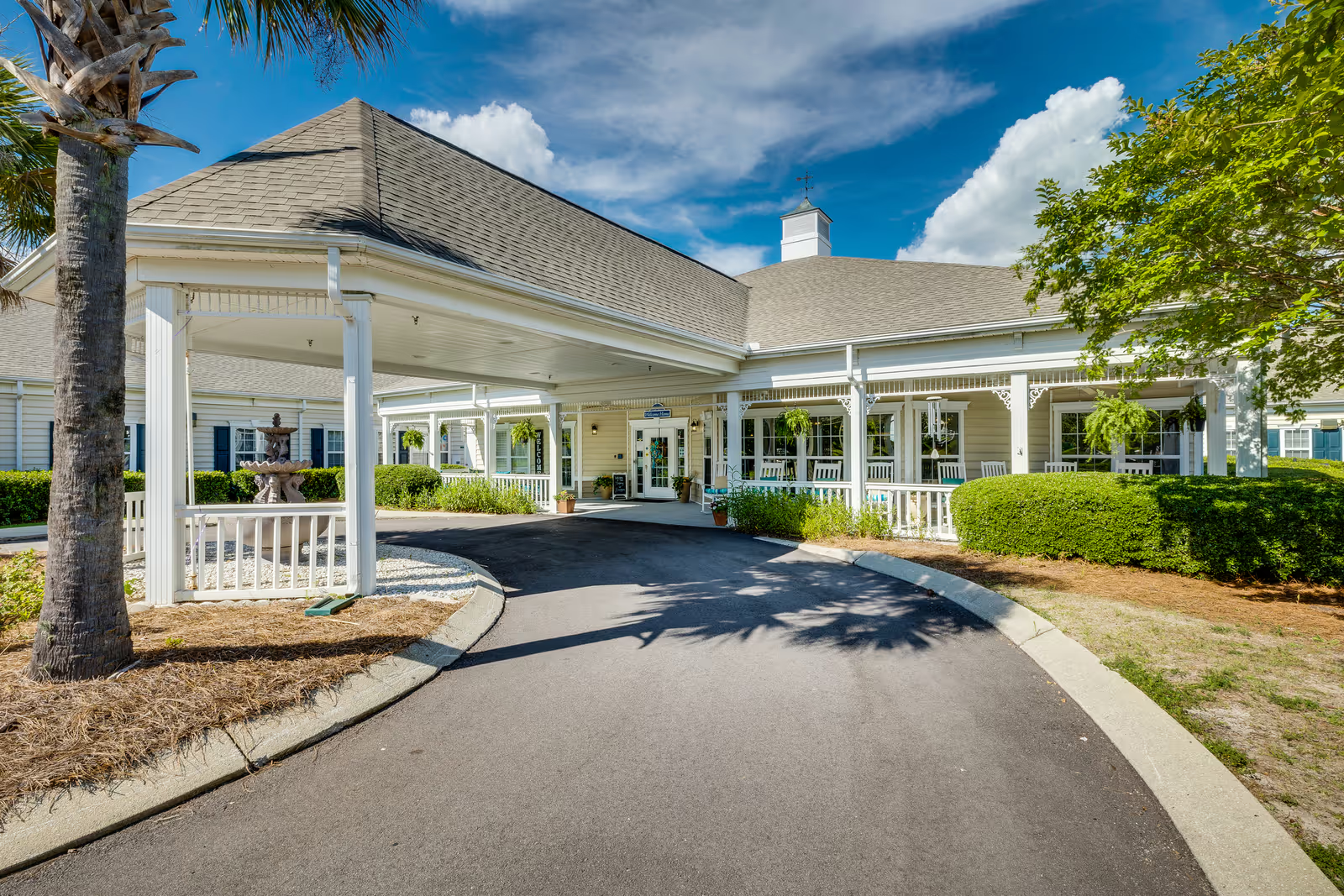
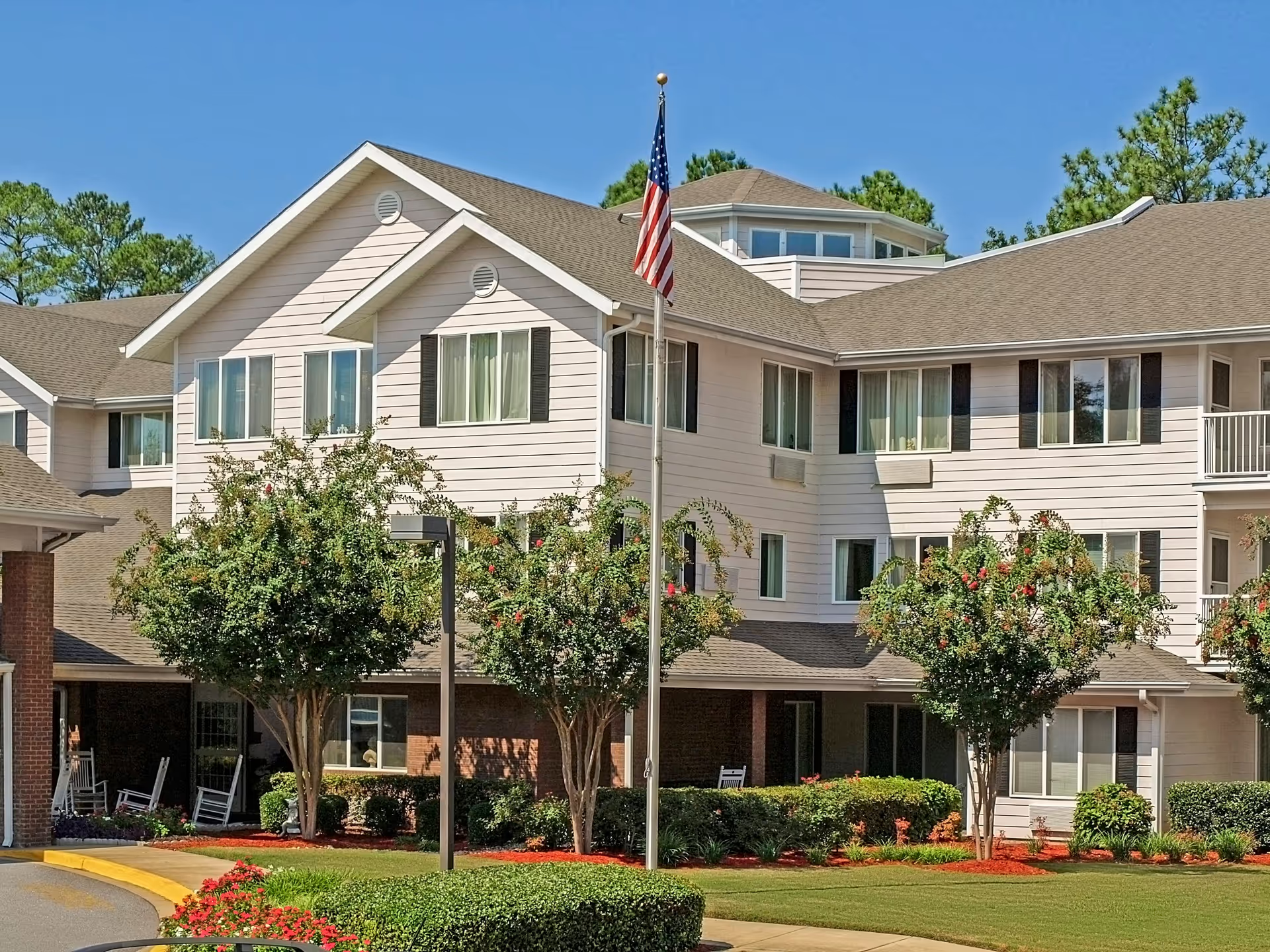
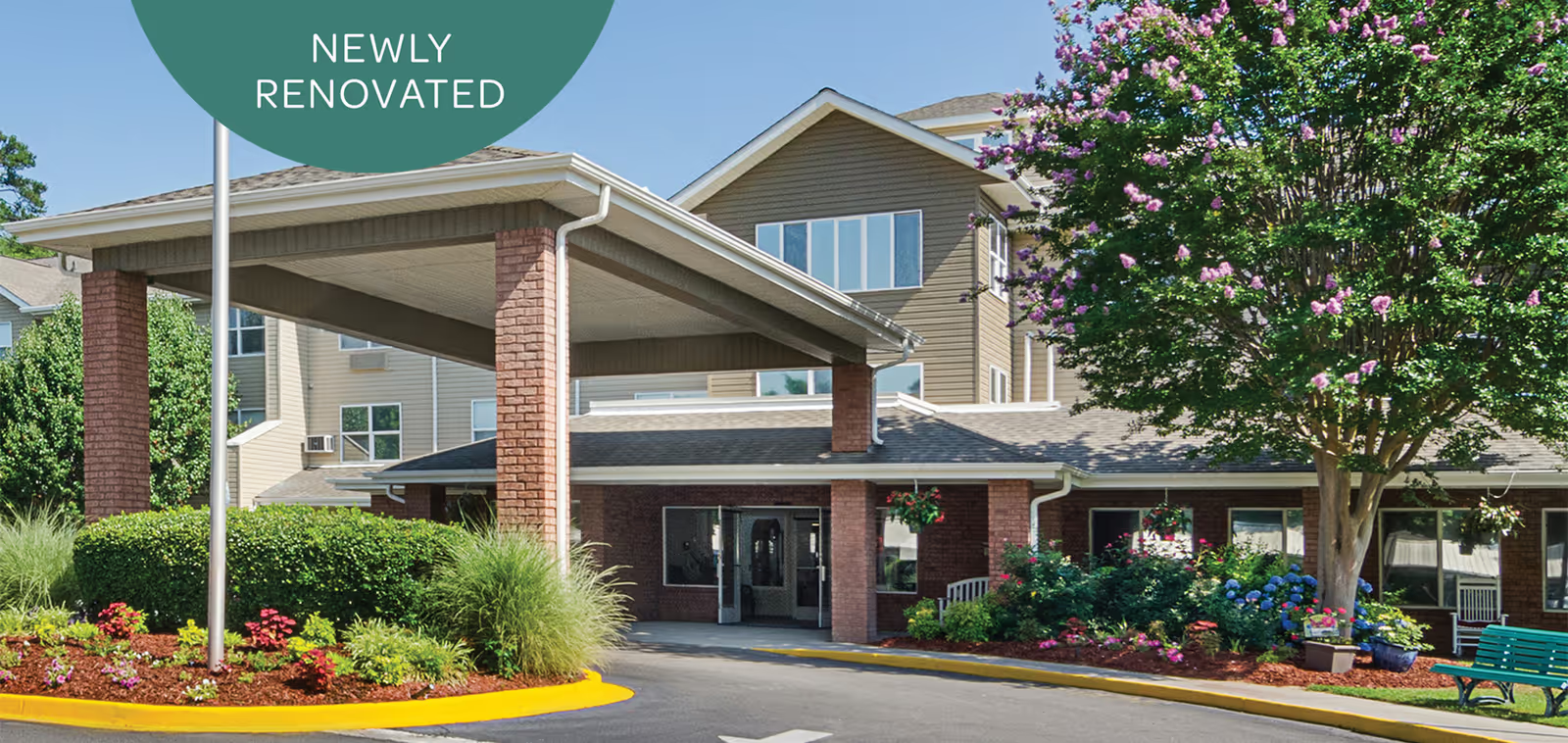
Harbison Shores presents as a small, home-style assisted living and memory care community with many physical and programmatic strengths. The campus is frequently described as clean, recently renovated, and well maintained, with attractive indoor updates, spa-style showers, private apartments often featuring patios or balconies and kitchenette space, and secure enclosed courtyards and garden areas. Amenities commonly cited include an on-site beauty salon, activity rooms, visiting medical and therapy services, and inclusive monthly pricing that covers meals, cable, and internet in many offerings.
Care and staff performance receive mixed but substantive praise: numerous families describe caring, compassionate frontline caregivers, attentive nursing staff, engaging activity directors, and administrators who are responsive and supportive. The activity program is a consistent strength, with a structured daily itinerary that includes music, devotional services, games, outings, themed socials, and memory-care–appropriate household-style activities that promote engagement and socialization. Several reviewers highlight particular staff members and leaders as being especially effective at patient advocacy and coordination of care.
At the same time, the reviews reveal recurring operational weaknesses that prospective families should evaluate. Staffing consistency is a frequent concern — shortages and variable staff quality are noted particularly on weekends and nights — and are linked in some accounts to lapses in supervision and delays in attending to residents. Clinical controls, especially around medication administration and wound/skin-care follow-up, are described as inconsistent in a subset of reports; prospective families should request specifics about medication-management protocols, staff training, and clinical oversight. Housekeeping and maintenance responsiveness is uneven in practice: while many spaces are renovated and clean, there are repeated notes about delayed repairs and weekend housekeeping limitations.
Dining and hospitality present a mixed picture. Many reviewers praise appetizing, plentiful meals and an overall positive dining experience, while others describe cold or mediocre meal service and inconsistent meal presentation. Activity participation is robust in many accounts but depends on leadership presence; loss of activity staff or low engagement at times has reduced program consistency for some residents. Management and ownership receive divergent evaluations: some families report responsive, compassionate administration and visible improvements under new leadership, whereas others describe poor responsiveness from ownership, unclear billing practices, and a sense that financial priorities can influence care decisions. Several reviewers flagged limited flexibility in rehabilitation and transfer policies as a practical constraint.
Notable patterns warranting attention include the polarization of family experiences — clear examples of excellent, attentive care alongside reports of serious operational lapses — and the recurrence of issues tied to staffing levels and communication. Recommended steps for prospective residents or families: conduct an unannounced visit during a weekend or evening to observe staffing and activity levels; ask for written policies on medication administration, fall prevention, wound care, and use of the facility pharmacy; request a copy of typical incident-response and family-notification procedures; clarify contract terms about extra fees and repair/maintenance responsibilities; and speak with current family references about recent trends in staffing and management responsiveness. These targeted inquiries will help determine whether Harbison Shores’ strong programmatic features align with an individual resident’s clinical and supervision needs.