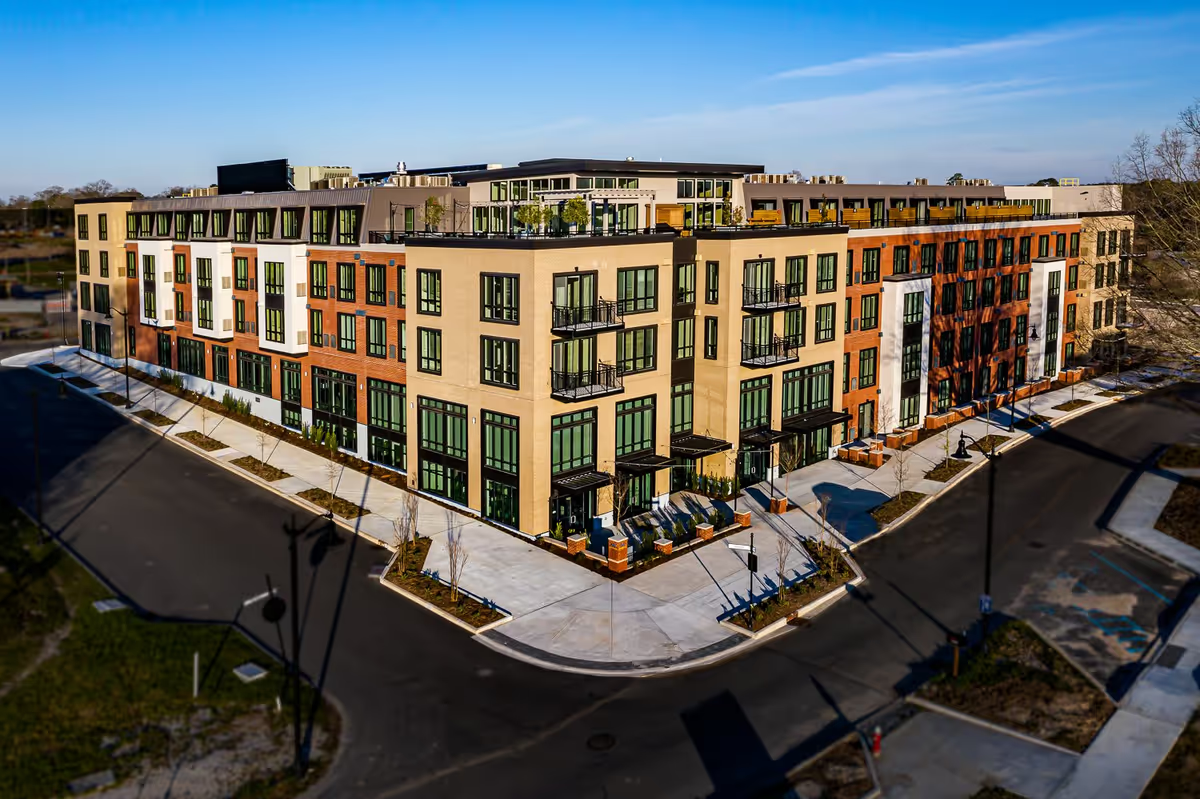
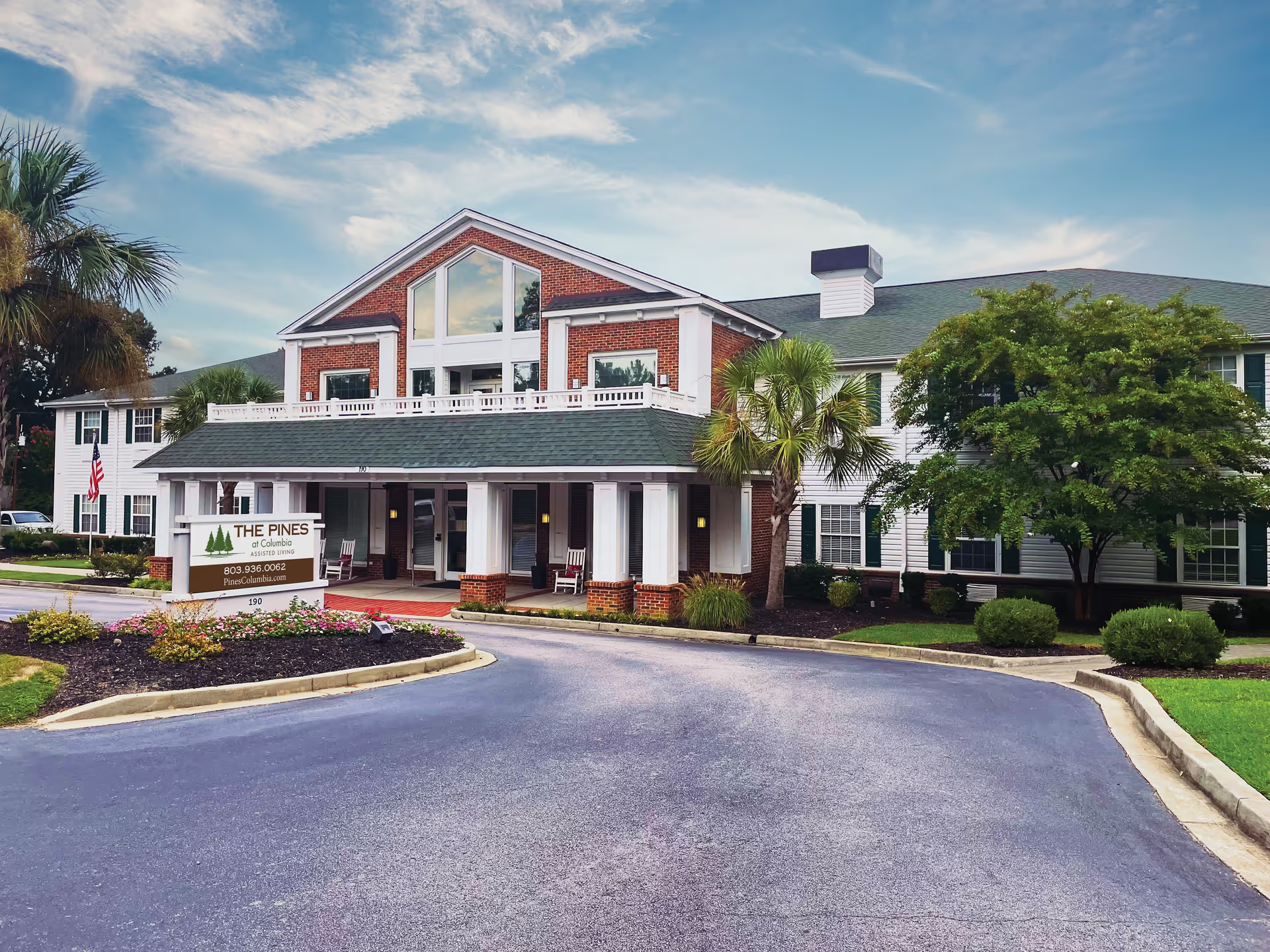
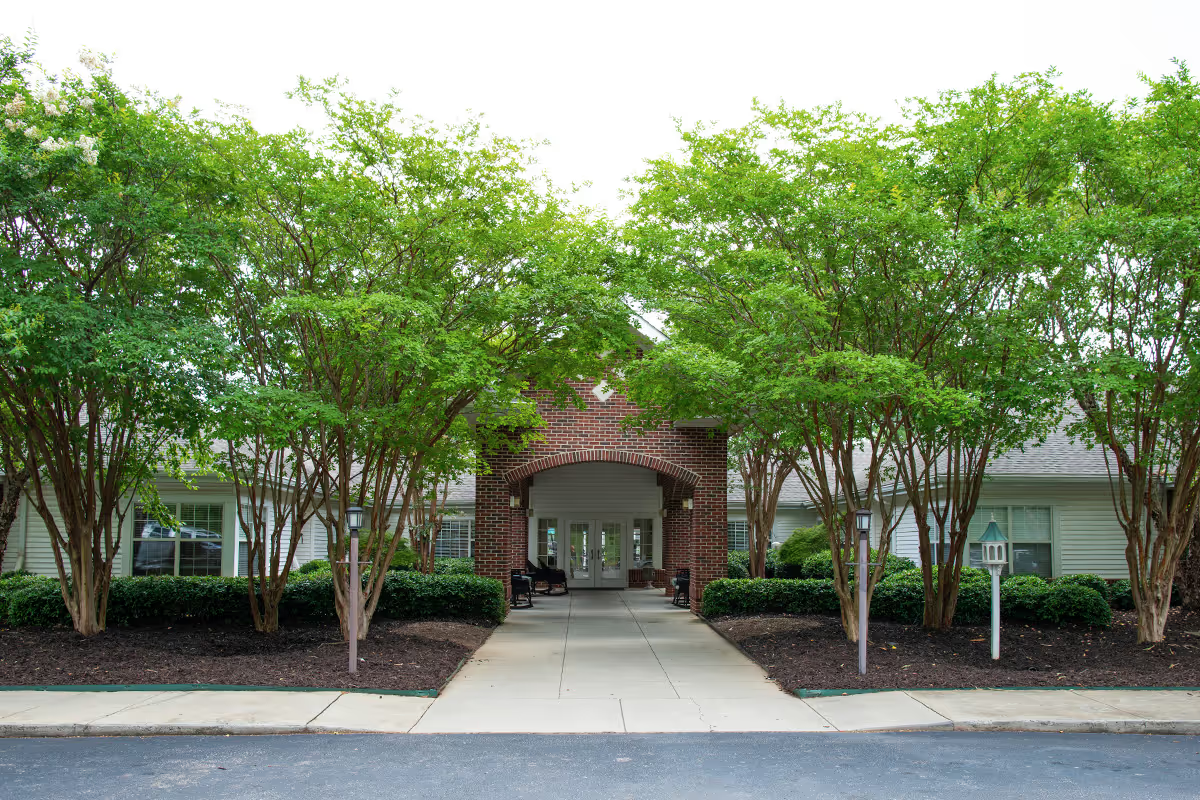
Life Care Center of Columbia presents a mixed but actionable picture. Numerous comments highlight a team of warm, personable caregivers, front-desk staff, and administrators who facilitate admissions and support families. The facility is frequently described as clean, well maintained, and appointment-friendly, with spacious private rooms and several resident-focused amenities such as an ice cream parlor, salon, library, and large visiting areas. Rehabilitation services and therapy staff receive consistent praise for effective, goal-oriented care that prepares many residents for return home.
Dining and activities are strengths in many accounts: meals are often well presented and staff are described as attentive, and the activities program is noted for engagement and variety. Social work and case-management assistance are also cited as helpful when coordinating admissions, financial matters, and discharge planning. Housekeeping and maintenance are frequently mentioned as attentive and contributing to a generally pleasant atmosphere.
Counterbalancing these positives are recurring operational concerns that affect clinical safety and family confidence. Reviews indicate variability in staffing levels and turnover that appears to correlate with slower response times to call lights, reduced evening supervision, and inconsistent daily care practices. There are multiple descriptions that translate to gaps in wound-care protocols, incontinence-care timeliness, and medication administration/monitoring. Several accounts also describe inconsistent dietary management for residents who require texture modification or have specific restrictions, and intermittent sanitation or odor concerns in certain areas.
Communication and escalation pathways are an additional pattern: families describe uneven updates, delayed discharge orders, and occasional reluctance to arrange transfers or external referrals. Supply management and on-shift resource availability have been raised as operational weaknesses. There are also notes about variability in staff conduct and competency that suggest uneven training and supervision across shifts.
Taken together, the pattern suggests a facility with substantive strengths—especially in therapy, engagement, and many frontline staff relationships—but with operational inconsistencies that have clinical and experiential consequences for some residents. Prospective residents and families would benefit from an in-person tour that includes observing staffing levels on different shifts, reviewing wound-care and medication-management protocols, asking about average nurse-to-resident ratios (especially nights), and discussing dietary accommodation processes. Reviewing the facility’s recent quality improvement activities and regulatory communications may also help clarify how leadership is addressing the identified gaps.