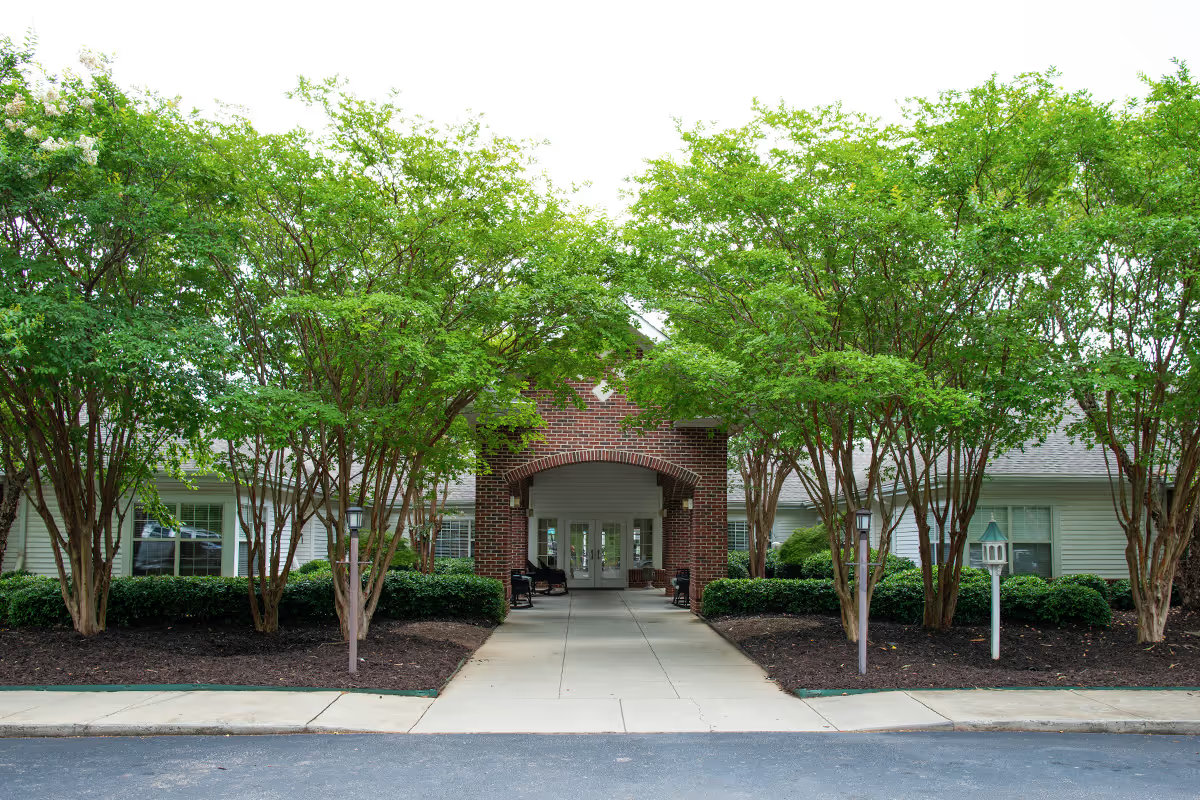
The reviews present a highly mixed picture of Midlands Health and Rehabilitation Center. Positive accounts emphasize dedicated caregivers, a strong physical-therapy team, supportive social-work services, and a generally welcoming orientation for new residents and families. Several reviewers singled out individual staff members and therapy teams for resolving issues promptly, providing personalized attention, and helping with Medicare/discharge matters. These strengths indicate that pockets of capable clinical and social support exist within the facility.
At the same time, a substantial portion of feedback raises operational and clinical concerns. Staffing levels are described as inconsistent, with particular strain on weekends and on frontline shifts; this correlates with reports of delayed responses to call systems, missed housekeeping, and limited assistance for residents needing help with activities of daily living. Reviewers also describe gaps in clinical oversight and staff training, including instances where unlicensed or inadequately supervised personnel were alleged to be providing nursing-level care. These patterns create concerns about timely clinical assessment, medication/medical follow-up, and general supervision.
Facility and environmental issues appear repeatedly. Reviewers noted sanitation concerns, housekeeping failures, broken or insufficient equipment, and limited phone/entertainment functionality in some units. Meal quality and diet management were described as inconsistent, with some families noting that prescribed diets were not always followed. Activity programming was characterized as uneven — some engagement and family-friendly practices occur, but weekday activity availability and weekend offerings appear limited in some accounts.
Communication and administration are other recurring topics. Families reported poor or inconsistent communication about care changes, discharge timing, and Medicare bed availability; administrative delays were also noted. A small number of serious operational allegations were raised, including concerns about theft and unpaid wages and about payroll disputes. There are also reports of privacy and professional-conduct issues (for example, intrusive nighttime check practices and concerns about staff language), which underscore the need for clear policies and oversight.
Taken together, the pattern suggests a facility with meaningful strengths in therapy, social-work support, and several committed staff members, but with systemic weaknesses in staffing consistency, clinical supervision, environmental maintenance, and administrative responsiveness. Prospective residents and families should prioritize an on-site tour that assesses staffing ratios at different times of day, asks about licensure and training protocols, verifies on-site therapy availability and expected therapy duration, reviews sanitation and housekeeping routines, and seeks clarity on billing/Medicare bed policies and incident-response procedures. Asking for recent inspection records and how the facility addresses complaints can help determine whether the positive elements noted are consistent across the unit or limited to specific teams.