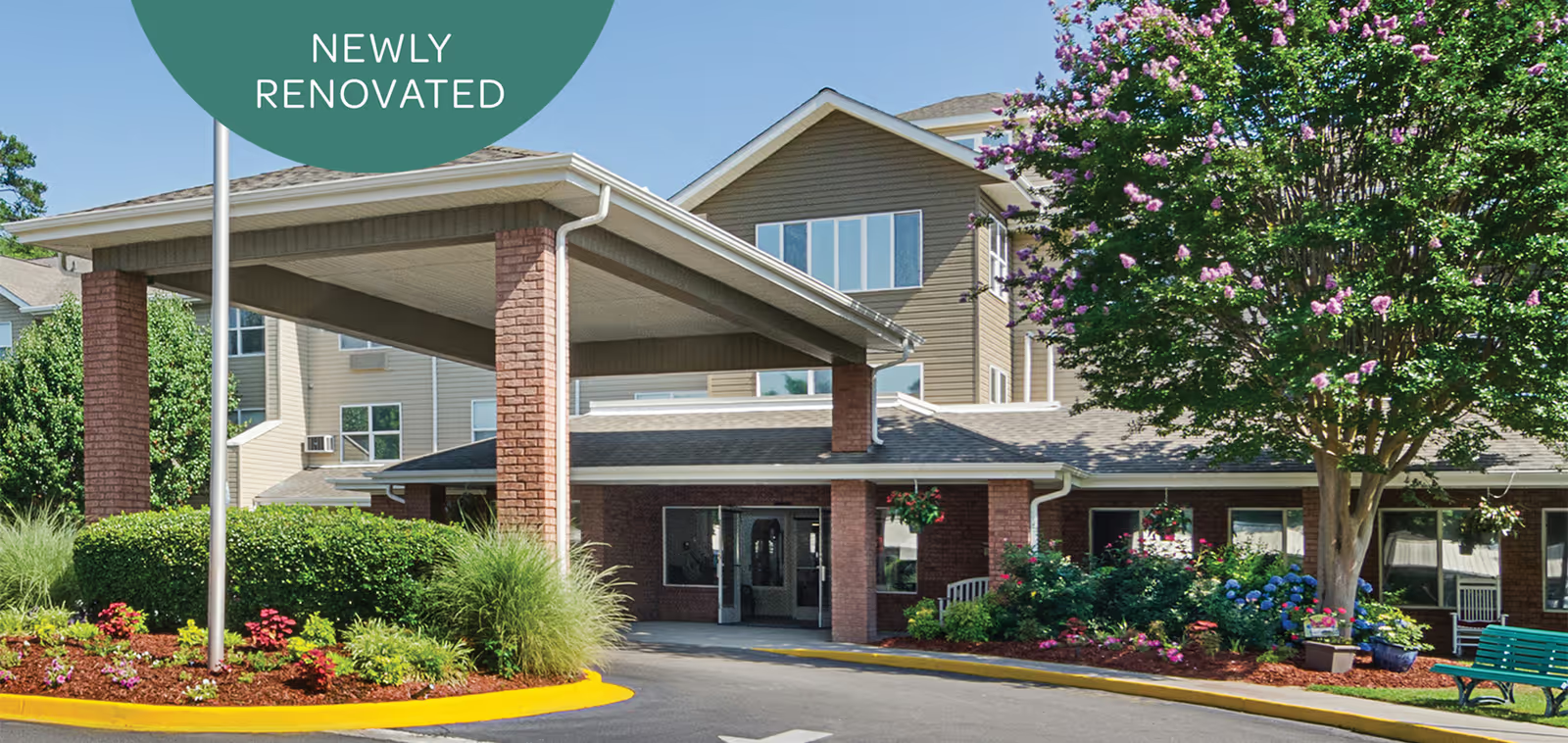
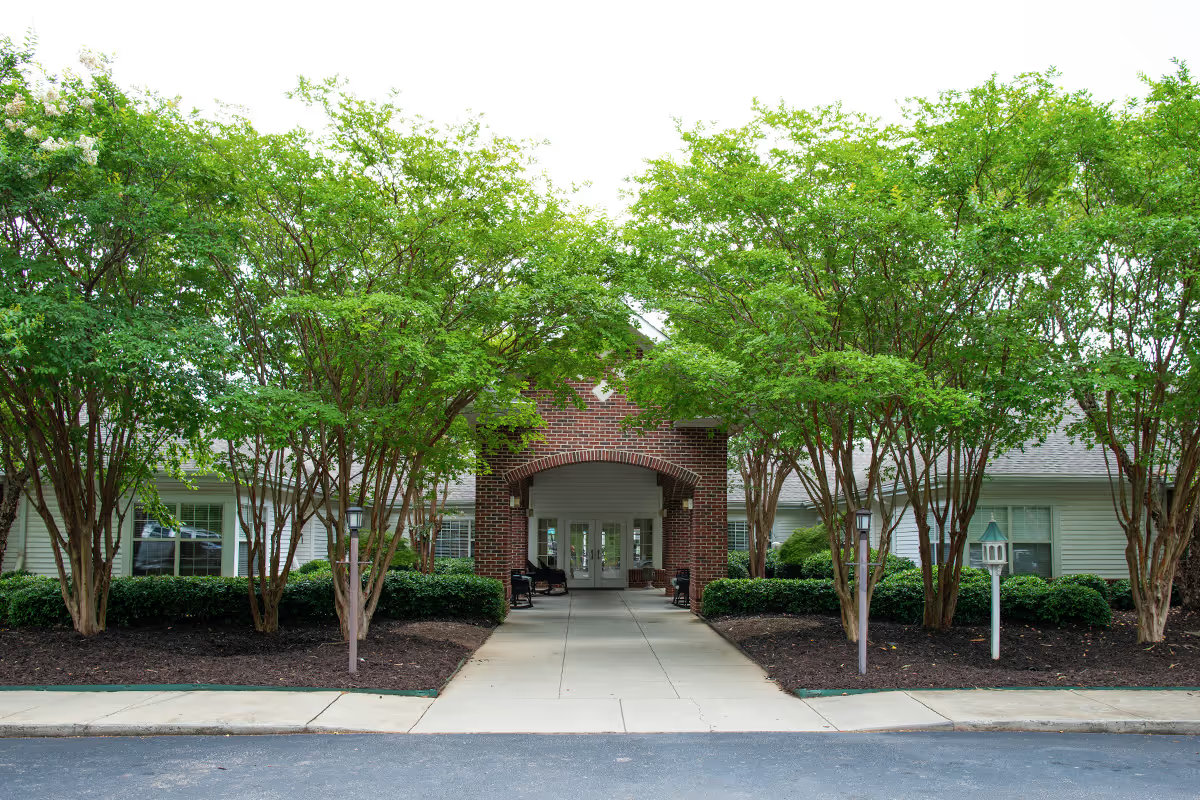
Rice Estate presents as a well‑appointed, recently renovated senior community with many strengths and several recurring operational concerns. Positive patterns include a clean, attractive physical environment, roomy apartment layouts, and an extensive activity calendar supported by life‑enrichment staff. Dining is frequently described as restaurant‑style with generous portions and an engaged dietary team; housekeeping and facility amenities such as a library, chapel, and salon are consistently noted as assets. The campus offers multiple levels of care — independent living, assisted living, memory care, short‑term rehabilitation, and skilled nursing — and short‑term rehab services that are Medicare‑compatible are a strength for families seeking covered rehab stays.
Care quality observations are mixed. Numerous accounts describe compassionate, family‑oriented caregivers, long‑tenured staff in some units, and effective therapy teams delivering strong rehabilitation outcomes. Conversely, there are repeated operational concerns: inconsistent clinical care across shifts, delays in responding to call buttons and toileting needs, and instances of medication administration or documentation lapses. Wound and pressure‑injury management are highlighted as a specific area of concern in certain units. Therapy availability also appears uneven — while some families report excellent, comprehensive therapy, others describe limited therapist staffing or scheduling inconsistencies.
Staffing and management practices show variability in reviewer experience. Several reviews praise attentive nurses, CNAs, and administrators who provide personalized support and good family communication. Other accounts point to understaffing, reliance on temporary nursing staff, gaps in on‑the‑job training, and periods when front‑line supervision or leadership visibility was limited. These management and communication shortcomings correlate with family frustration over slow responses, delayed problem resolution, and inconsistent follow‑through on individualized care plans.
Operational and risk factors to consider include the facility’s private‑pay emphasis and limited acceptance of Medicaid (and mixed references to veteran benefit acceptance), which raises financial planning and eviction‑risk concerns for families. Additional logistical issues reported include missed or delayed mail/deliveries and occasional concerns about management of residents’ personal belongings. There are also serious conduct concerns cited in a small number of accounts, including allegations of inappropriate physical contact and unprofessional behavior; these claims warrant direct inquiry with administration and, if applicable, regulatory authorities.
In summary, Rice Estate offers many appealing features for prospective residents — attractive, clean facilities; an active social and dining program; and the potential for very good rehabilitation care. At the same time, families should evaluate clinical oversight, staffing consistency, medication and wound‑care procedures, and the facility’s payment policies. When considering Rice Estate, arrange meetings with clinical leadership and administration, ask for unit‑specific staffing and therapy schedules, request clear policies on incident reporting and family communication, and verify financial‑eligibility rules to ensure the community’s operational practices align with the prospective resident’s care needs and risk tolerance.