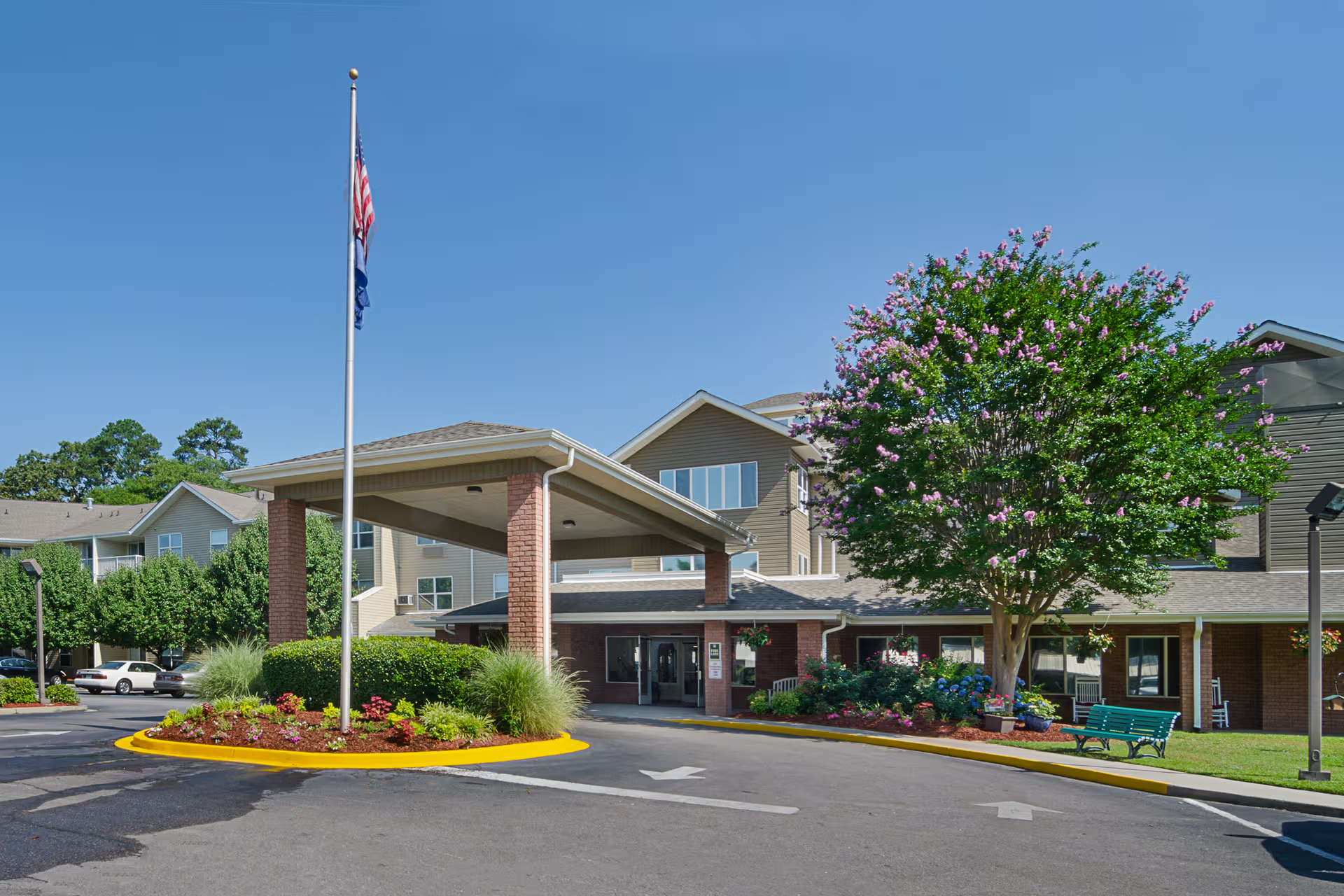
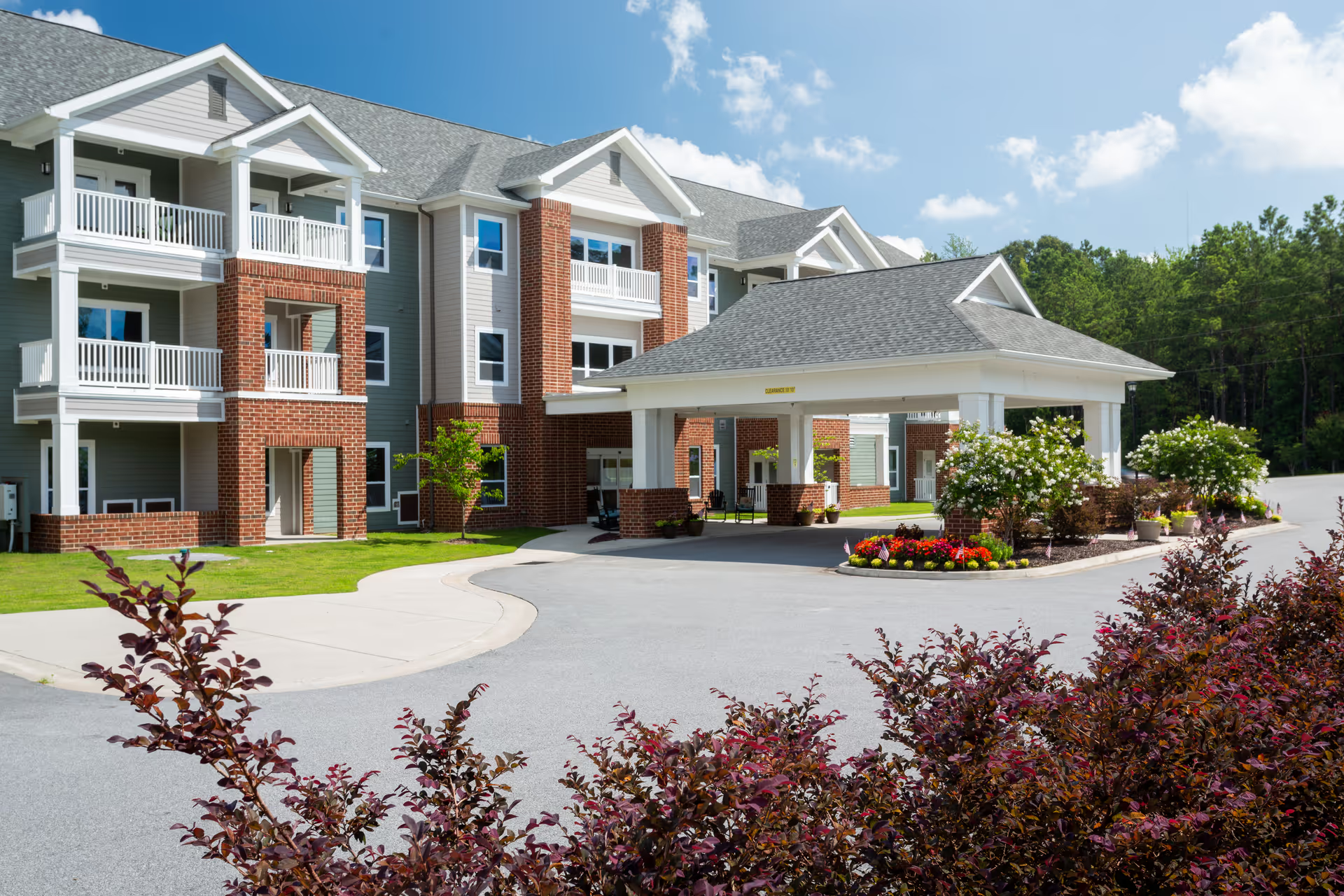
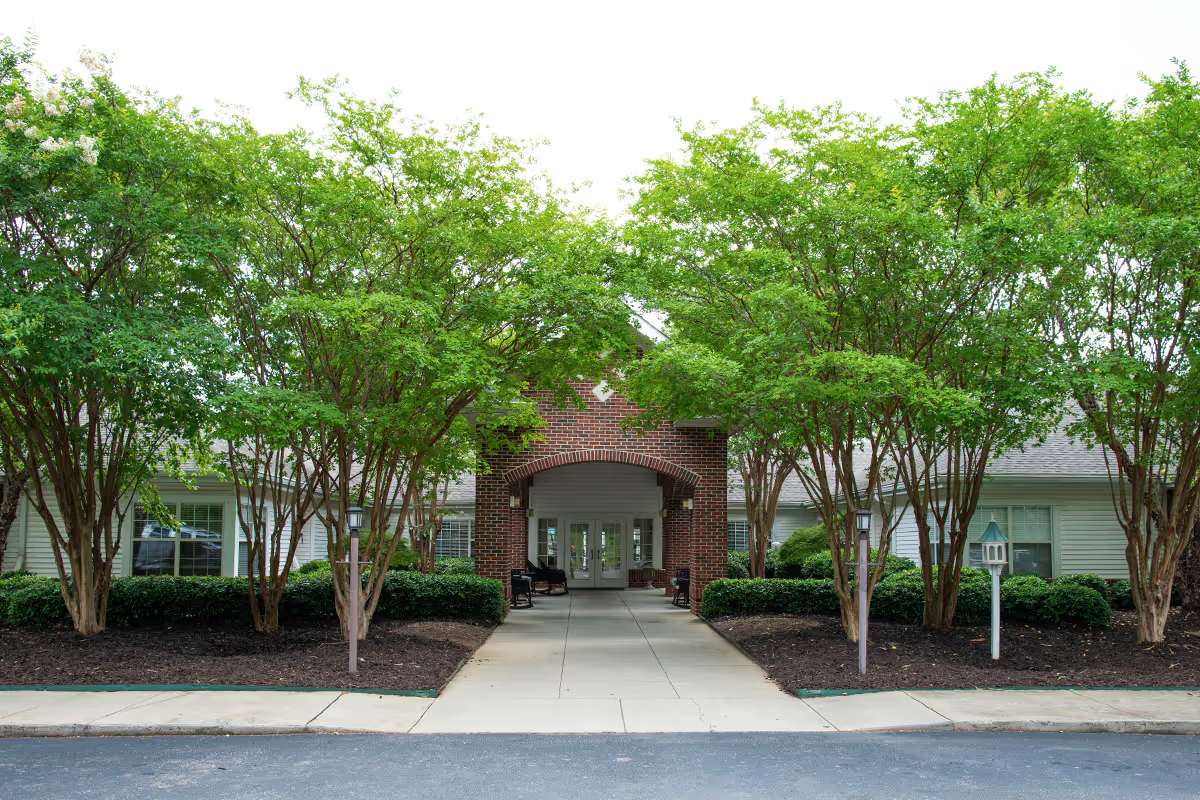
Reviews of Springtree Manor Assisted Living present a mixed picture. Many families and residents describe a warm, home-like environment with compassionate caregiving, well-maintained grounds, and engaging programming. Positive comments frequently single out staff who are perceived as kind and familial, therapy pet visits, a range of recreational activities and exercise options, and meals that some residents find nourishing. Several reviewers credited the community with measurable improvements in resident wellbeing and described the setting as inviting and small-scale, which some families prefer for a more personal care atmosphere.
At the same time, a number of operational concerns recur across reviews. Several accounts point to inconsistency in staff conduct and communication: examples include inexperienced or in-training personnel, tone or responsiveness issues on calls, and delays in addressing requests. These reports suggest gaps in staff training and supervision rather than uniformly poor care. Dining impressions are similarly mixed — while some residents praise the food, others describe variable meal quality and dining service, indicating inconsistency in food preparation or service standards.
Facility and administrative issues are another pattern. There are sanitation and pest-control concerns raised by reviewers that warrant attention to housekeeping and preventive pest protocols. In addition, reviewers describe difficulties with pharmacy and insurance coordination, including a pharmacy arrangement that did not integrate smoothly with beneficiaries’ supplemental Medicare plans; families should verify medication and billing arrangements directly. Some reviewers also reported limited responsiveness from the administrative office (for example, being deferred to voicemail or experiencing delayed follow-up), which compounds the operational friction when combined with other concerns.
A few reviews raise serious financial concerns about referral practices; these are described using the language of allegations and should prompt prospective families to request documentation and clarification. Finally, the community has undergone management changes; some reviewers noted improvements under new leadership while others described variability in operational consistency during the transition period.
For prospective residents and their families: an in-person visit and targeted questions are advised. Observe staff–resident interactions, sit in on a mealtime, ask about pest-control and sanitation schedules, request written explanations of pharmacy and billing procedures (including how supplemental insurance is handled), and ask for details on staff training, turnover, and supervisory practices. Speaking with current families about communication responsiveness and recent management actions can help clarify whether the strengths noted in many reviews are consistent and whether the operational concerns have been addressed.