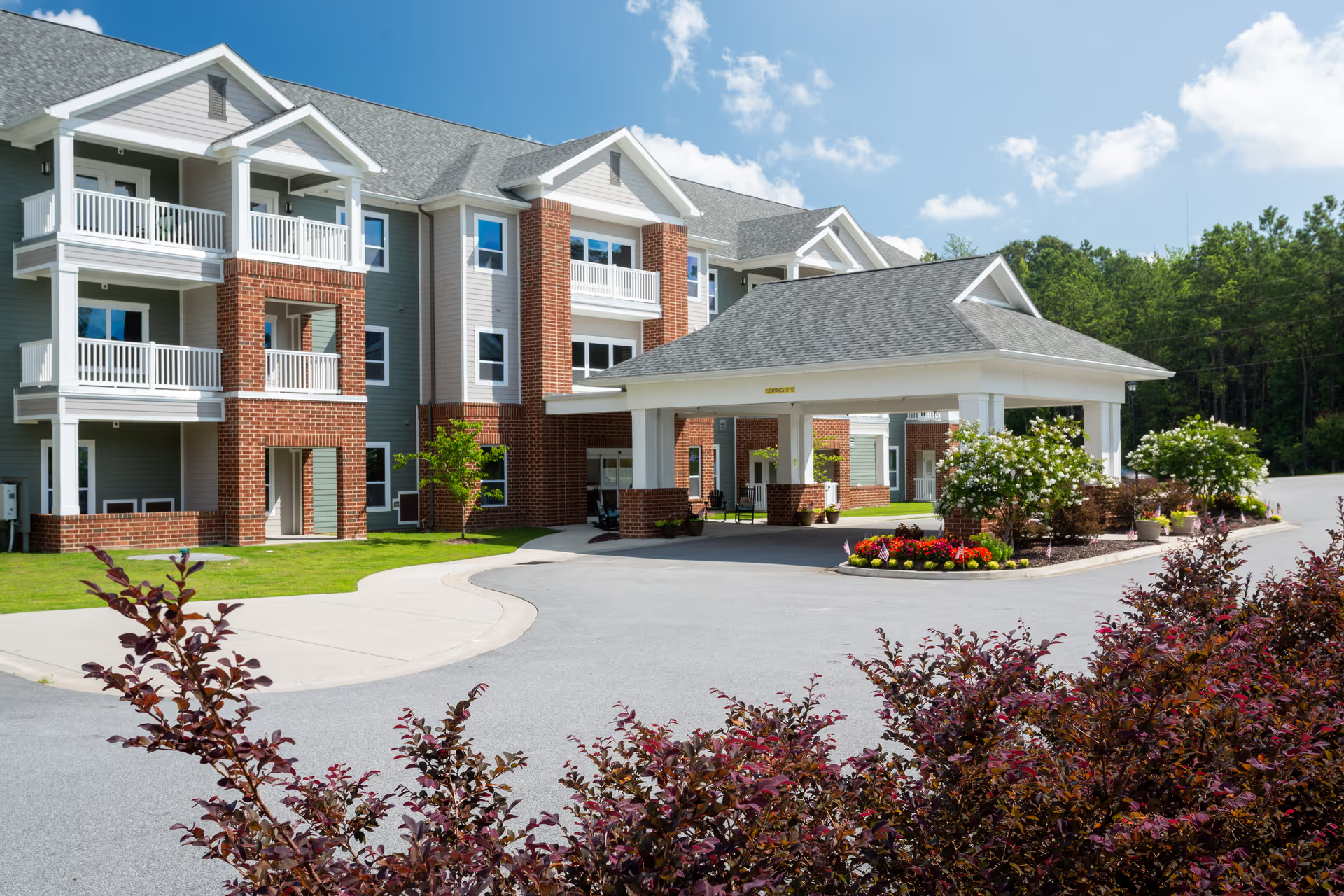
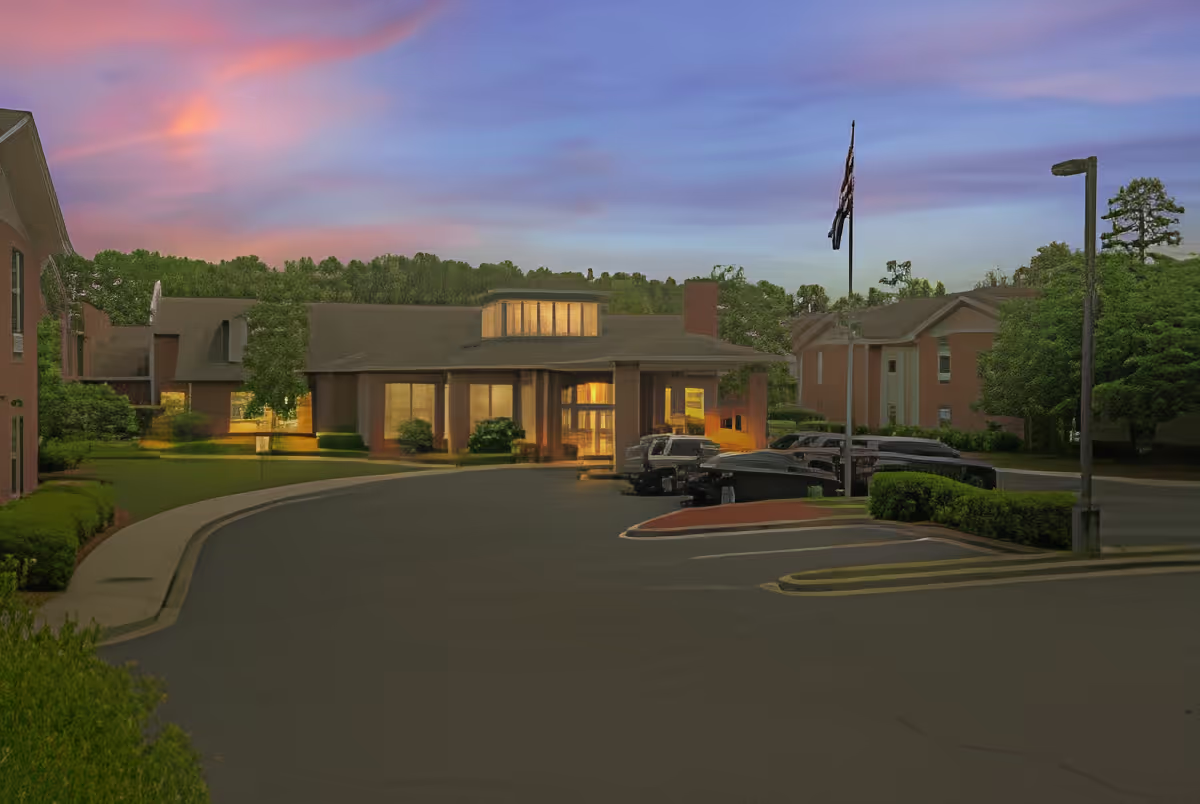
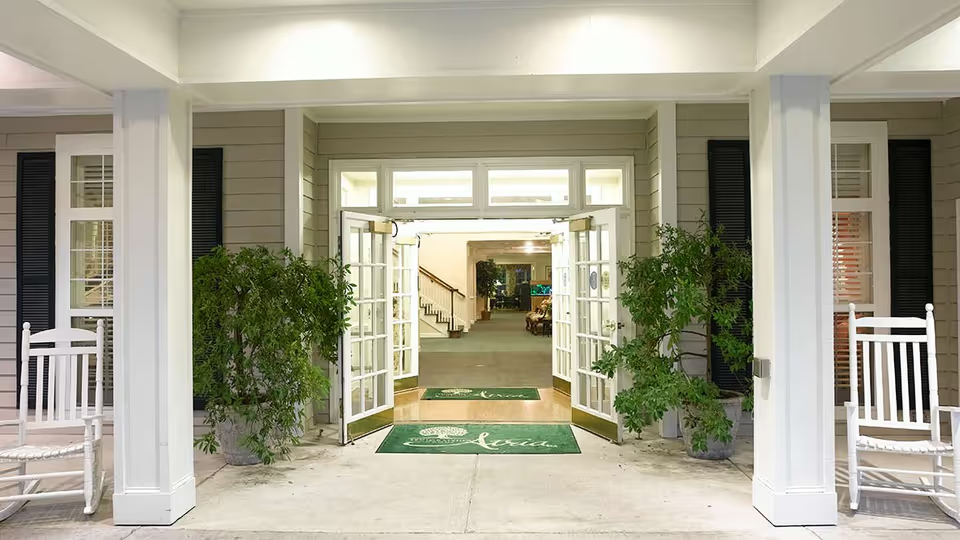
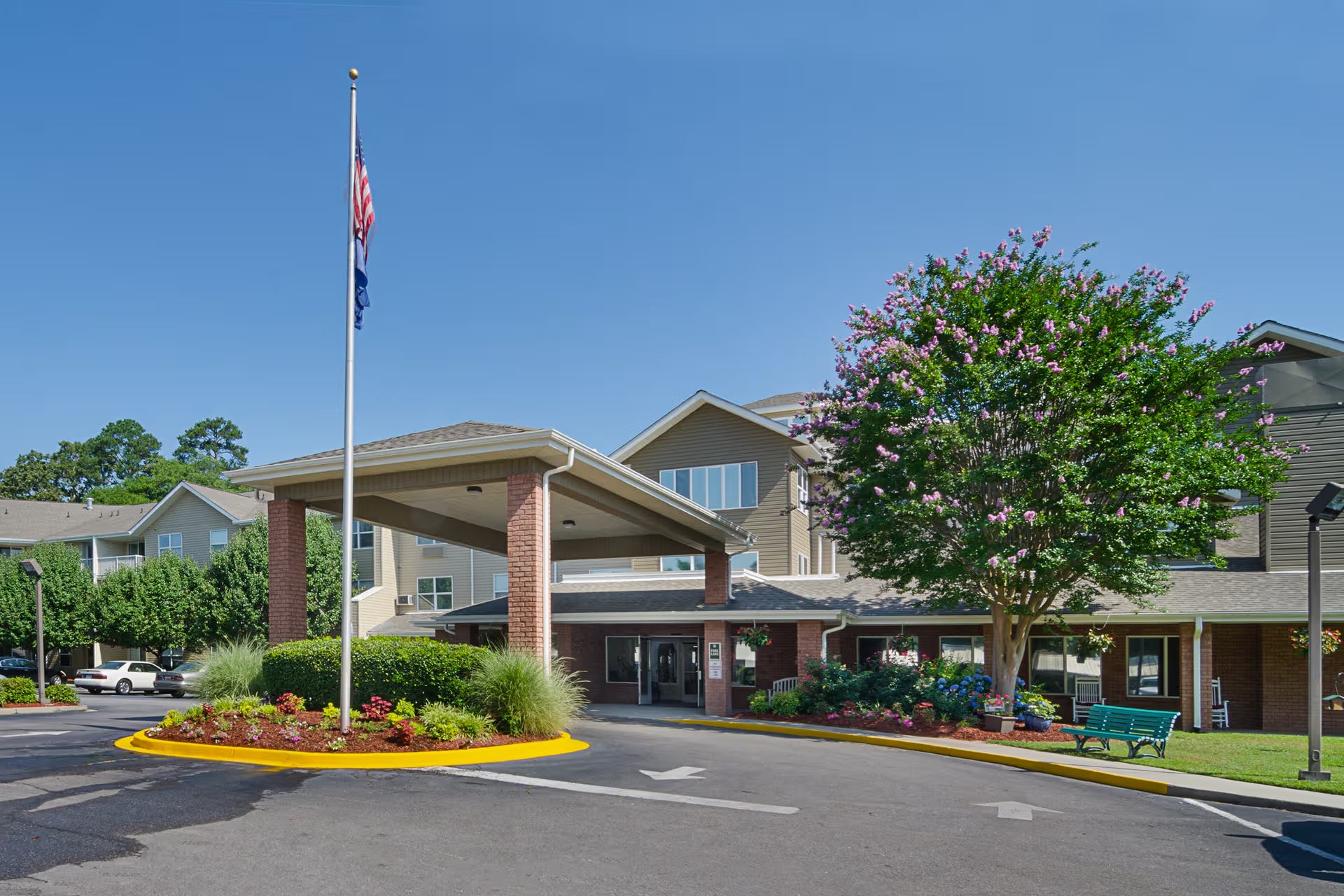
The Haven in the Summit presents as a well-maintained, dementia-focused community with many design features and programs aimed at residents with cognitive impairment. The physical environment is frequently described as clean, odor-free and welcoming, with multiple common spaces, nostalgic “Main Street” features (ice cream parlor, shops, nursery), large open dining and sitting areas, and secure outdoor walking paths. Families and residents commonly report strong caregiver–resident bonds, patient and compassionate caregiving, and a broad activities calendar that includes music, crafts, games, and structured memory-care programming.
Care quality assessments are mixed. Positive accounts emphasize attentive dementia care, reduced infection concerns for some residents, effective daily engagement, and an in-house physician resource. At the same time, there are recurring operational concerns: inconsistent staffing levels (particularly overnight and on weekends), documented medication-administration issues, and variability in the quality of care for residents with greater mobility or dependency needs. Several families reported mobility declines or safety incidents that they associated with those gaps; these observations point toward uneven implementation of transfer and high-dependency care practices.
Staffing and management are a prominent theme. Many reviewers praise frontline caregivers by name and describe them as kind, patient, and devoted; these staff members are often credited with creating a warm, home-like atmosphere. Counterbalancing that, there are repeated notes about high staff turnover, low morale, and managerial communication problems. Specific management critiques include a perceived lack of proactive family engagement, discourteous tone from some supervisors, canceled or poorly executed events, and organizational lapses such as lost paperwork or missing discharge documentation. These managerial patterns appear to contribute to staff instability and uneven resident experience.
Dining and amenities receive generally favorable comments: meals are described as acceptable to good, dining areas are clean and open, and the facility offers ample family-friendly spaces and visiting areas. Activity programming and the facility’s layout are often cited as strong points for residents with dementia — thematic neighborhoods, murals, and specialized rooms encourage interaction and independence. However, reviewers also flagged an aggressive admissions/sales approach in some cases and a mismatch between promotional tours and routine operations, which may affect expectations around services and costs.
Notable operational patterns for prospective families to evaluate include personal-belongings management, documentation controls, medication-safety processes, and staffing ratios across shifts. The Haven can be a very good match for residents who need memory-focused care in an engaging and secure setting, especially where strong frontline caregiving is present. Prospective families should confirm current staffing levels, inquire about clinical oversight and medication protocols, review the facility’s personal-belongings and documentation policies, and discuss expected costs and any promotional pricing to ensure that the environment and operational practices meet the resident’s specific safety and care needs.