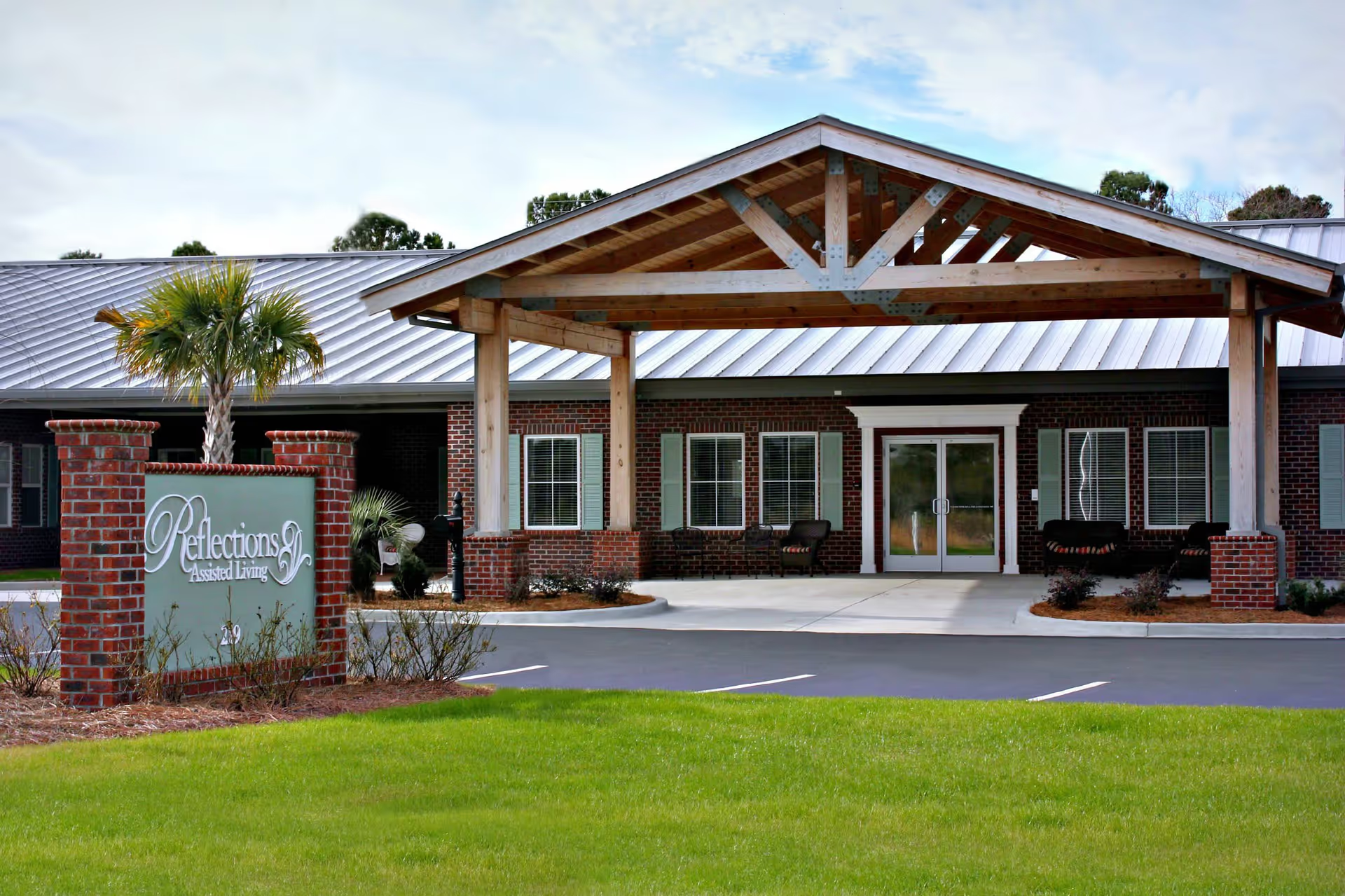
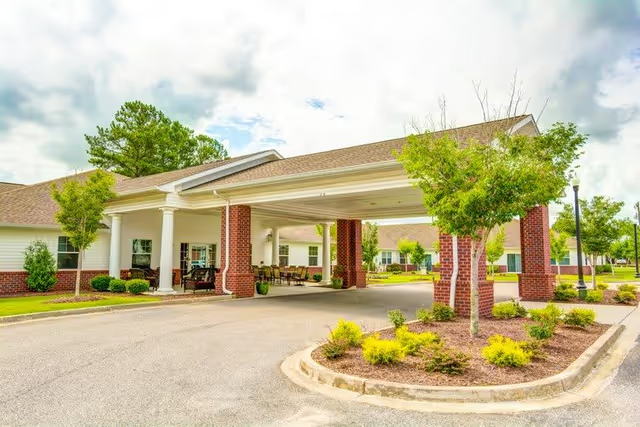
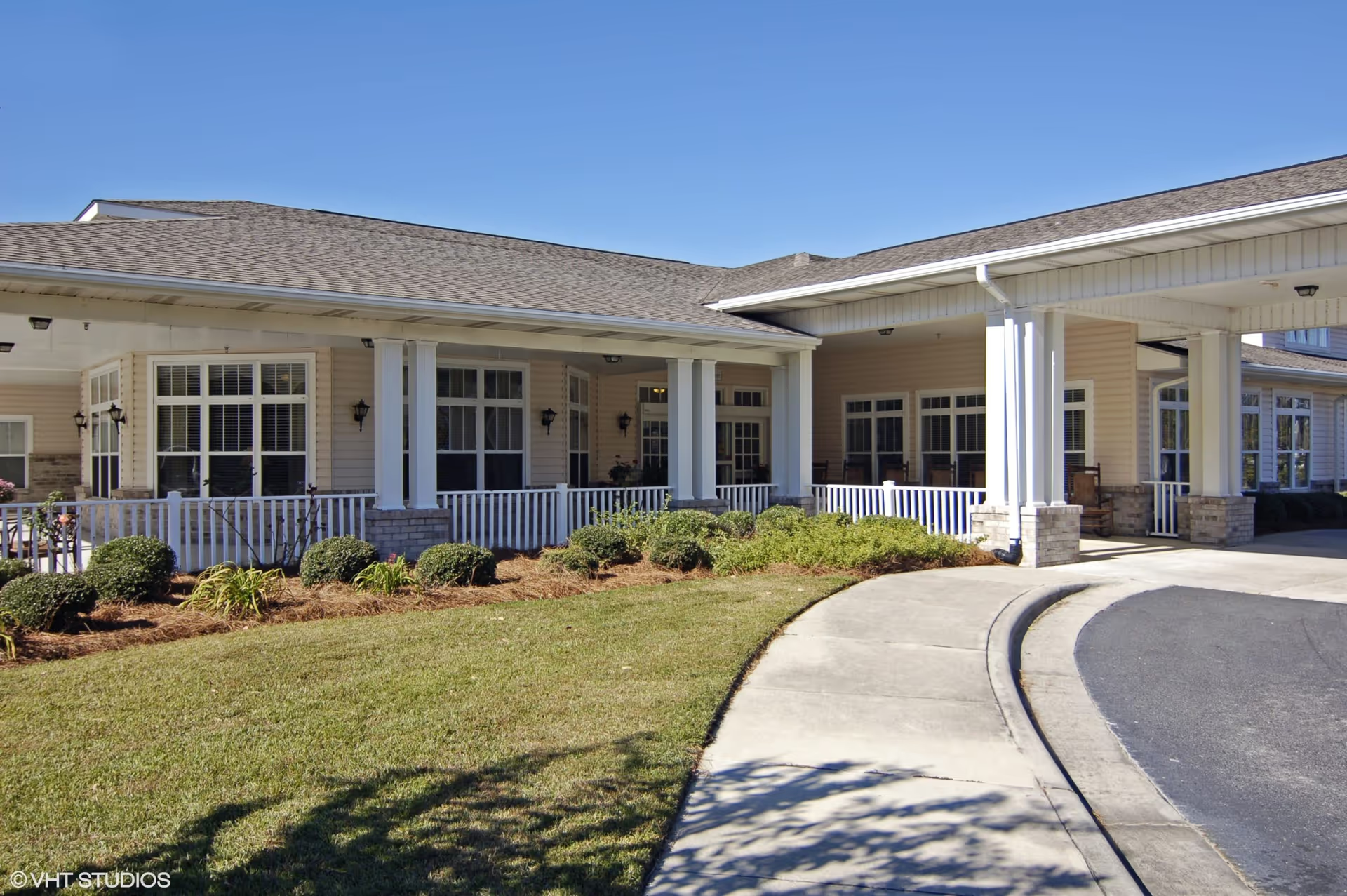
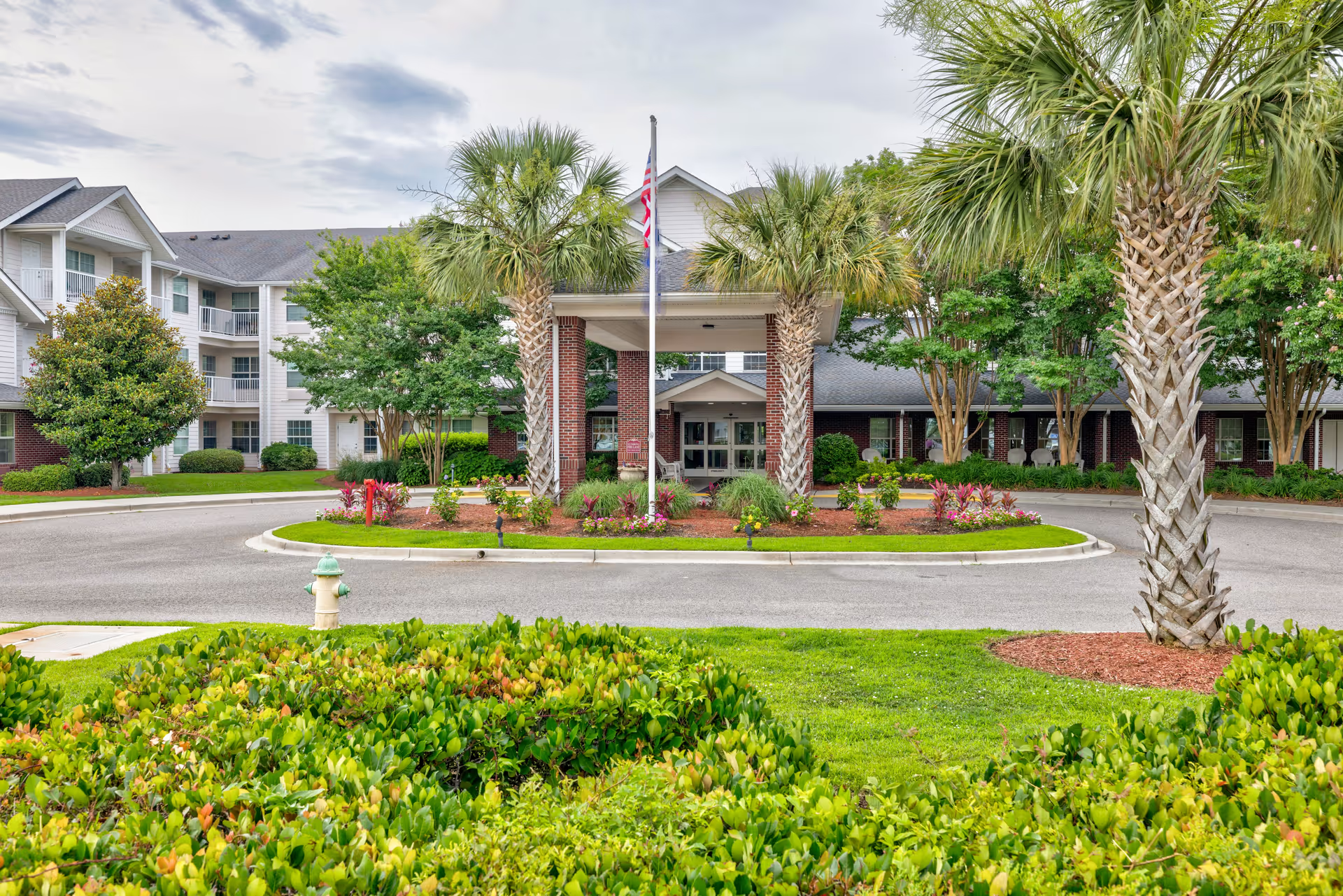
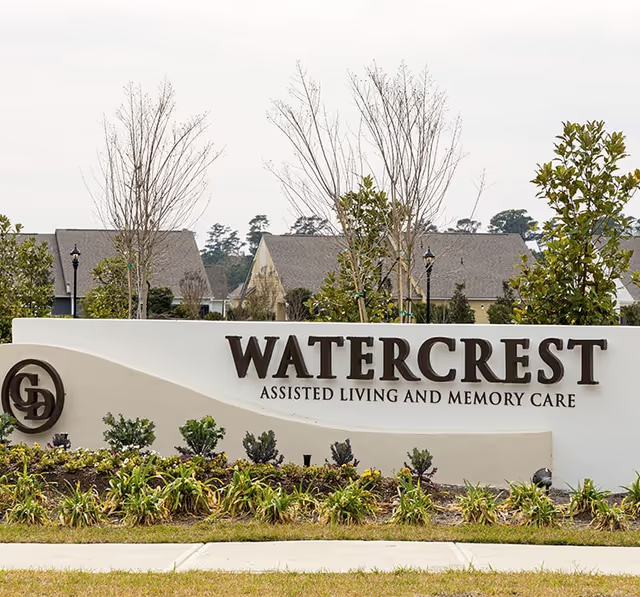
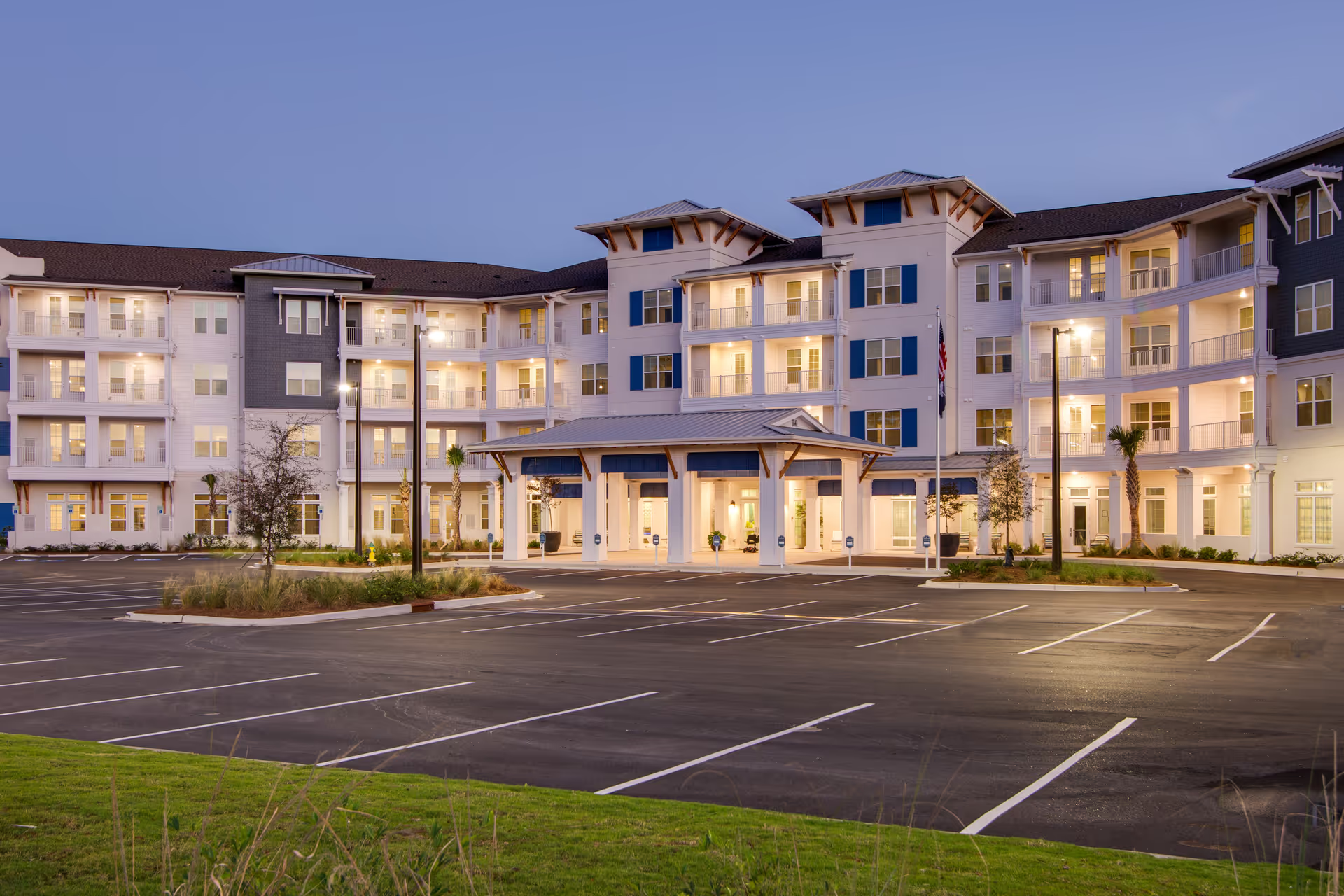
Reviews of Brookdale Conway describe a community with clear strengths alongside recurring operational concerns. Many families and residents praised the staff for compassionate, attentive caregiving and a family-like atmosphere. The facility is repeatedly described as clean and well maintained, with pleasant grounds and a courtyard. Apartment-style living, including studios and larger deluxe units with walk-in closets, and an array of activity options contribute to a sense of personalization and engagement for many residents. On-site therapy and rehabilitation services, a three-meal daily program, and a convenient location near hospital and relatives are additional positives frequently cited.
Care quality and staffing present a mixed picture. Numerous accounts highlight dedicated nursing and front-line staff who provide attentive day-to-day care and supportive transitions, including hospice/end-of-life support. However, a consistent theme is staffing instability: shortages, high turnover, and reduced coverage overnight and on weekends. These staffing patterns are connected in reviews to delayed responsiveness at times and to uneven expertise, particularly in residents with memory impairment. Several families expressed concerns that the community's memory-care capabilities did not meet expectations for residents with moderate-to-advanced dementia.
Dining and nutrition are similarly mixed. Many reviewers complimented meal variety, restaurant-style dining, and occasions when food quality was excellent. At the same time, others described uneven food quality, slow meal service at times (notably breakfast), and limited allergy or special-diet accommodations such as lactose-free options. These operational inconsistencies extend to ancillary services: laundry and personal-item management were cited as an area needing improvement, with examples of clothing handling errors and other lapses in personal-item processes.
Activities and social programming are strong selling points for some residents; exercise classes, movie time, games, and social events are highlighted frequently. Nonetheless, there are repeated notes that activity programming is less effective for residents with cognitive impairment or vision loss, and a few families felt their loved ones were under-engaged or socially isolated despite the available schedule. The small size of the community is described both positively (personalized attention) and negatively (limited resident variety for social interaction).
Facility ambience and rooms show variability. The campus and dining areas are often described as home-like rather than institutional, with many reviewers valuing the intimate scale. Other comments indicate some units are small, dim, or dated, and that different apartment types offer markedly different space and light. Management and communication receive mixed marks: several reviewers praised an engaged administrator and good family communication, while others wanted more visible leadership presence and more proactive engagement on day-to-day concerns. Cost and contract issues are also mentioned — pricing is competitive in some comparisons but reviewers note annual rate increases and affordability concerns for long-term stays.
In summary, Brookdale Conway appears to be a well-maintained, small-scale community with many strengths in staff engagement, cleanliness, and baseline services. Prospective residents and families should weigh those positives against operational patterns noted in reviews: inconsistent memory-care specialization, staffing variability (especially nights/weekends), occasional lapses in dietary and laundry processes, and uneven room conditions. Those seeking a smaller, personal community with active programming and strong end-of-life support may find it a good fit; families prioritizing robust, specialized dementia services or guaranteed overnight staffing coverage should clarify those capabilities and oversight processes during a tour and in the contract.