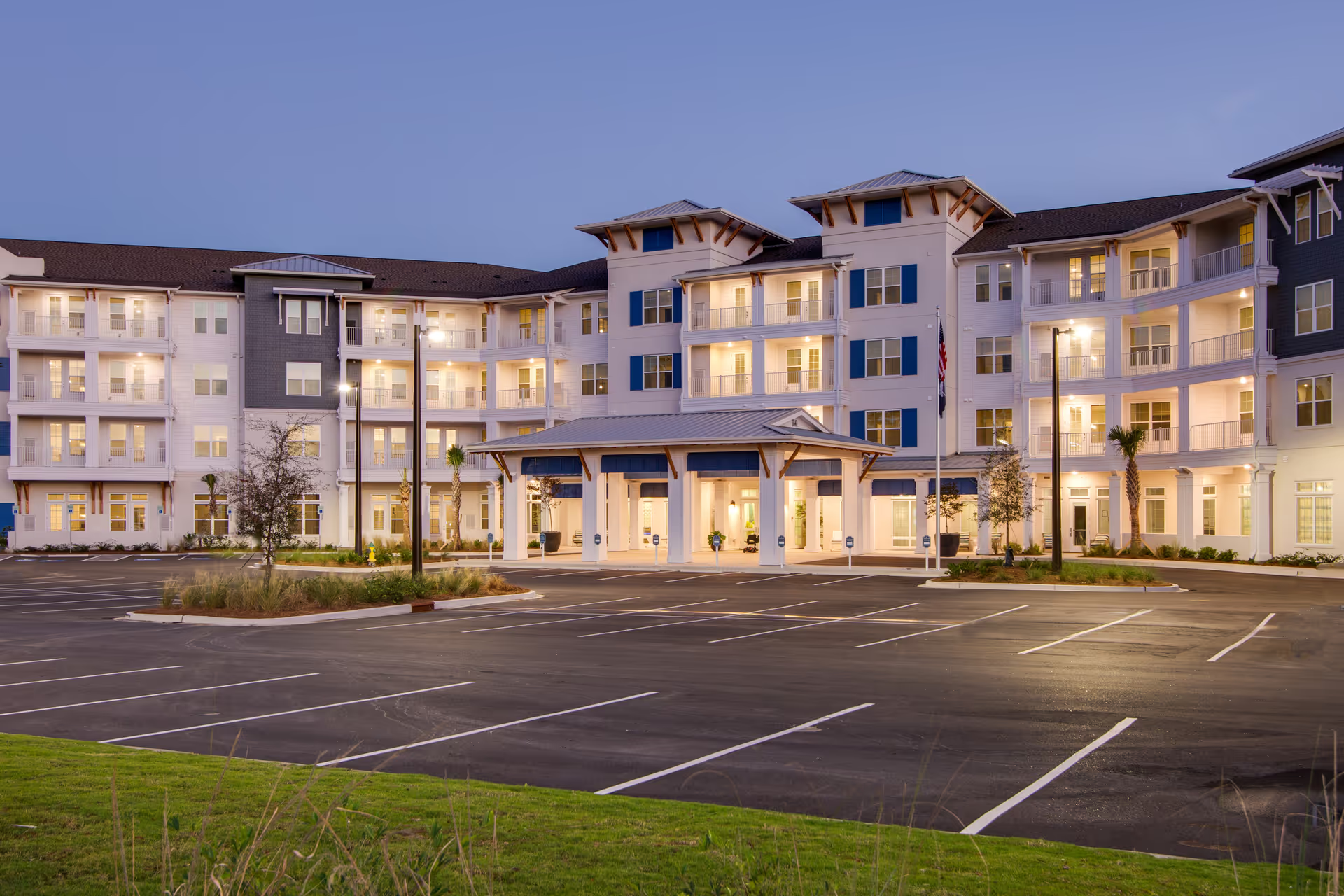
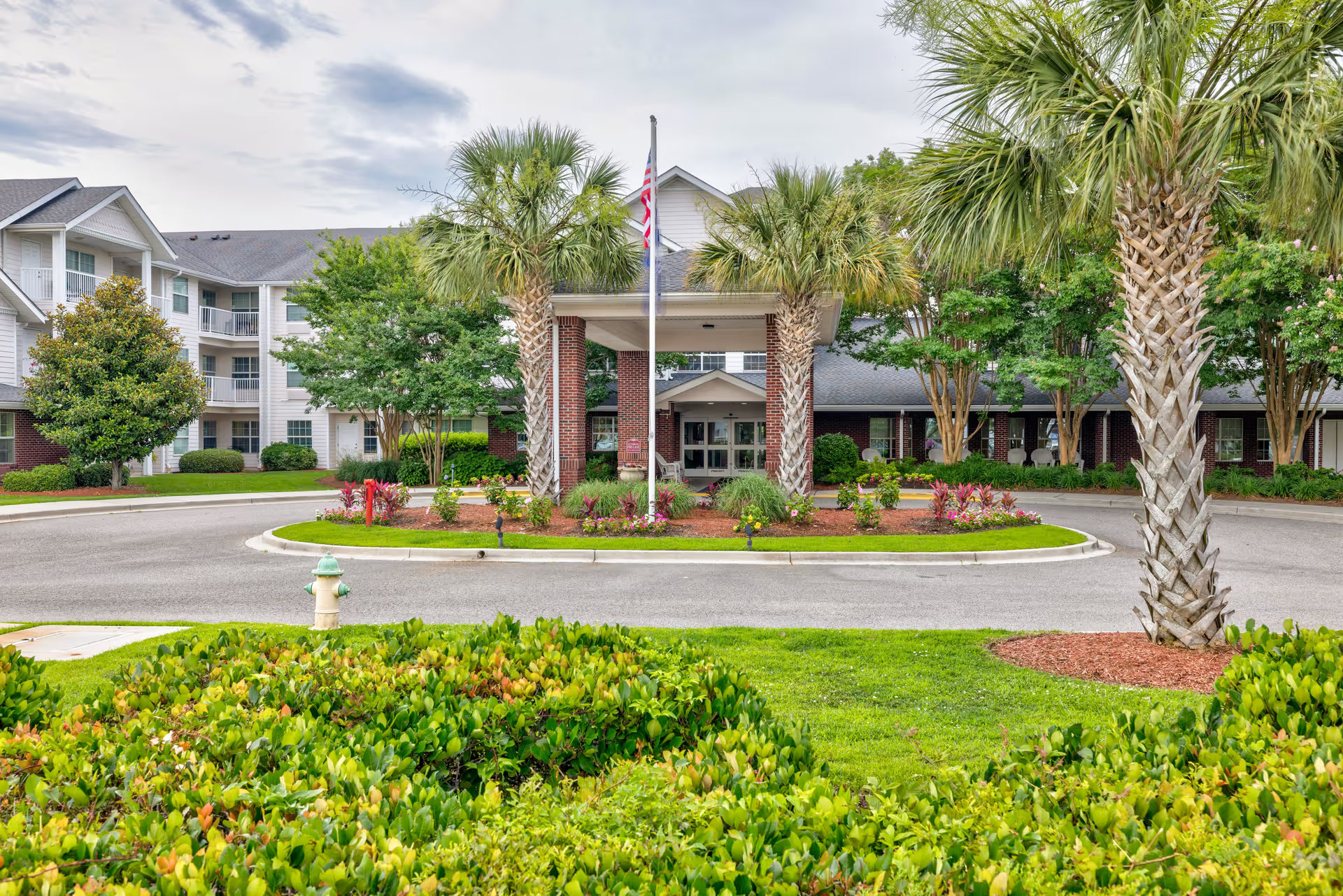
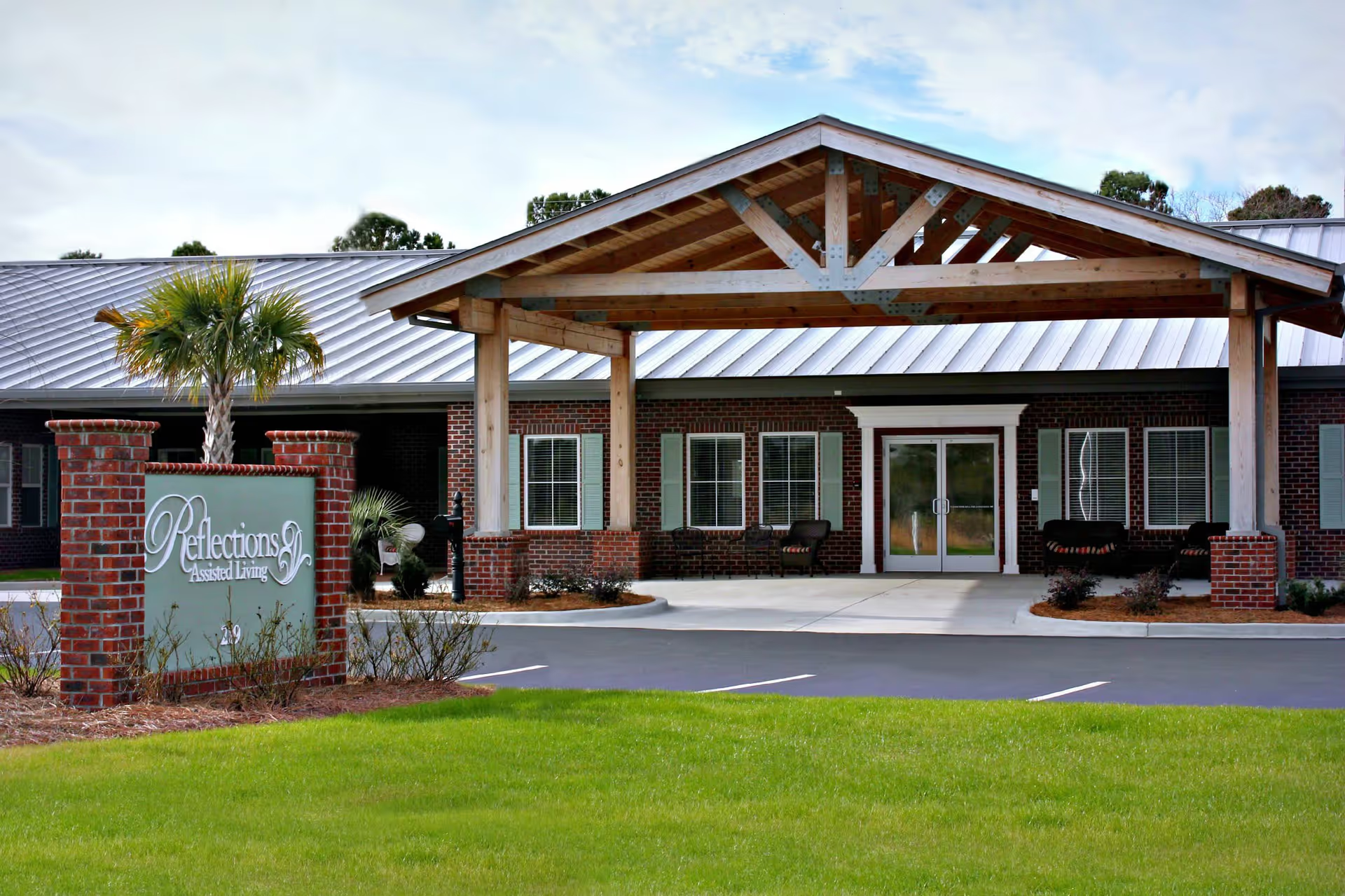
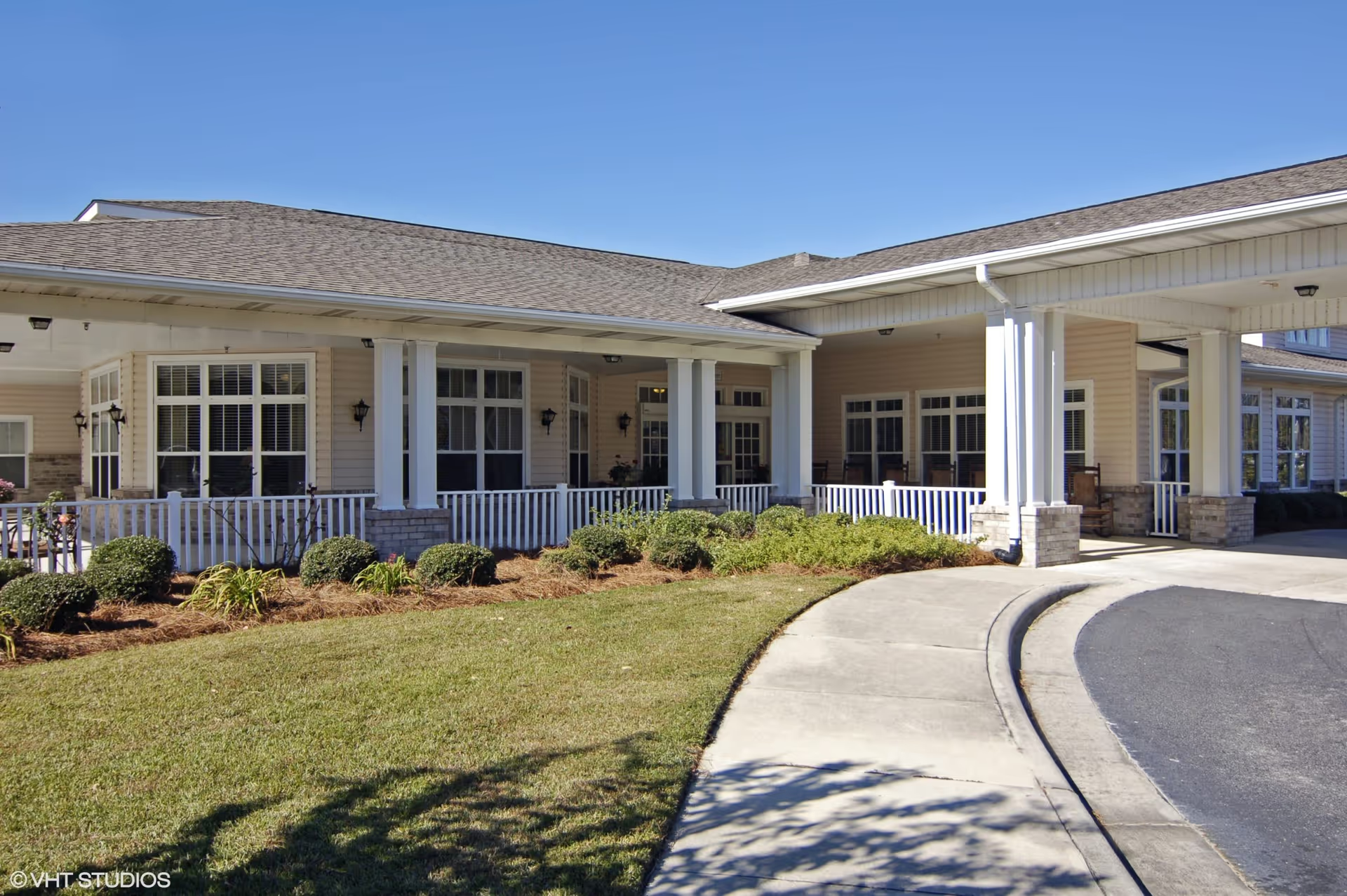
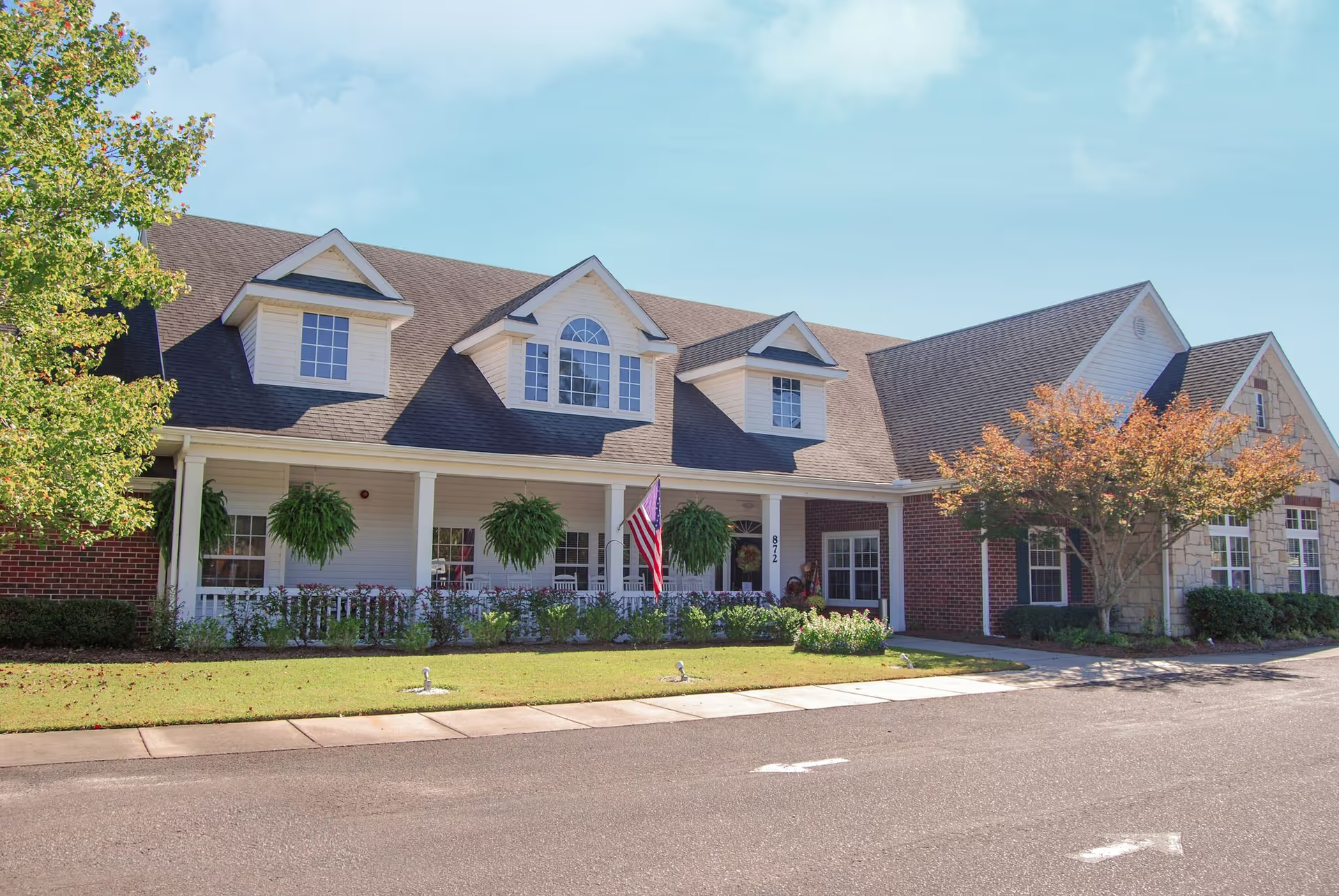
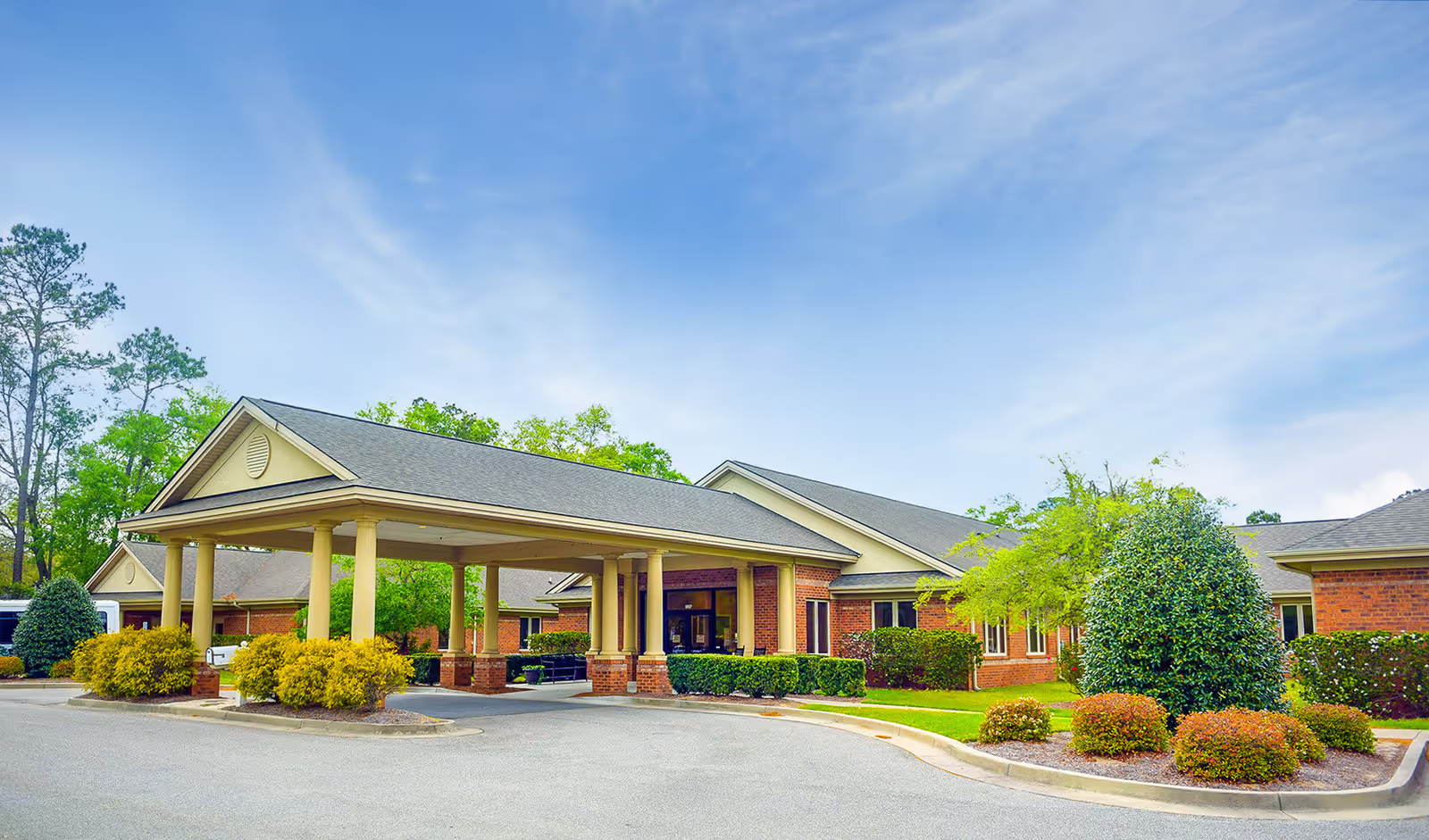
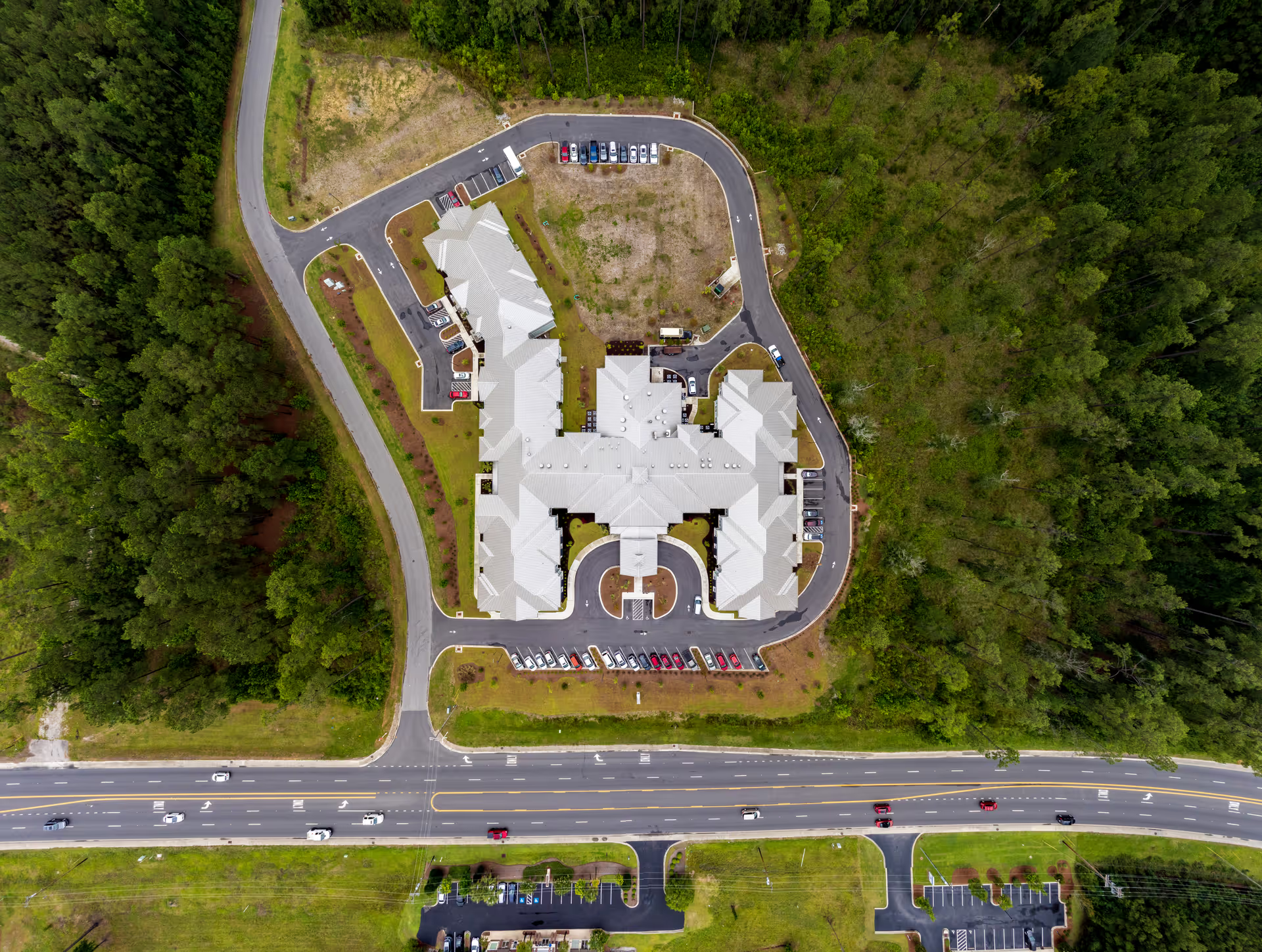
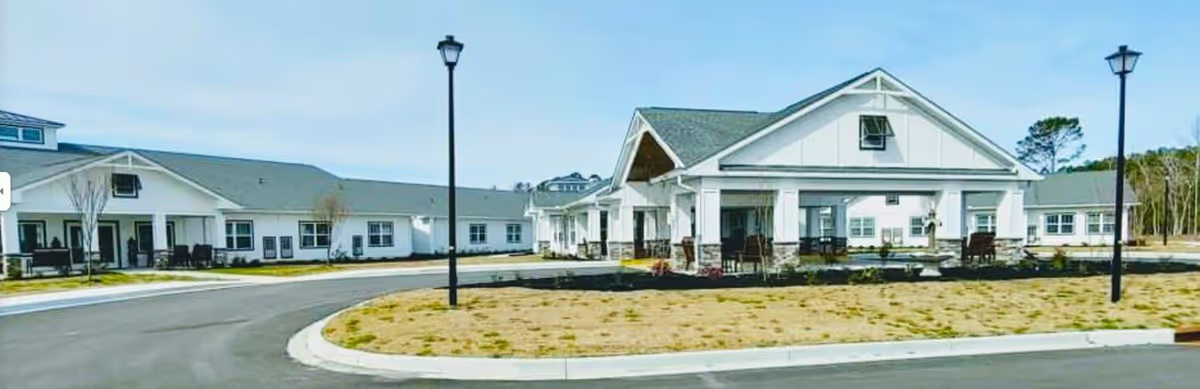
Watercrest Myrtle Beach is consistently described as a new, resort-like assisted living community with an emphasis on hospitality-style living and active engagement. Reviewers commonly praise the facility’s appearance and amenities: a polished, spa-like interior, well-kept landscaping, and an extensive list of communal spaces (restaurant-style dining room, salt and mood-therapy rooms, salon, game and craft rooms, library, small pool/whirlpool, putting green/mini-golf, and cigar/lounge areas). The community projects a hotel-like atmosphere with concierge greetings and an emphasis on comfort and aesthetics.
Care quality and staff behavior are among the community’s most frequently noted strengths. Families and visitors describe staff as compassionate, attentive, and resident-focused, and they highlight a team-based care model and frequent family communication. Several reviewers singled out life-enrichment staff and lifestyle directors for increasing resident engagement through exercise classes, outings, themed events, and activity tracking with photos or updates. Memory-care programming is described as attentive and family-centered by many families, and on-site rehabilitation/physical therapy is available to support mobility goals.
Dining and culinary offerings are another strong point. The community operates a restaurant-style, largely flexible dining model (open seating and order-anytime options) and features a noted culinary program with themed brunches and specialty menus. Food quality and menu variety receive consistent praise; the main operational drawback raised is occasional slow service during busy periods, which can affect mealtime experience despite strong food quality.
Operational and management patterns show both strengths and areas for due diligence. Leadership and individual managers often receive positive comments for visibility, responsiveness, and a family-oriented approach. At the same time, reviewers also report staffing instability—high turnover and periodic understaffing—which can create variability in day-to-day care continuity. There are also multiple notes about inconsistent administrative communication (missed callbacks, disorganization) and comments that internal management styles (including perceived micromanagement) have affected staff morale. Memory care drew mixed feedback: while many families praised the program and directors, others raised concerns about staffing levels and clinical skill in that unit; such serious concerns have been described directly enough that families should probe staffing ratios and training during a tour.
Overall, Watercrest Myrtle Beach appears to be a strong option for families seeking an active, upscale assisted-living environment with plentiful amenities, robust programming, and a visible culture of personalized attention. Prospective residents and families should verify current staffing ratios (especially in memory care), ask for examples of staff turnover mitigation and clinical training, sample a mealtime to assess service speed, and clarify administrative communication processes before committing. These checks will help align expectations around the clear strengths of the community and the operational areas that have shown variability in visitor and family feedback.