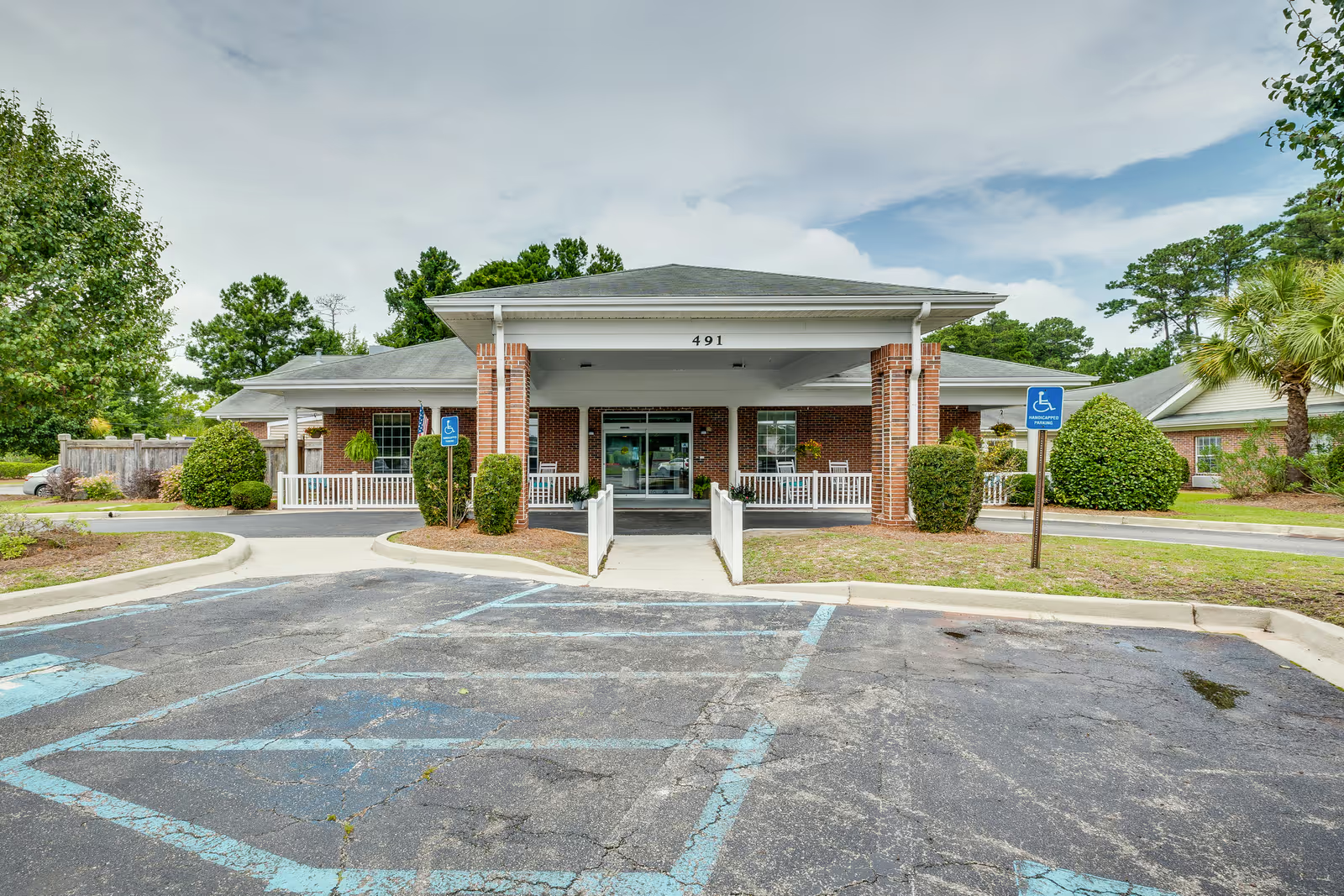
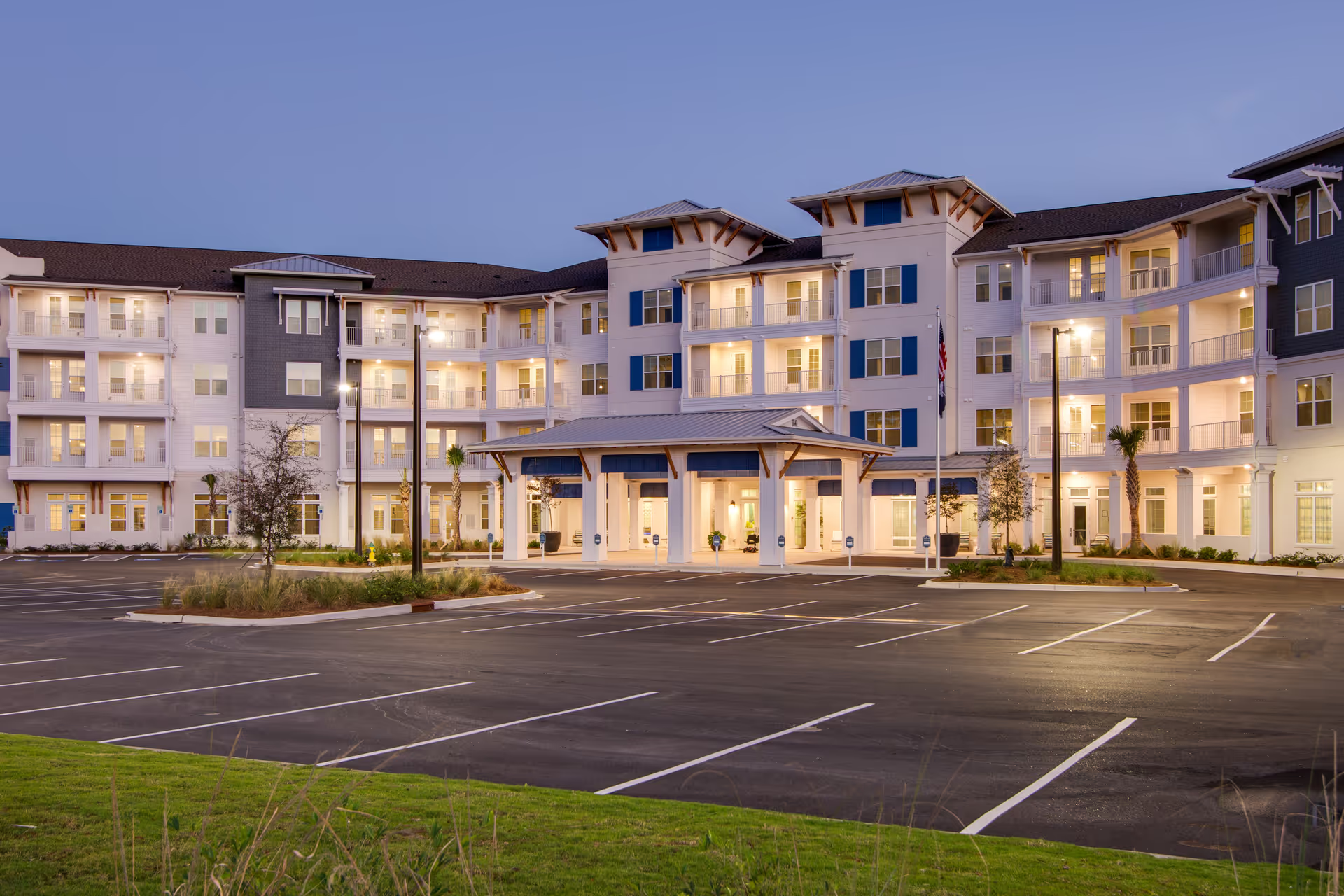
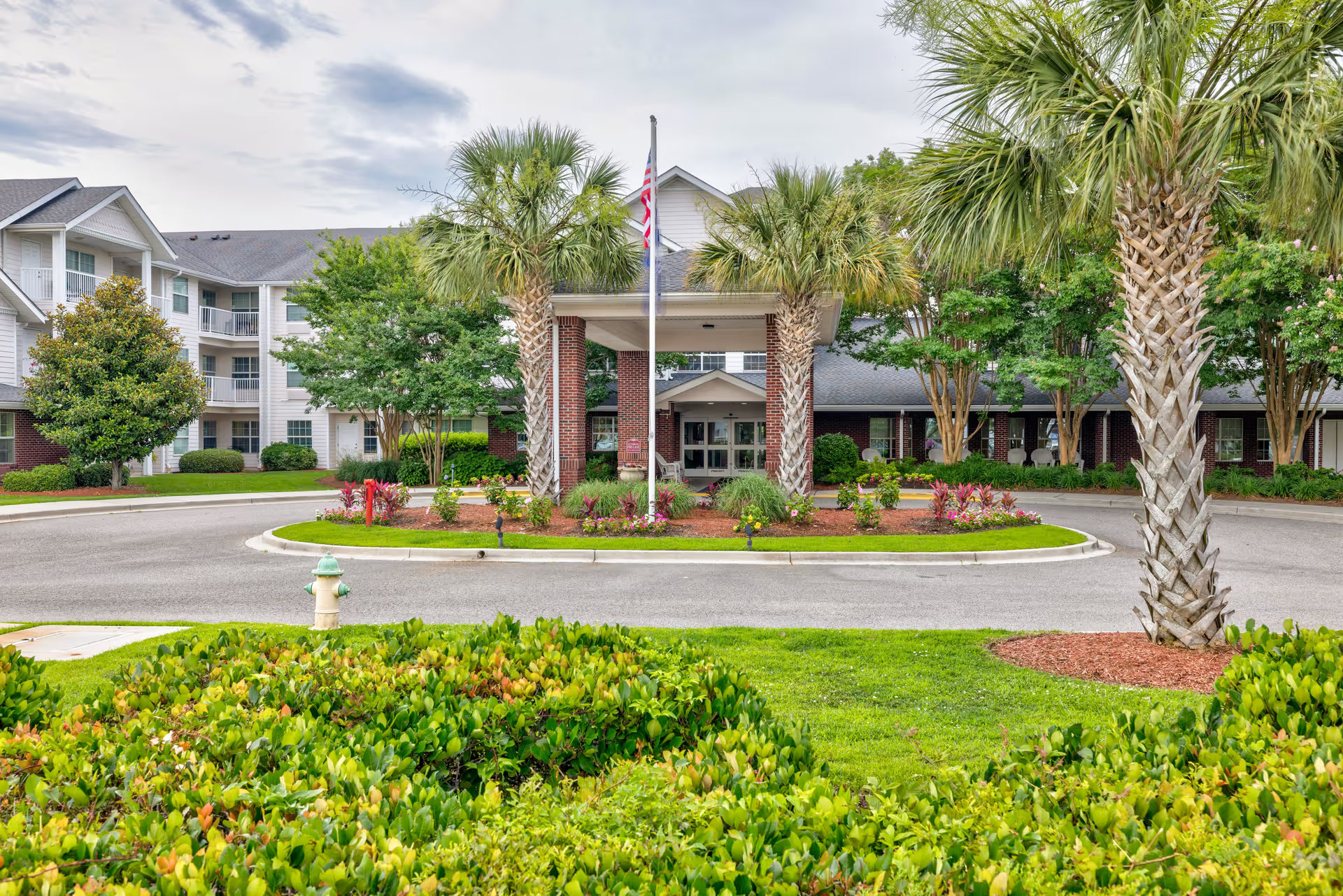
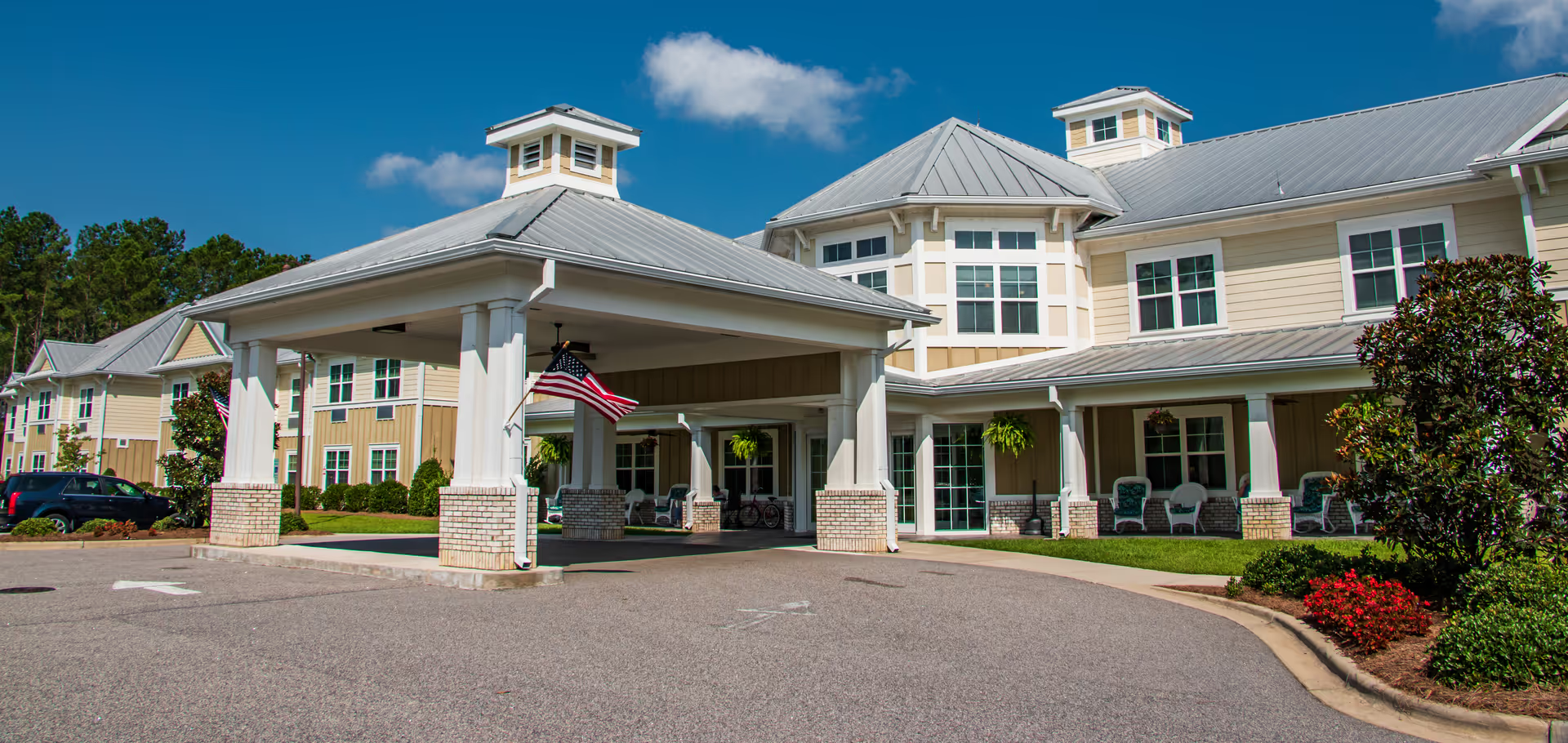
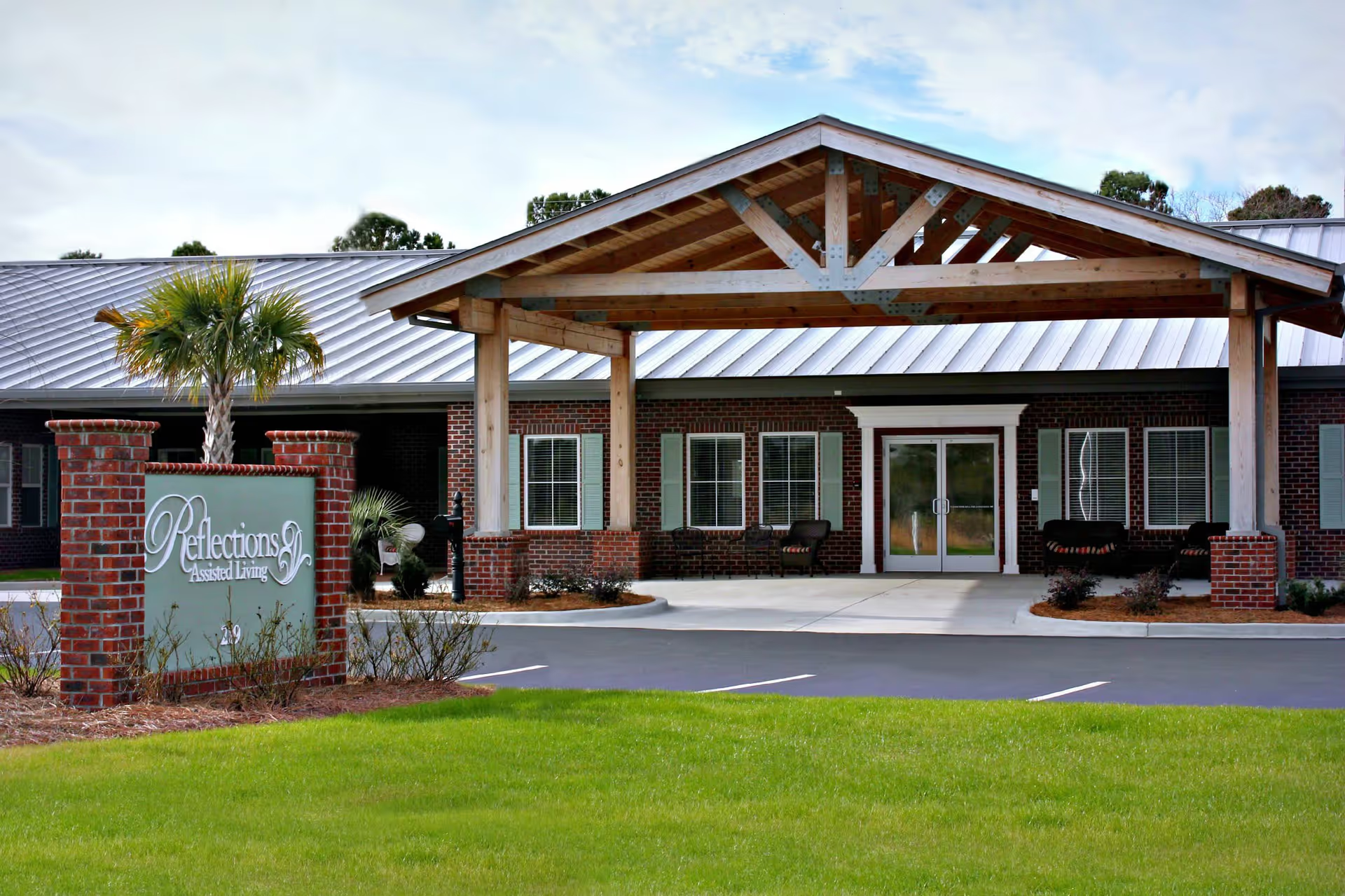
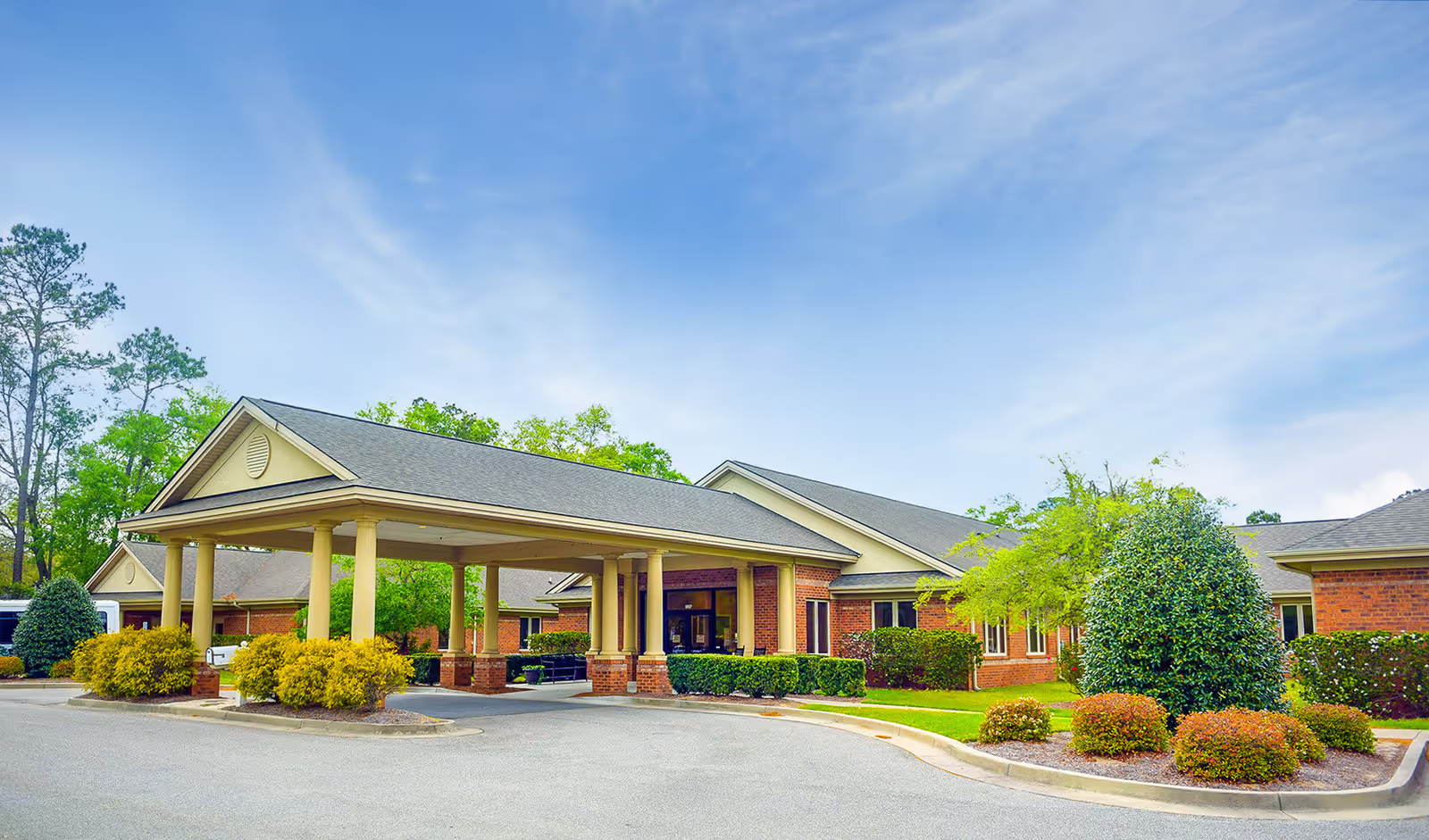
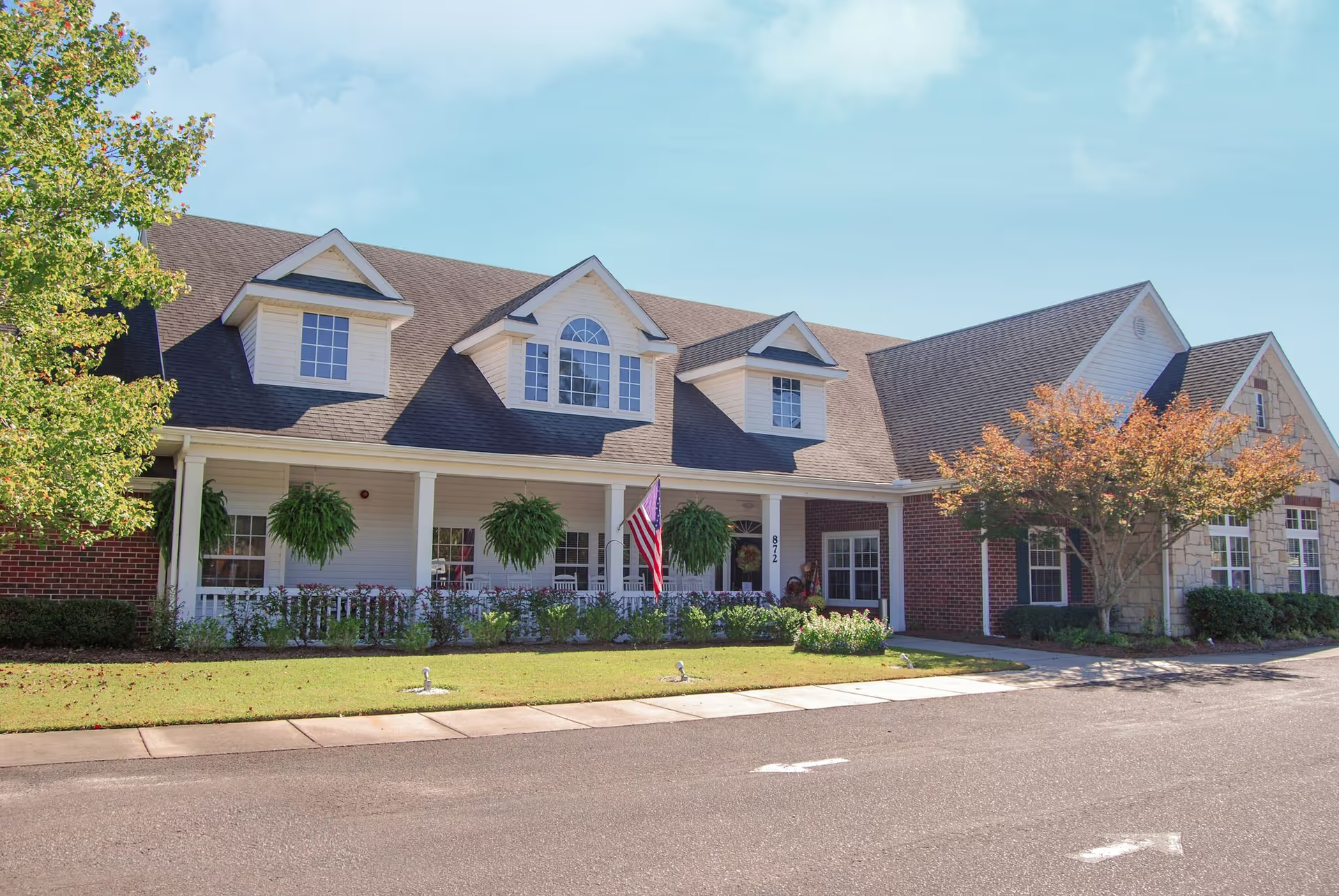
River Park Senior Living presents as a new, well-maintained community with many attributes families commonly seek: modern construction and fixtures, spacious apartments, plentiful indoor and outdoor social spaces, and a broad calendar of activities and outings. Reviewers frequently highlight the cleanliness of the building, an attractive dining environment with private/family dining options, an engaged chef who is responsive to preferences, and convenient transportation to medical appointments. The community offers multiple service levels (independent living, assisted living, memory care), on-site therapy and rehabilitation, salon and fitness amenities, and short-term/respite stays. Social opportunities and organized events are a consistent strength, contributing to residents’ reported social connection and community engagement.
Care and staffing present a mixed pattern. Many families and residents describe attentive, accommodating staff and individualized attention in a smaller-scale environment; staff are often characterized as warm and helpful. At the same time, reviews indicate operational variability: staffing shortages, turnover, and inconsistent service delivery have been reported, with some families advising additional tours and follow-up questions before committing. Of particular operational concern are recurring references to medication-management and clinical coordination gaps. These comments point to inconsistent medication administration practices and communication breakdowns with families during care transitions, which prospective residents should address directly with management.
Dining and activities are generally strengths but show variability by care level. Independent-living meals and restaurant-style service receive strong praise, including appealing menus and chef-driven responsiveness. Assisted-living dining has mixed feedback, with some reviewers describing less flavorful meals. Programming is wide-ranging—bingo, trivia, dances, outings, themed parties, fitness classes, and memory-care activities are commonly cited—yet a few accounts suggest that activity availability and engagement can differ between neighborhoods or shifts.
Facility design and clinical capability are additional considerations. The community’s bright, open design and larger common areas appeal to many residents, but several reviewers cautioned that the wide-open, larger layout may be less suitable for individuals needing a smaller, more secure memory-care environment. There are also limitations in clinical scope: the community does not provide skilled nursing-level services on site and maintains admission criteria that may restrict residents with certain medical devices or complex needs. One family described an admission denial related to insulin-pump management, underscoring the importance of confirming clinical and admissions policies in advance.
Management responsiveness is described positively in many interactions—staff and leaders who know residents by name, accommodating administrative support, and well-organized events—but reviewers also describe occasional communication lapses and differences between impressions formed on tours and daily experience after move-in. Cost is another theme; while some families view the community as good value given the amenities, others note it is relatively expensive compared with alternatives. Faith-based programming is limited, which may be important for some prospective residents.
Recommendations for prospective residents and families: schedule multiple, unannounced visits at varied times of day; ask specifically about medication-administration procedures, staffing ratios and turnover, policies for medical devices and high-acuity needs, and the community’s approach to dementia care and neighborhood size; sample meals and inquire about menu variation between care levels; and request written examples of communication protocols for clinical incidents and family notification. These steps will help align expectations with the community’s strengths—modern facilities, active social life, and engaged staff—while confirming how the community manages the operational areas that reviewers identified as variable.