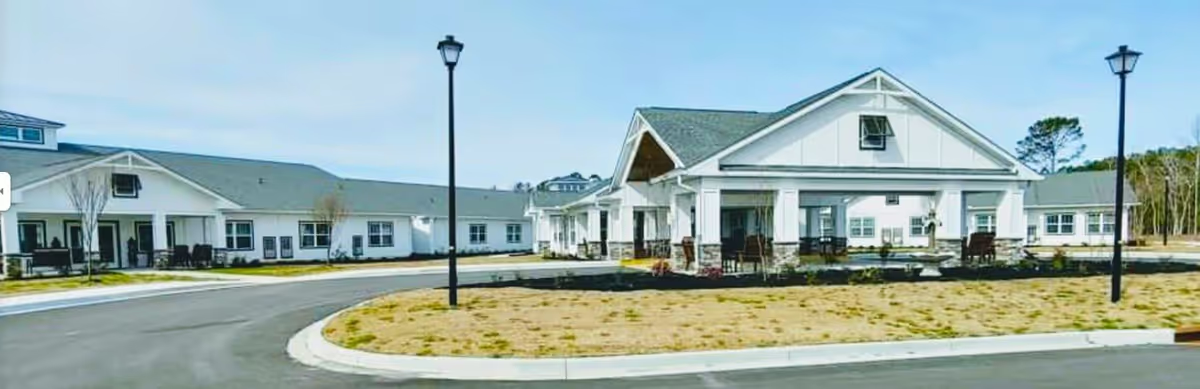
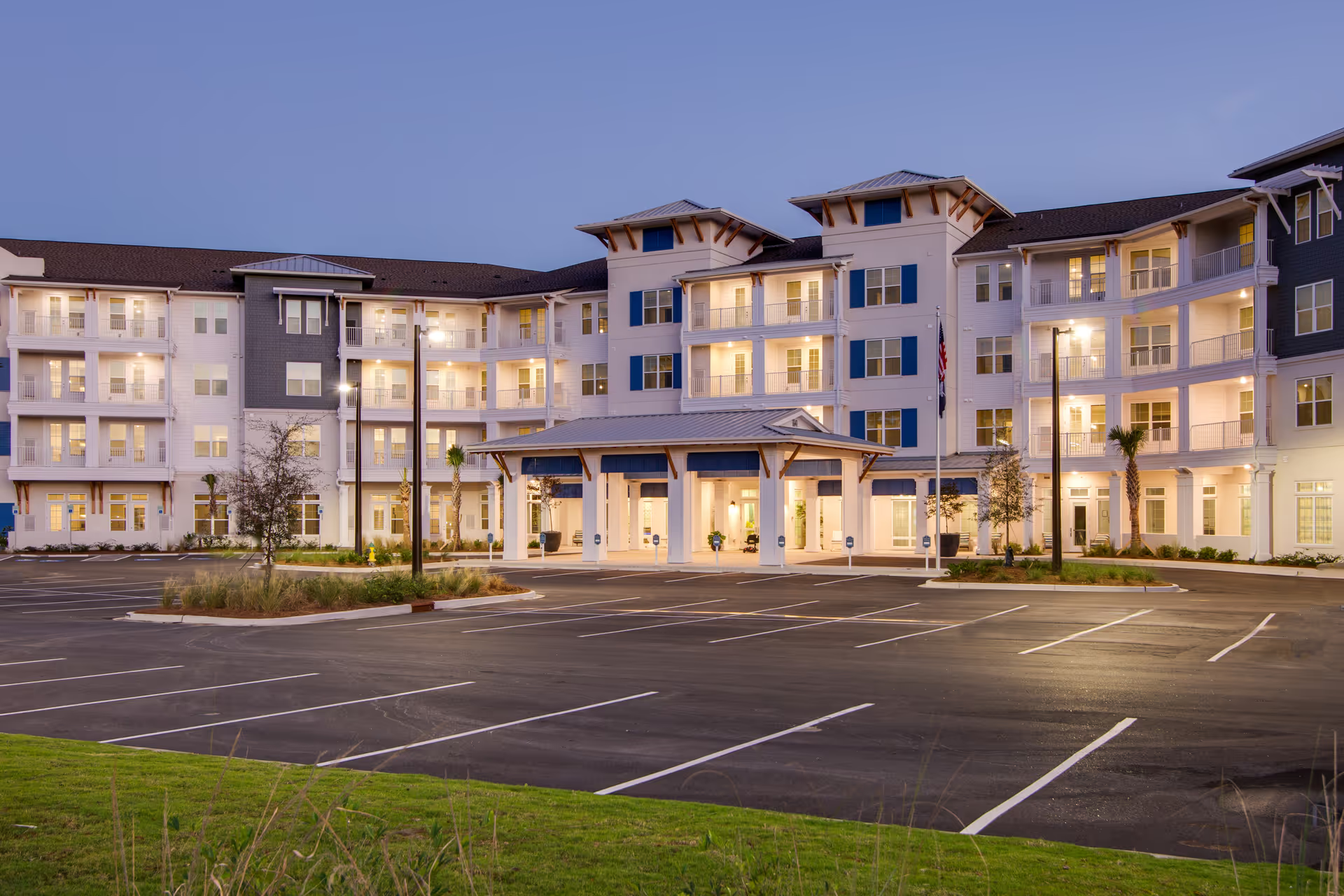
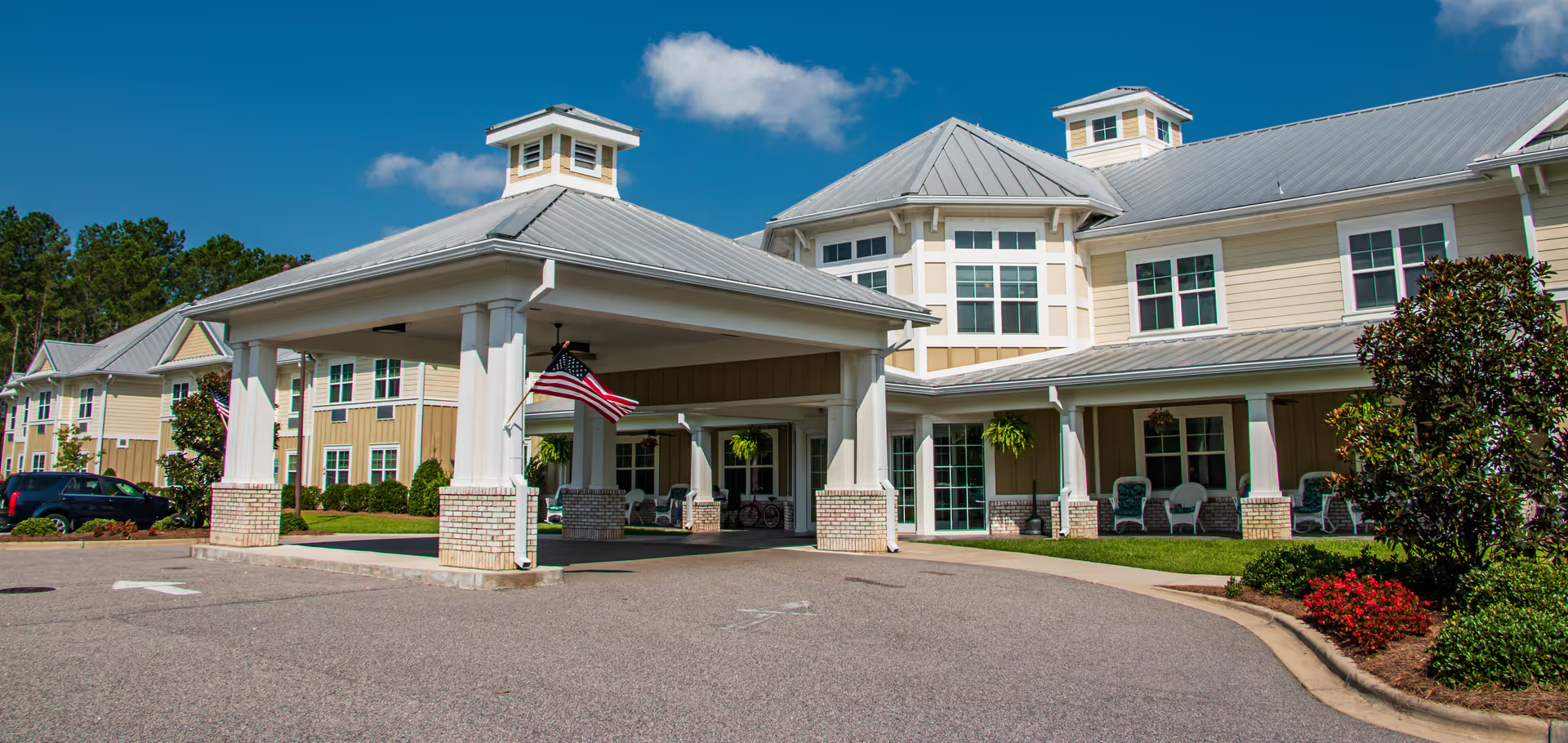
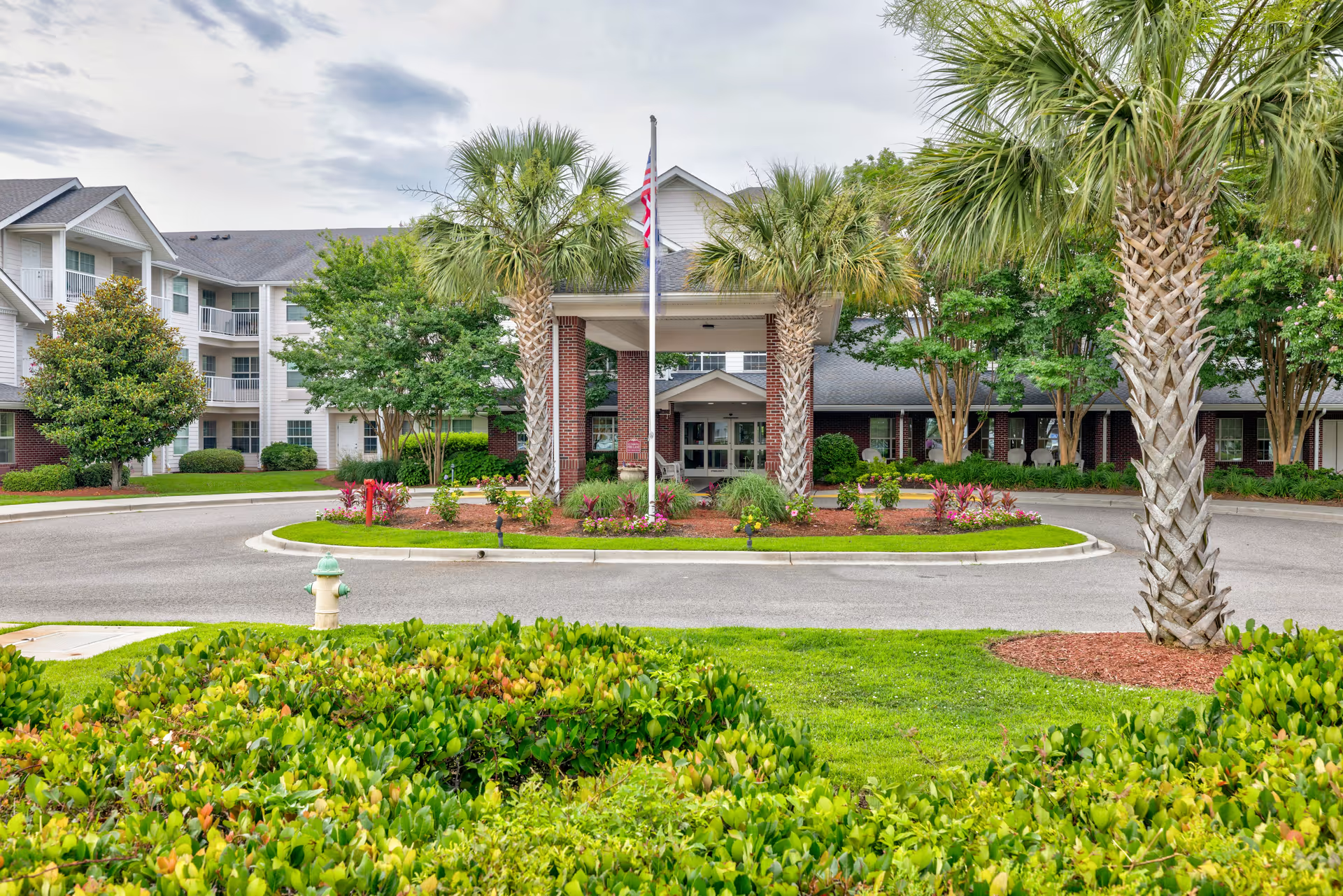
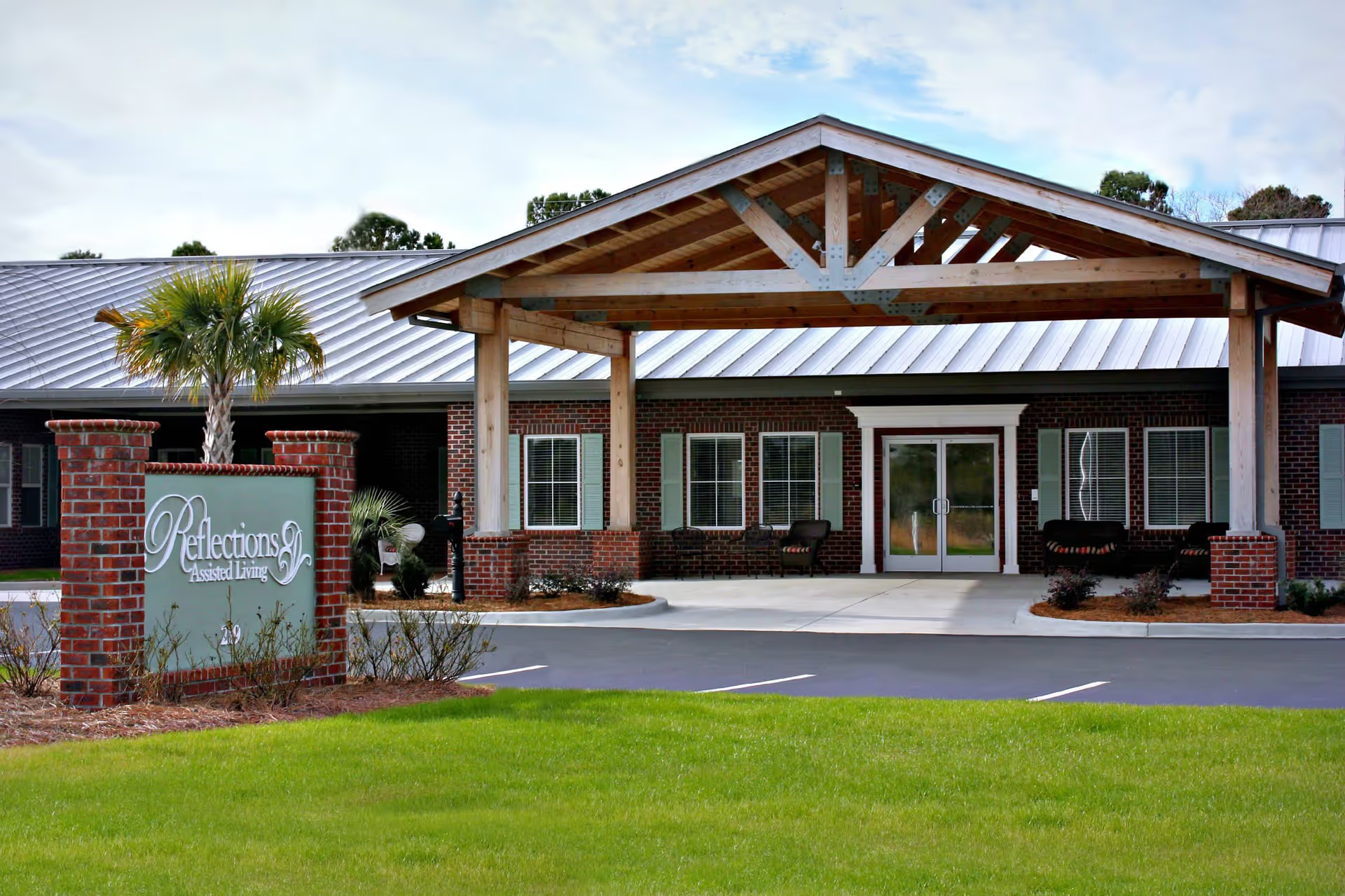
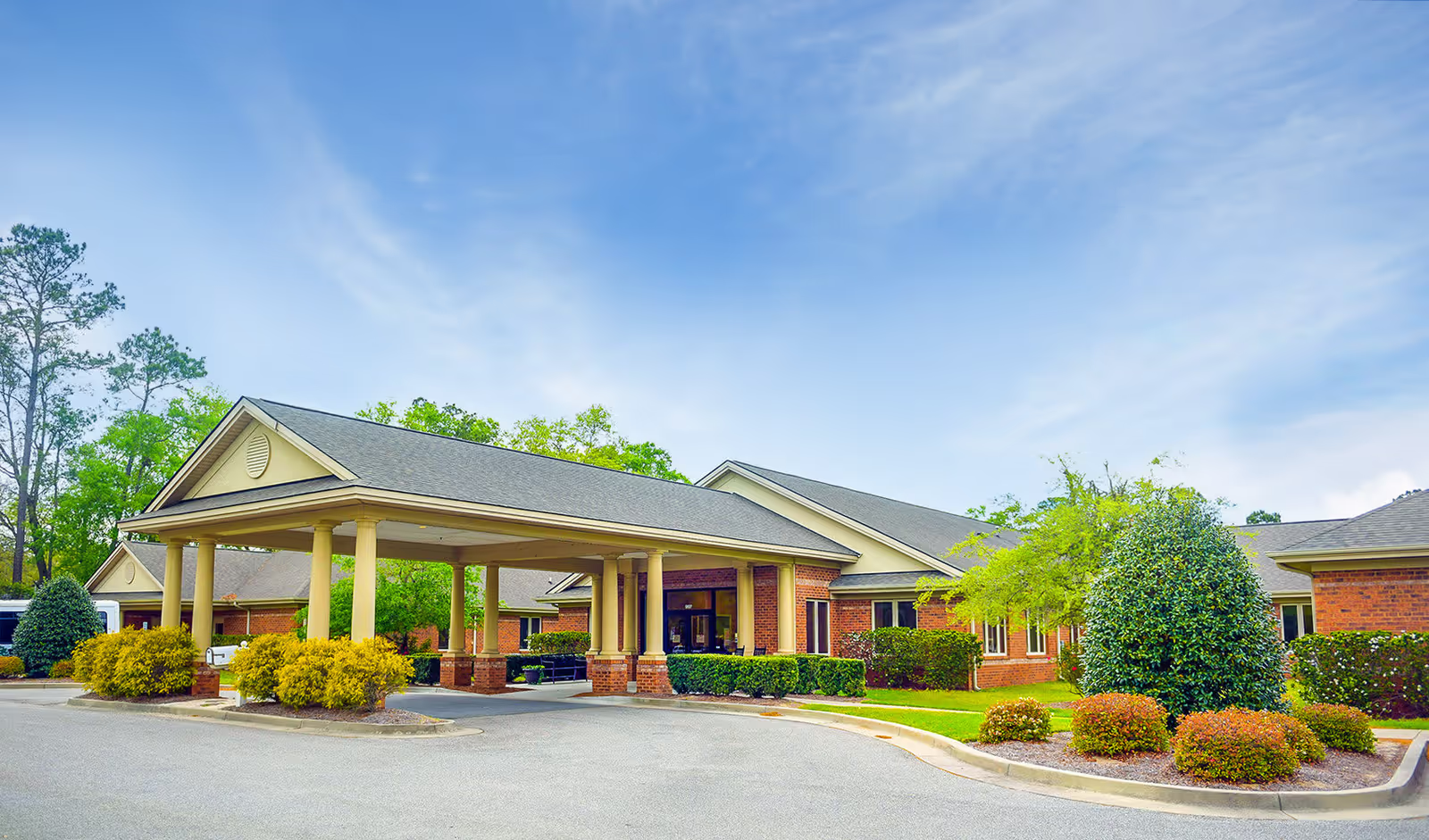
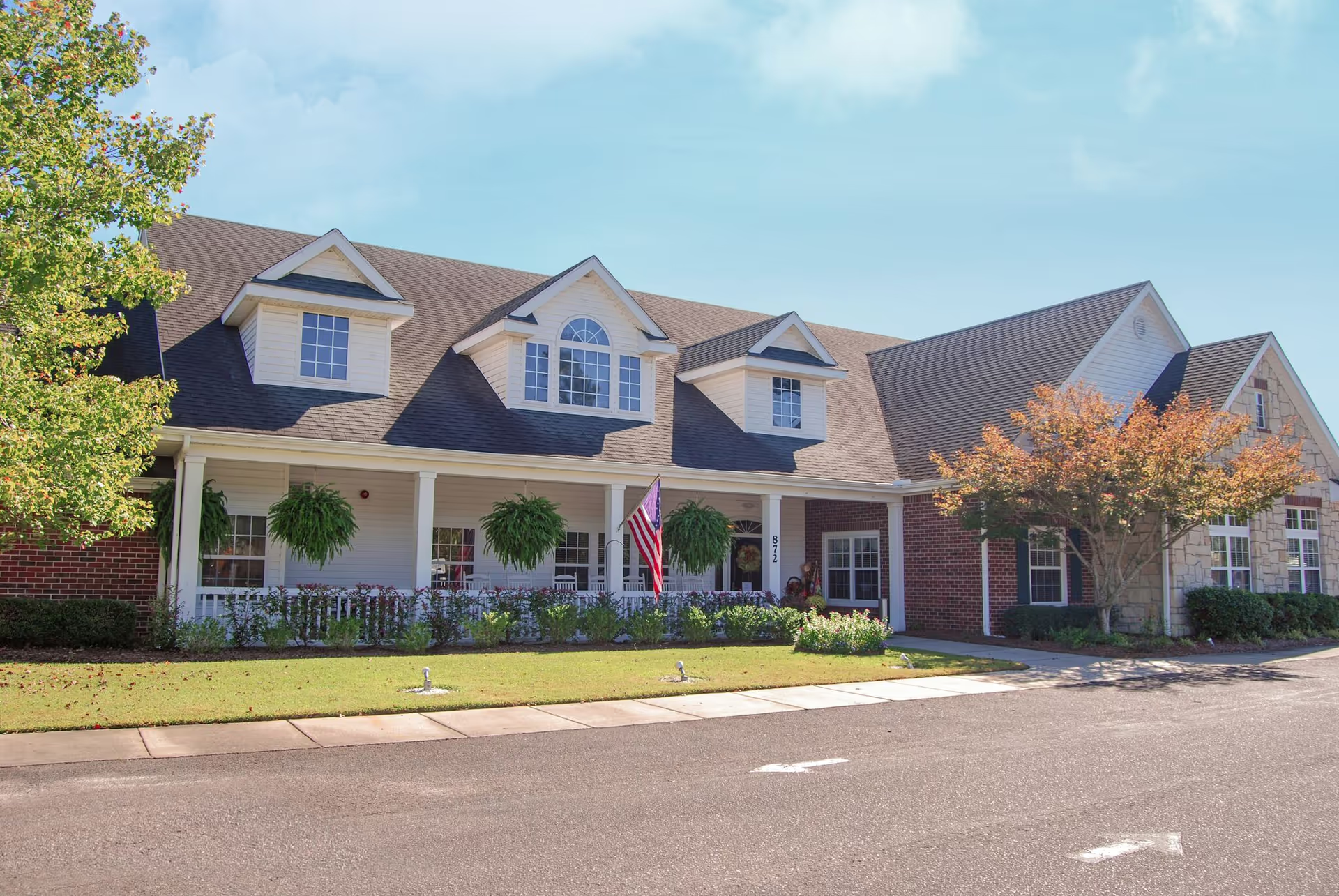
Feedback about The Legacy of North Myrtle Beach clusters into clear strengths and recurring operational concerns. Strengths center on the clinical and caregiving teams: many families describe staff who are compassionate, responsive, and attentive, with particular praise for nursing aides, move-in coordination, and therapy services. The community offers an active social calendar — including crafts, games, outings, and special-event programming — and physical features such as a single-floor layout, remodeled interiors, large windows, and courtyard spaces that support resident engagement. Housekeeping, linen services, transportation to appointments, and prompt maintenance are frequently cited as reliable inclusions that contribute to perceived value.
Despite these positives, reviewers identified persistent operational weaknesses that merit attention. Staffing consistency and turnover were common themes, and several comments point to gaps in supervision and communication in the memory-care unit; these gaps are associated with clinical concerns such as weight loss and recurrent urinary tract infections in a few cases and indicate uneven monitoring practices. Dining and food-service quality were described as inconsistent across care levels — particularly in memory care where menu variety and presentation were noted as more limited — and dining-room service pace and meal selection have been uneven at times.
Sanitation and hygiene-management issues were raised with enough frequency to be a notable pattern: reviewers described sanitation concerns in parts of the facility and identified areas where incontinence-care practices and laundry/room-cleaning consistency need strengthening. Relatedly, some reviews cited shift-to-shift communication breakdowns and inconsistent medication-administration documentation; these items point to process and oversight gaps rather than uniform clinical failure, but they are operational areas to probe during a tour or pre-admission review.
Families also reported administrative and policy friction points including unclear placement-change or billing policies and occasional unresponsiveness from management. Conversely, other reviewers praised the administration for strong communication, effective coordination with hospitals, and proactive infection-control measures. The balance of feedback suggests that resident experience at The Legacy can be highly positive when staffing and unit-specific practices are consistent; prospective residents and family members should prioritize direct questions about staffing levels, memory-care supervision, dining arrangements for memory-care residents, cleaning protocols, and billing/placement policies when evaluating the community.