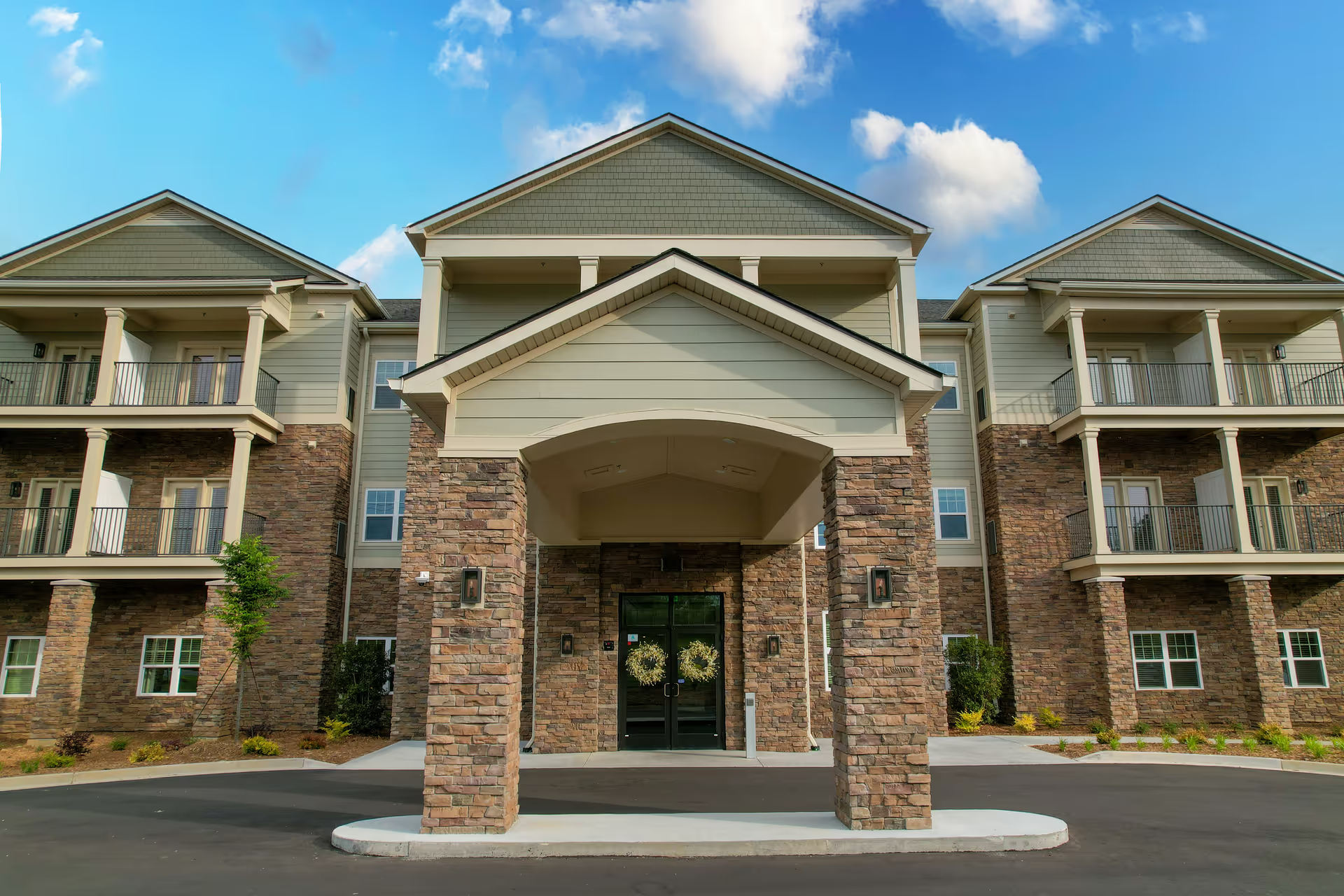
The reviews for Ashley Square are notably polarized: a substantial number of families and residents describe a warm, family-like community with compassionate caregivers, while a set of critical accounts highlight operational and clinical concerns that prospective families should evaluate before deciding.
Care and staff: Many reviewers emphasize personable, attentive caregivers who know residents by name and provide individualized, reassuring interactions. Several accounts describe staff who go above and beyond, assist with feeding and bathing, and contribute to residents’ social engagement and improved mood. Conversely, other reviews cite staffing shortages, prolonged vacancies in leadership and clinical roles, and inconsistent frontline training. These concerns manifest as delayed responses to call bells, uneven conduct among staff, and questions about continuity of clinical oversight. Prospective families should ask about current staffing ratios, RN coverage hours, and staff turnover when evaluating care reliability.
Dining: Dining experiences are mixed. Numerous reviewers praise balanced, appealing meals, socialized dining, and menu flexibility; others report inconsistent food quality, small portions, and a desire for stronger dietary oversight. The presence of both positive and critical comments suggests variability in culinary delivery and portioning; asking for a recent sample meal and information about dietary management (including whether a certified dietitian is involved) is advisable.
Activities and social life: Activity programming is a consistent strength in many accounts. The community appears to offer a robust calendar of events, live entertainment, outings, faith-based activities, and opportunities for social engagement that families say improve residents’ quality of life. Common areas, group dining, and organized social events receive frequent praise for promoting connections and daily stimulation.
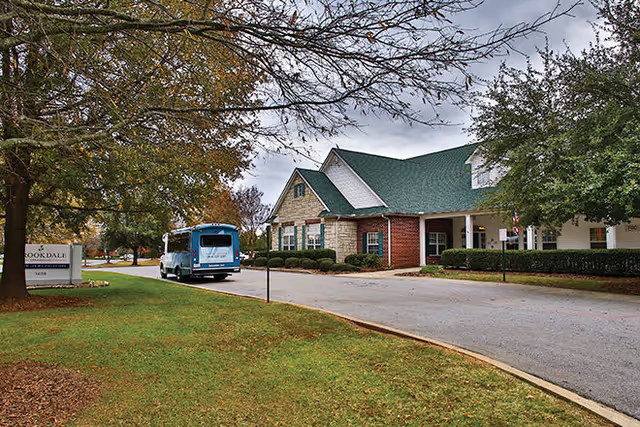
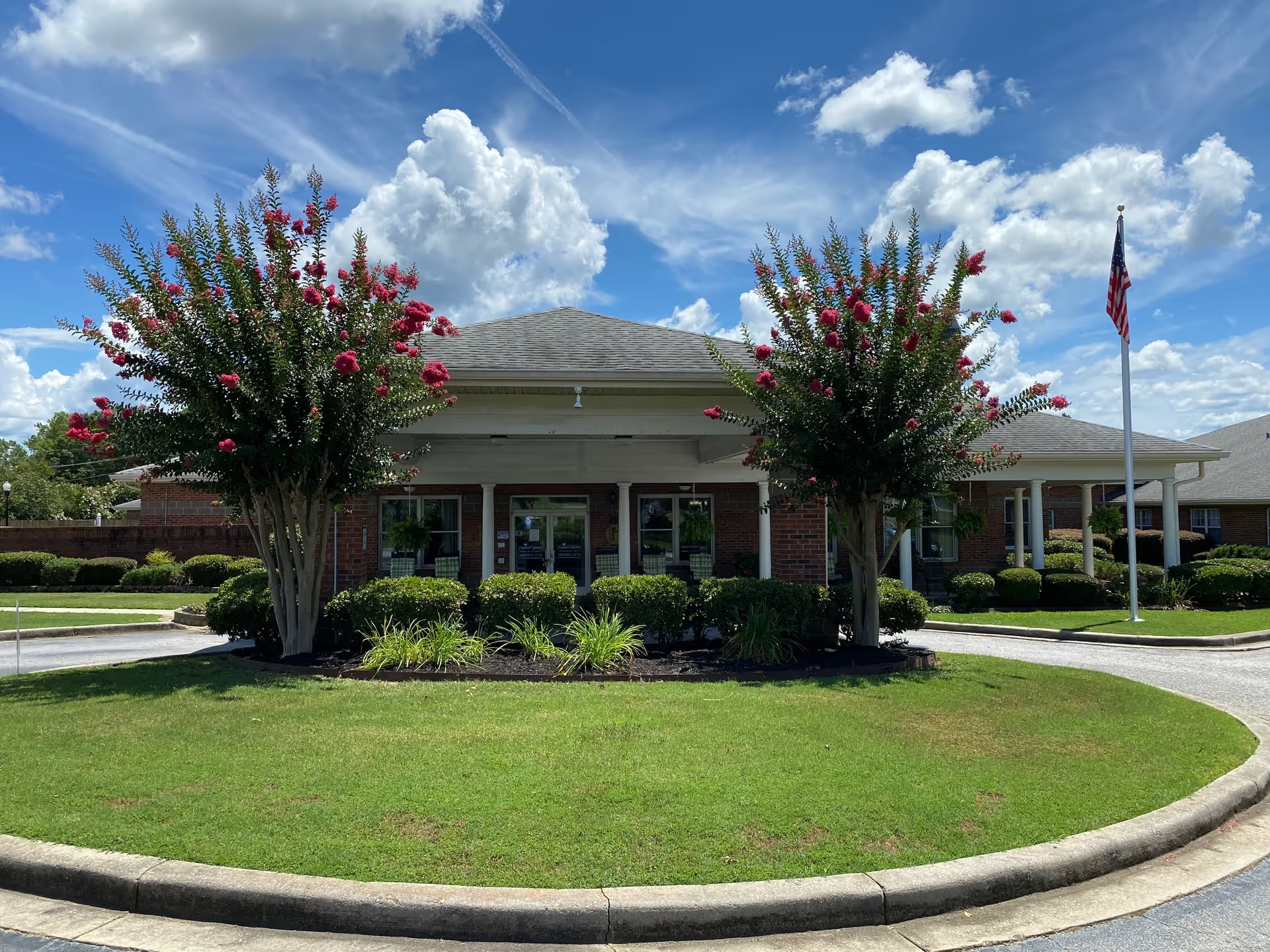
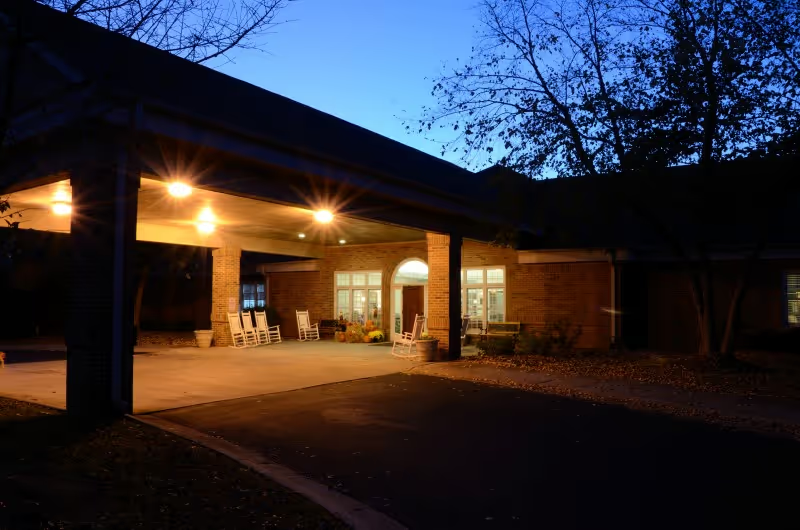
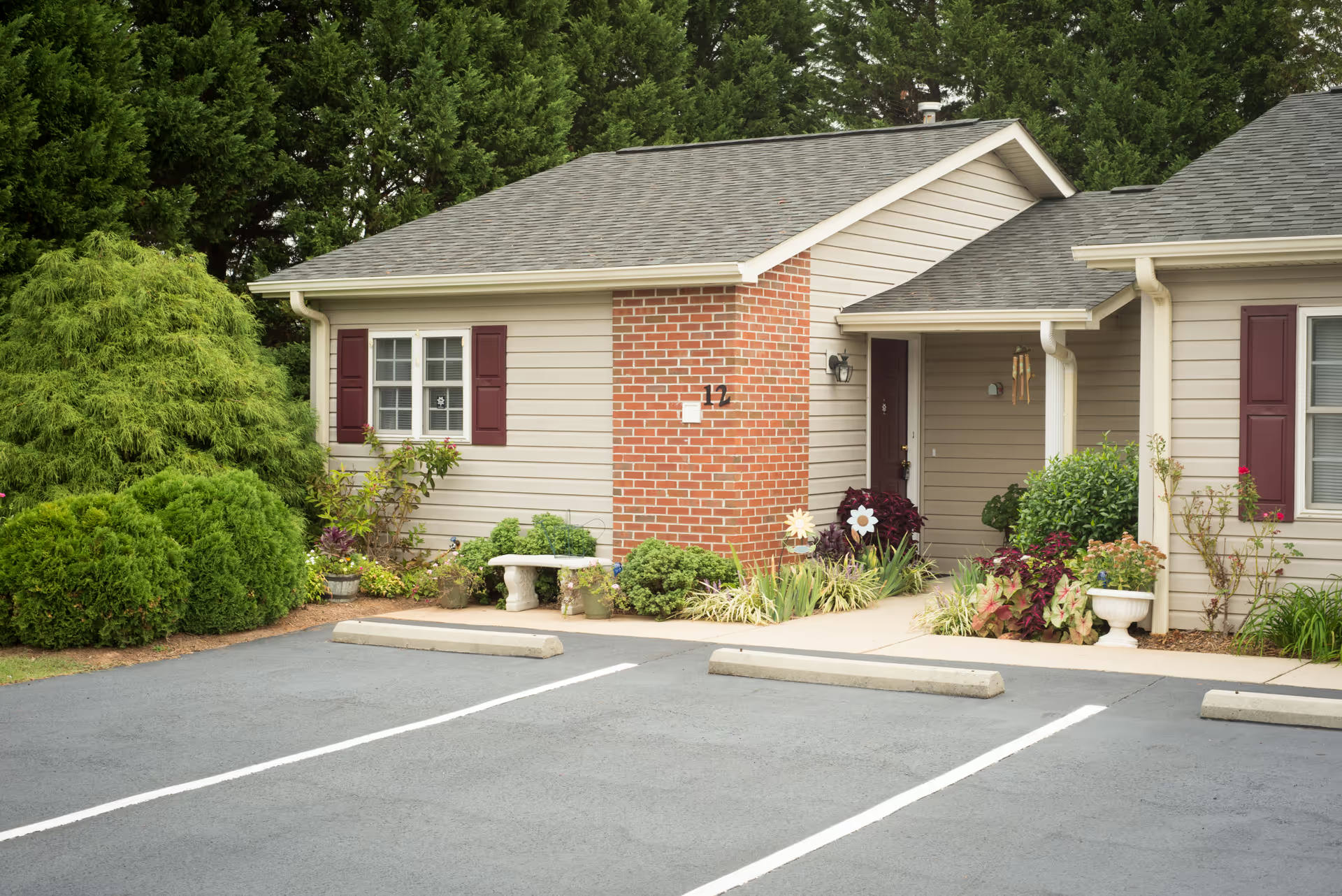
Facilities and housekeeping: Physical spaces are widely described as clean, attractive, and well maintained, with spacious rooms, private bathrooms, pleasant décor, and a welcoming courtyard. Housekeeping and maintenance are generally noted as strengths, though there are isolated mentions of delayed repairs and occasional inventory-control issues (missing personal items or delayed equipment fixes), indicating maintenance responsiveness can vary.
Management and operations: Administrative impressions are mixed. Some reviewers describe engaged administrators and thorough move-in processes with clear communication. Others report leadership vacancies, slow responses to concerns, and broader administrative instability that has affected clinical coverage and day-to-day operations. These operational gaps correlate with the most serious practical concerns—medication timing, clinical oversight, and staffing consistency.
Notable patterns and recommended questions: The dominant pattern is a split between families who experience a caring, active community and those who encountered operational shortfalls that affected resident safety or satisfaction. Common—actionable—areas for follow-up during a tour include: current RN and licensed nursing coverage schedules, average staff turnover and vacancy durations for key roles, medication-administration protocols and contingency plans, dietary oversight and sample menus, staffing ratios at different times of day, and documented maintenance response times. Also clarify the community’s resident acuity mix to ensure the facility’s model of care aligns with your loved one’s needs.
Overall, Ashley Square presents as a facility with many genuine strengths in social programming, environment, and individualized caregiver relationships, but it also exhibits recurring operational vulnerabilities in clinical staffing, management continuity, and service consistency that warrant careful pre-move evaluation.