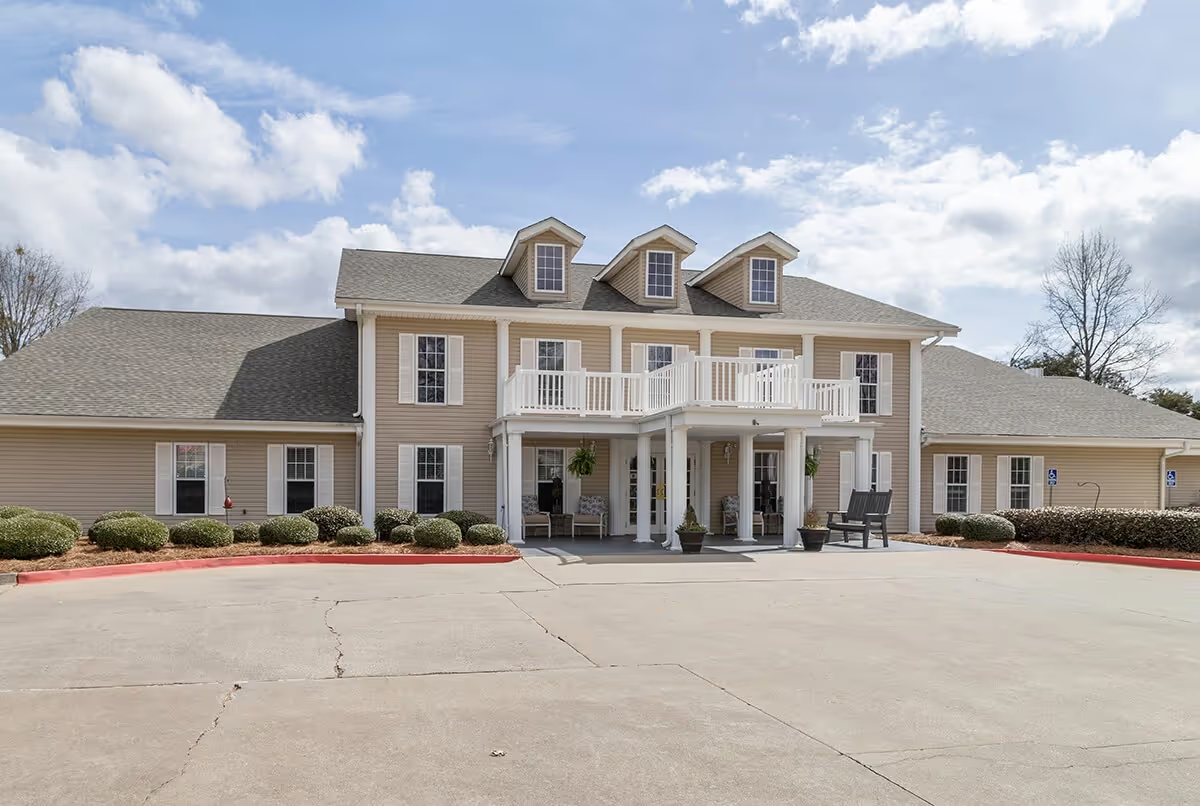
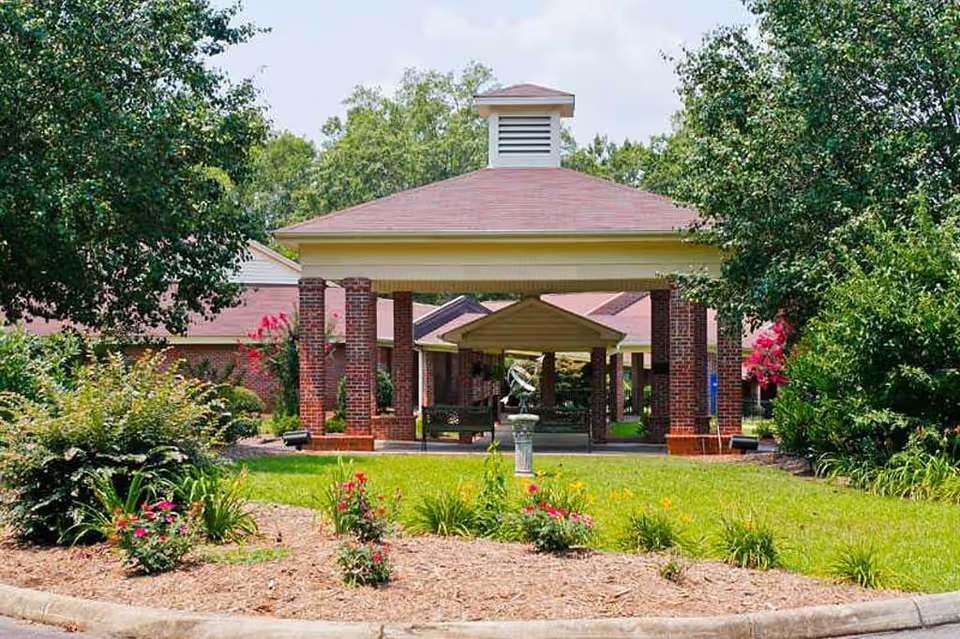
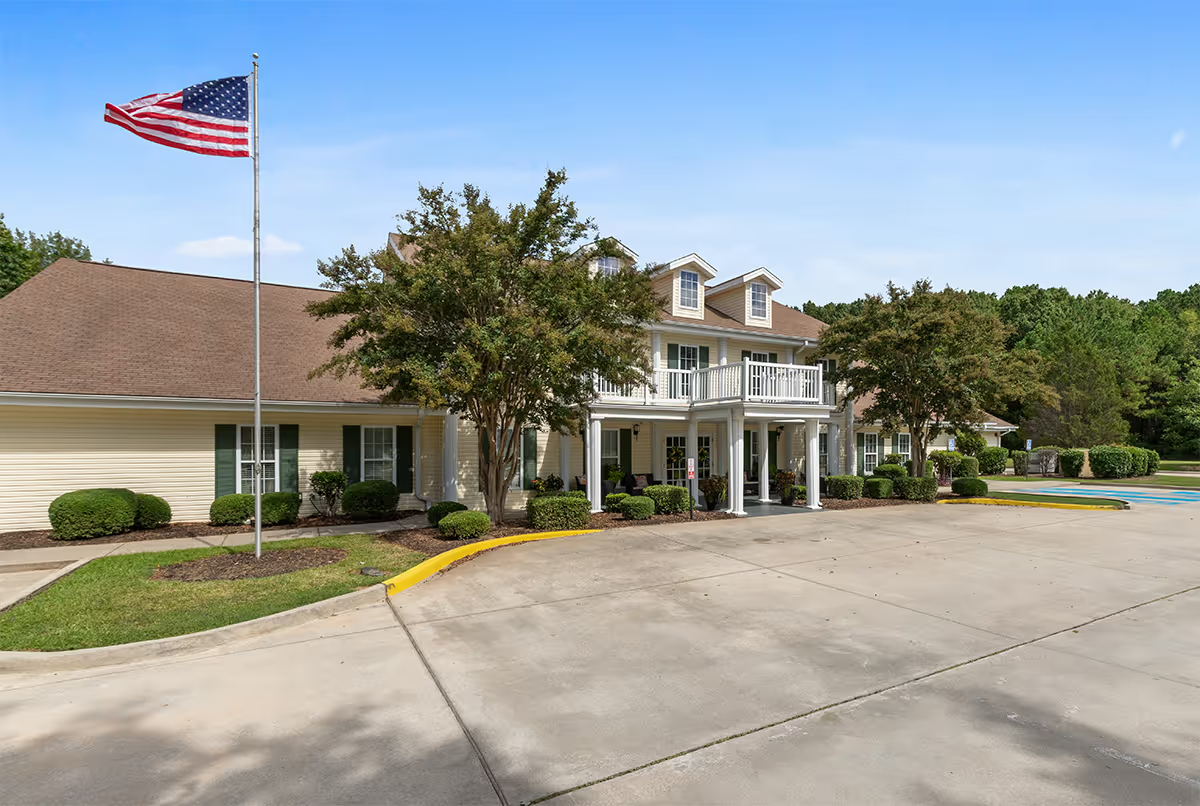
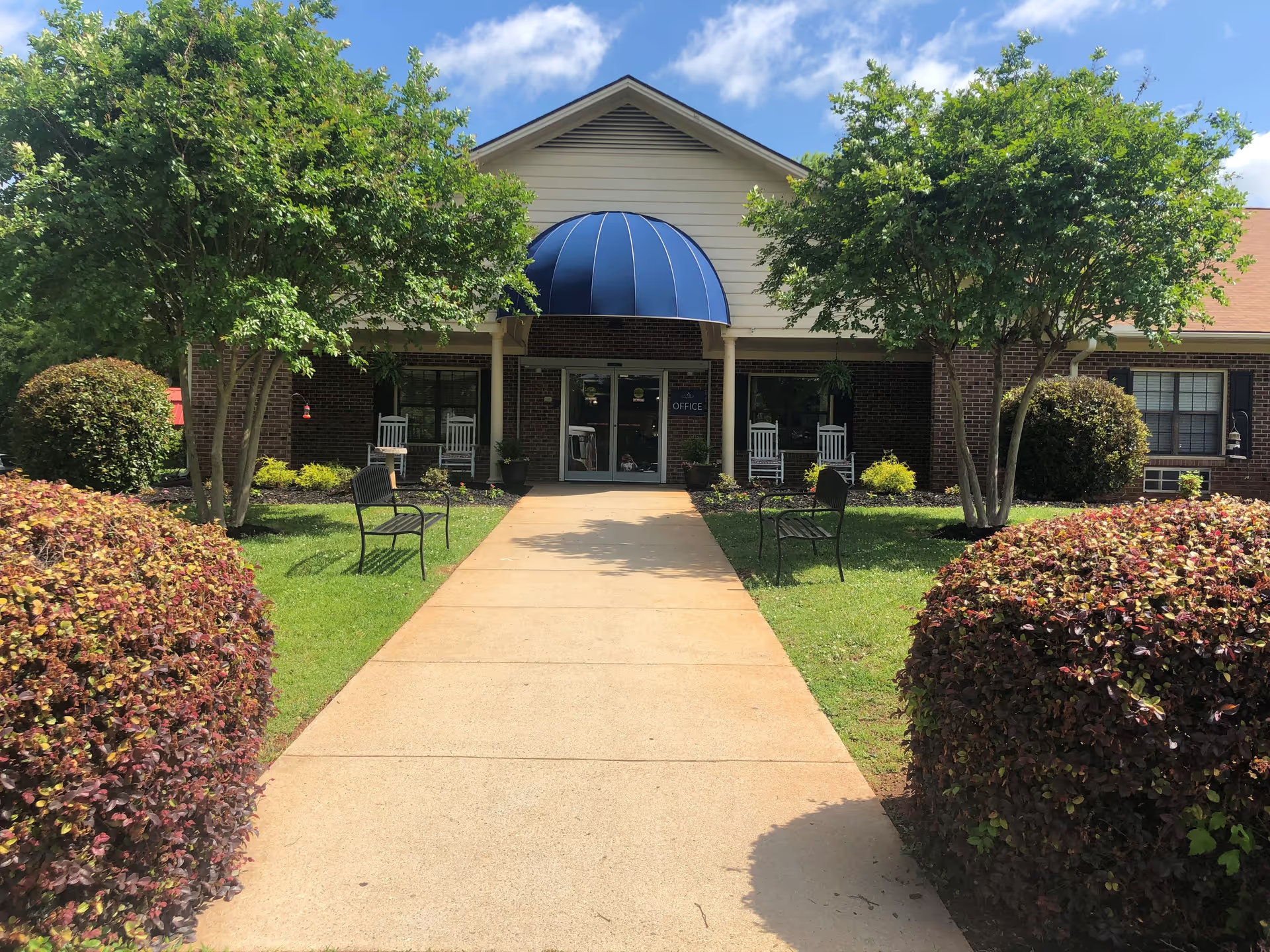
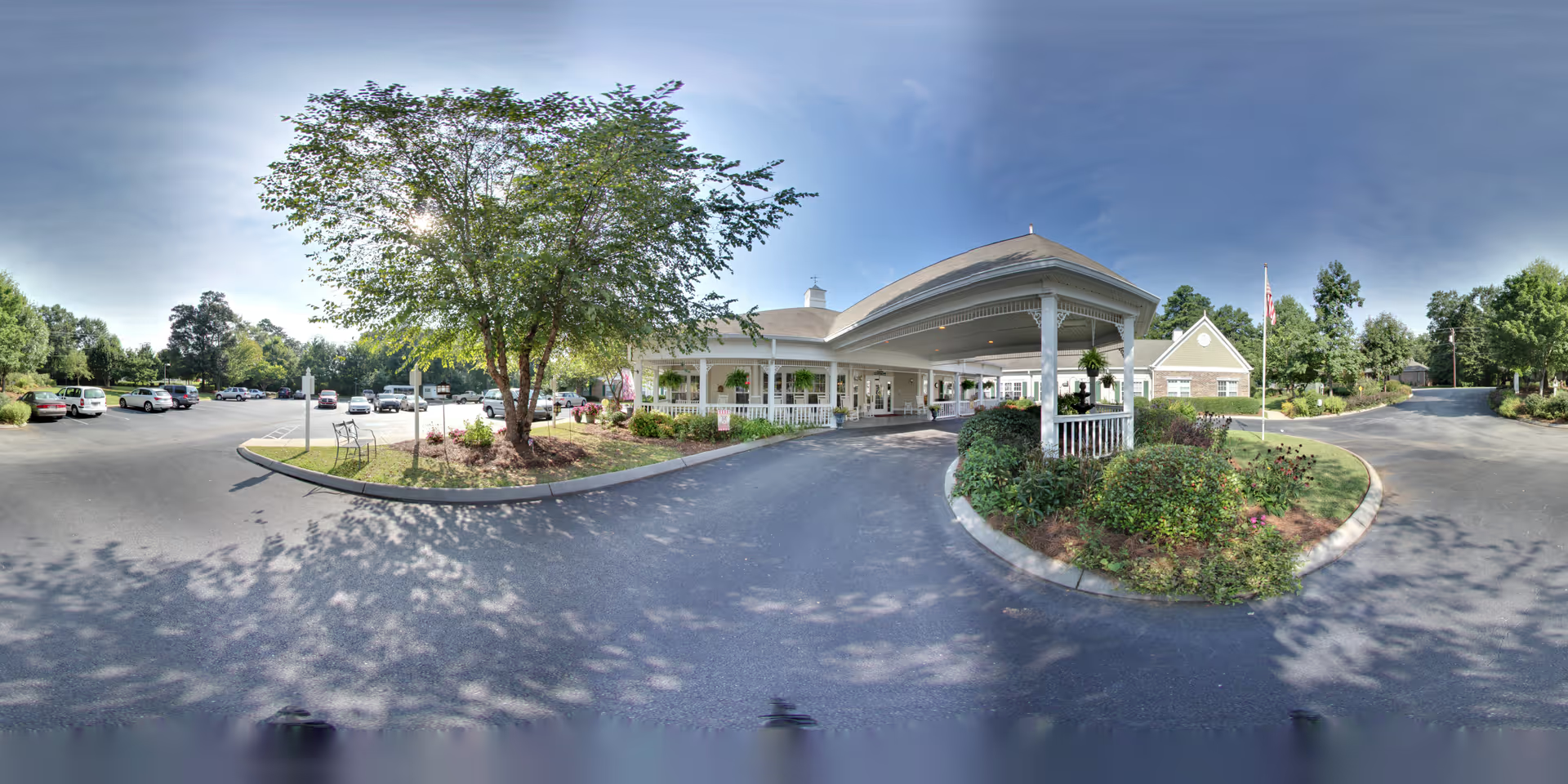
Ansley Glen at Greenwood is generally described as a small, home-like assisted living community with strengths in day-to-day resident life: many families praised a welcoming atmosphere, spacious apartments, an attractive courtyard, and well-maintained common areas. The facility’s dining receives consistent positive mention for restaurant-style service, varied menus, and ability to accommodate dietary needs. Housekeeping and laundry are provided and usually satisfactory, and the availability of transportation and on-site therapy services were highlighted as helpful practical supports.
Care and staffing impressions are mixed but leaning positive. Numerous accounts emphasize compassionate, attentive caregivers who personalize care and help residents maintain independence with minimal assistance. The presence of on-site nursing (including references to a full-time RN) is viewed favorably for clinical oversight. At the same time, reviewers described variability in staffing consistency — including short-handed shifts and limited night coverage — which can affect continuity of care and family peace of mind.
The community offers an active social calendar with regular Bingo, live music, craft activities, holiday events, and other programs intended to engage residents. Families noted a strong social environment where residents appear active and thriving; smaller size contributes to a more personalized activity experience and a closer staff–resident rapport. Therapy and rehabilitation services were described as competent and supportive where used.
Facility amenities and cleanliness are generally seen as strengths: bright, updated common spaces, comfortable dining areas, and a secure environment were repeatedly noted. However, there are intermittent operational concerns including localized sanitation issues (for example, dining-room floor cleanliness, room-level tidiness), occasional lapses in restocking supplies during cleaning, and isolated odor concerns. These appear episodic rather than systemic but merit monitoring.
Management, communication, and capacity for higher-acuity needs are the more significant patterns of concern. Reviewers described turnover in upper management, sporadic leadership availability, and gaps in administrative responsiveness (including canceled or poorly coordinated tours). Pricing and fee increases were frequently mentioned as a factor in decision-making. Importantly, there are indications that the community’s skilled nursing and dementia-care capacity is limited: several families sought alternative providers for higher-acuity or memory-care needs, and one review included an allegation of dementia-care misrepresentation tied to a safety incident, which suggests the facility may not be appropriate for residents requiring specialized memory-care safeguards.
In summary, Ansley Glen at Greenwood presents as a warm, activity-rich assisted living option with strong daily caregiving, appealing dining, and a small-community feel. Prospective residents and families should balance those strengths against operational variability in leadership and staffing, occasional housekeeping and supply lapses, pricing concerns, and limited on-site skilled nursing/memory-care capability. For individuals whose primary needs are social engagement, routine assisted living support, and a home-like setting, the community is often well-regarded; for residents requiring reliable higher-acuity clinical support or specialized dementia services, families should confirm clinical scope, staffing patterns (including night coverage), and safety protocols before committing.