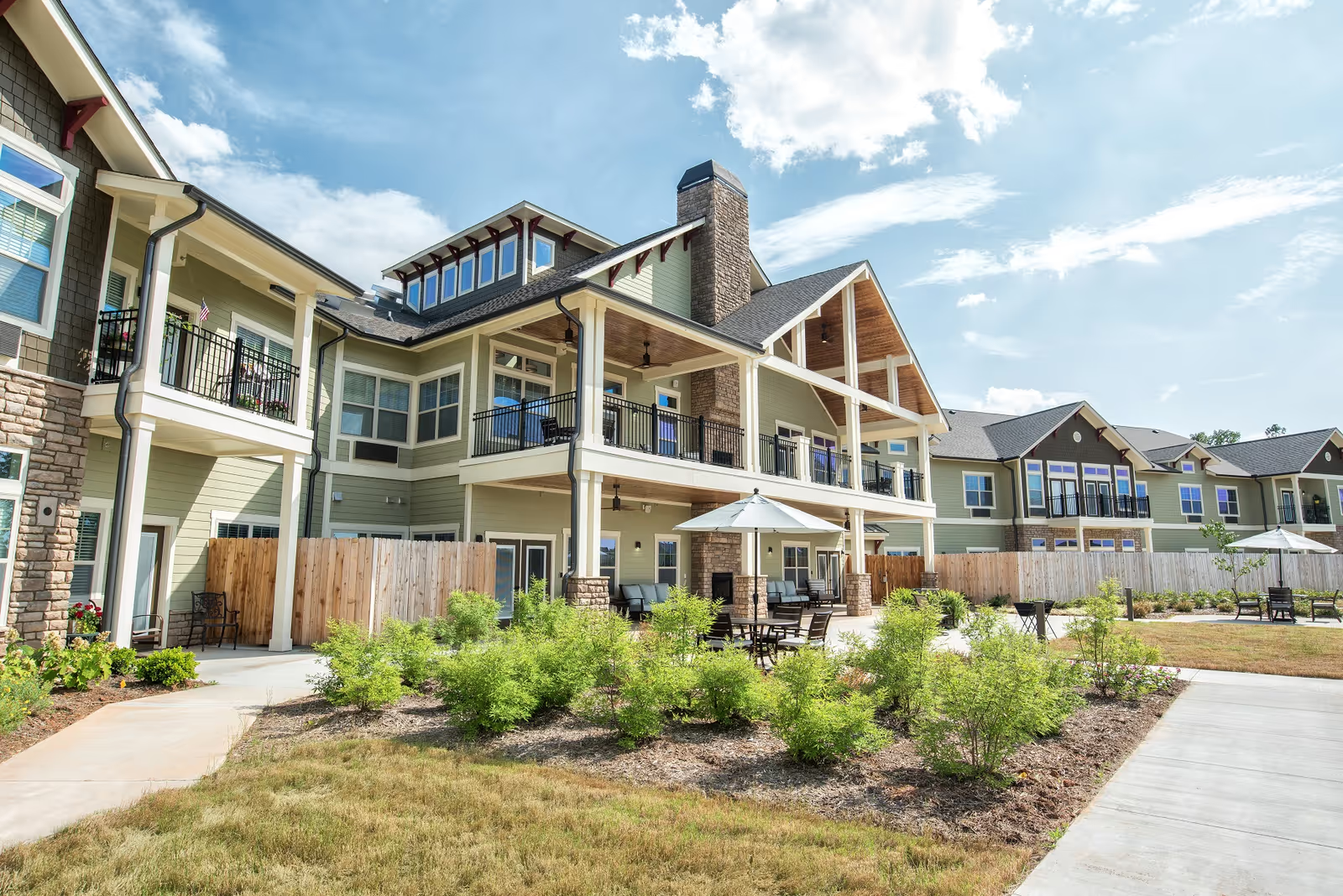
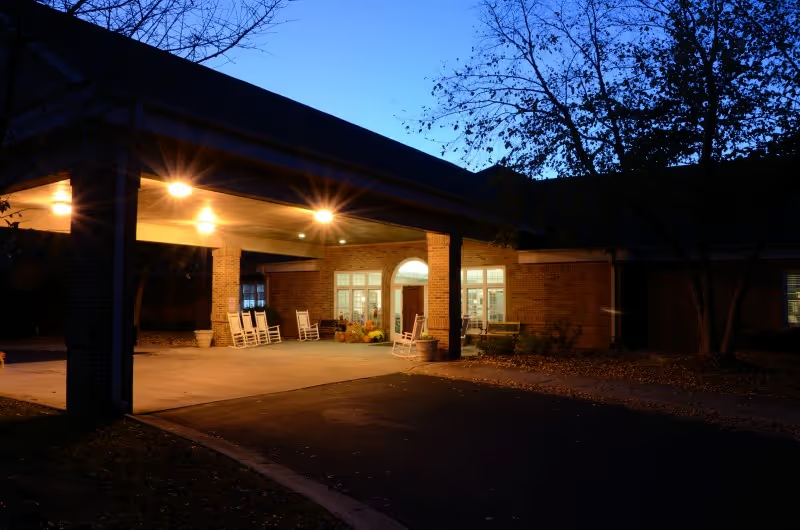
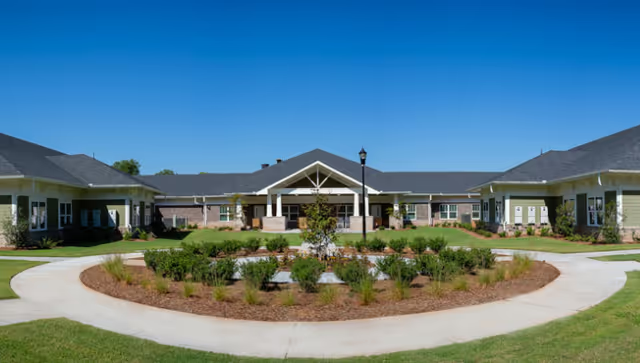
North Pointe presents as a small, family-oriented assisted living community with many strengths and a consistent core of positive experiences. The facility is frequently described as clean and well-maintained, with attractive common areas (patios, music room/piano, dining room) and a variety of comfortable apartment layouts. Leadership and long-term staff are often singled out for compassionate, resident-focused care; families commonly describe personalized attention, strong end-of-life/hospice support, and staff who go above and beyond in crisis situations. On-site clinical resources—such as a nurse practitioner and an in-house pharmacy—along with proactive infection-control practices (including COVID testing) are notable operational strengths.
Dining and activities are prominent positive features. Many families praise an engaged dietary team that accommodates special diets (soft, dairy-free, alternative entrées) and delivers appealing meals; several reviewers call the kitchen a major asset. The activity program is broad and active, including social, spiritual, and off-campus outings, field trips, entertainment, and exercise options; this programming contributes to high resident participation and social engagement for many residents. Housekeeping and routine services are also frequently cited as responsive, creating a homelike atmosphere for residents.
Despite these strengths, the reviews reveal recurring operational concerns that prospective families should weigh. Staffing consistency and turnover emerge as a central issue: transitions to newer hires sometimes correlate with reduced engagement, uneven performance, and gaps in day-to-day supervision. Related to staffing variability, reviewers describe uneven dementia-care support and supervision in memory care; there are also reports indicating variability in fall-prevention practices and supervision levels. Medication-administration processes are another pattern-level concern, with mentions of timing errors and mixups that point to opportunities for stronger medication controls and cross-check procedures.
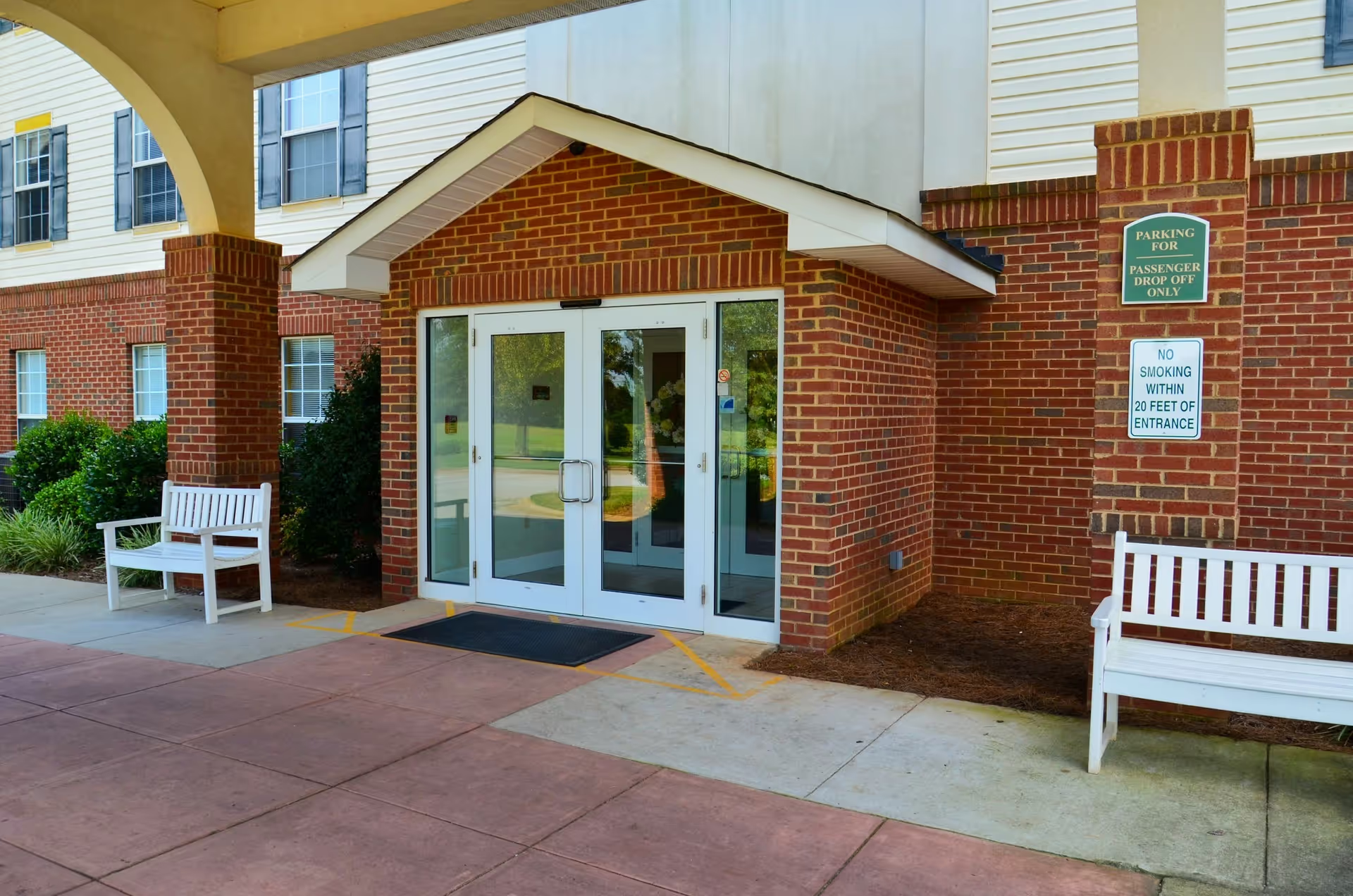
Communication and administrative follow-through are mixed. While many families praise specific administrators and direct-care staff for responsiveness, others cite delayed callbacks, inconsistent notifications after incidents, and billing or refund delays that required escalation. Maintenance and facility operations are generally satisfactory but occasionally inconsistent—examples include unresolved minor repairs, entry-door sensor issues, and sanitation or odor concerns in specific areas. Personal-item handling and laundry processes have produced recurring complaints about misplaced clothing or linens, suggesting weaknesses in inventory tracking and handoff protocols. Finally, while the activity calendar is broad, reviewers note that inclusion for less-mobile residents can be limited and that meal quality and service consistency vary across shifts.
In sum, North Pointe appeals strongly to families seeking a smaller, community-oriented assisted living option with active programming, flexible dining, and hands-on staff. The facility’s advantages include its engaged leadership, clinical supports on site, and robust activity and dining programming. At the same time, prospective residents and families should assess operational consistency—particularly staffing stability, memory-care supervision, medication processes, communication practices, and entry/access controls—during tours and conversations with management. Asking specific questions about staff ratios, staff training for dementia care, medication-administration protocols, communication expectations after incidents, and how personal items and billing issues are tracked will help clarify fit for an individual resident’s needs.