Across the collected summaries, The Garden House of Anderson consistently receives strong praise for day-to-day caregiving, the dementia-focused memory-care program, and the community’s social programming. Families and visitors describe staff as compassionate, attentive, and family-oriented; memory-care coordination is frequently highlighted as a strength. Reviewers commonly note a broad schedule of activities—exercise classes, musical entertainment, outings to restaurants and towns, crafts, games, and regular spiritual services—which appears to support resident engagement and social well-being.
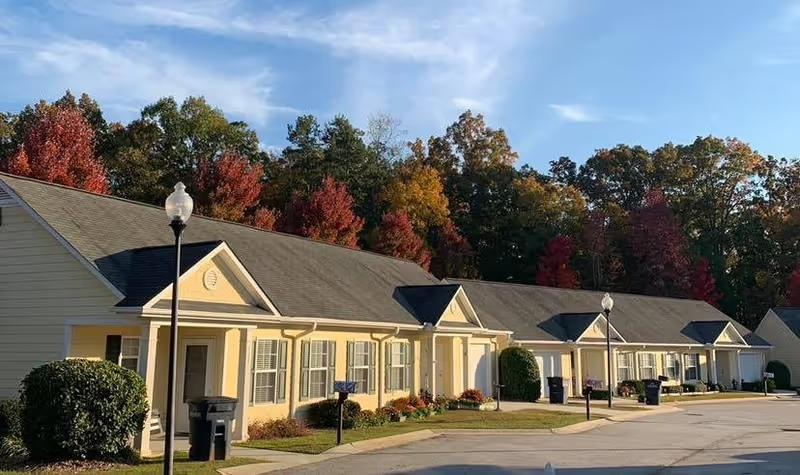
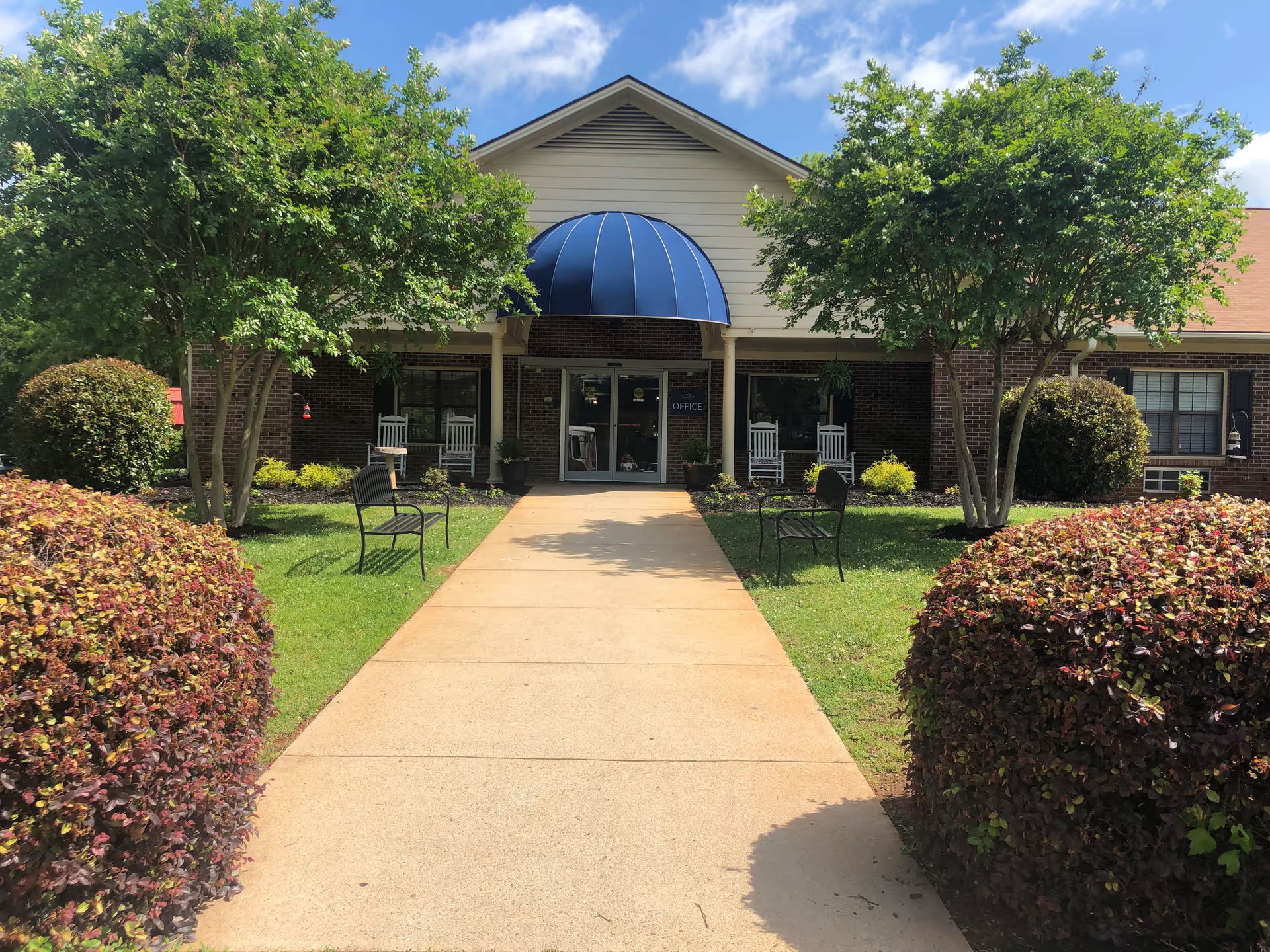
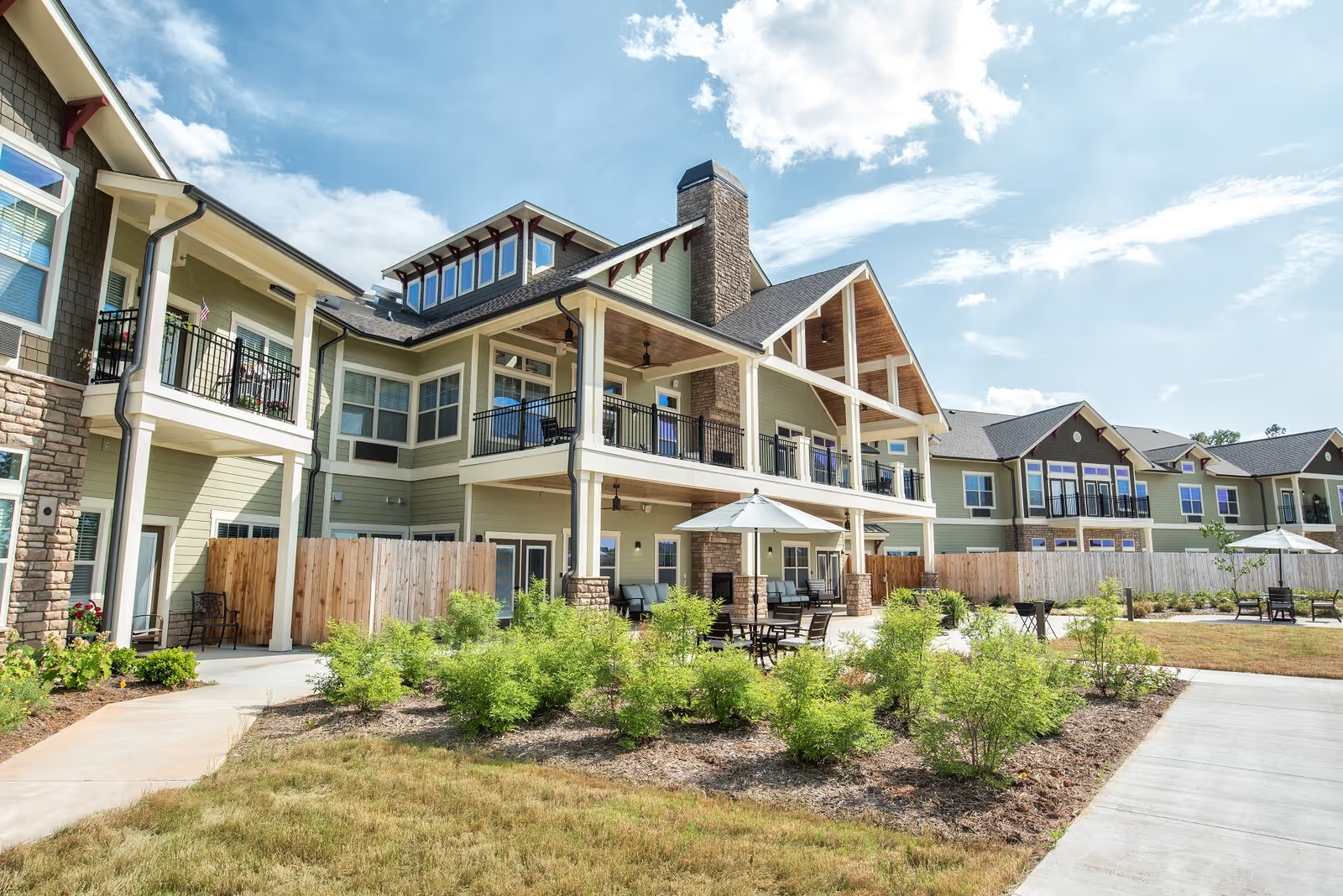
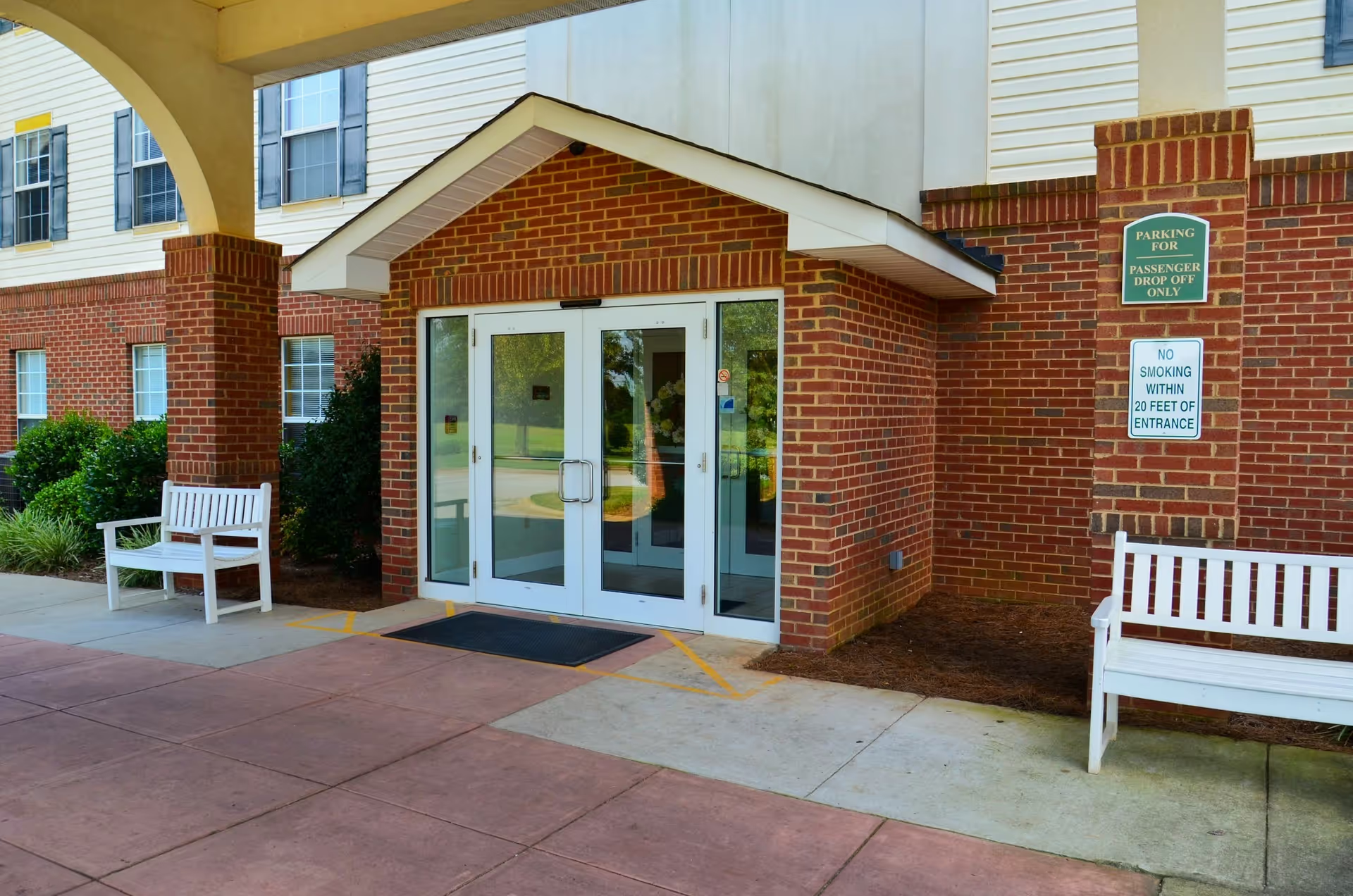
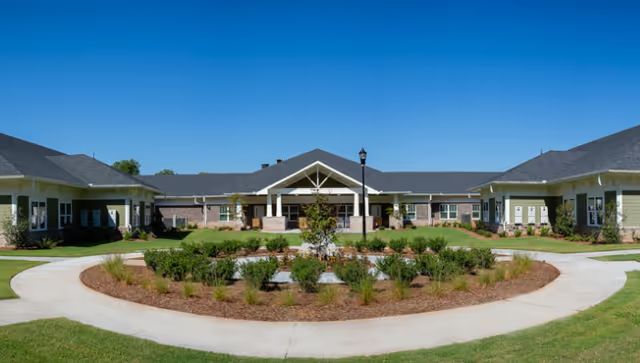
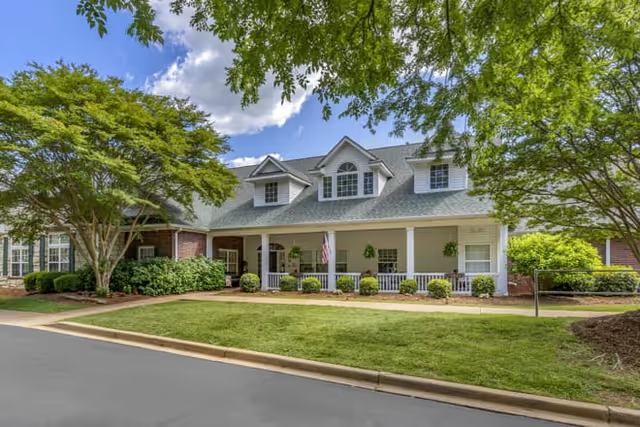
Dining and accommodations are another repeated area of positive feedback. Multiple accounts describe varied menus, willingness to honor dietary preferences, and well-liked meals prepared by a noted chef. Suites and apartments are described as spacious, well-appointed, and home-like, often with kitchen areas and cheery common spaces. The facility’s cleanliness, attractive grounds, and on-site amenities (chapel, transportation van, and communal dining areas) contribute to an overall impression of a well-maintained community that many families characterize as providing peace of mind.
Operationally, administrative and clinical support receive generally favorable comments: admissions staff, front desk personnel, and office responsiveness are often described as helpful, and low employee turnover is cited as contributing to consistency of care. Reviewers also praise personalized care plans, family involvement in care, bereavement outreach, and the facility’s willingness to assist with transitions from other levels of care.
Notable patterns of concern appear alongside the positive feedback. Cost and availability are recurring constraints—several summaries cite a higher price point than nearby alternatives and limited openings, which affects access and perceived value. A smaller number of reviews raise more substantive operational issues: inconsistent management responsiveness or communication in certain situations, and concerns related to staffing levels or staff-to-resident ratios (including an allegation of noncompliance). There are also comments indicating gaps in medication handling and record-keeping and isolated instances of disappointing boxed or packaged meals, suggesting variability in meal-service continuity.
For prospective residents and families, the balance of comments suggests The Garden House is strong in person-centered dementia care, resident engagement, and facility upkeep. During a visit, families may wish to confirm current pricing and availability, review staffing ratios and on-shift staffing patterns, ask about medication-administration policies and documentation practices, and sample dining options. Clarifying emergency communication protocols and management accessibility can help address the intermittent concerns that appear in some summaries. Overall, the community is consistently described as warm and well-appointed, with particular strengths in memory-care programming and staff–resident rapport, tempered by operational and cost considerations that merit direct inquiry during touring and contracting.