Overall impression: Reviews present a mixed but largely positive picture centered on the staff and the community feel. Many families emphasize compassionate, hands-on caregivers, a welcoming, home-like environment, and a clean, bright facility with well-maintained outdoor space. The community is frequently described as socially active, with residents forming friendships and participating in outings and worship services. Admissions and tour experiences are often noted as smooth and informative, and cost is frequently cited as reasonable relative to perceived value.
Care and staffing: Strengths include an attentive caregiving culture, individualized attention in many cases, and available hospice support when needed. However, a recurring operational issue is staffing instability — reviewers cite inconsistent staffing levels and turnover that can lead to delays in assistance and variability in day-to-day care. Several families expressed concern about the facility's capacity to manage higher-acuity memory-care needs; reviewers described gaps in targeted memory-care training and uneven readiness for advanced cognitive impairment cases. Family communication is also variable: some families report proactive updates and strong communication, while others describe limited clinical updates or inconsistent follow-through from nursing leadership.
Dining and activities: Dining impressions are mixed. While some residents and families praised the food and were invited to sample meals during tours, a number of reviewers described limited menu variety, frequent processed items, and a lack of fresh produce or balanced options. These comments point to inconsistent meal quality and nutrition. Activity programming likewise shows variation: many reviews highlight engaging, well-designed activities and regular outings, but others describe days with minimal engagement and residents spending long periods watching television. This suggests the strength of programming can depend on staffing, scheduling, or resident mix.
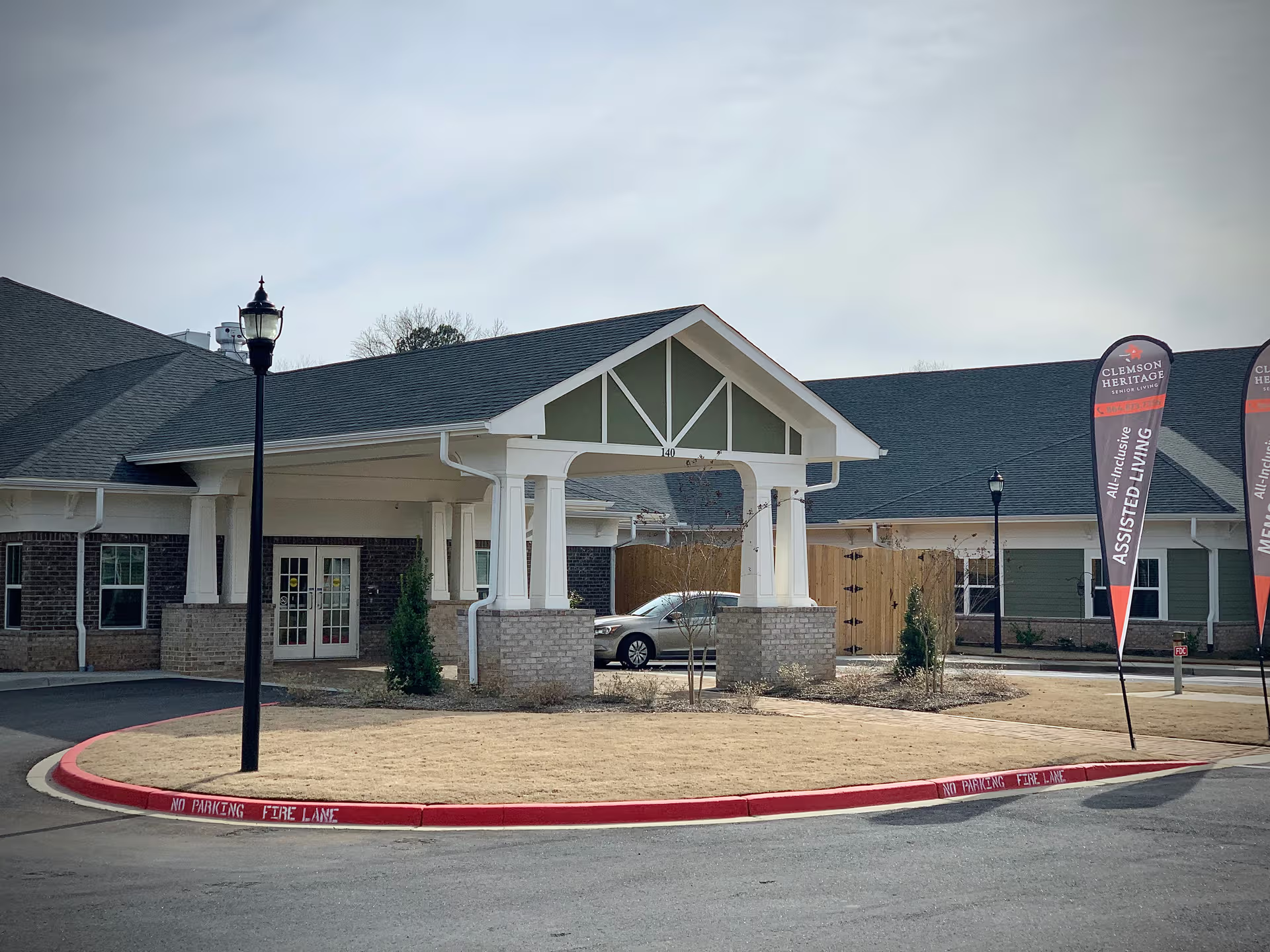
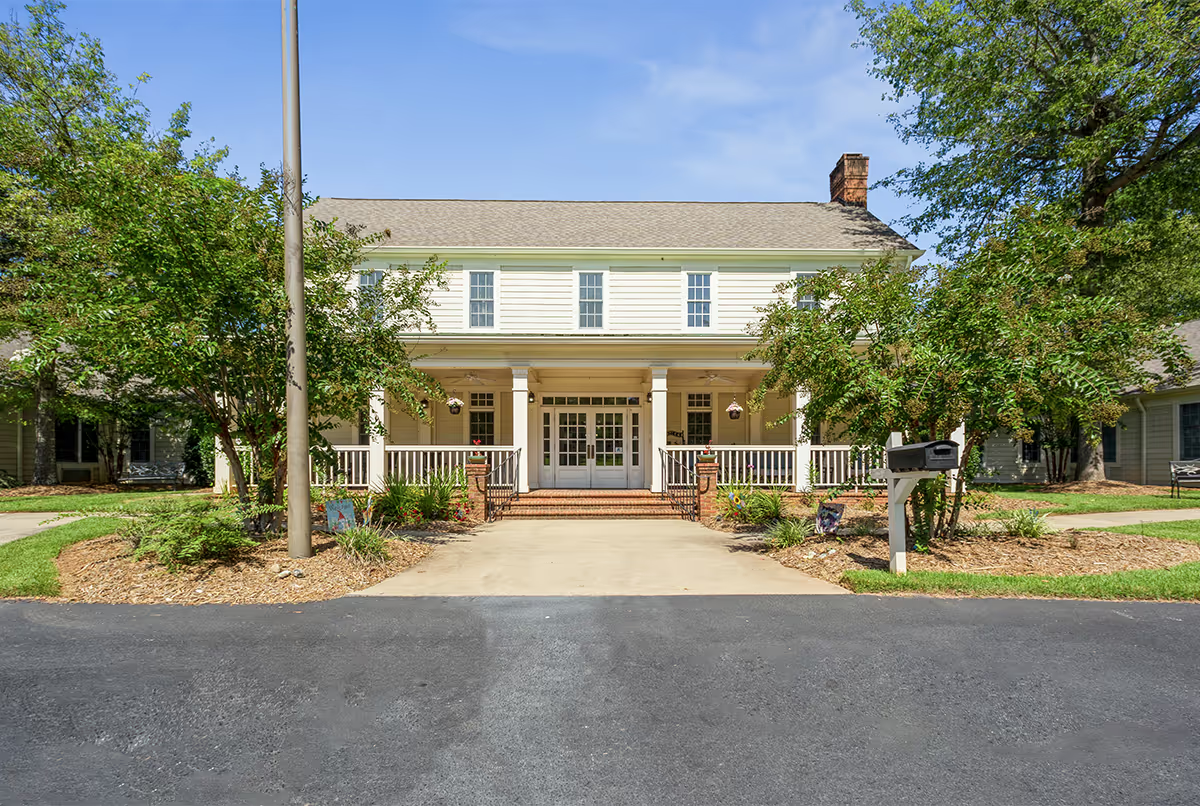
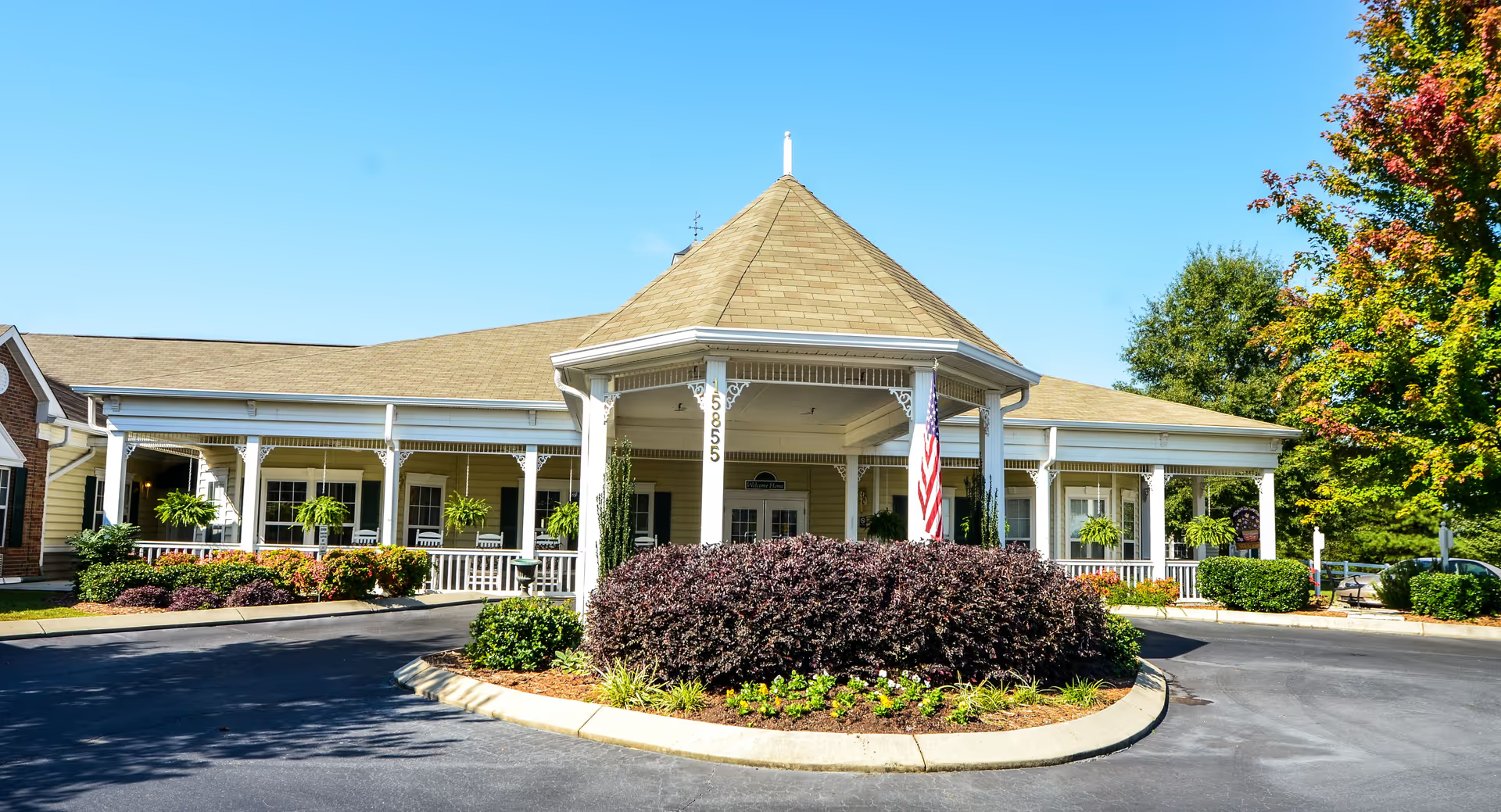
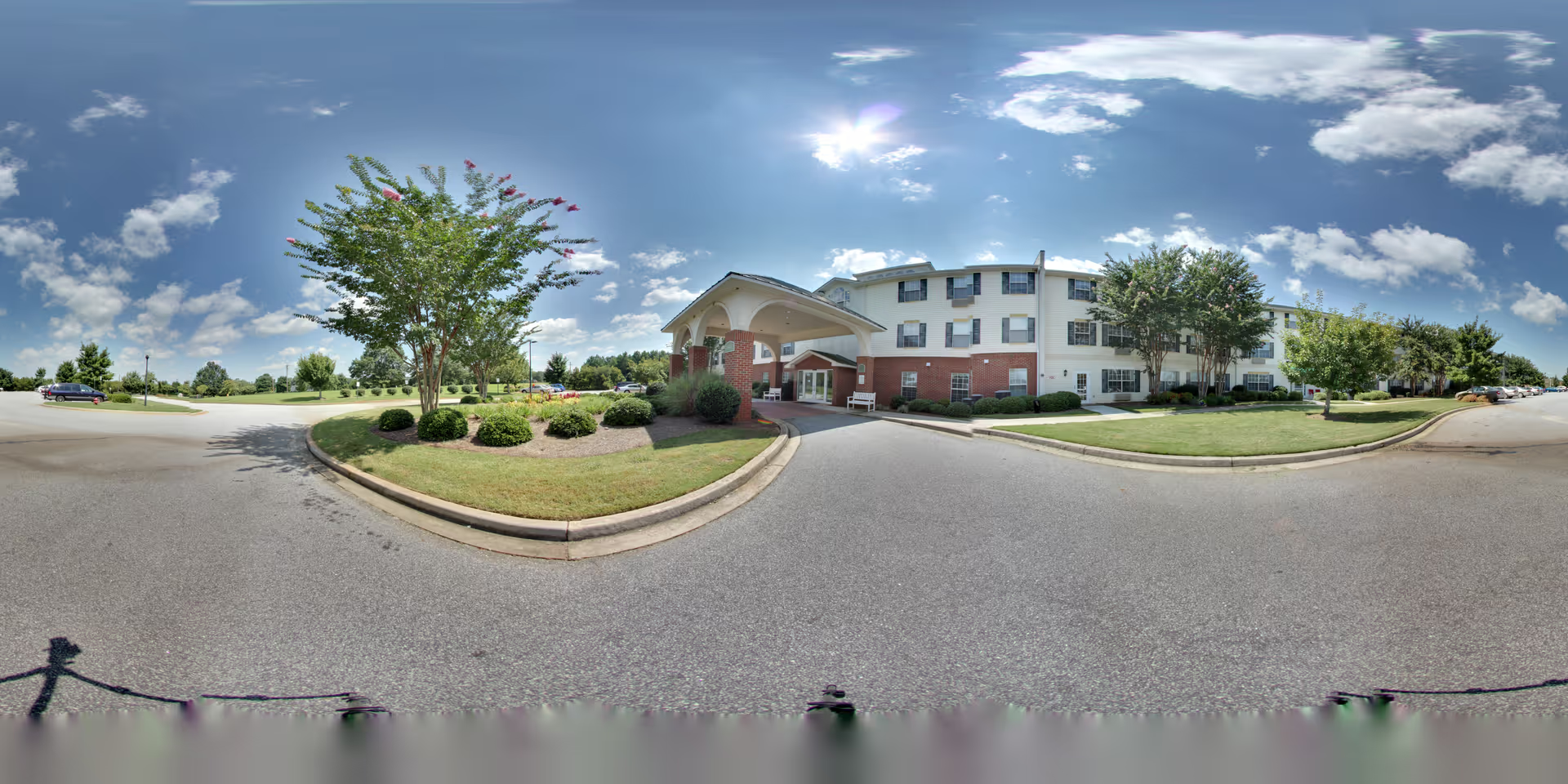
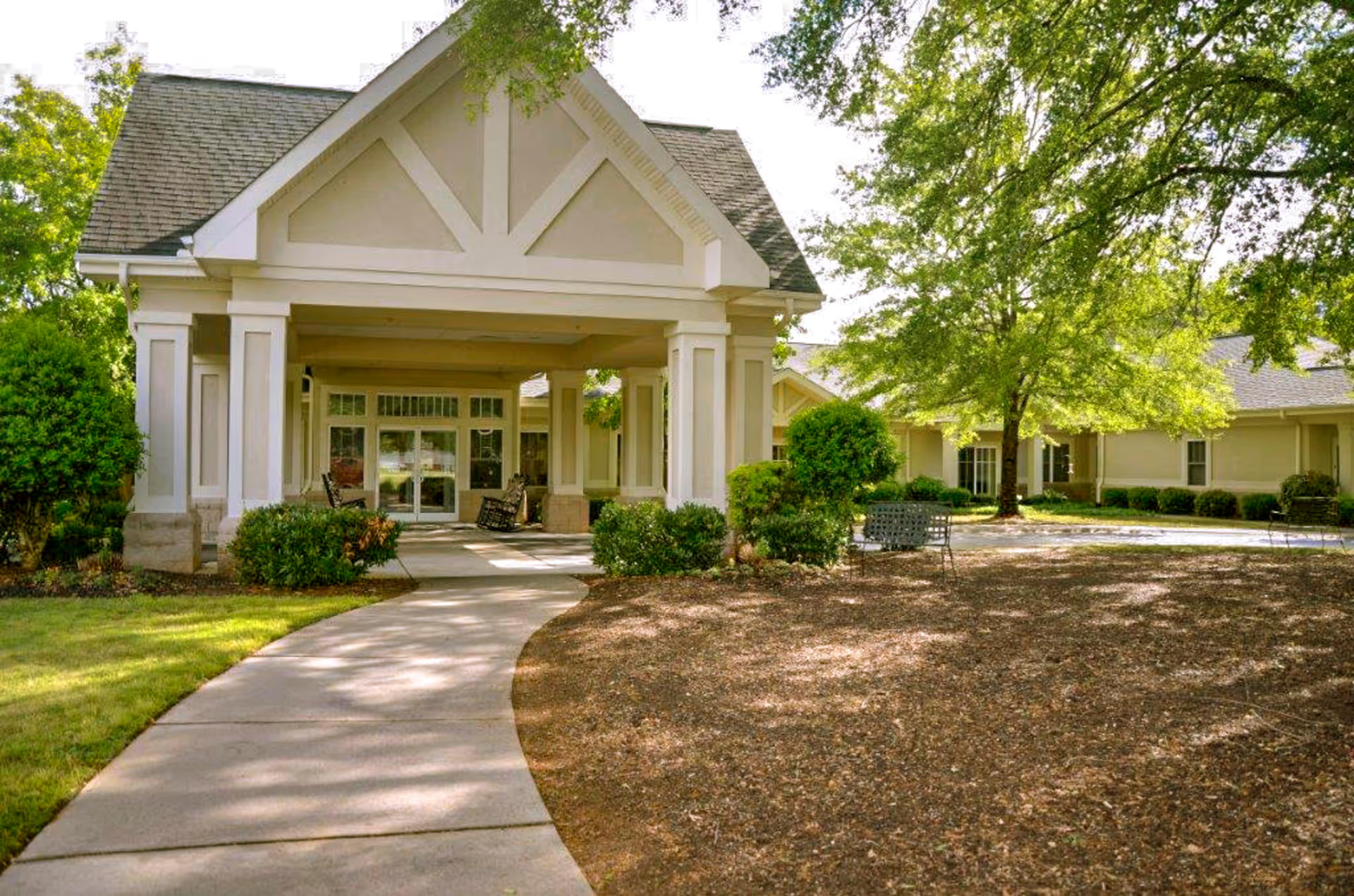
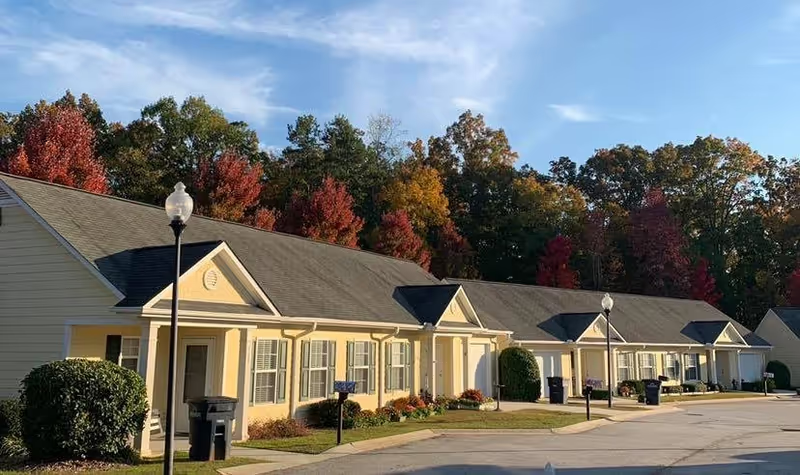
Facilities and safety: The physical environment is repeatedly identified as a positive — bright, clean, and welcoming, with comfortable room sizes and a homelike atmosphere. Infection-control practices were noted positively by some families. At the same time, operational safety features show room for improvement: reviewers mentioned missing or inconsistent call-button setups in resident rooms, which indicates a potential safety-operations gap that the community should address.
Management and policies: Administrative interactions during admissions and tours are often praised for being warm and helpful. Nonetheless, some reviewers describe declining standards over time, management follow-through issues, and communication lapses when concerns arise. Short-stay and respite policies also drew criticism for minimum-stay requirements and related billing practices that some families found inflexible.
Notable patterns and guidance for prospective families: The strongest and most consistent asset is the caregiving culture and community atmosphere; families seeking a warm, home-like assisted living environment at a reasonable price are likely to find many positives. Key areas to investigate during a tour or meeting: current staffing ratios and turnover, specific staff training in memory care, sample menus and nutrition plans, the activity schedule for typical weekdays, room-level safety features (including call systems), and respite or short-stay policies. Asking for recent examples of staff continuity, care-plan communication practices, and how the community addresses nutrition and activity gaps will help determine fit, particularly for residents with higher-care needs or cognitive impairment.