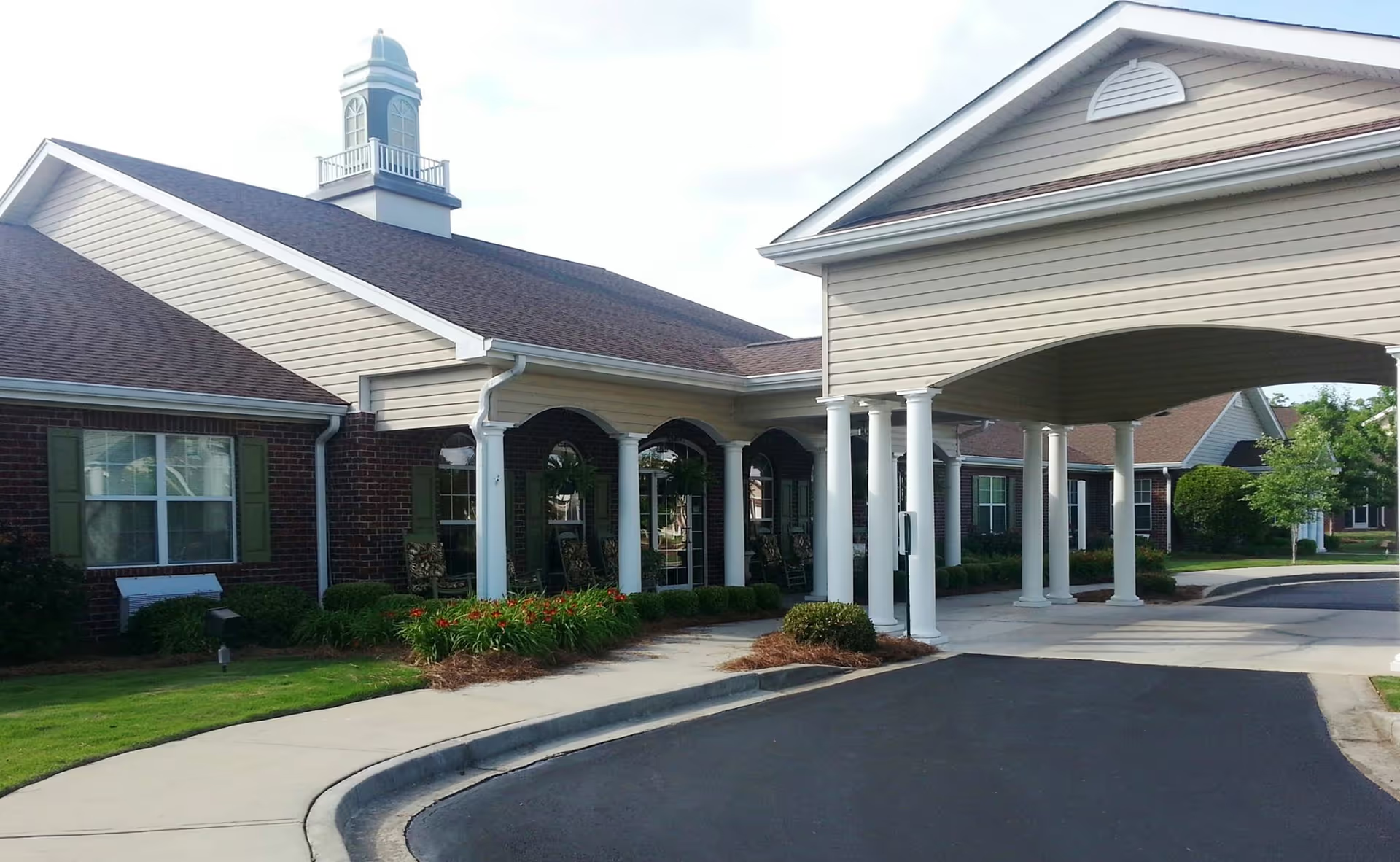
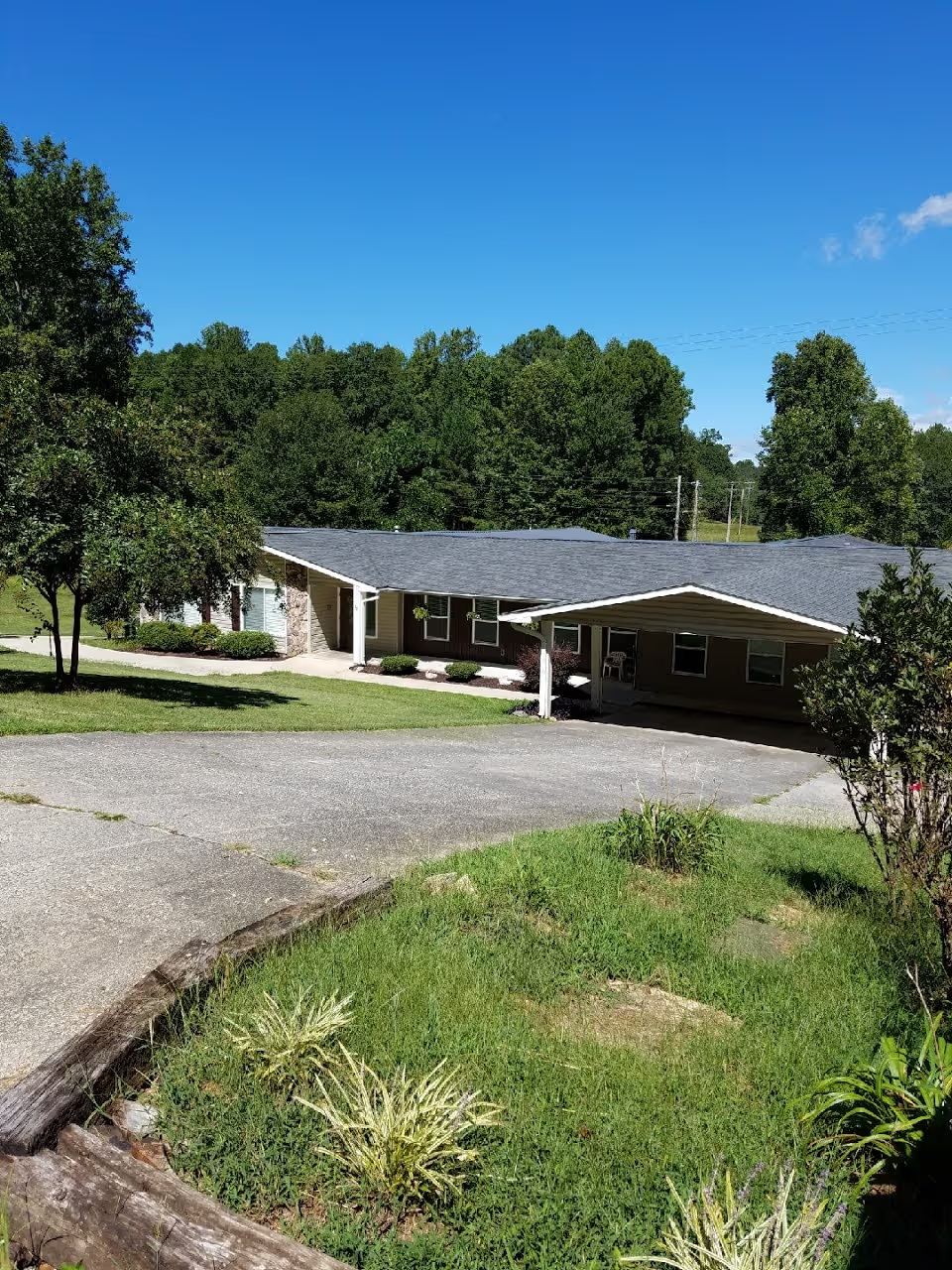
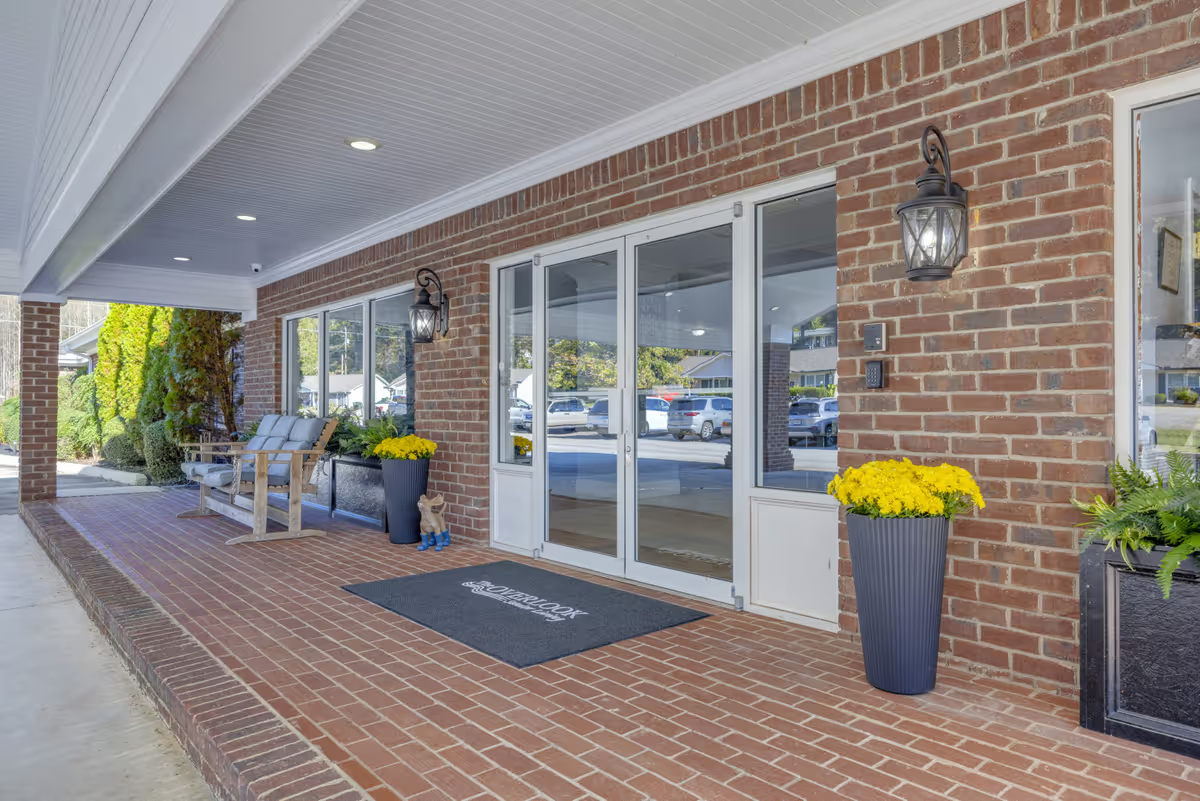
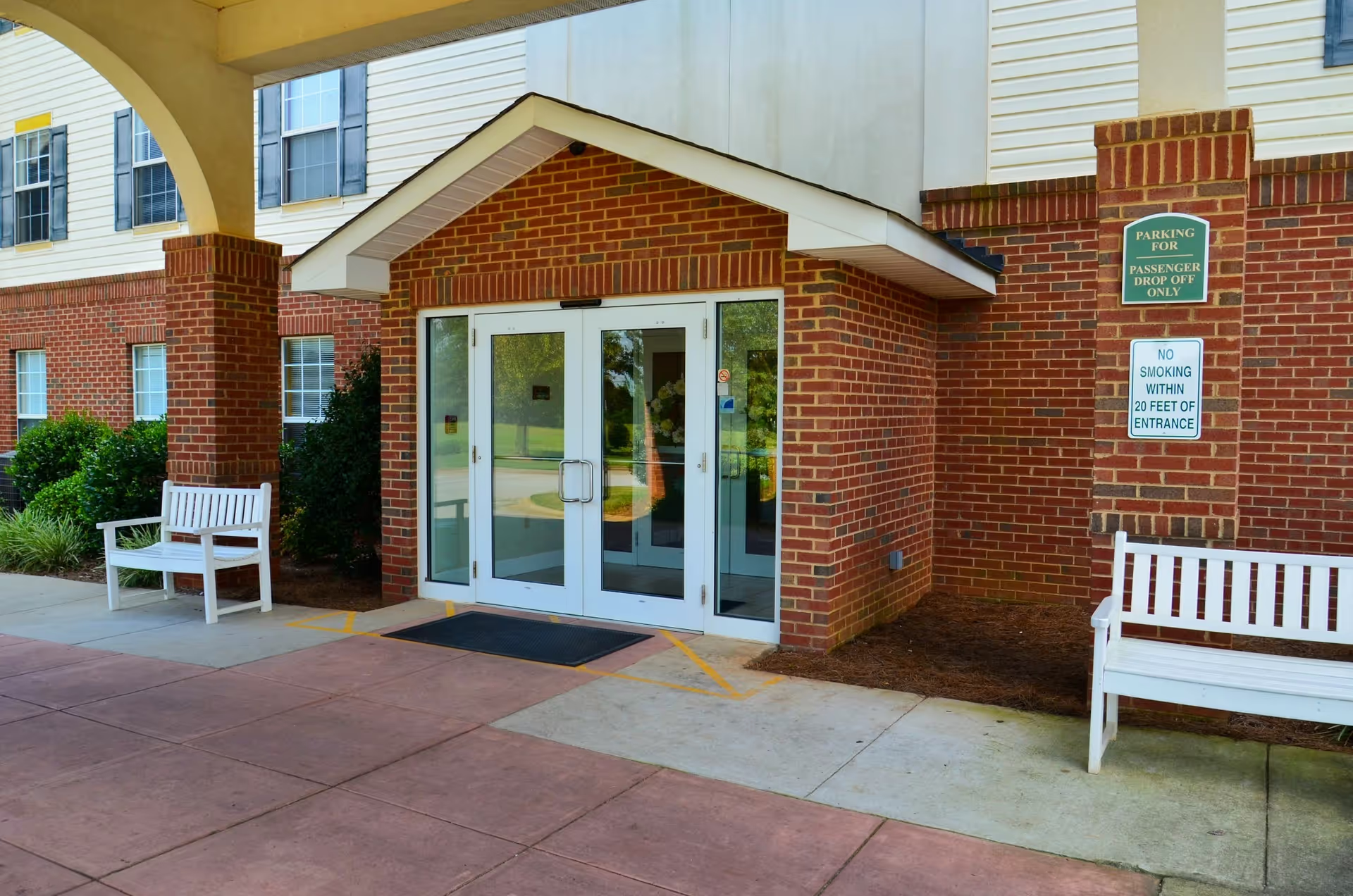
The Oaks at Seneca presents as a generally well-maintained, community-oriented assisted-living option with many strengths noted by families. Common positives include a bright, home-like atmosphere, recent renovations, tidy interiors, accessible apartment options, and pleasant outdoor grounds. Many families praised individual caregivers for being compassionate, attentive, and proactive; staff are frequently described as responsive to family communication and supportive during hospital transitions. The community offers an active social program with on-site activities, holiday events, outings, and transportation to appointments, and the dining program is often called out for strong breakfasts and a dedicated kitchen team.
Care quality and staffing show a mixed picture. Numerous reviews highlight frequent staff interactions, hands-on caregiving, and improvements in staff quality under recent leadership; conversely, recurring operational concerns point to inconsistent staffing levels, high turnover, and reports of insufficient night-shift monitoring. These patterns translate into operational risks such as delayed responses after incidents and variability in personal-care routines. Reviewers also raised concerns about property controls and missing personal items; there are allegations in a few accounts that suggest family members should verify safeguards for residents’ belongings and ask about inventory and security practices.
Dining and activities are clear strengths in many accounts: organized activities (bingo, outings, school visits, singing, manicures) and a social calendar contribute to a lively community feel. At the same time, some families noted variability in lunch/dinner quality and occasional service delays; improved menu communication and more consistent meal-service timing were suggested. The facility provides practical supports such as transportation, laundry, and housekeeping, and staff assistance with transitions and finances has been positively received.
Facility amenities and operations are generally well regarded: updated apartments, diverse floor plans, hardwood floors favorable for mobility, and a pet-friendly policy. Operational issues reported include intermittent maintenance delays (supplies, plumbing) and occasional gaps in administrative transparency—specifically the need for clearer guidance on paperwork for medical appointments and the medication-change process. Management impressions vary widely across accounts: while some families describe proactive, communicative leadership, others perceive inconsistent responsiveness or priorities that emphasize business concerns. This variability suggests recent or ongoing leadership and staffing changes that affect family experience.
For prospective residents and families, the Oaks offers a welcoming, activity-rich environment with many compassionate caregivers and practical conveniences. To evaluate fit, visitors should ask detailed questions about current staffing levels and night coverage, procedures for monitoring and incident response, policies for safeguarding personal belongings, availability of memory-care or higher-acuity nursing services, and the facility’s process for communicating medication changes and required paperwork. Confirming the most recent management structure and requesting an activities calendar and sample menu can help set expectations for daily life and care continuity.