Overall impression: Harbor Cove Memory Care is described as a smaller, community-oriented memory-care facility with a strong emphasis on social programming and person-centered attention when staffing is adequate. Many families praise the activities program, routine live music and outings, and an environment that can feel warm and family-like. The facility's location near a hospital and its compact, residential scale are also frequently cited as advantages.
Care and staff: Caregiving staff are often characterized as compassionate, patient, and knowledgeable; several reviewers highlighted staff who went "the extra mile," showed humor and warmth, and built positive relationships with residents. Leadership at the unit level receives consistent positive mention for hands-on direction and team-building. However, a prominent pattern is staffing instability: shortages, turnover, and variable staff quality create inconsistency in day-to-day caregiving. Night-shift conduct and some shifts of floor staff were described as less professional, and families indicated that clinical coverage gaps (for example, an RN vacancy) have created additional coordination burdens.
Activities and dining: The activities program is a clear strength when staffed — reviewers note a wide range of engaging options (games, crafts, music, dancing), birthday and holiday events, and monthly lunch outings that support resident socialization. Families generally report that residents enjoy participation and adjustment to community life. Dining was mentioned positively in several accounts (special meals and event dining), and the facility supports respite stays; some families consider the cost justified by the programming and care received.
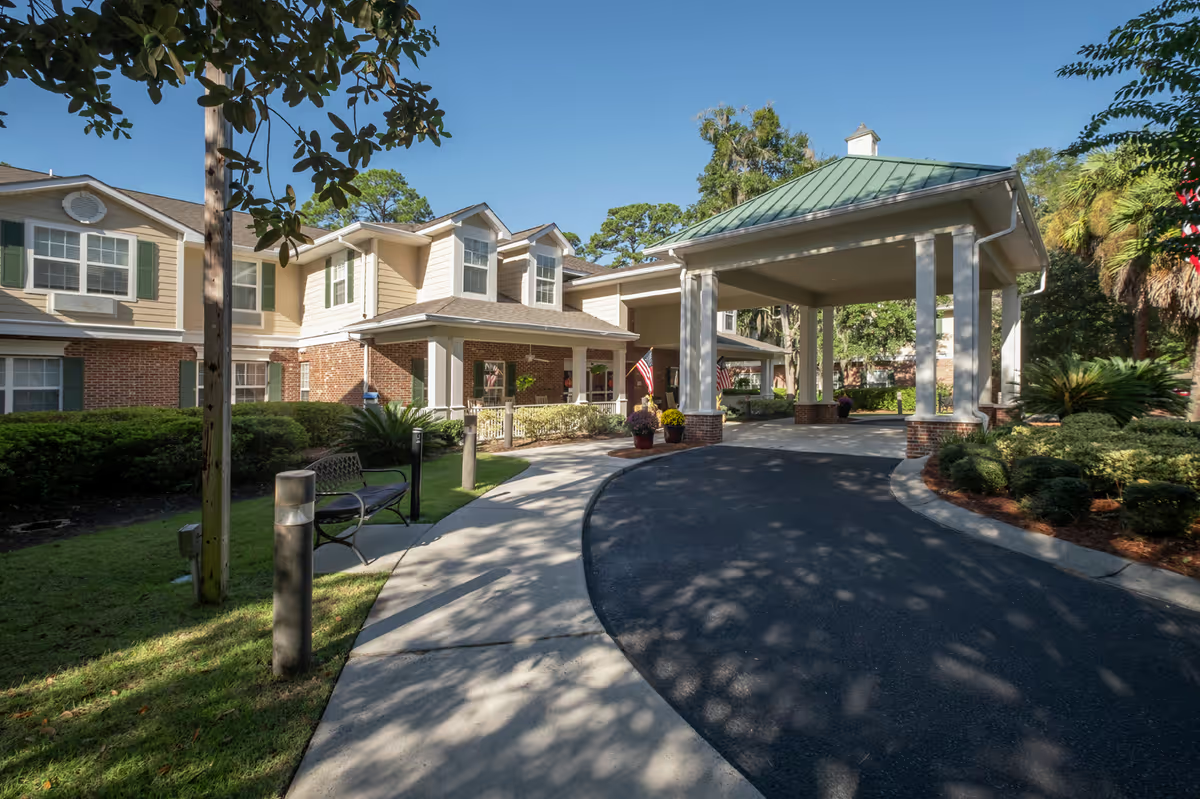
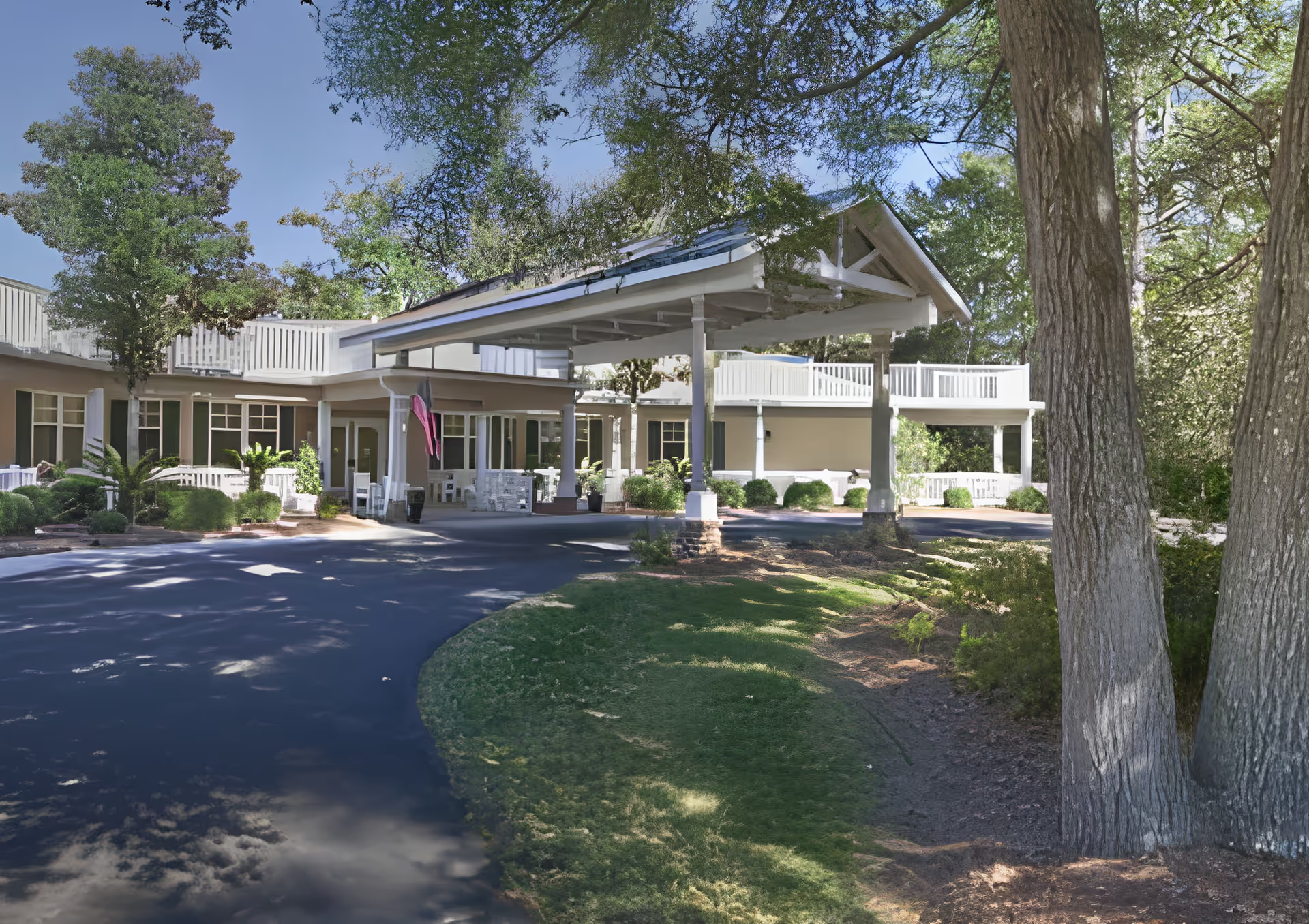
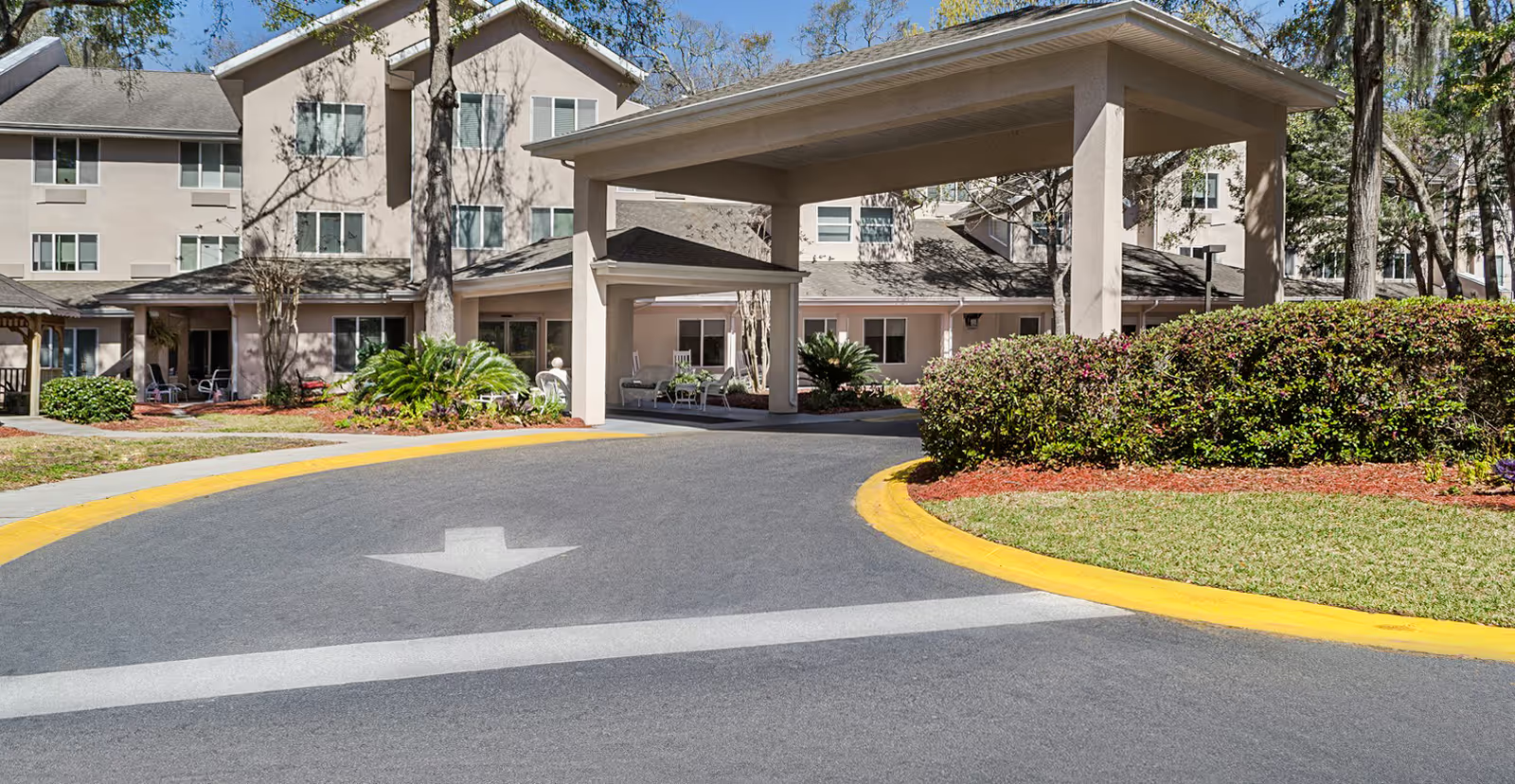
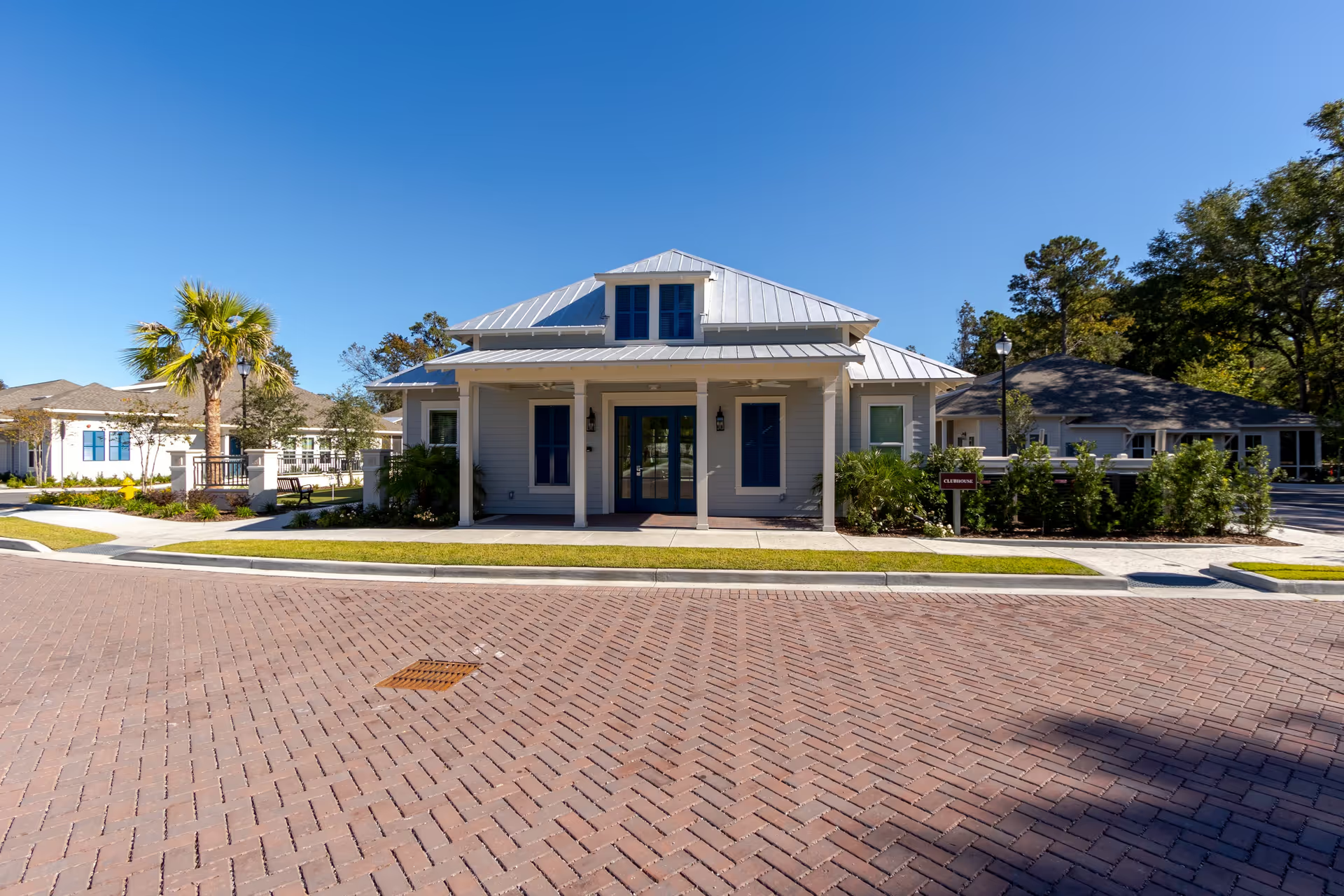
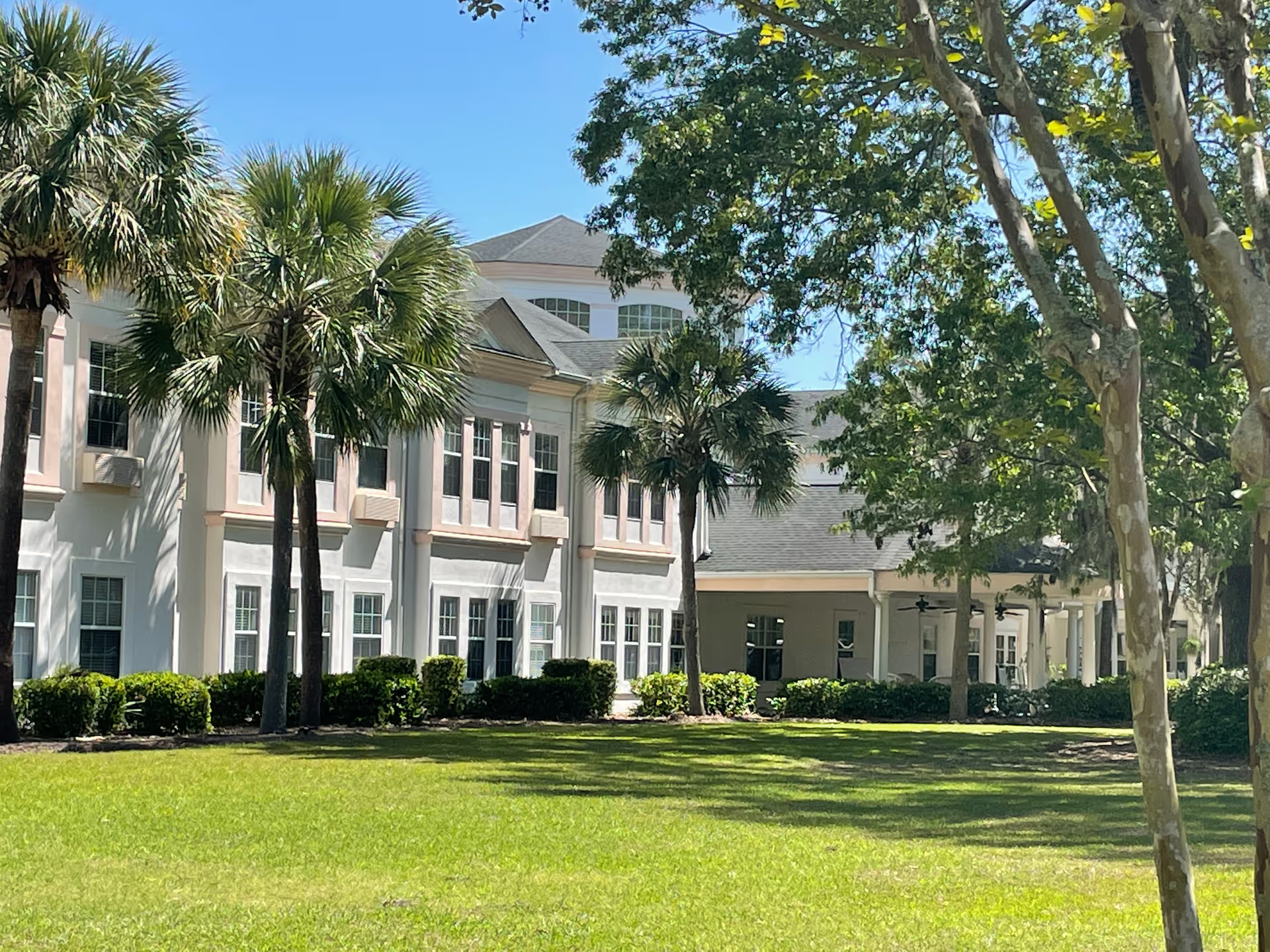
Facilities and cleanliness: The physical environment is usually described as well maintained and comfortable, with a layout that supports social interaction. At the same time, multiple reviewers raised sanitation and housekeeping concerns, including odor issues in common areas and inconsistent housekeeping attention. Laundry and personal-item management problems (missing or damaged clothing and personal supplies) were also raised as recurrent operational weaknesses that affect resident comfort and family satisfaction.
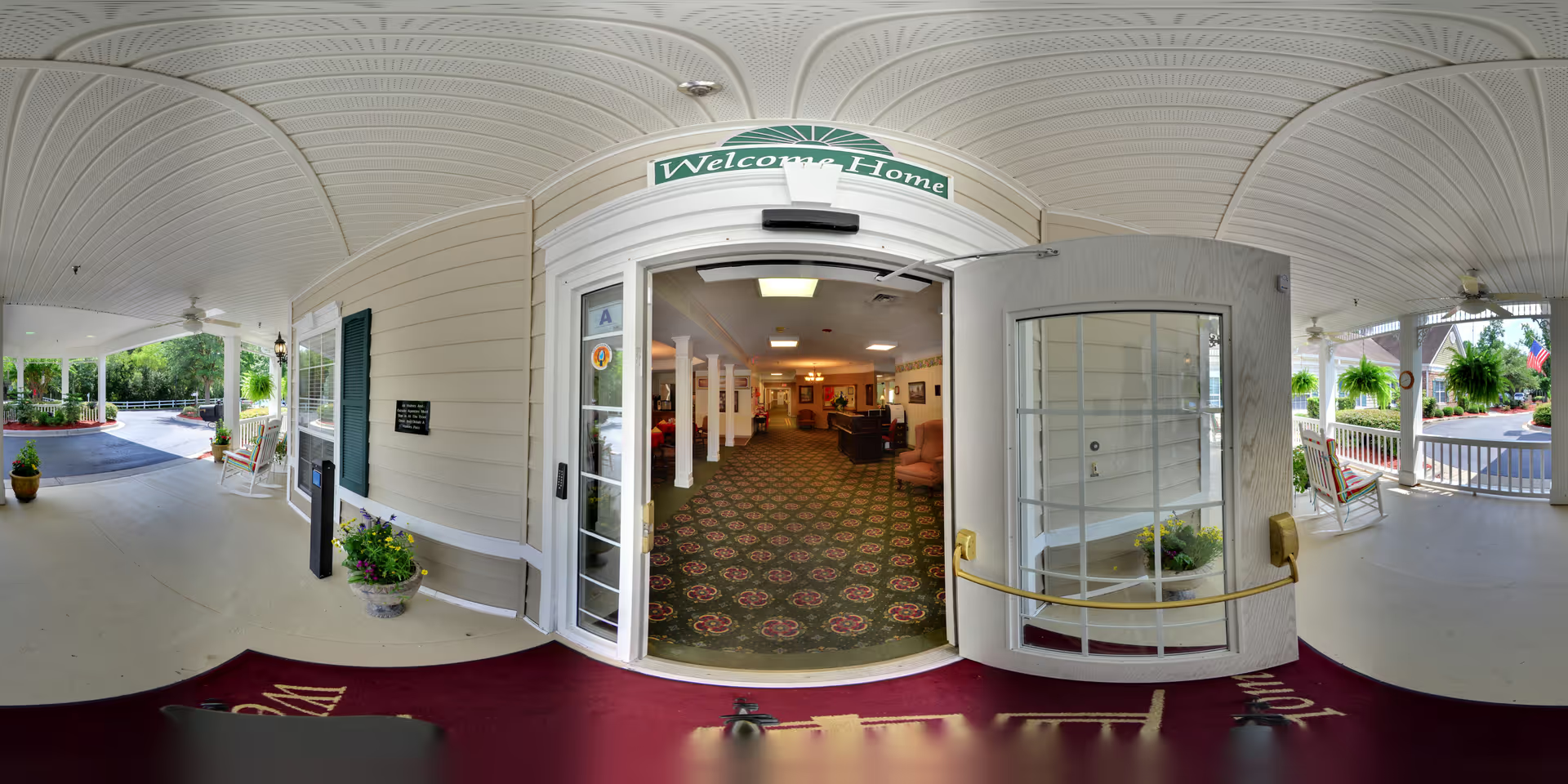
Management and communication: Management impressions are mixed. Several leaders and administrators are praised for clear, proactive communication and responsiveness, while other accounts describe variable responsiveness, delays in addressing concerns, and an occasionally brusque communication tone from specific administrators. Families reported entrance delays at arrival and reliance on electronic communications (email/text) that can exclude less tech-savvy family members. There is also an operational theme that executive workloads and ownership changes have at times strained quality-control and administrative follow-through.
Notable patterns and recommendations: The facility's strengths (engaging programming, warm caregiving relationships, small scale, and proximity to medical resources) make it a strong fit for families seeking active memory-care with a personable staff. The most consistent caveat is operational consistency: staffing shortages, turnover, housekeeping gaps, and variable management responsiveness create uneven experiences. Prospective families should evaluate current staffing levels, ask about clinical coverage and laundry/housekeeping protocols, and clarify preferred communication channels. Where families are able to remain actively involved or advocate on behalf of a resident, reviewers indicate that outcomes and satisfaction tend to be higher.