Overall impression: Oaks at Mt. Pleasant receives substantial positive feedback for its caregiving culture, social programming, and home-like environment. Many families describe the direct-care staff as compassionate, engaging, and personable; several reviews cited named staff and activities directors as key strengths. The facility’s memory-care focus and structured programs are viewed as important assets for residents with cognitive impairment, and families often note good communication, photo-sharing, and involvement opportunities.
Care and staff: Direct-care staff are the most consistent strength in these accounts. Reviewers frequently highlight staff warmth, individualized attention, and continuity that helps residents settle. On-site therapy and proactive clinical assessments are also praised. At the same time, reviewers point to operational gaps: staffing levels appear uneven, particularly outside normal daytime hours and on weekends, which reviewers link to reduced supervision, wandering, and falls. There are repeated comments about variable dementia-specific skill levels and higher turnover in some roles; a subset of families raised serious safety concerns and allegations related to memory-care handling, so prospective families should ask targeted questions about training, ratios, turnover, and incident history.
Dining and personal care: Dining impressions are mixed. Positive comments reference efforts such as improved cooks, catered events, and appealing live dining entertainment. However, recurring criticisms include bland or inconsistently warm meals, limited menu choices and condiments, and variability in feeding assistance or grooming support. Some families described examples of inconsistent meal presentation and assistance during dining, suggesting a need to verify meal plans, special-diet accommodations, and staff practices for dining-time support.
Activities and social life: The activity program is a clear strength when executed: reviewers mention a wide variety of offerings (nail care, flower arranging, high tea, live music, weekly outings, Montessori-style activities and hands-on projects). These opportunities contribute to a lively community atmosphere. That said, there are reports that scheduled activities are sometimes TV-centered, not consistently followed, or that nonverbal or less-mobile residents receive limited encouragement to participate. In short, programming is strong in design and variety but inconsistent in individualized delivery and follow-through.
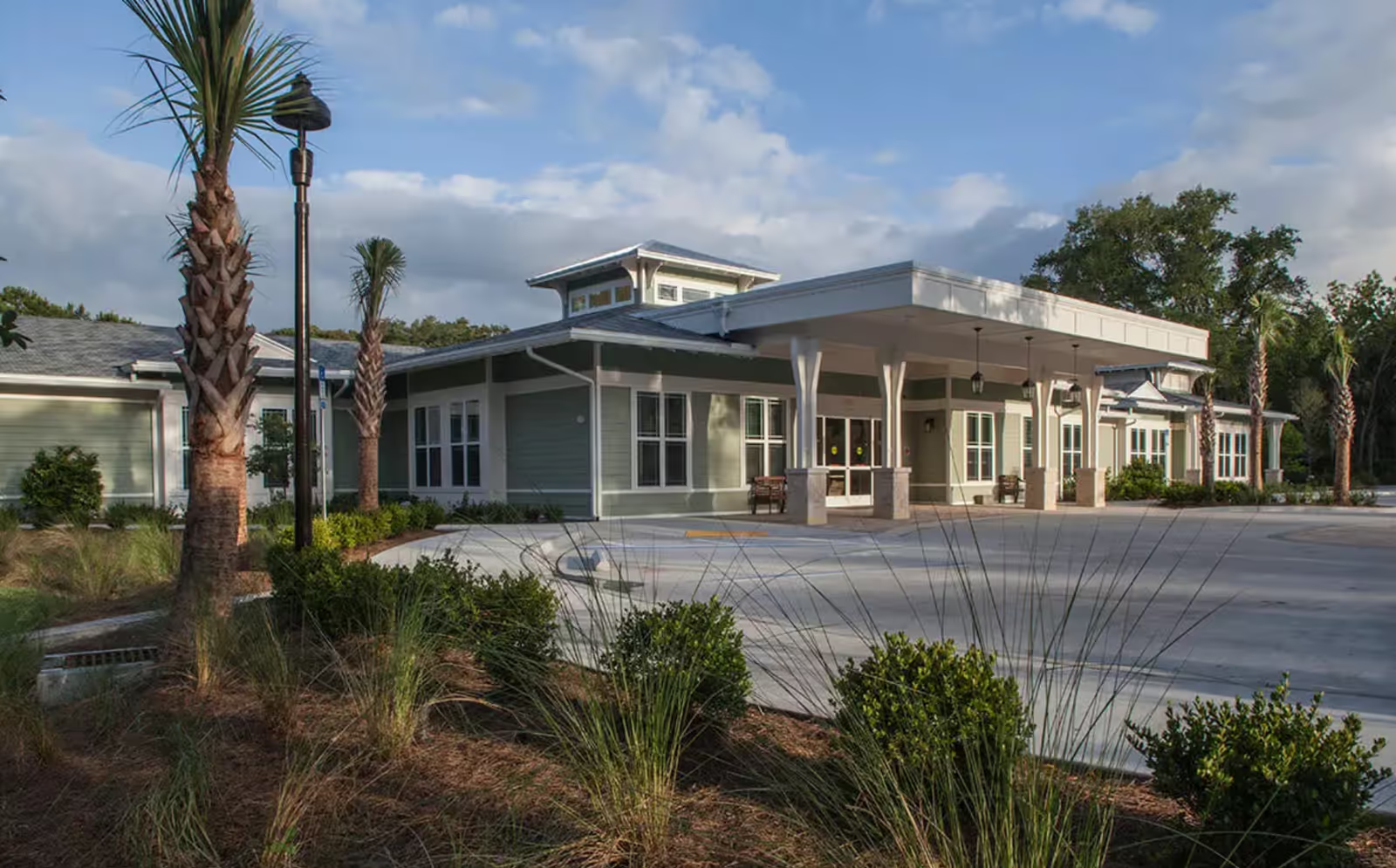
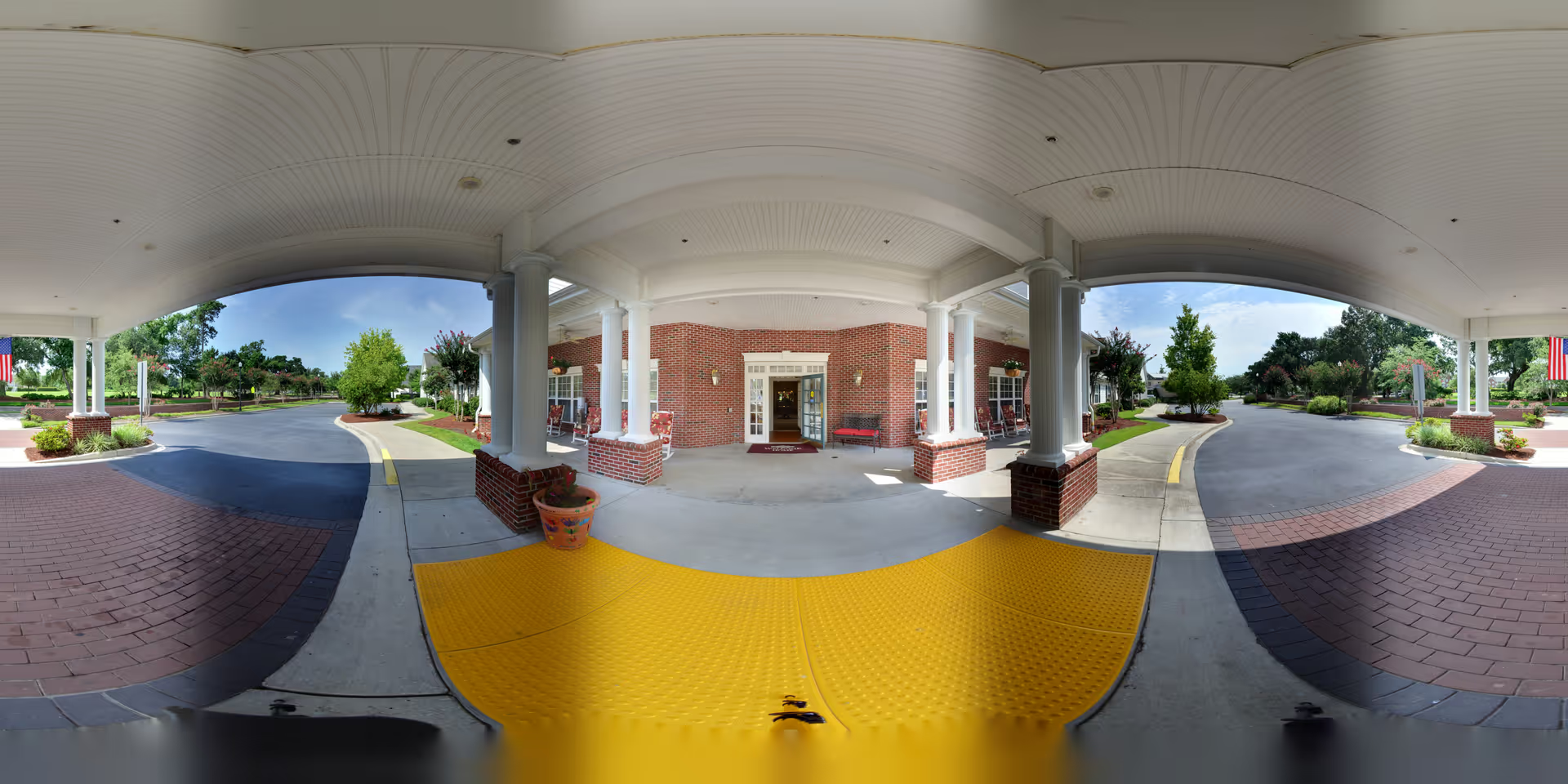
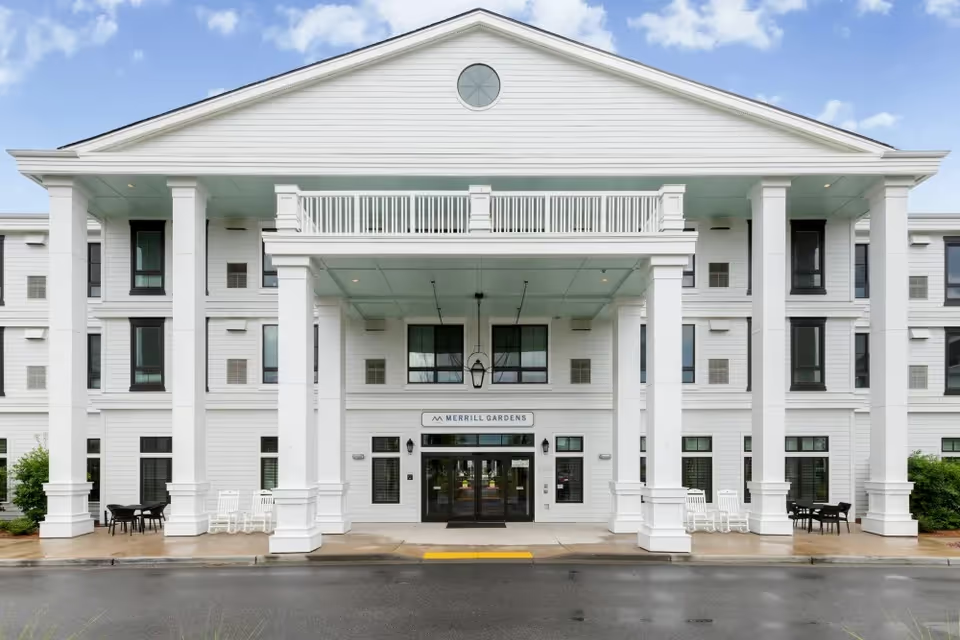
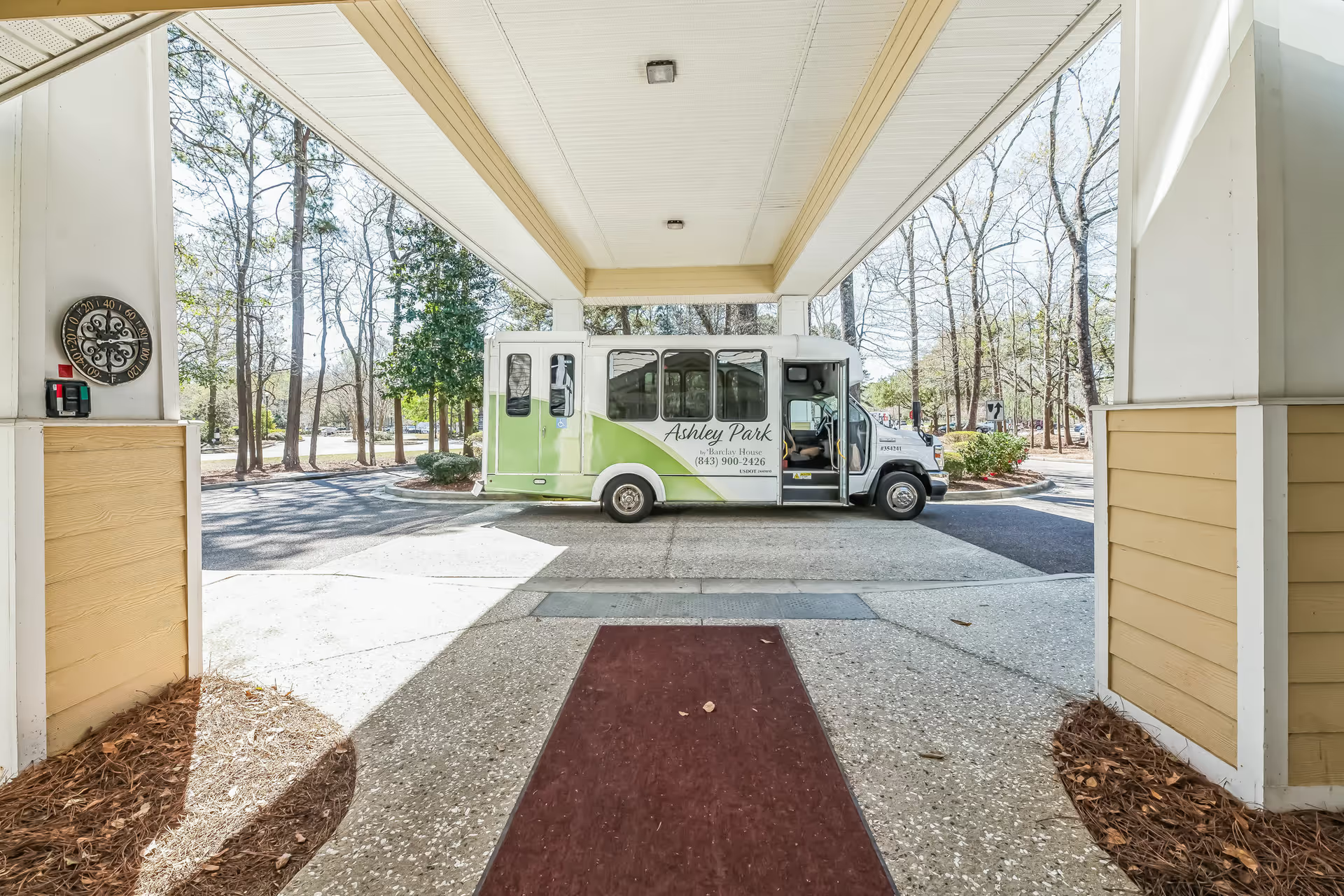
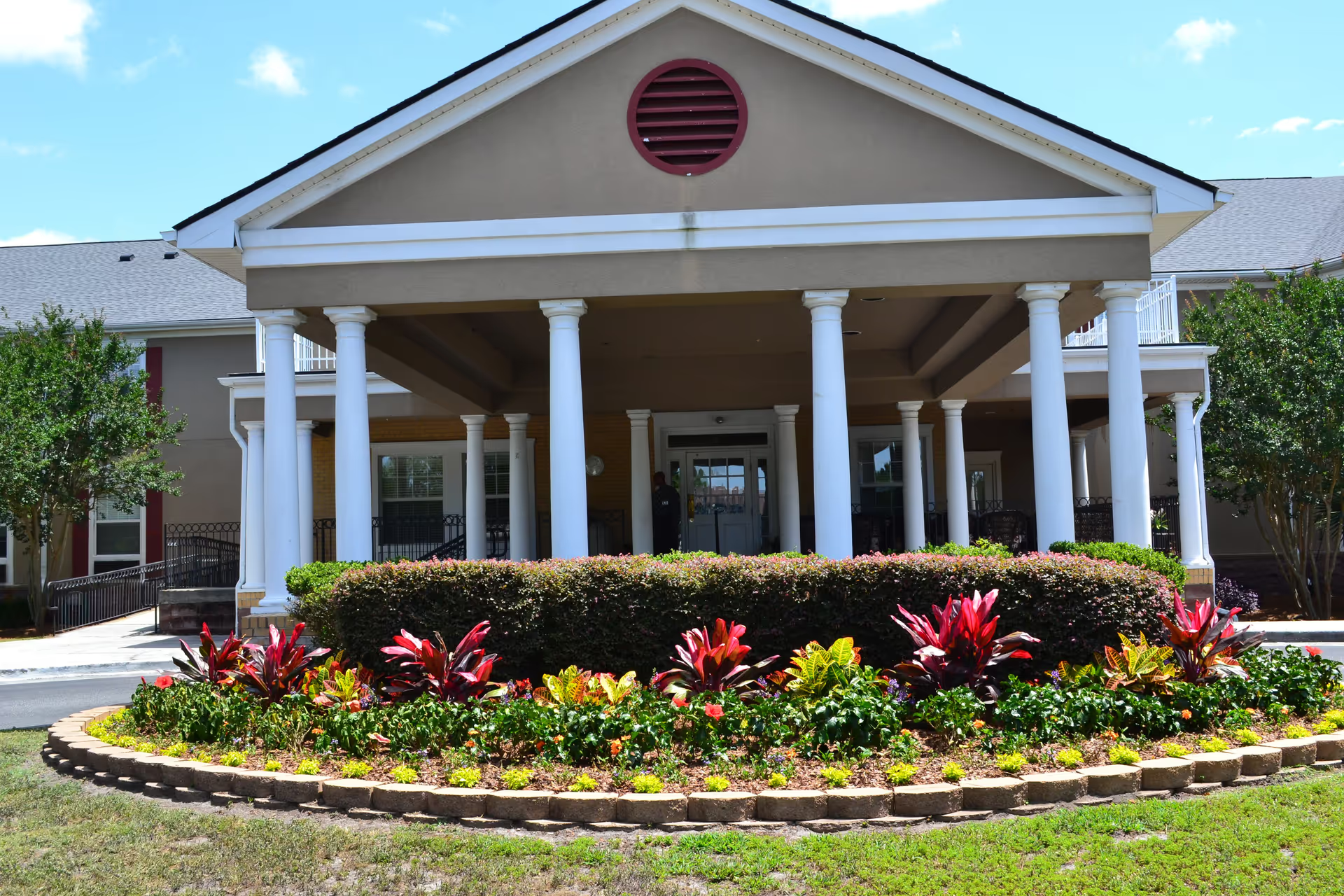
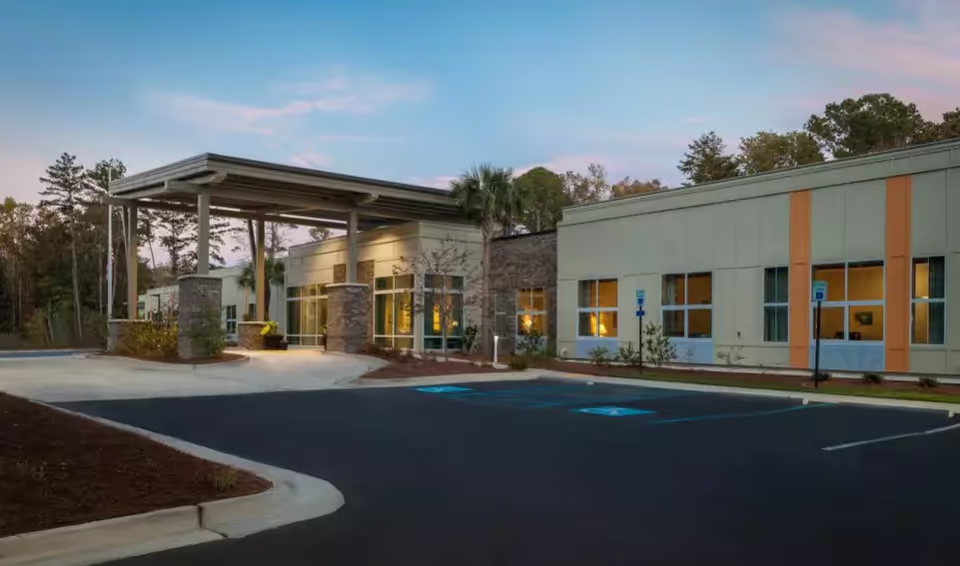
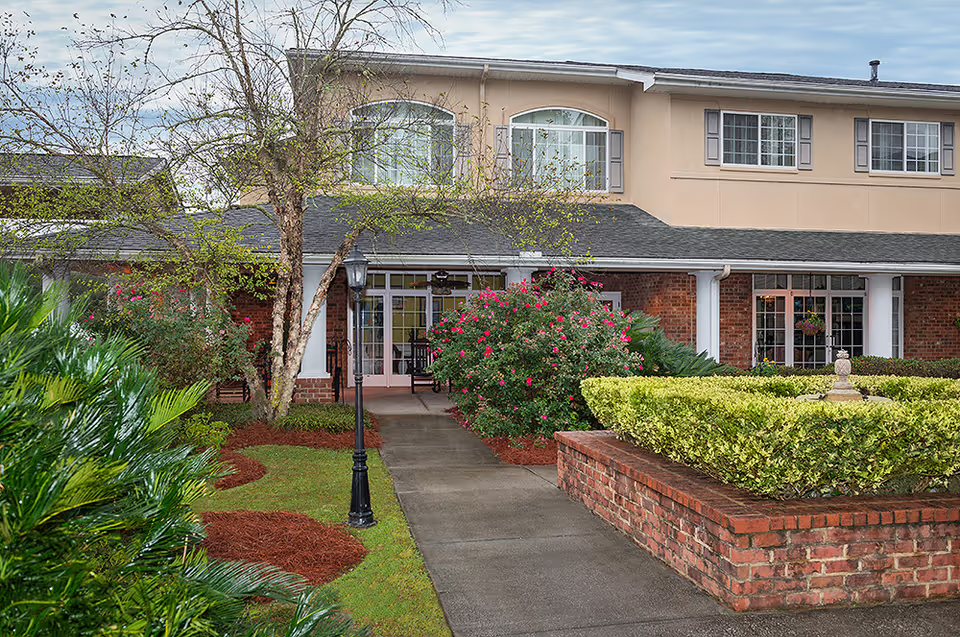
Facilities and environment: The physical environment garners favorable comments for cleanliness, bright décor, spacious rooms with private bathrooms, and attractive outdoor spaces. Many families describe the facility as home-like and well maintained despite being an older building in parts. High occupancy was mentioned as contributing to crowded dining room conditions at peak times.
Management and operations: Reviewers give mixed feedback about leadership and administrative responsiveness. Several accounts praise engaged directors who support admissions and transitions; others describe leadership turnover, communication tone issues, and operational decisions that negatively affect frontline performance. Concerns about billing transparency and potential hidden charges appear in a number of comments. Combined with staffing variability, these management-level inconsistencies are an important pattern for prospective families to evaluate directly.
Notable patterns and considerations: The dominant positive pattern is strong, person-focused caregiving and a robust activity culture that many families find reassuring and uplifting. The dominant concerns are operational: food quality and consistency, staffing and supervision gaps (especially off-hours), variability in dementia-specific training, and occasional management shortcomings. There are also isolated but serious safety-related allegations concerning memory-care handling; these are not the prevailing narrative but are significant enough to warrant direct inquiry.
Recommendation for prospective families: On a visit, ask specific questions about staff-to-resident ratios by shift, dementia-care training and turnover, supervision protocols for wandering/fall prevention, menu options and special-diet handling, incident reporting and family notification practices, and a clear explanation of all fees and billing practices. Observing a mealtime and an activities session will help confirm whether the facility’s strengths are consistently realized for the resident you are assessing.