The Oaks Independent Living elicits strongly mixed impressions. Positive commentary centers on the community’s social environment, amenities, and particular staff members. Multiple accounts highlight a friendly, courteous caregiving team, an active activities program led by an engaged director, and a range of on-site amenities (library, game room, exercise room, hair salon) that support socialization and recreation. Several long-term residents and family members describe the campus as scenic and characterful, note accessible location and family-friendly events, and consider the buy-in and pricing reasonable for the lifestyle offered.
Care and staff quality show variability across accounts. Many reviewers praise individual caregivers and administrative staff for attentiveness and support, while others describe persistent staffing shortages and slow responses to resident needs. These operational shortfalls are linked to delays in assistance for personal-care needs and concerns about emergency-response timeliness. There are also identified gaps in medication administration and inventory control; more serious allegations concerning missing belongings and medication handling were raised by some families and warrant careful follow-up with the provider and regulators.
Dining and activities are frequently cited as strengths, with several reviewers noting enjoyable meals, sampling events, and a robust activities schedule. However, others describe inconsistent meal quality, limited variety, and a pattern of higher-carbohydrate, lower-protein offerings. Activity availability also appears uneven over time; reductions in transportation and fewer scheduled events after management changes were noted by some families.
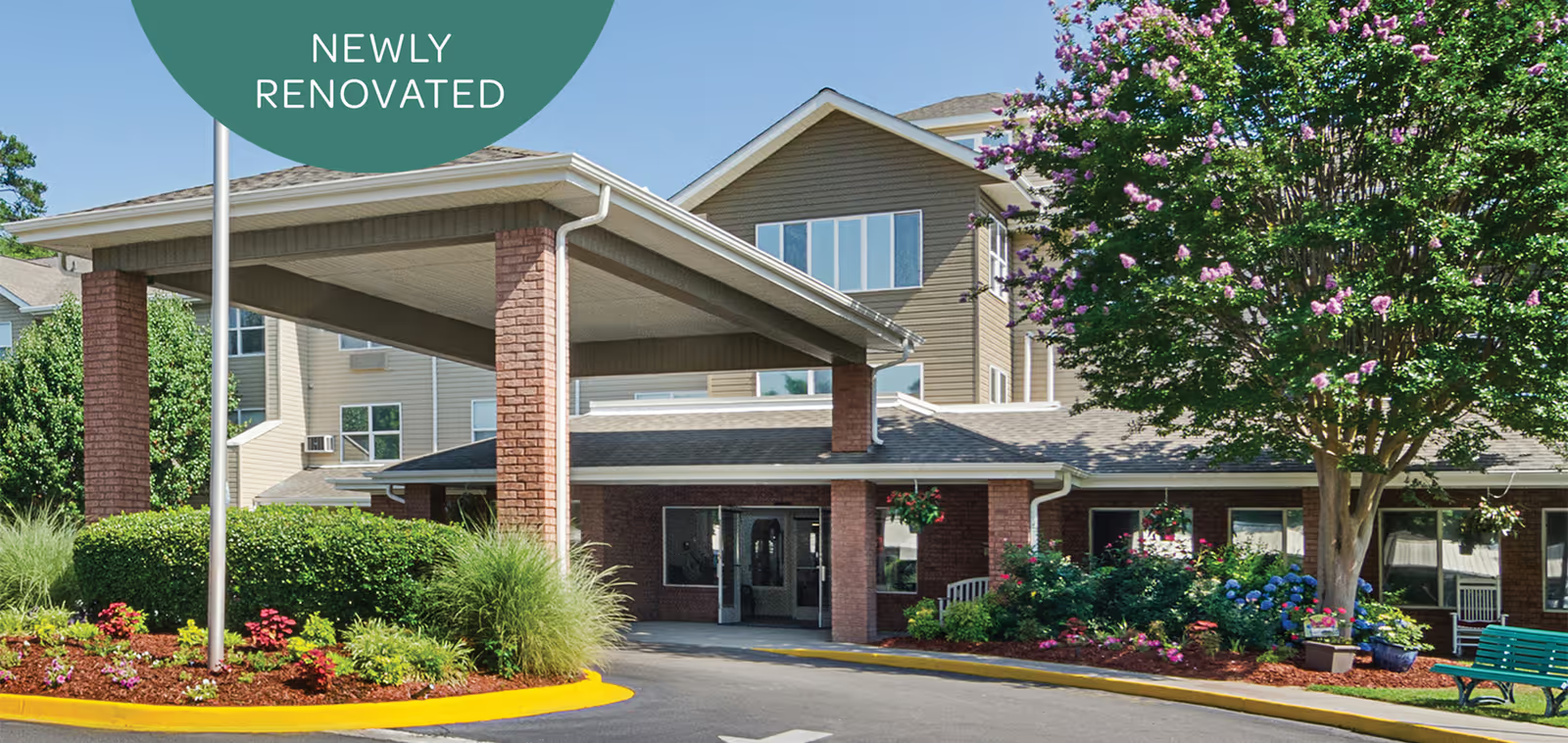
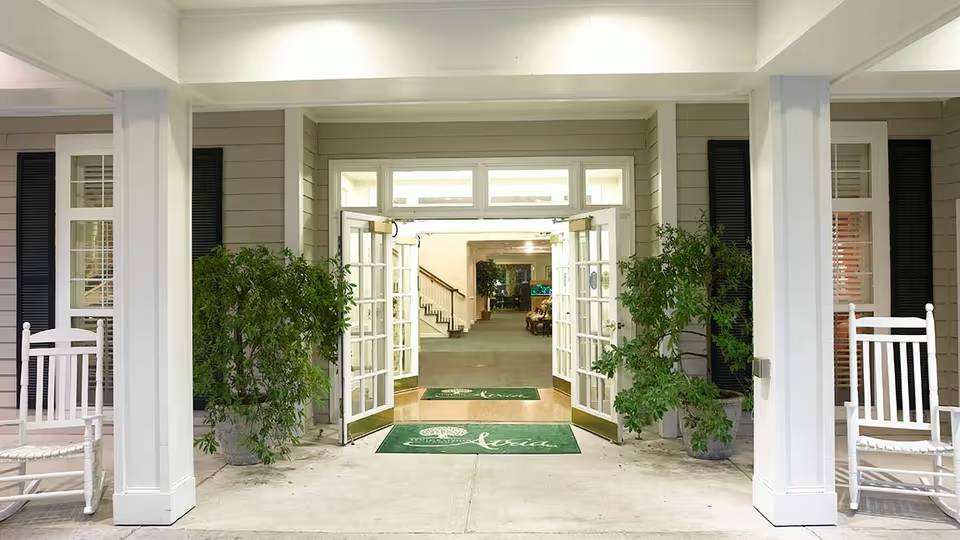
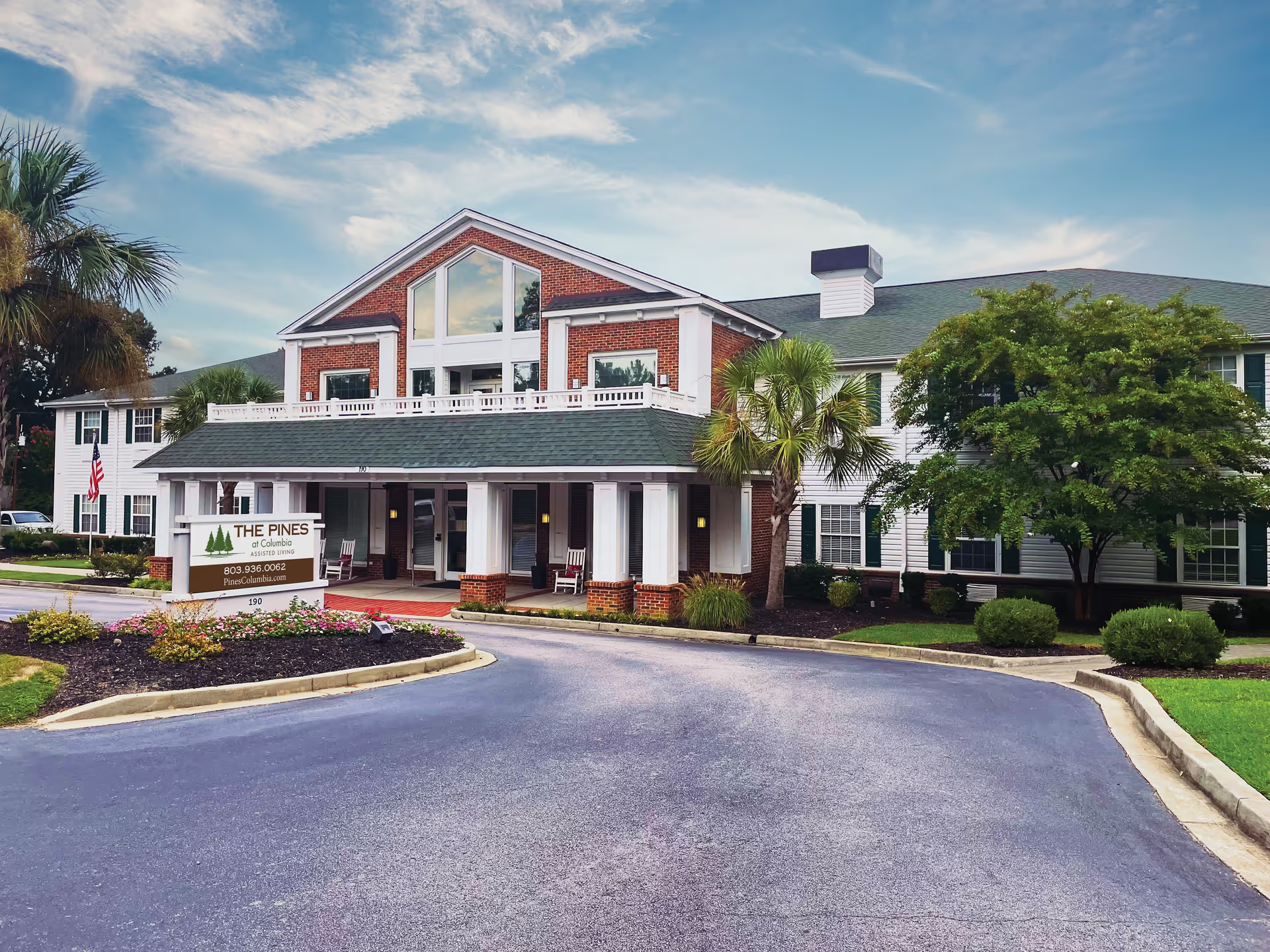
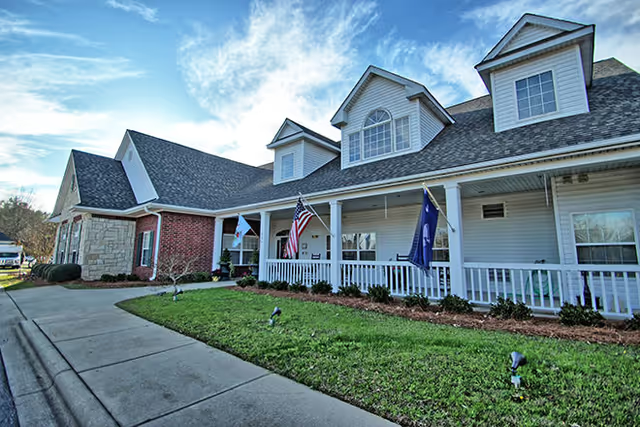
The physical plant receives mixed feedback. Positive remarks describe spacious, attractive rooms and pleasant grounds, but numerous operational maintenance issues are reported, including water leaks requiring temporary containment, missing wall panels, and temperature-control problems in common areas. Cleanliness and sanitation perceptions vary across reports: some families describe well-kept common areas, while others raise odor concerns and indicate standards that need reinforcement.
Management, communication, and administrative practices are recurring themes. Several reviewers describe satisfactory, supportive administrative interactions, but an equal number describe unresponsiveness from senior leadership, billing and deposit disputes, and problematic vendor-payment handling. These financial and communication friction points, combined with staffing and maintenance challenges, contribute to an overall impression by some families of declining operational consistency—a change some attribute to ownership or leadership transitions.
Overall pattern: the community offers clear strengths in social programming, on-site amenities, and staff members who are dedicated and personable. At the same time, there are consistent operational themes that prospective residents and families should evaluate: staffing reliability and response times, medication and property controls, maintenance and HVAC reliability, meal consistency, and management responsiveness—especially regarding billing and post-incident follow-up. For those considering The Oaks, a focused tour that includes conversation about staffing ratios, clinical response protocols, medication controls, recent maintenance work, and written policies on visitation and billing would help assess whether current operational practices meet the prospective resident’s needs, particularly for individuals with cognitive or high-acuity care requirements.