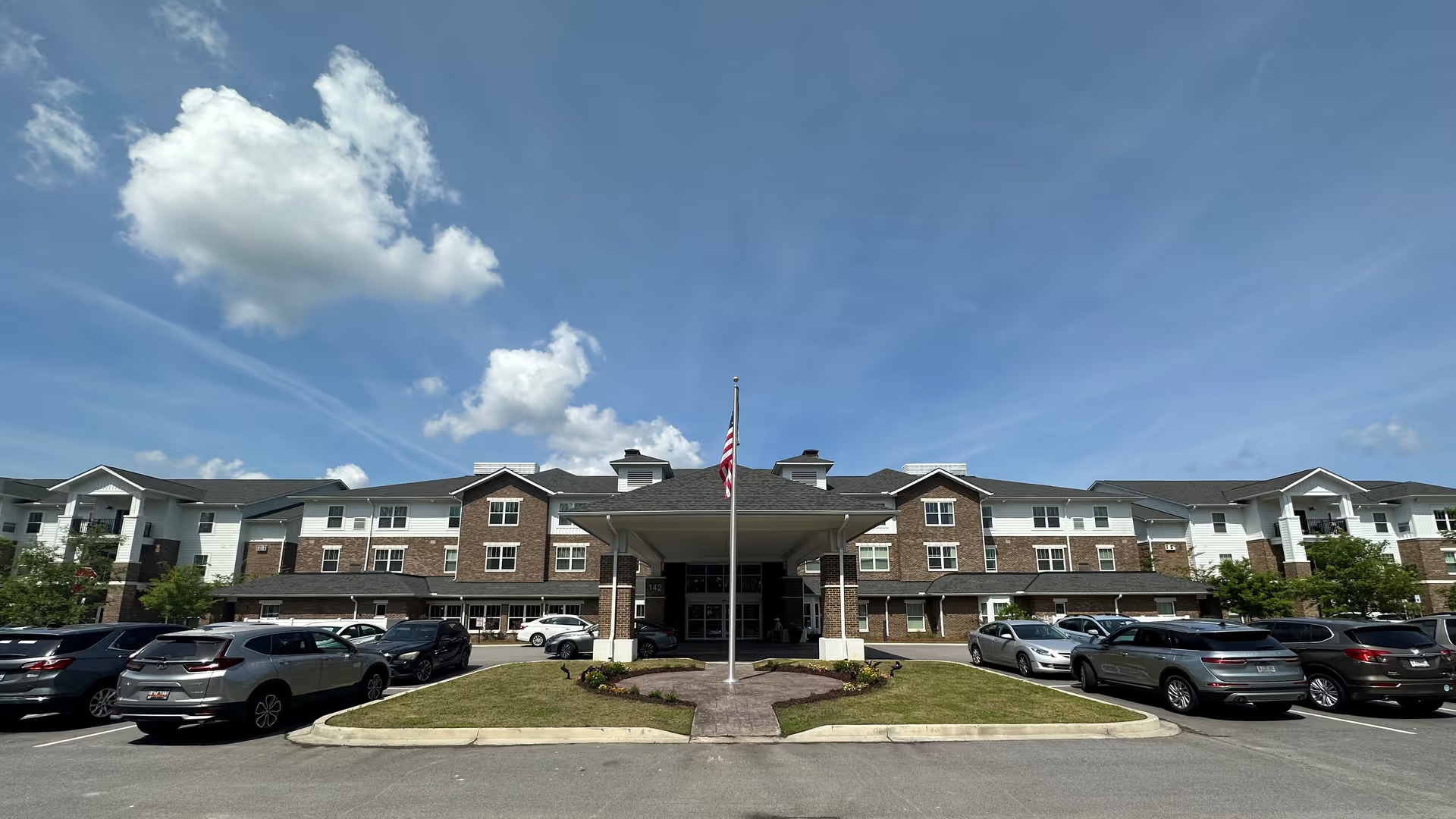
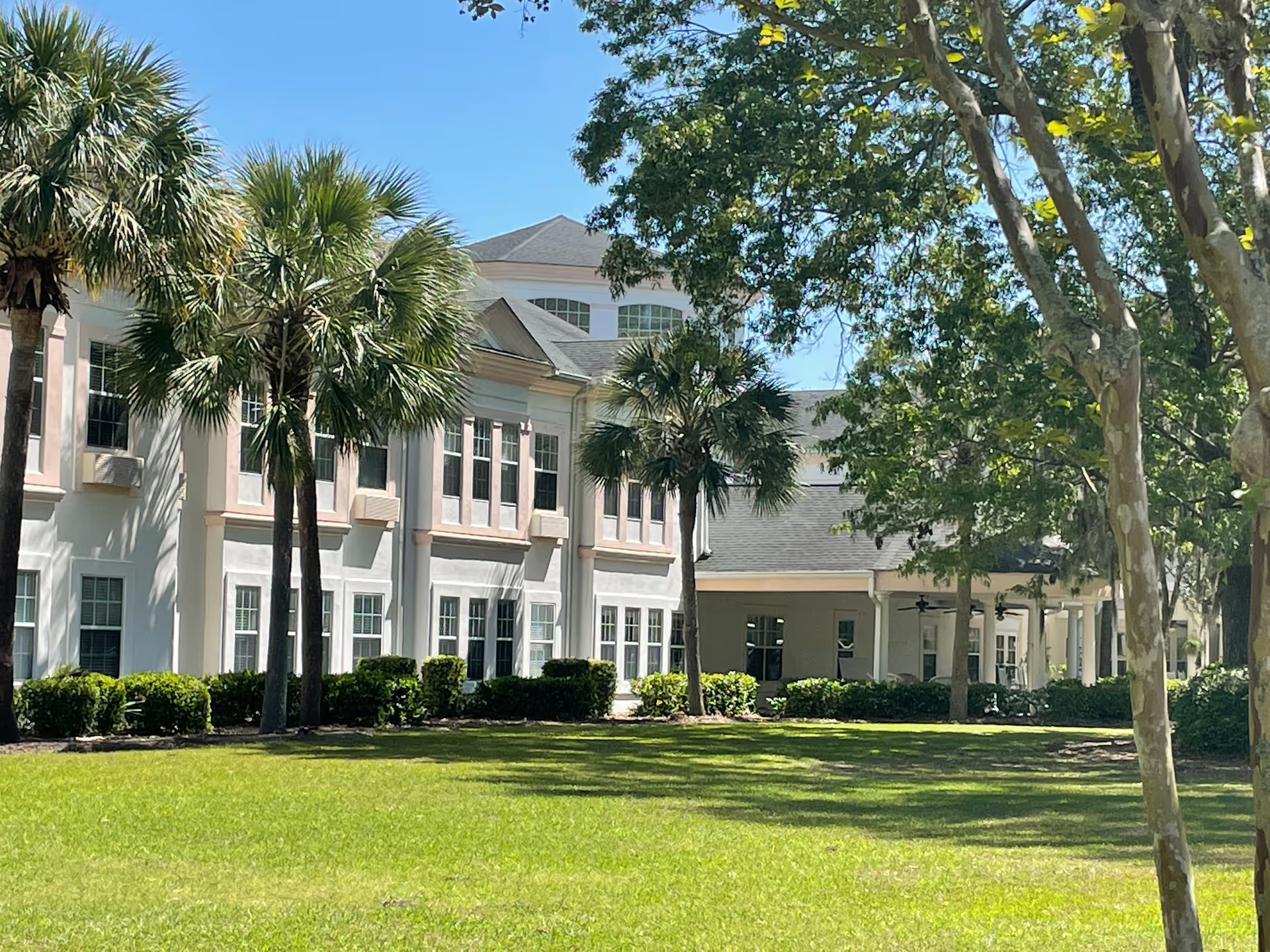
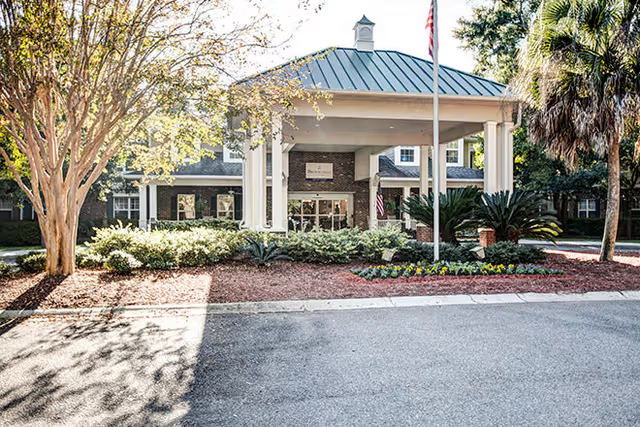
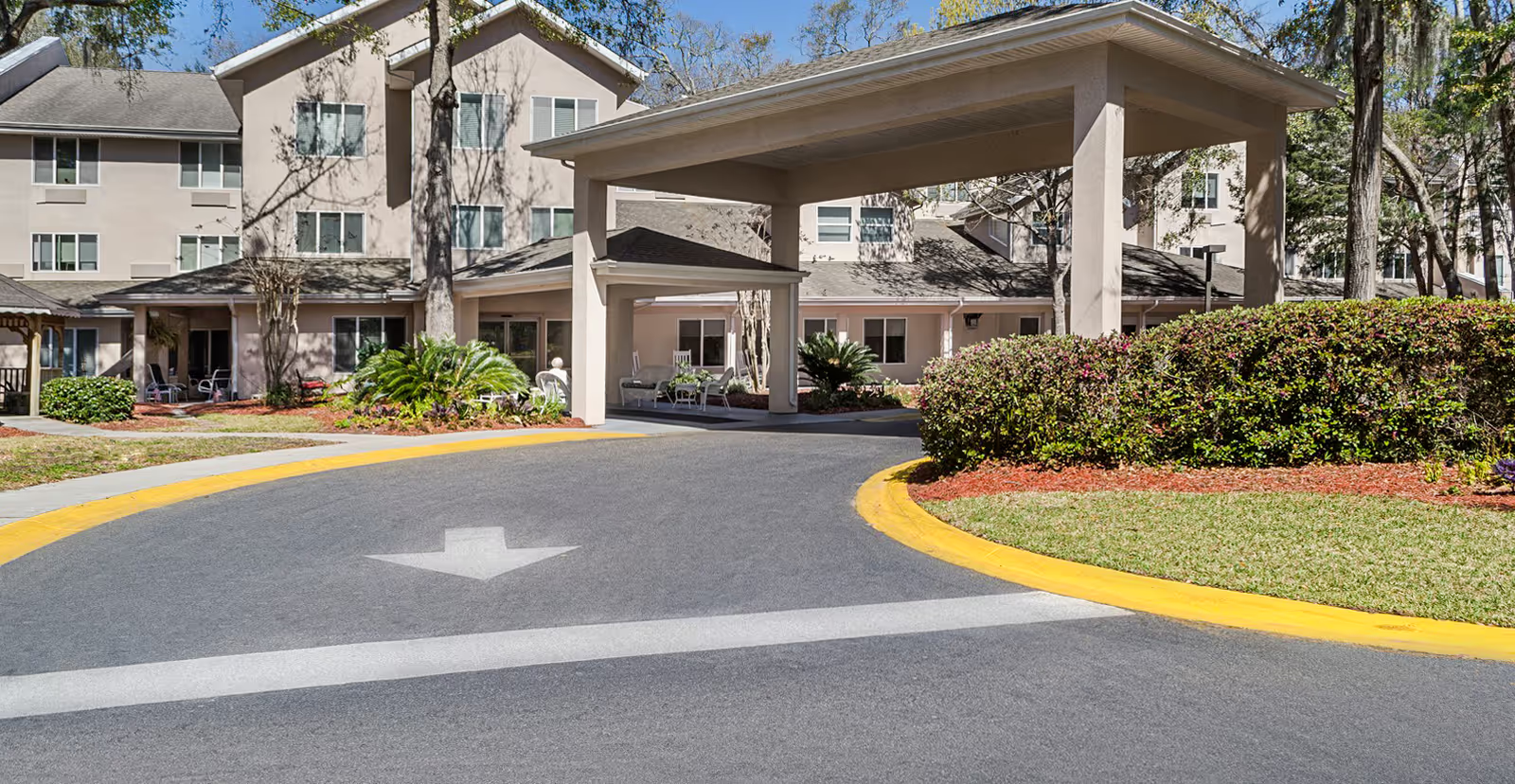
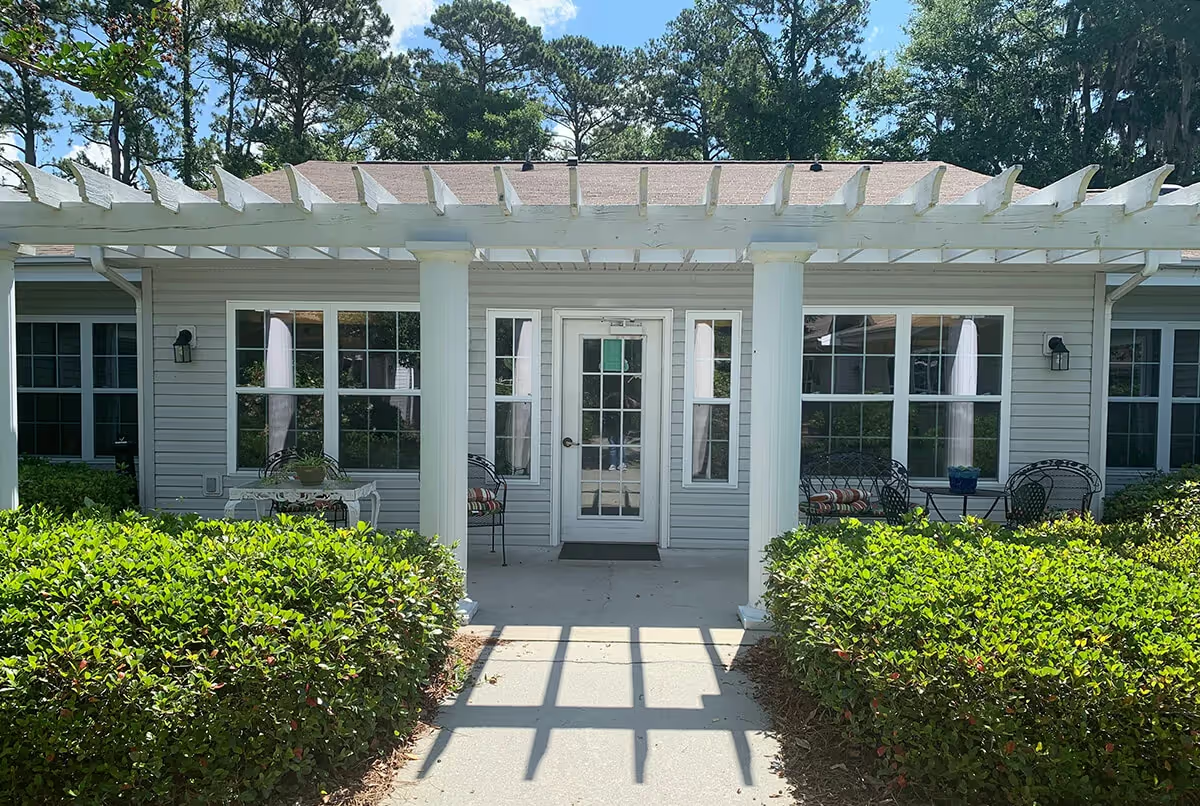
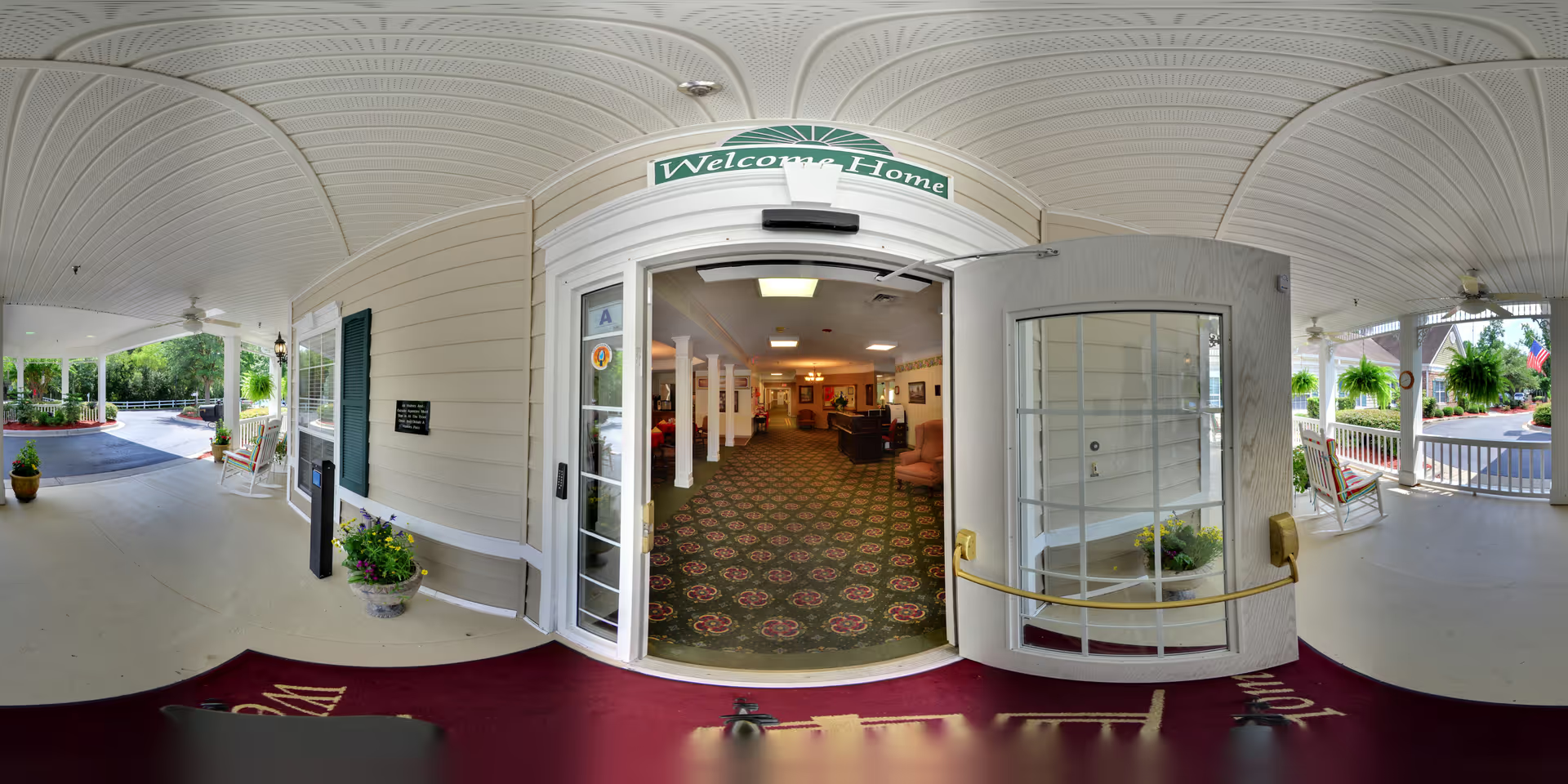
Feedback about Canterfield of Bluffton is highly polarized: many accounts emphasize an attractive, hotel-like campus with spacious, modern apartments and a broad mix of social programming, while other accounts raise substantial operational concerns that prospective families should evaluate carefully.
Care and staff: The facility elicits strong praise for warm, respectful interactions from many front-line staff, concierge personnel, and certain clinical teams. Several families describe attentive nursing and a welcoming caregiving culture that preserves resident dignity. At the same time, there is a recurring pattern of inconsistent care quality across units and shifts. Specific operational concerns include gaps in clinical knowledge among some staff members, inconsistent responsiveness to needs, and administrative missteps during transitions such as move-ins. In memory care, impressions range from high satisfaction with a dedicated, engaged team to serious concerns about inadequate supervision and lapses in basic personal-care routines. This divergence suggests variability by unit, shift, or point in time rather than a uniform standard of care.
Dining and activities: Dining experiences are described at both extremes: some residents and families report restaurant-quality meals and specialty holiday dining, while others note low food quality, small portions, limited variety, and irregularly defined meal times. These mixed accounts indicate inconsistent dining execution; prospective residents should review sample menus and observe meal service. Activities are generally cited as a strength—bingo, card games, live entertainment, music, and arts-and-crafts are regularly available—and several reviewers praised an active social calendar and volunteer engagement. However, activity quality and consistency appear to vary between resident groups.
Facilities and cleanliness: The community’s aesthetics are frequently praised: bright, clean common spaces, new-construction finishes, and a luxury-hotel vibe. Conversely, some feedback highlights sanitation concerns and hygiene-related issues in specific resident rooms or bathrooms. These contrasting observations point to uneven housekeeping or oversight in certain areas rather than a facility-wide condition.
Management and operations: Recurring operational themes include communication breakdowns with families, misinformation during care transitions (for example, catheter-related guidance), and disorganization around move-ins or admissions. Several comments questioned value for cost, citing expectations of higher service reliability given the pricing. Overall, the pattern indicates strong strengths in design, amenities, and resident-facing hospitality, coupled with variability in clinical consistency, supervision (particularly in memory care), and administrative coordination.
What to do next: Families should tour multiple parts of the campus at different times of day, meet direct-care staff and nursing leadership, ask for staffing ratios and turnover data, review memory-care supervision protocols and infection-control practices, sample meals, and request recent inspection or quality metrics. Clarify contract terms regarding services included, move-in procedures, and how the community escalates and communicates clinical concerns. These focused checks can help distinguish areas of reliable performance from units or shifts where the variability noted in feedback may emerge.