Overall sentiment in the reviews is positive, with multiple reviewers emphasizing a family-owned, homelike environment and a high level of personalized care. The community is consistently described as small and close-knit, with compassionate and friendly staff—sometimes family members—providing hands-on attention. Several comments point to an excellent level of care and report that residents (the reviewers' mothers, in particular) are happier and eating well there, which supports a conclusion that basic care and day-to-day wellbeing are strong points.
Staff and care quality emerge as one of the clearest strengths. Reviewers use words like compassionate, caring, and friendly to describe staff interactions. The presence of family members among staff contributed to a sense of genuine concern and a family atmosphere rather than an impersonal institutional feel. Statements that residents are "happier than elsewhere" and that a parent is "eating well" reinforce that caregivers are attentive to both medical and personal needs, including meals and daily comfort.
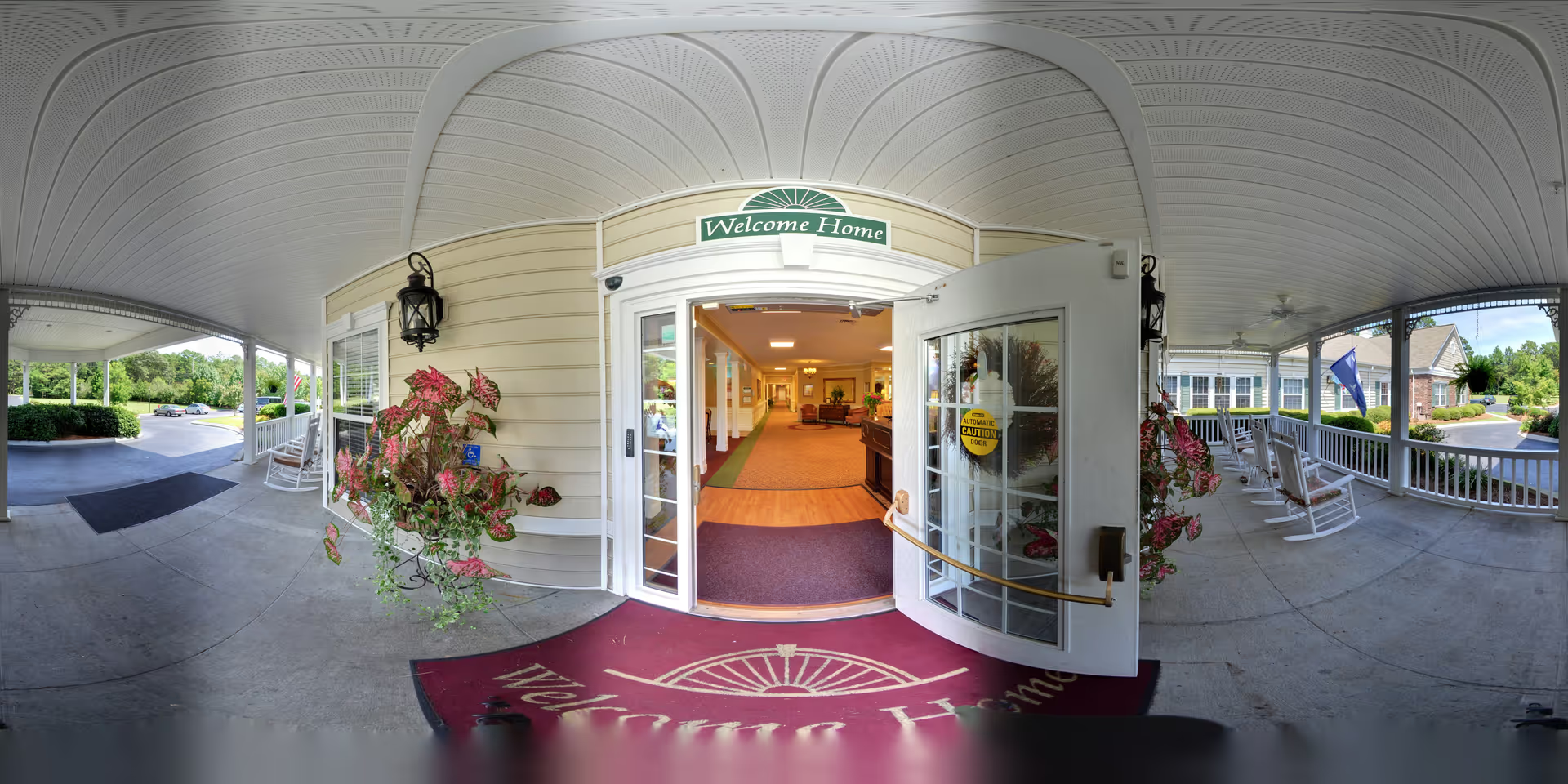
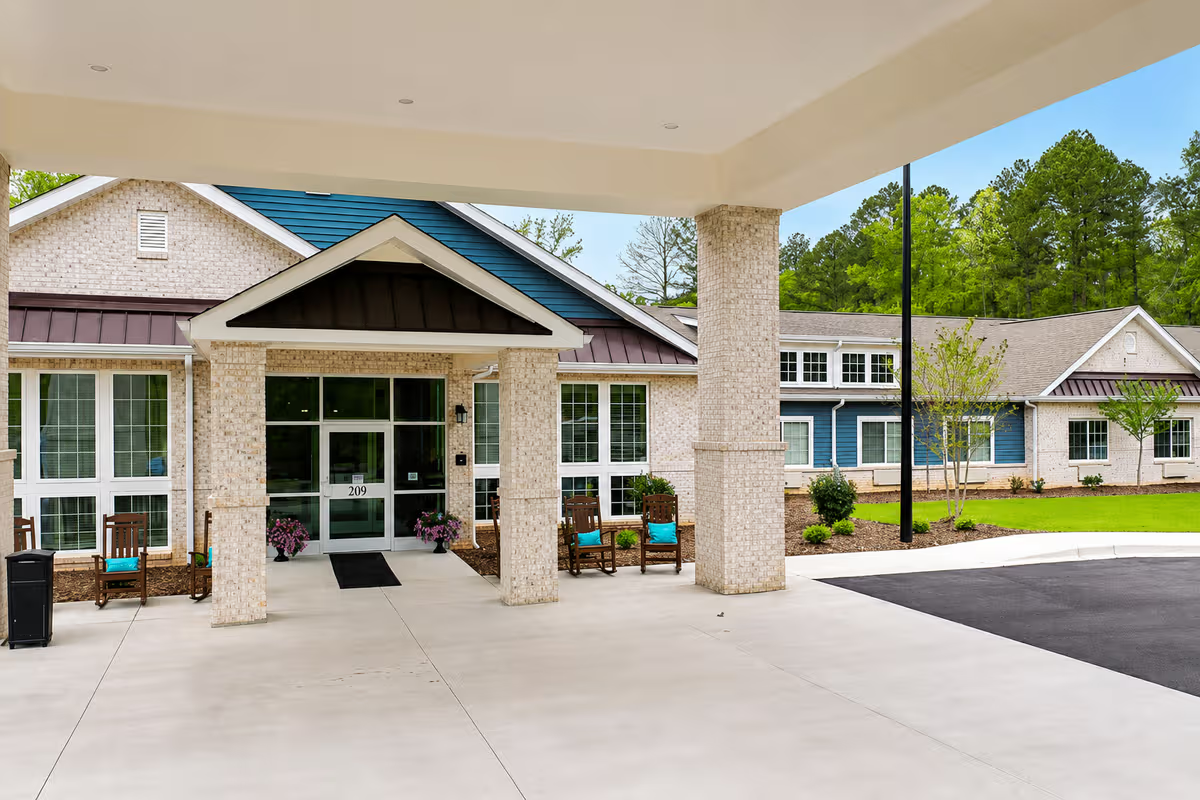
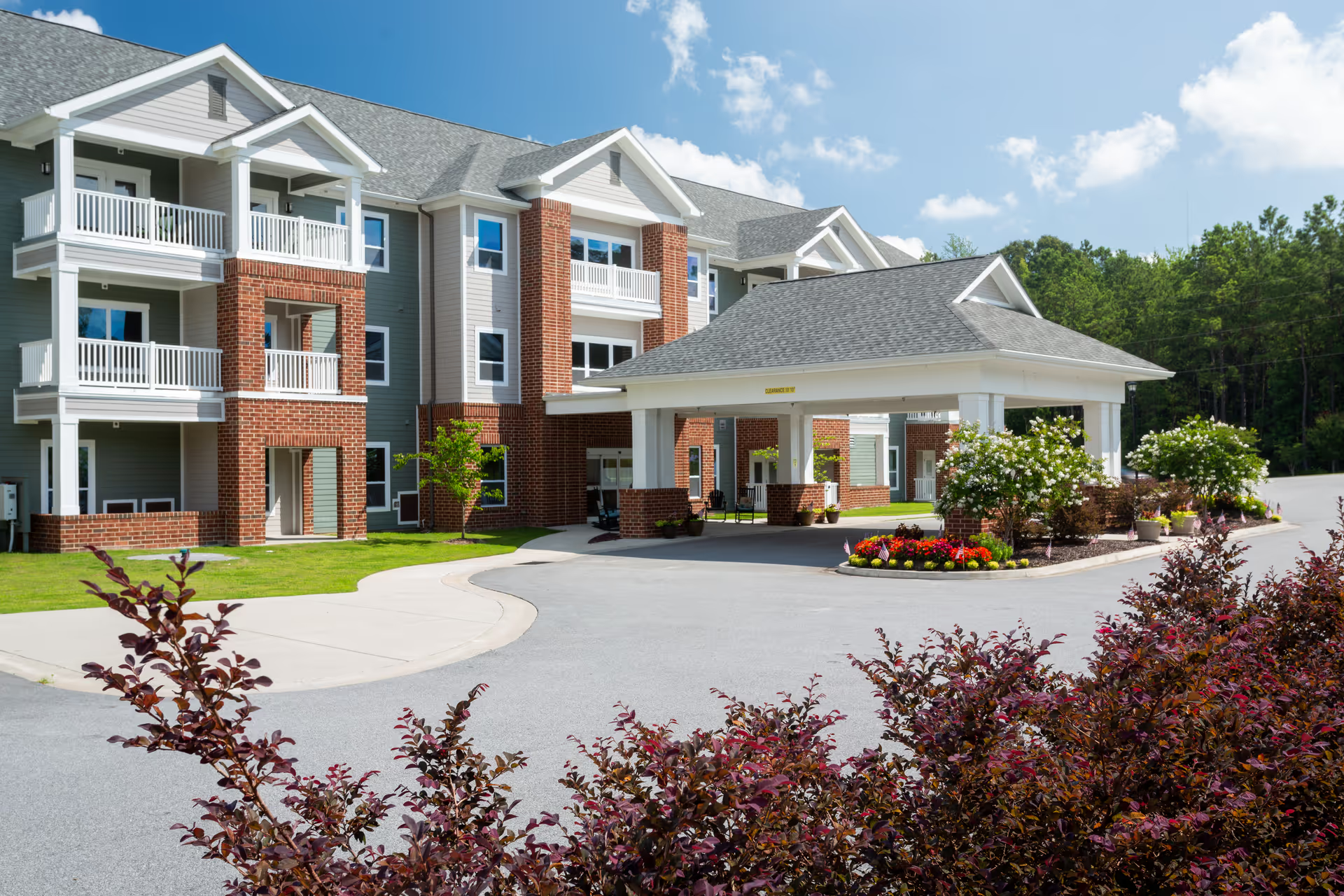
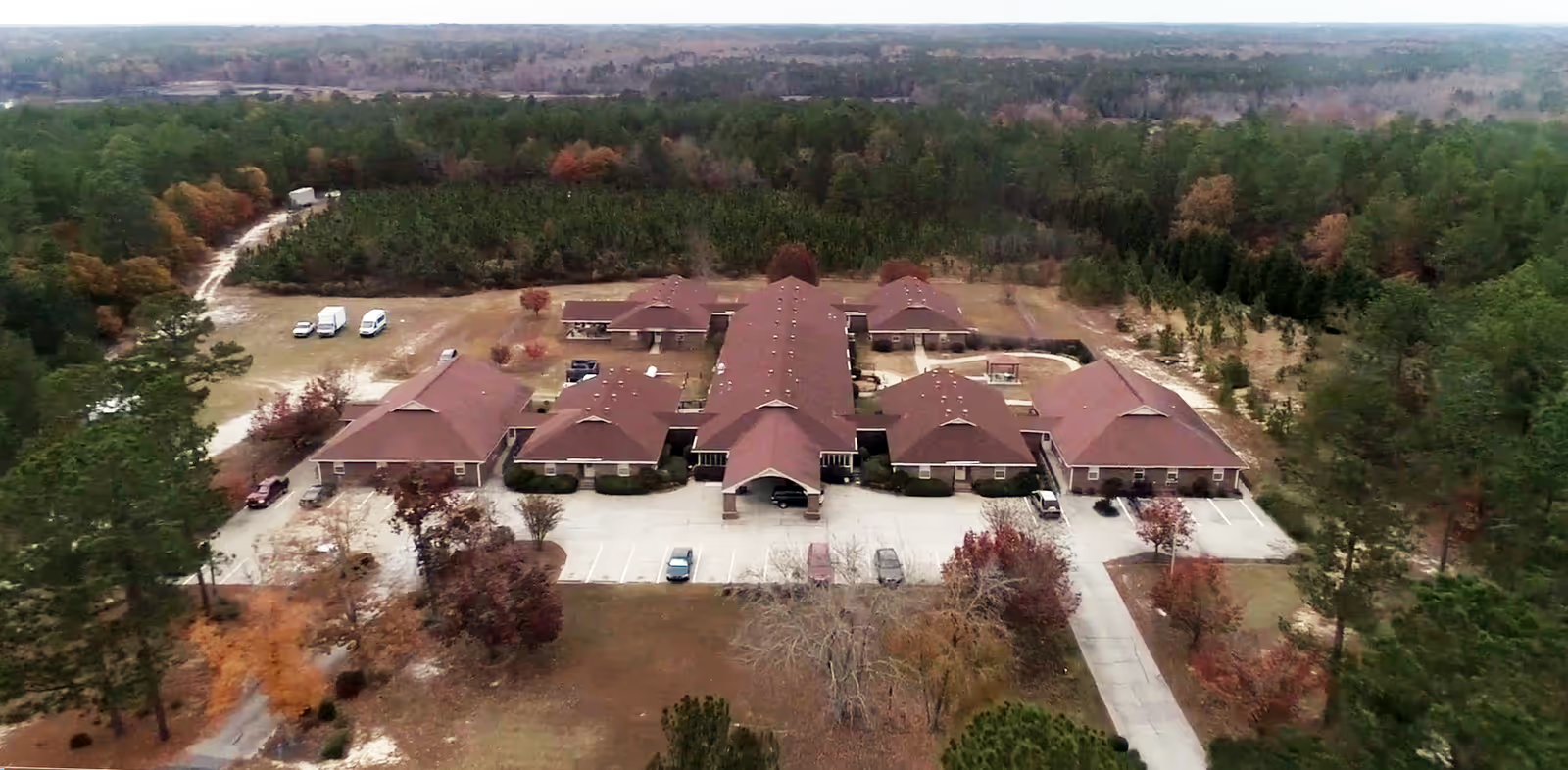
Facilities and physical environment are mixed. Internally, the facility is repeatedly described as homelike—an actual converted house—so it lacks the institutional look and offers private rooms, which many families appreciate. However, the building’s origin as a converted house and comments about cluttered rooms indicate that the layout and organization may not be optimized for senior care. The exterior was noted as "not ideal," suggesting curb appeal or outdoor maintenance could be improved. Importantly, one or more reviewers raised safety concerns for an elderly person; combined with reports of clutter and a non-purpose-built layout, this signals potential hazards that should be assessed in person (for example, trip hazards, bathroom accessibility, and egress routes).
Dining is a clear positive: reviewers mention "good country-style food" and that residents are eating well, which is an important marker of appetite, nutrition, and comfort. Activities are a relative weakness—several reviewers note limited activities—which can matter for cognitive stimulation and social engagement. The small size that contributes to a family feel may also limit the variety or frequency of structured activities and specialized programming.
Management and overall atmosphere are presented as strengths: family-owned and family-oriented, with no major complaints from reviewers and a generally positive tone. That said, the combination of a converted house, clutter concerns, and an exterior that "is not ideal" suggests that while care is attentive, certain physical-plant or housekeeping aspects may be uneven. The small community feel that many families find comforting could also translate into fewer on-site resources, fewer formal activities, and possible constraints on infrastructure or adaptive equipment.
In sum, J C Laraes Southwinds Assisted Living Community appears to be a good fit for families seeking a home-like, family-operated environment with compassionate, hands-on caregivers and solid day-to-day care including well-regarded meals. Prospective residents and families should weigh these strengths against limitations such as limited activities, possible clutter or organizational issues in residents' rooms, and physical-safety considerations tied to the facility’s converted-house layout and exterior condition. When evaluating the community in person, it would be advisable to ask about activity schedules, housekeeping and clutter management, specific safety modifications (grab bars, ramps, non-slip flooring), and staffing levels to ensure the physical environment and programming meet the prospective resident’s needs.