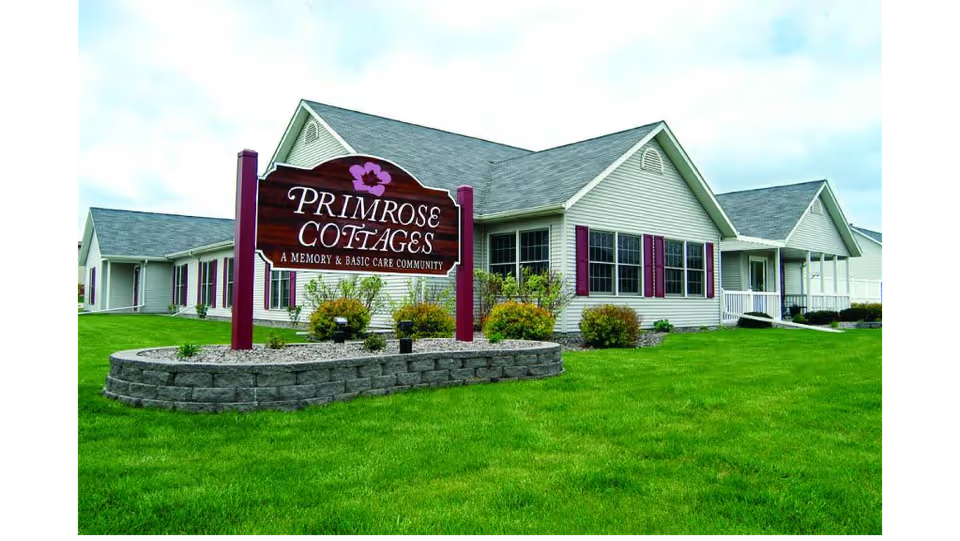
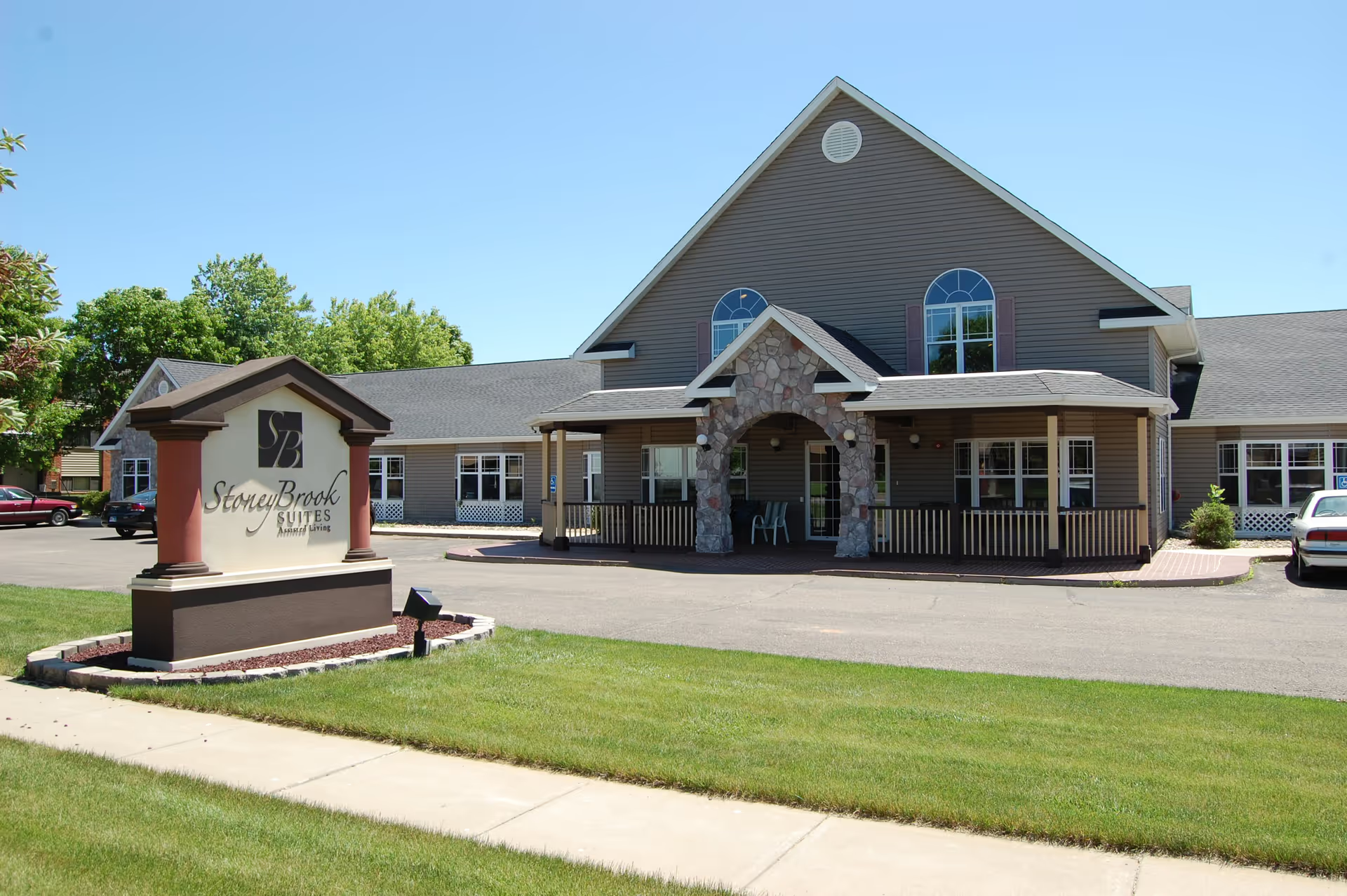
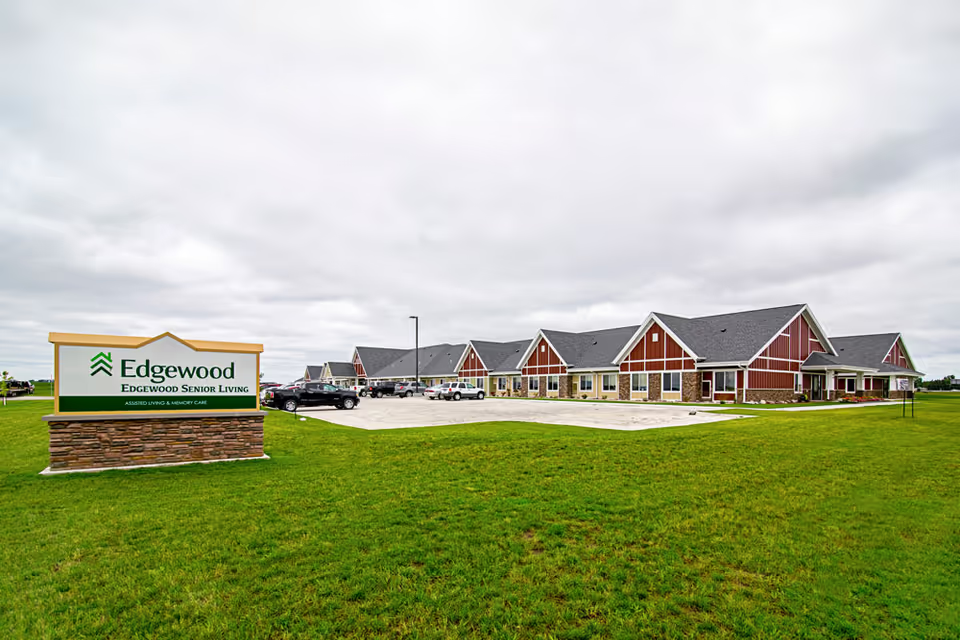
Overall impression: Reviews present Derian Lodge Senior Living as a community with a consistently positive, family-oriented culture. The dominant theme is strong interpersonal care: staff are repeatedly described as welcoming, compassionate, and dedicated, creating a home-like atmosphere that gives families reassurance and residents a sense of belonging. Cleanliness, recent renovations, and well-maintained common areas contribute to an inviting physical environment.
Care and staff: Reviewers emphasize attentive, respectful interactions and describe staff as going "above and beyond." Comments indicate a high level of personal attention and strong rapport between staff and residents, which families characterize as comforting. While the feedback focuses on interpersonal and day-to-day caregiving strengths, reviewers provide limited detail about higher-acuity clinical services; prospective residents who require memory care or complex medical management should confirm clinical capabilities, staffing ratios, and medication-management protocols directly with management.
Dining and activities: Dining receives favorable comments for appealing meals, and programming is described as active and engaging. The community appears to offer a range of social and recreational opportunities, including on-site amenities such as an exercise room and meeting spaces. These features, together with community involvement, support social engagement and an active lifestyle for residents.
Facilities and management: Physically, the community is described as clean, recently updated, and well maintained, with larger-than-average apartment sizes. A recurrent practical note is smaller private patios attached to units; this may matter for residents who prioritize outdoor private space. Reviews express confidence in the community’s operations and many recommend it to families. For a balanced decision, prospective residents and families should verify specifics about specialized clinical services, formal communication practices with families, and any written policies they consider important (e.g., medication administration, staffing levels, and emergency response).