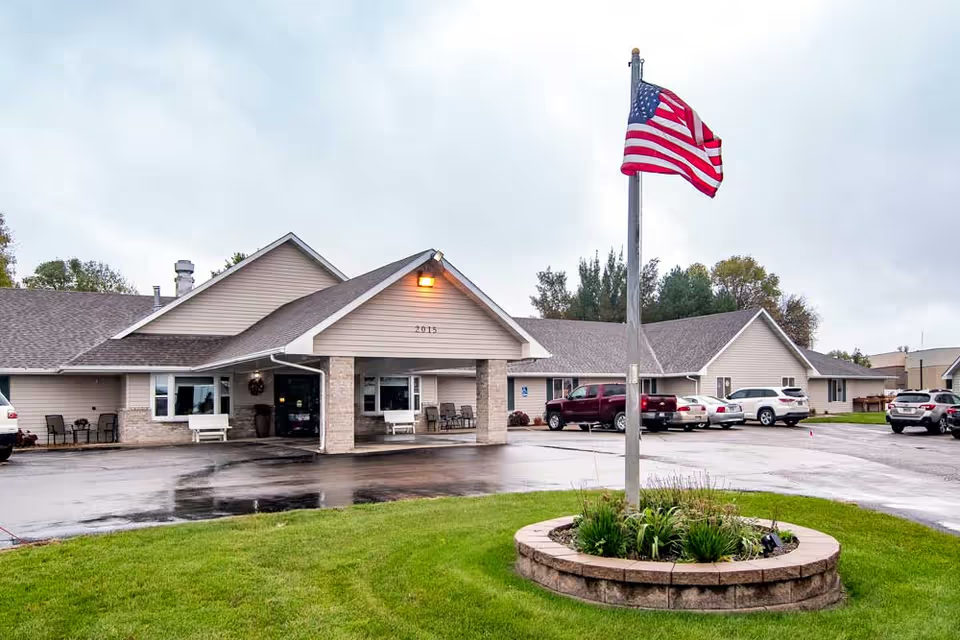
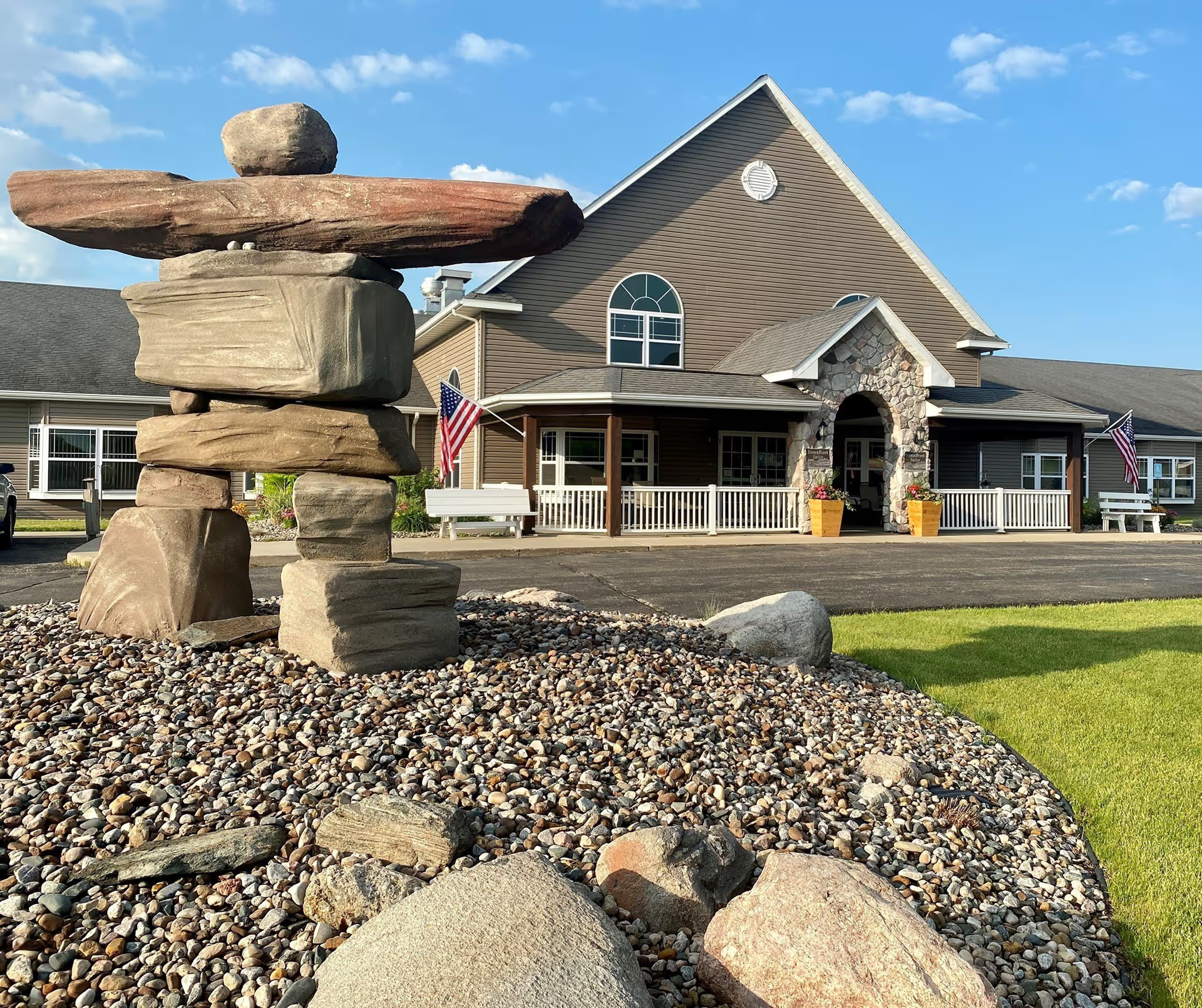
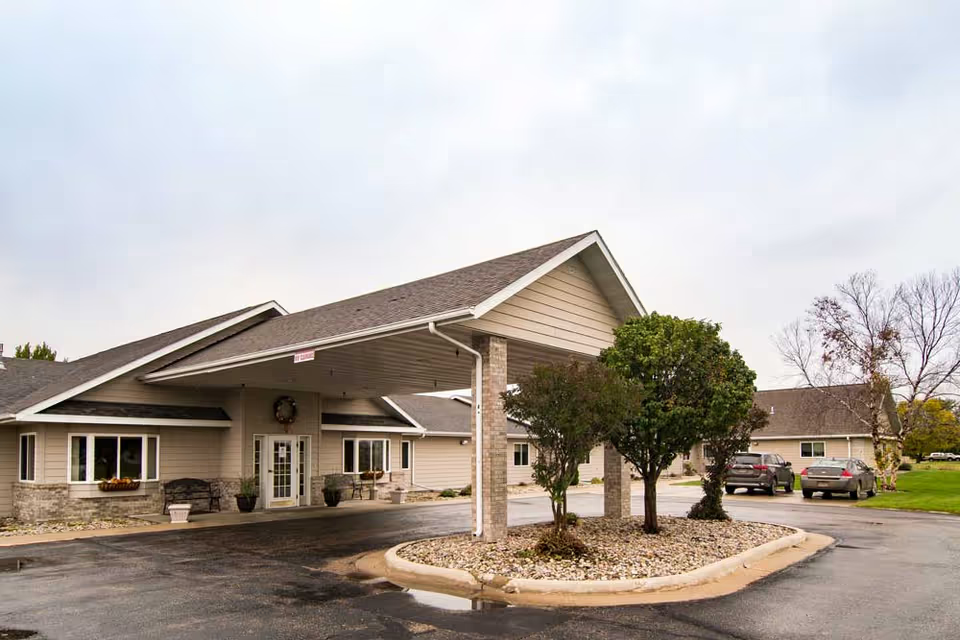
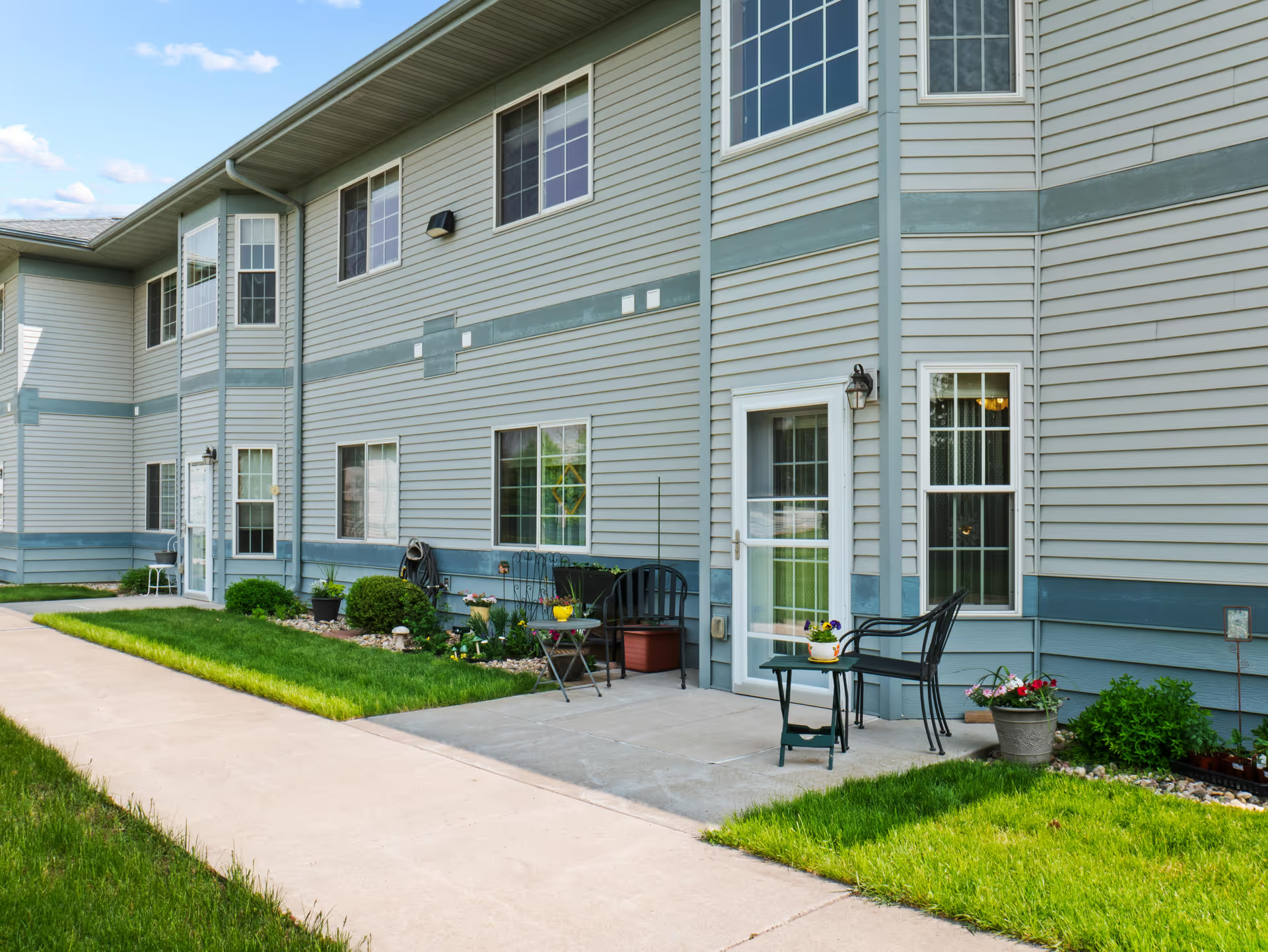
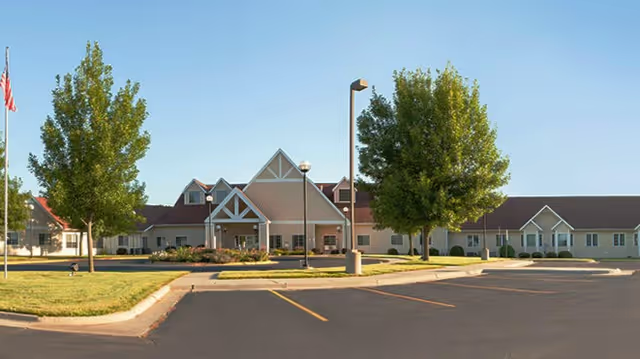
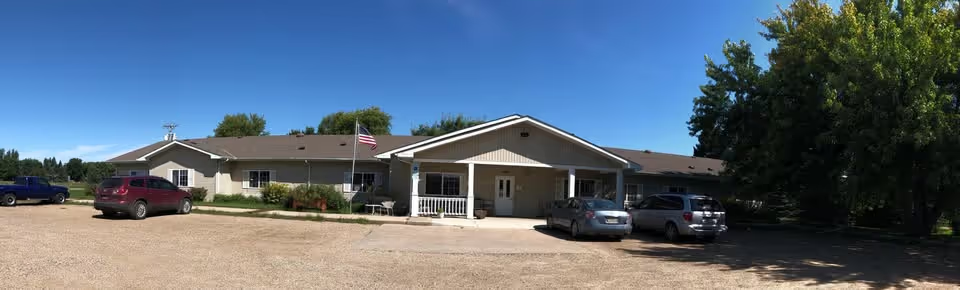
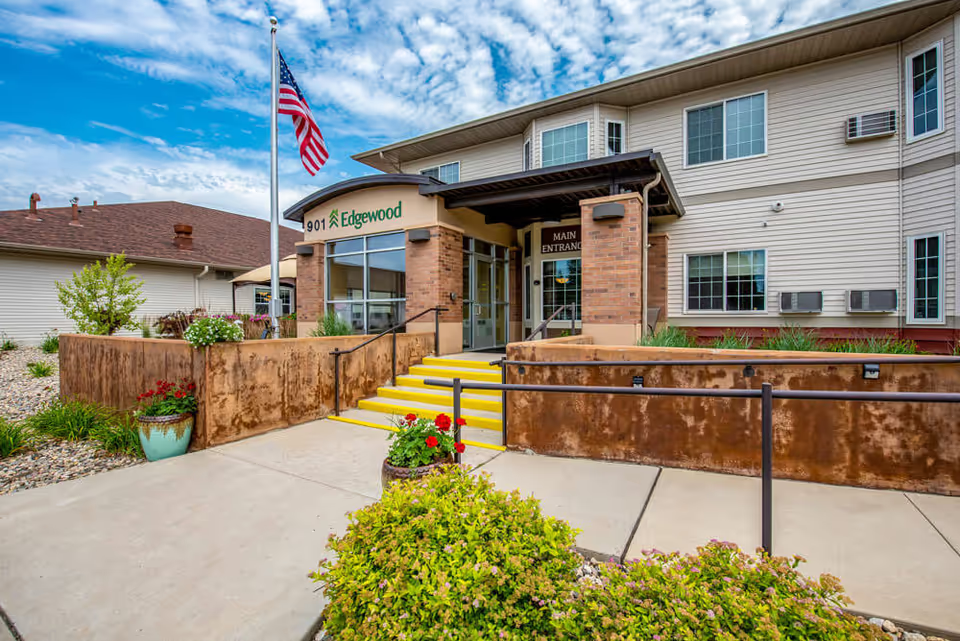
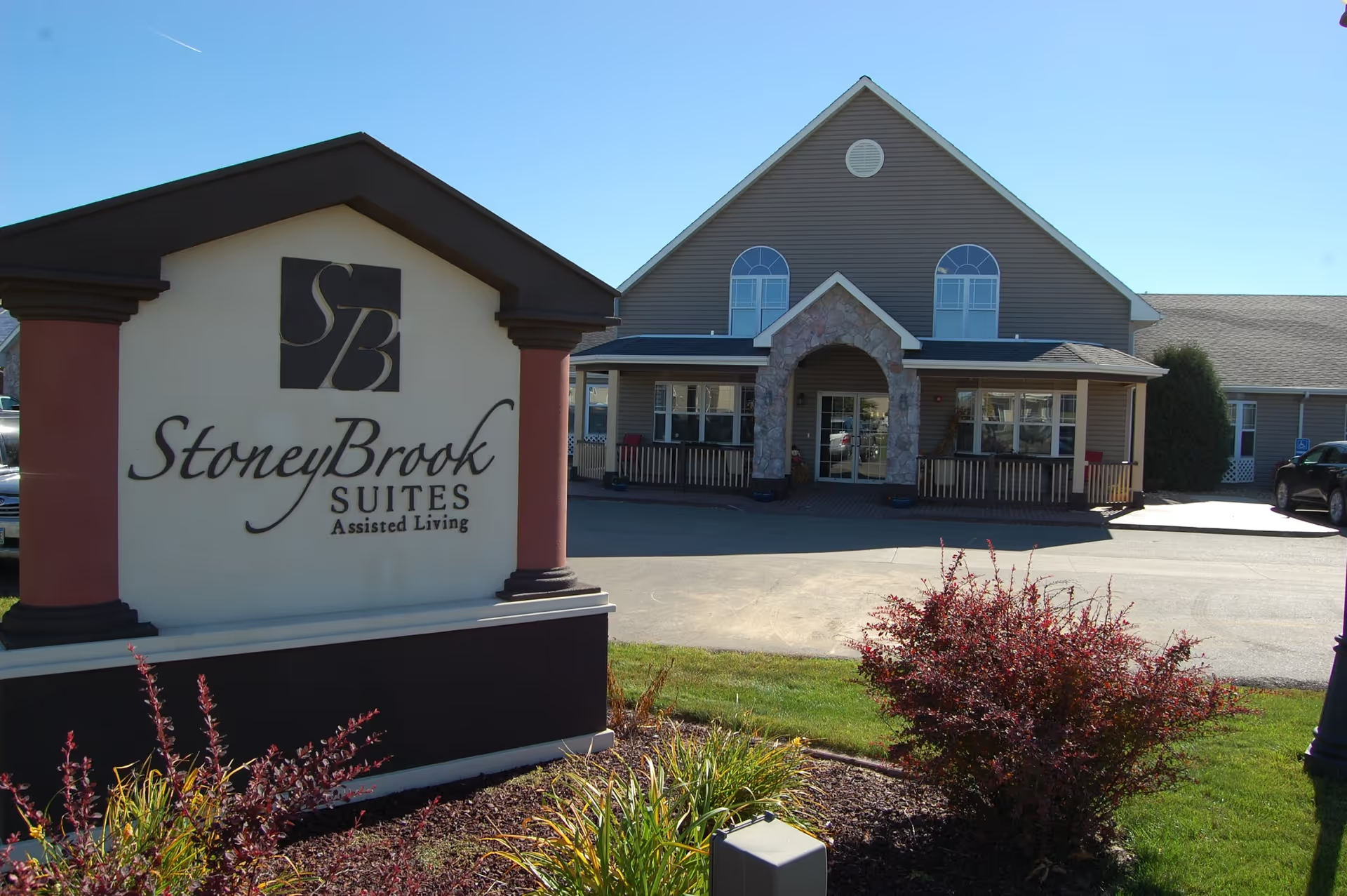
The facility elicits a mixed set of impressions. Positive comments emphasize a clean, modern environment with staff who are described as friendly and caring. Many reviewers praised the dining—citing varied menus and well-prepared meals—and noted social touches such as daily coffee service and occasional musical events. Independent-living features such as common areas, laundry, and proximity to park views were viewed as conveniences that contribute to overall value, and the facility’s pricing was commonly characterized as competitive.
Care quality perceptions diverge. Several comments highlight compassionate bedside interactions, but others raise operational concerns that could affect clinical care. The most significant patterns relate to documentation integrity and adherence to wound-care orders: reviewers described templated or duplicated notes and instances where prescribed care could not be completed because supplies were unavailable. These point to gaps in recordkeeping practices and supply-chain or process controls that warrant verification during a tour or pre-admission inquiry.
Staffing and workforce issues are a recurring theme. There are reports of frequent use of temporary or agency nurses and CNAs, along with indications of high turnover and low pay that appear to strain continuity of care. At the same time, many residents and families praised individual staff members, suggesting that resident-facing caregivers often perform well despite workplace pressures. Communication received mixed feedback: some families appreciated transparent updates about exposures, while others described dismissive behavior during tours or limited supervisory support when staff concerns arose.
Management and organizational culture are another area of concern. Reviews describe perceptions of favoritism, unresponsive upper management, and a workplace culture that some say prioritizes internal staff dynamics over resident experience. There are also notes about changes to rates and benefits that affected resident expectations. Finally, a contrast between marketing claims and an externally posted public quality rating (a level-3 rating mentioned by reviewers) contributes to a perception gap that prospective residents should clarify.
Activities and amenity offerings depend on the unit and level of care. Independent-living reviewers noted basic conveniences but limited scheduled programming and minimal on-site meal service for some residents (relying on Meals on Wheels). Other reviewers appreciated community events and social opportunities. Prospective residents should confirm the specific activity schedule and dining arrangements for the unit they are considering.
Overall, the facility shows strengths in physical environment, food quality, and many front-line caregivers’ approachability. However, persistent operational concerns—documentation practices, wound-care supply adherence, staffing continuity, and management responsiveness—appear frequently enough that families should investigate these topics directly. Recommended next steps for decision-makers include asking for current staffing ratios and agency use, reviewing wound-care and medication-administration protocols, inspecting recent state survey results and corrective actions, and observing care and staff interactions during multiple visits.