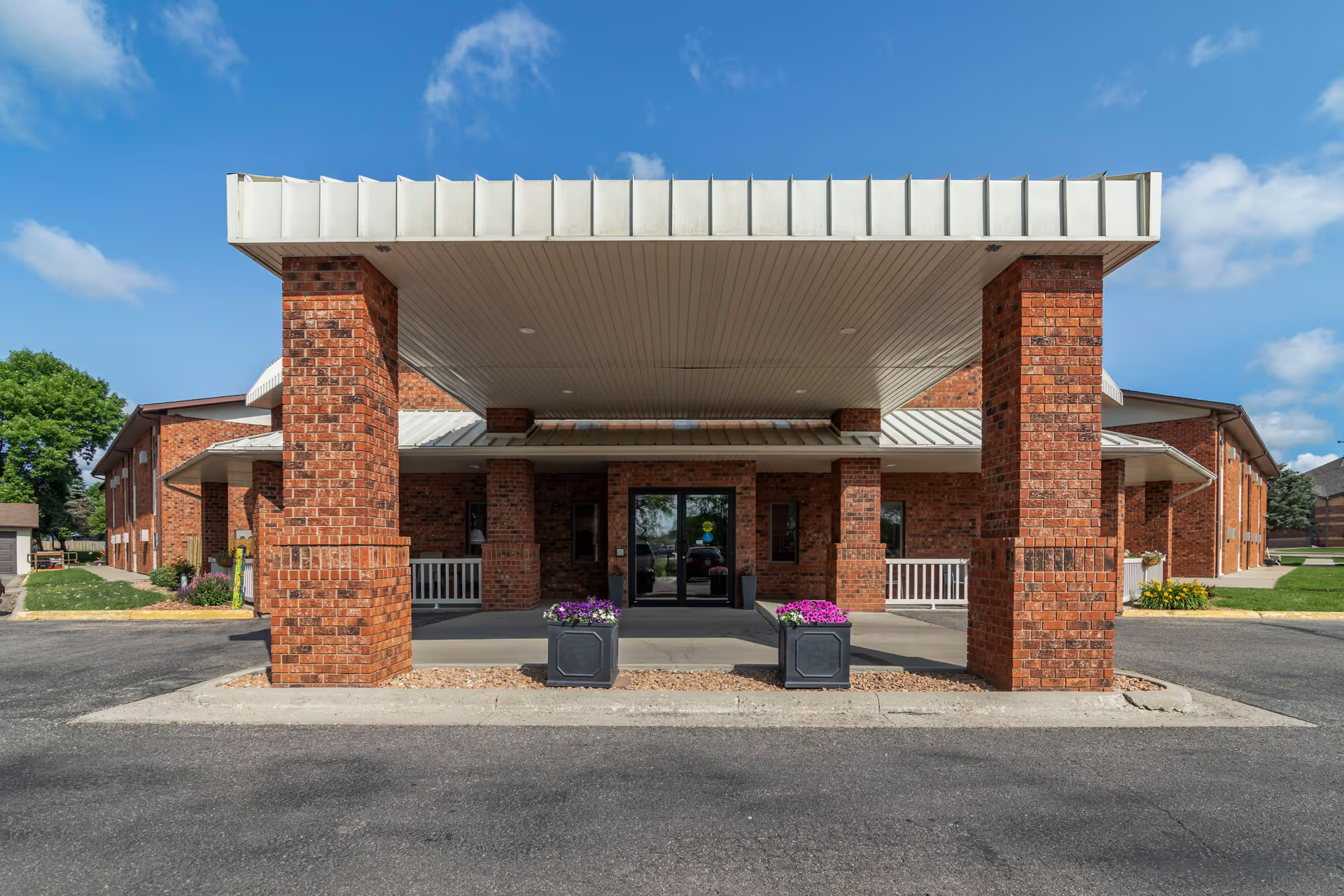
Avera Maryhouse elicits a mixed but distinct pattern: families and patients describe strong clinical care from therapists and several named nursing staff, while other accounts raise concerns about operational consistency and facility upkeep. Clinical strengths center on rehabilitation and nursing. Reviewers specifically praise occupational and physical therapists for effective treatment plans and engagement, and they single out several nurses and caregivers as compassionate and skilled. The transitional-care unit and available telehealth/video-call nursing are noted as contributors to resident safety and family peace of mind. Overall, many comments reflect a meaningful positive impact on residents’ functional status and wellbeing.
Staff behavior and communication present a split picture. Positive feedback emphasizes consistent kindness, empathy, and attentiveness from many caregivers, which families found reassuring. However, other feedback points to variability in professionalism and communication tone, including instances of tense interactions with families. This variability appears tied to gaps in dispute-resolution practices and family communication protocols; some families escalated disagreements externally, indicating that conflict-management processes may need strengthening.
Operational concerns focus on basic care reliability and environmental maintenance. Several accounts indicate lapses in sanitation and cleanliness in parts of the facility. More importantly, there are descriptions suggesting unreliable completion of essential care tasks—examples include missed meal assistance and missed medication administration—which imply weaknesses in task follow-through, staffing consistency, or medication-administration controls. These are facility-level process issues rather than isolated clinical judgments, and they can materially affect perceived safety and quality.
Dining and activities receive limited direct comment in the provided summaries; the operational complaints about missed feeding and task completion suggest families should ask specifically about meal-assistance procedures, dining schedules, and activity participation when touring. Facilities-wise, the praised transitional-care unit and the availability of telehealth are positive infrastructure elements, but cleanliness lapses indicate maintenance and housekeeping may require attention.
Management and governance show areas for improvement. Positive staff members are credited with strong clinical skill, yet management-level systems—staffing reliability, medication protocols, housekeeping oversight, and family communication pathways—appear inconsistent. The mention of external legal involvement in care disputes points to unresolved grievances in some cases and suggests potential benefits from clearer escalation pathways, proactive family communication, and documented medication and feeding protocols.
For prospective residents and families: confirm current staffing levels and turnover, review medication-administration safeguards, ask about housekeeping and sanitation audits, request examples of family communication and conflict-resolution procedures, and meet the therapists and nurses who would be directly involved in care. Balancing the facility’s clear rehabilitation and clinical strengths against the operational inconsistencies highlighted will help form a measured decision.